

Ærøskøbing Bymuseum • Ærø Museum Travel Guide
Free Guide: A 1775 sheriff's house revealing Ærø's maritime heritage and border-crossing history.


A brief summary of Ærøskøbing Bymuseum • Ærø Museum
A 1775 sheriff's house revealing Ærø's maritime heritage and border-crossing history.
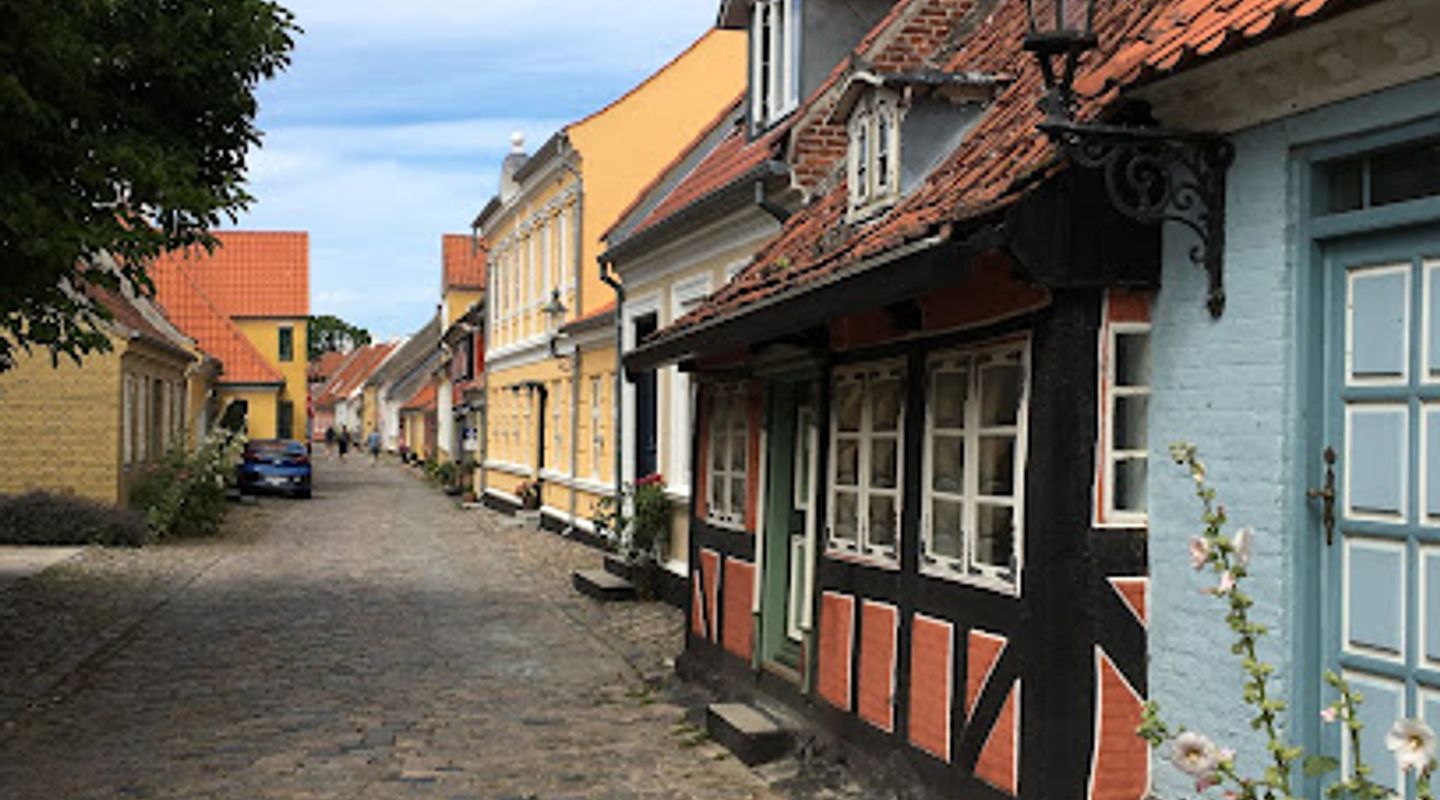
Housed in a beautifully preserved 1775 sheriff's house on Brogade in Ærøskøbing, Ærø Museum tells the story of life on this Danish island across centuries. The exhibitions explore Ærø's distinctive history—from its complex position between Schleswig and Denmark to its maritime heritage and modern identity. A charming town garden adjacent to the museum recreates the appearance of a 1920s garden, while interactive elements like a free cat treasure hunt make the experience engaging for families.
On-site amenities
 Restrooms
 Drink options
 Food options
 Information boards
 Seating areas
Opening hours
- Mon–Sat11 am–3 pm
- SunClosed
Opening hours as listed on the venue’s Google Business Profile. Hours can change for services and special events, so check with the venue before you go.
- Address
- Brogade 3, 5970 Ærøskøbing
- Phone
- Website
Getting there
Ferry from Søby Harbour
Ferry from Fåborg Harbour
Car with ferry from Søby or Fåborg
Bicycle with ferry
Discover more about Ærøskøbing Bymuseum • Ærø Museum
A Sheriff's House Becomes a Museum
Brogade 3–5 stands as one of Ærøskøbing's finest architectural treasures, built in 1775 by Johan Heinrich Prehn, the island's first sheriff. The position of sheriff was established in 1773 as a royal representative role, similar to positions found in the Faroe Islands and the Danish West Indies. After Prehn's tenure, the house served as residence and office for successive officials and their families, functioning at various times as a post office and district tax office. Around 1840, the building was divided into two units for administrative purposes, which explains the presence of two main doors and two staircases leading to the first floor. The house gained protected status in 1919 and has housed Ærø Museum's exhibitions since 1955, preserving its fine architectural details for visitors to admire.
Ærø's Complex Border History
The museum's core narrative centers on Ærø's unique geographical and political position in both the Baltic Sea and the South Funen Archipelago. This location created a distinctive cultural crossroads, with the island's people leaning toward both Schleswig and Denmark throughout history. The border acted as both a resource and a source of complexity, enabling trade and shipping opportunities while creating intricate administrative challenges. The exhibitions showcase weights, measures, and coin finds from Ærøskøbing that document the island's extensive trading relations throughout the Baltic region. Visitors can also explore how the border influenced local building practices and food culture, with the Western Ærø dialect reflecting connections to Als and the South Funen islands, while Eastern Ærø revealed links to Langeland and Lolland.
From Past to Present: Life on Ærø
The museum's exhibitions span from the island's medieval past through to contemporary life, with special exhibitions rotating annually to highlight different aspects of Ærø's heritage. Displays feature antiques and paintings from the mid-1800s, providing insight into domestic life and artistic traditions. Thematic sections guide visitors through key historical moments, including Ærø's experience during the Duchy of Schleswig period before the defeat at Dybbøl in 1864, and the emergence of wedding tourism in modern times. The museum also explains distinctive local traditions, such as why islanders boil eggs on the beach on Easter Saturday, and explores the history behind the island's two local flags. These narratives create a comprehensive portrait of how Ærø's residents have adapted to and shaped their island home across generations.
The Garden and Interactive Experiences
Adjacent to the main museum building lies a charming market garden planted with species and varieties that would have been cultivated around 1920. This living exhibition provides a sensory connection to the island's agricultural past and offers a peaceful respite during your visit. For younger visitors, the museum offers a free cat treasure hunt featuring Storm, the house cat, designed for children aged 4–8 years and their accompanying adults. The exhibitions themselves are thoughtfully designed to engage children, with numerous artifacts and displays that spark curiosity and encourage exploration. Combined tickets provide access to both Ærø Museum and Hammerich's House, an untouched gem in central Ærøskøbing that offers additional insight into period life on the island.
Guided Tours and Group Experiences
Groups can arrange guided tours at Ærø Museum, though bookings must be made well in advance—at least 14 days before your visit. These curated experiences allow for deeper engagement with the museum's collections and narratives, guided by knowledgeable staff who can provide context and answer questions. The museum's administrative building, Dommergården, is located in the Town Square and serves as the operational hub for the institution.
Evendo Review Centre
 Google
Guest reviews
Best time to go
Quietest: Jan, Feb & Nov · before 10am or from 4pm
Busy times are Evendo estimates for a typical year, to help you plan. Actual crowds vary with events, school holidays and the weather.
Explore Ærøskøbing Bymuseum • Ærø Museum on the map
A handpicked selection of must-see spots near Ærøskøbing Bymuseum • Ærø Museum, mapped for you.
Get your free copy of our complete guide to Ærøskøbing Bymuseum • Ærø Museum, delivered straight to you.
Everything on this page, from opening hours and how to get there to Eve’s tips and the best time to go, in one PDF you can read offline, print or share.
Already have an account? Sign in
Your Ærøskøbing Bymuseum • Ærø Museum guide is ready.
We'll send it to · Not you? Sign out

Getting your guide ready…
We are putting together a fresh copy of the Ærøskøbing Bymuseum • Ærø Museum guide. This can take up to a minute.
This can take a few moments. If your browser asks, choose Allow so the download can start. You'll find the guide in your Downloads folder.
Nothing happened? Download it again
Sorry, the guide is taking longer than usual. Please try again in a minute, or get it by email instead.
Other nearby places you may find interesting
The closest places of the same kind, if this one is not quite what you had in mind.
-
-
-
-
-


Swipe for more places
More to explore near Ærøskøbing Bymuseum • Ærø Museum
-
 Best experiences near Ærøskøbing Bymuseum • Ærø Museum
-
 Best hotels near Ærøskøbing Bymuseum • Ærø Museum
-
 Best landmarks near Ærøskøbing Bymuseum • Ærø Museum
-
 Best attractions near Ærøskøbing Bymuseum • Ærø Museum
-
 Best shops near Ærøskøbing Bymuseum • Ærø Museum
-
 Best restaurants near Ærøskøbing Bymuseum • Ærø Museum
-
 Best bars near Ærøskøbing Bymuseum • Ærø Museum


Do you manage this location?
Take control to get all the benefits, like improved information, better appearance, and stronger visibility across AI-powered discovery.
Explore more

Explore more of Ærø
Discover the enchanting island of Ærø in Denmark, where fairy-tale towns, scenic landscapes, and rich maritime history await to captivate your senses.
Explore Ærø
Explore more of Denmark
Discover Denmark: A perfect blend of history, modern design, and the cozy concept of hygge. Explore vibrant cities, serene landscapes, and world-class cuisine.
Explore Denmark
