

Pissebækken Travel Guide
Free Guide: A steep ravine, a playful name and one of Denmark’s highest waterfalls tucked into Bornholm’s dramatic west coast between Vang and the Baltic Sea.


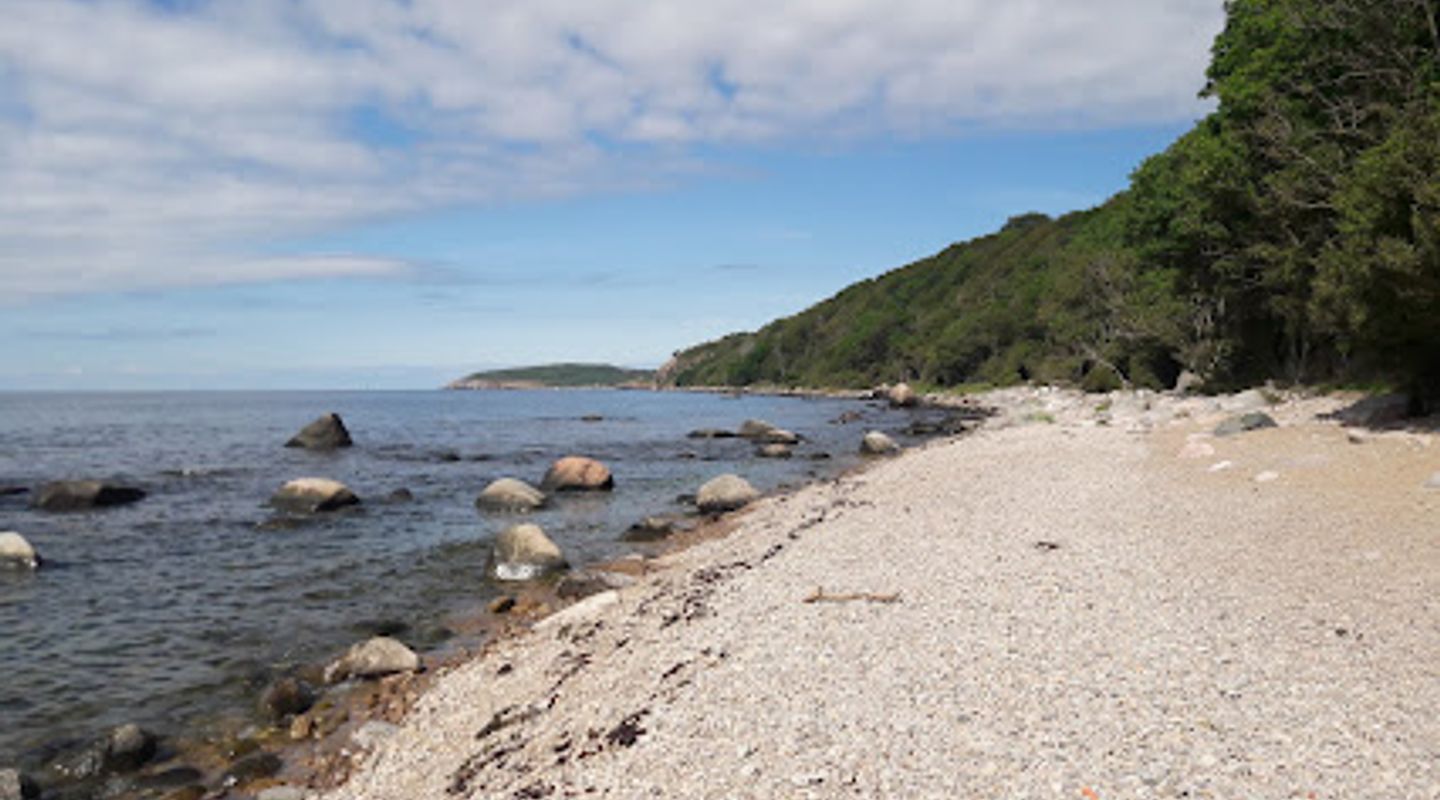
A brief summary of Pissebækken
A steep ravine, a playful name and one of Denmark’s highest waterfalls tucked into Bornholm’s dramatic west coast between Vang and the Baltic Sea.
Tucked into the rugged west coast of Bornholm between Vang and Hammershus, Pissebækken is a narrow ravine sheltering one of Denmark’s highest waterfalls. A wooden staircase drops from the coastal path into a cool, moist cleft where water tumbles over dark rock towards the Baltic Sea. Spring brings carpets of blue anemones and rare plants to the gorge, while the wider area forms part of a beloved coastal hiking route with big sea views and dramatic cliffs.
Opening hours
- Every dayOpen 24 hours
Opening hours as listed on the venue’s Google Business Profile. Hours can change for services and special events, so check with the venue before you go.
- Address
- 3790 Hasle
- Phone
Getting there
Car from Rønne (via Hasle and Vang)
Local bus and short coastal walk
Cycling the west coast
Discover more about Pissebækken
A Hidden Ravine on Bornholm’s Wild West Coast
Pissebækken lies almost at sea level on Bornholm’s rocky west coast, a short detour off the coastal path north of the little harbour at Vang. From above, the landscape feels open and windswept, with broad views across the Baltic and the stepped profile of old quarries and cliff edges. Then the ground suddenly falls away into a narrow cleft, and you realise you are standing at the lip of one of Denmark’s tallest waterfalls.A sturdy wooden staircase leads down into the ravine, slipping you from sun and wind into a cooler, sheltered microclimate. The sheer rock walls are streaked with mosses and seeping water, music from the falls echoing between them as the stream drops towards the stony shoreline. It is a small place in absolute terms, but the steep sides and close sound of running water give it an intimate, almost enclosed atmosphere.
The Story Behind an Unusual Name
The name Pissebækken dates back to the Middle Ages and has long raised a smile among Danish speakers. One explanation says the stream gained its earthy title because, in dry summers, the flow dwindles to a thin, pale jet that invites an obvious comparison. Another tradition claims the tumbling water used to foam so heavily that locals thought of a different, equally vivid image.Whatever its origin, the name sticks precisely because it contrasts with the ravine’s delicate beauty. The falls are ranked among the highest in Denmark, yet here they remain unshowy and uncommercialised, simply part of the coastal landscape that islanders have walked for centuries. The mix of playful folklore and quiet natural drama is very much in keeping with Bornholm’s character.
Plants, Rock and the Coastal Ecosystem
The ravine shelters a surprising variety of plants that relish its damp, shaded conditions. In spring, blue anemones punctuate the banks, while more unusual species, such as black alder buckthorn and the whimsically named tarmvridrøn rowan, find a foothold on ledges and in patches of deep soil. The combination of rocky substrate, constant moisture and relatively mild maritime climate creates a pocket of biodiversity that rewards a slow look.Above the cleft, the terrain quickly shifts back to open rock and low vegetation shaped by salt-laden winds. This stretch of coast carries the marks of both nature and industry: ancient bedrock shaped by ice ages, and terraces, tracks and quarry faces left from the era when Bornholm granite was shipped far afield. Pissebækken’s stream cuts down through these layers, a reminder of how water steadily reclaims and softens the landscape.
On the Trail Between Vang and Hammershus
Most visitors encounter Pissebækken as a highlight of the coastal hiking route linking Hasle, Vang, the dramatic Vang Quarry area and the ruined fortress of Hammershus further north. The path undulates along the cliff line, sometimes almost at the water’s edge, sometimes climbing to viewpoints over the sea, quarries and forested slopes. The short detour down to the waterfall adds vertical variety and a sense of discovery to the walk.Because the site is compact, you can explore it in just a few minutes, or linger to watch light shifting on the falling water and the sea beyond the ravine mouth. The wooden stairs and clear path make access straightforward for most reasonably sure-footed walkers, though the steps can be slippery after rain. Many choose to combine a pause here with a picnic on nearby rocks or continue towards Hammershus for a longer day out.
Atmosphere Across the Seasons
The character of Pissebækken changes strikingly through the year. In late winter and early spring, snowmelt and rain swell the stream, and the falls feel powerful and insistent, throwing fine spray into the air. As the season progresses, fresh green appears on the ravine walls, and wildflowers light up the undergrowth. On bright summer days, sunlight filters down in narrow shafts, catching the water in mid-air.By late summer or during dry spells, the cascade can shrink to a more modest trickle, revealing more of the rock face and making the origin stories of its name easy to imagine. Autumn brings richer colours to the surrounding slopes and a wilder feel to the sea below. Even when the falls are not at their fullest, the combination of cliff, forest edge, stream and shoreline keeps this small corner of Bornholm worth seeking out.
Evendo Review Centre
 Google
Guest reviews
Best time to go
Quietest: Jan, Feb & Dec · before 7am or from 8pm
Busy times are Evendo estimates for a typical year, to help you plan. Actual crowds vary with events, school holidays and the weather.
Explore Pissebækken on the map
A handpicked selection of must-see spots near Pissebækken, mapped for you.
Get your free copy of our complete guide to Pissebækken, delivered straight to you.
Everything on this page, from opening hours and how to get there to Eve’s tips and the best time to go, in one PDF you can read offline, print or share.
Already have an account? Sign in
Your Pissebækken guide is ready.
We'll send it to · Not you? Sign out

Getting your guide ready…
We are putting together a fresh copy of the Pissebækken guide. This can take up to a minute.
This can take a few moments. If your browser asks, choose Allow so the download can start. You'll find the guide in your Downloads folder.
Nothing happened? Download it again
Sorry, the guide is taking longer than usual. Please try again in a minute, or get it by email instead.
Other nearby places you may find interesting
The closest places of the same kind, if this one is not quite what you had in mind.
-
Hammershus Castle Ruins Bornholm’s great clifftop fortress, where vast medieval ruins, Baltic Sea panoramas and a striking modern visitor centre bring 800 years of history to life.
-
Opal Lake A flooded granite quarry turned emerald lake, Opal Lake on Bornholm blends raw cliffs, deep clear water and coastal views with swimming, cliff jumps and rugged trails.
-
Bornholms Rovfugleshow Immersive birds-of-prey shows and evolution-themed encounters on Bornholm, where owls, falcons, reptiles and farm animals turn science into a full, family-friendly day out.
-
Bornholmertarnet Former top-secret NATO listening post turned Cold War museum, crowned by a 70 m viewing tower with sweeping panoramas over Dueodde and eastern Bornholm.
-
Hammeren Lighthouse Compact granite lighthouse on Bornholm’s highest headland, offering free summer access, sweeping Baltic views and heather-clad coastal walking trails.
Swipe for more places
More to explore near Pissebækken

 Best experiences near Pissebækken
 Best hotels near Pissebækken
 Best landmarks near Pissebækken
 Best attractions near Pissebækken
 Best shops near Pissebækken
 Best restaurants near Pissebækken
 Best bars near Pissebækken
Do you manage this location?
Take control to get all the benefits, like improved information, better appearance, and stronger visibility across AI-powered discovery.
Explore more

Explore more of Bornholm
Explore Bornholm: Denmark's Baltic gem, offering stunning nature, rich history, and vibrant local culture. Perfect for nature lovers, history buffs, and food enthusiasts.
Explore Bornholm
Explore more of Denmark
Discover Denmark: A perfect blend of history, modern design, and the cozy concept of hygge. Explore vibrant cities, serene landscapes, and world-class cuisine.
Explore Denmark
