

Hjortsvang Museum Travel Guide
Free Guide: Open‑air farm museum in a historic East Jutland village, bringing everyday rural life, crafts and schooldays from 1900–1950 vividly back to life.


A brief summary of Hjortsvang Museum
Open‑air farm museum in a historic East Jutland village, bringing everyday rural life, crafts and schooldays from 1900–1950 vividly back to life.
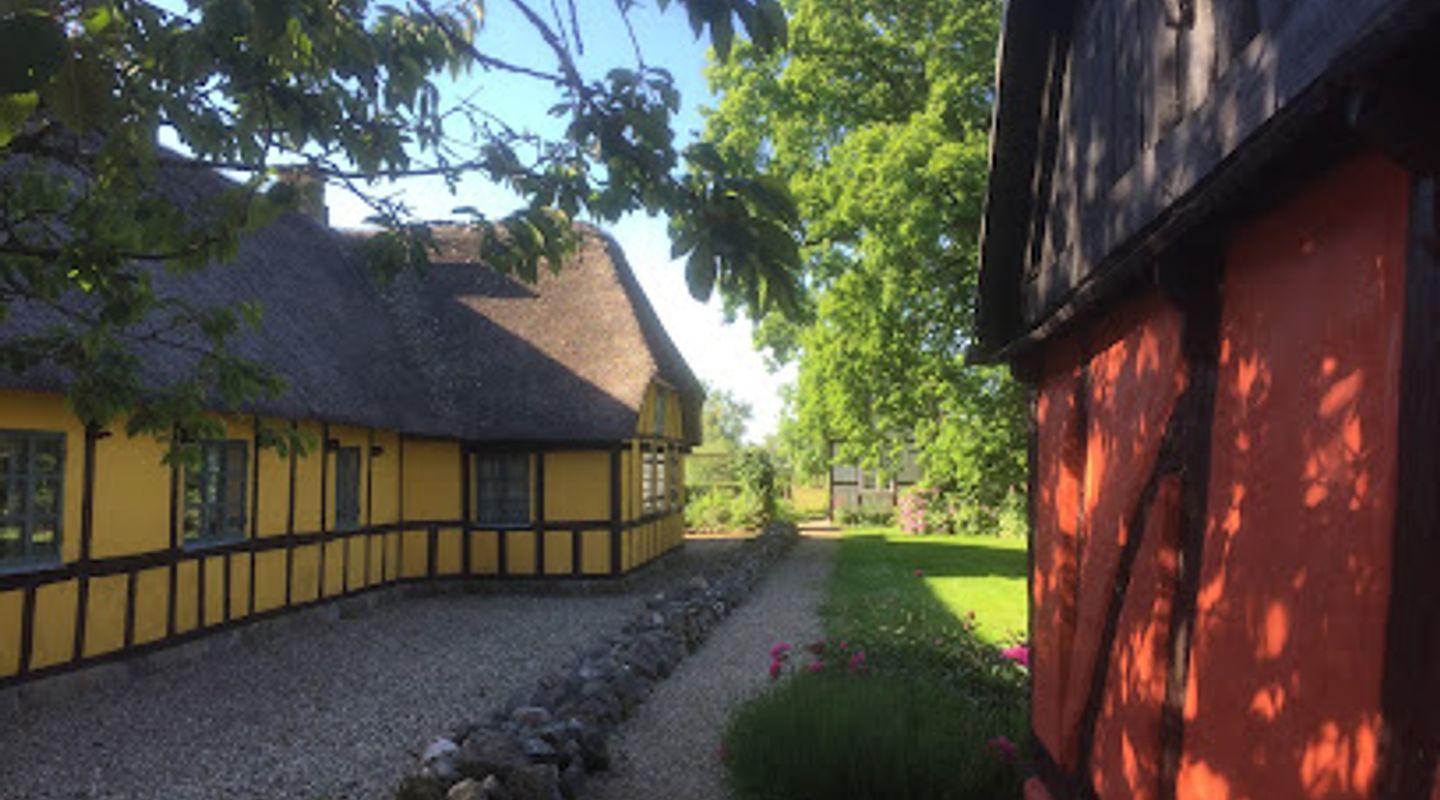
Set on the historic farm Vroldgård in the village of Hjortsvang near Tørring, Hjortsvang Museum is an evocative open‑air museum devoted to rural life in East Jutland. Across several old farm buildings, workshops and barns, you step into carefully recreated interiors from around 1900–1950, with tools, textiles, schoolrooms and household objects telling the story of everyday life in the countryside. It is an intimate, hands‑on place, ideal for families and anyone curious about Danish farm heritage.
On-site amenities
 Restrooms
 Seating areas
 Sheltered areas
 Trash bins
 Information boards
Opening hours
- MonClosed
- Tue10 am–3 pm
- Wed10 am–3 pm
- Thu10 am–3 pm
- Fri10 am–3 pm
- Sat1 pm–4 pm
- Sun1 pm–4 pm
Opening hours as listed on the venue’s Google Business Profile. Hours can change for services and special events, so check with the venue before you go.
- Address
- Bækvej 20, 7160 Tørring
- Phone
- Website
Getting there
Car from Tørring town centre
Car from Horsens
Public transport via Tørring
Cycling from Tørring
Discover more about Hjortsvang Museum
A village farm that became a time capsule
Hjortsvang Museum is built around Vroldgård, a traditional farm in the small village of Hjortsvang just outside Tørring in East Jutland. Where cows and carts once filled the courtyard, you now enter a compact open‑air museum that preserves the character of a working rural community from the late 19th and early 20th centuries. The cluster of low farm buildings, barns and sheds still frames a central yard, and the red brick, timber and tiles feel authentically weathered by more than a century of Danish wind and rain.Inside, the farm’s rooms and outbuildings have been transformed into exhibition spaces that still look and smell like the real thing. Wooden floors creak, whitewashed walls are slightly uneven, and many of the furnishings originate from local farms and homes, collected to tell the story of village life before mechanisation changed the landscape.
Everyday life in the Danish countryside
The heart of the museum is its focus on ordinary rural existence. Step into the living room and kitchen and you are surrounded by cast‑iron stoves, heavy wooden tables, crocheted cloths, enamel jugs and shelves of tins and jars that recall a time when self‑sufficiency was essential. Bedrooms are neatly made with embroidered linens and trunks packed with clothing, showing how families lived in modest but orderly homes.Beyond the farmhouse, several barns and stables house collections of agricultural tools, carts, ploughs and early machinery. You can trace how hand tools gradually gave way to simple engines, and how this affected the rhythm of farm work through the seasons. The displays are dense but thoughtfully arranged, inviting you to imagine the sheer physical effort that once underpinned rural prosperity.
Workshops, trades and schooldays
Hjortsvang Museum goes beyond agriculture to explore village crafts and trades. In one building you find a recreated workshop with benches, vices and tool racks that might have belonged to a local carpenter or wheelwright. Another space presents small‑scale businesses such as a village shop, stocked with old packaging, scales and jars, capturing the atmosphere of a time when most goods were bought over a counter and wrapped by hand.One of the most charming interiors is a historical schoolroom, complete with wooden desks, slates, globes and wall charts. It gives a vivid sense of how children in a Danish country parish learned their letters and numbers in the early 1900s, walking from scattered farms to a simple but imposing classroom that formed an important social hub.
Seasonal atmosphere and family‑friendly scale
The museum opens during the warmer months, when the courtyard and surrounding greenery add to its appeal. On sunny days, the red roofs contrast with bright grass and hedges, and it is easy to slow down and wander from building to building at your own pace. The compact size makes it particularly suitable for families with children, who can explore without long distances or overwhelming crowds.The self‑contained layout also encourages unhurried visits. You can linger over display cases of domestic objects, study detailed wall panels explaining farm tools, or simply sit on a bench in the yard and absorb the atmosphere of a rural community that has largely disappeared from modern Denmark.
A local story anchored in East Jutland
What distinguishes Hjortsvang Museum is its strong connection to the surrounding area. Many of the items on show come directly from nearby farms, workshops and homes, preserving the material memory of East Jutland’s countryside. The narrative here is not about grand historical events, but about the quiet continuity of village life—how people worked the land, raised families, and adapted to slow but steady change.Because of this local focus, a visit offers both context and contrast if you are exploring the wider region. After time in larger Danish cities or major attractions, Hjortsvang Museum provides a grounded, human‑scaled insight into how most people in this part of the country lived within living memory, making it a rewarding stop on any journey through Jutland.
Evendo Review Centre
 Google
Guest reviews
Best time to go
Quietest: Jan, Feb & Dec · before 9am or from 7pm
Busy times are Evendo estimates for a typical year, to help you plan. Actual crowds vary with events, school holidays and the weather.
Explore Hjortsvang Museum on the map
A handpicked selection of must-see spots near Hjortsvang Museum, mapped for you.
Get your free copy of our complete guide to Hjortsvang Museum, delivered straight to you.
Everything on this page, from opening hours and how to get there to Eve’s tips and the best time to go, in one PDF you can read offline, print or share.
Already have an account? Sign in
Your Hjortsvang Museum guide is ready.
We'll send it to · Not you? Sign out

Getting your guide ready…
We are putting together a fresh copy of the Hjortsvang Museum guide. This can take up to a minute.
This can take a few moments. If your browser asks, choose Allow so the download can start. You'll find the guide in your Downloads folder.
Nothing happened? Download it again
Sorry, the guide is taking longer than usual. Please try again in a minute, or get it by email instead.
Other nearby places you may find interesting
The closest places of the same kind, if this one is not quite what you had in mind.
-
Abbey Mill Historic Abbey Mill on Mossø’s shore, where Denmark’s longest wooden building meets bird-rich wetlands, gentle trails and a tranquil corner of the Gudenå River.
-
Clausholm Castle A moated Baroque manor near Hadsten, where painted ceilings, royal love stories and terraced gardens bring Denmark’s aristocratic past vividly to life.
-
Slotsholmen Tranquil green islet at Silkeborg’s origins, where a vanished riverside castle meets calm water views, quiet lawns and a gentle sense of early local history.
-
The Manor House of Hald An 18th-century manor fronting centuries-old ruins, deep forest and Hald Lake, where writers find seclusion and visitors wander through Danish history in nature.
-
Marselisborg Castle Royal retreat above Aarhus Bay, where sculpture-filled gardens, a rose-scented park and quiet ceremony surround Denmark’s Jutland summer palace.
Swipe for more places
More to explore near Hjortsvang Museum

 Best experiences near Hjortsvang Museum
 Best hotels near Hjortsvang Museum
 Best landmarks near Hjortsvang Museum
 Best attractions near Hjortsvang Museum
 Best shops near Hjortsvang Museum
 Best restaurants near Hjortsvang Museum
 Best bars near Hjortsvang Museum
Do you manage this location?
Take control to get all the benefits, like improved information, better appearance, and stronger visibility across AI-powered discovery.
Explore more

Explore more of Central Jutland
Explore Central Jutland in Denmark: A perfect blend of natural beauty, cultural heritage, and family-friendly attractions.
Explore Central Jutland
Explore more of Denmark
Discover Denmark: A perfect blend of history, modern design, and the cozy concept of hygge. Explore vibrant cities, serene landscapes, and world-class cuisine.
Explore Denmark
