

Free Central Jutland Travel Guide & Mobile App
Explore Central Jutland with free travel guides. Discover regional history, expert tips, proposed trips, and audio guides on web or mobile app.


Explore Central Jutland for Aarhus culture, Silkeborg lakes, Mols Bjerge landscapes, historic towns and the Kattegat coast.
Read more about Central Jutland
When is the best time to visit Central Jutland?
Best: June–August · 18–20°C| Month | High (°C) | Rainfall (mm) |
|---|---|---|
| January | 2 | 50 |
| February | 3 | 40 |
| March | 6 | 50 |
| April | 9 | 40 |
| May | 13 | 50 |
| June (best) | 18 | 60 |
| July (best) | 20 | 70 |
| August (best) | 20 | 70 |
| September | 16 | 60 |
| October | 11 | 60 |
| November | 6 | 60 |
| December | 4 | 60 |
Getting to and around Central Jutland
How to get there
Transportation
Top city travel guides in Central Jutland
The cities of Central Jutland, and the easiest places to base yourself.
-

-
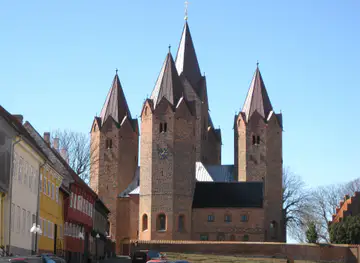
-
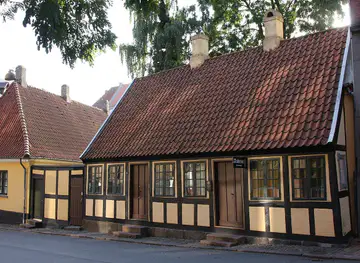
-

-
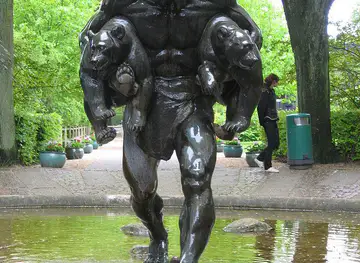
-


Swipe for more cities
Destinations in Central Jutland
Resorts, valleys and scenic spots worth a trip of their own.
-

-

-

-

-

-


Swipe for more destinations
Best attractions in Central Jutland
Central Jutland offers a broad range of experiences without relying on a single type of sightseeing. Aarhus combines Den Gamle By, ARoS Aarhus Art Museum, Moesgaard Museum and a substantial programme of music, theatre and design. Randers Regnskov provides an indoor tropical environment, while the region’s open landscapes are represented by the forests and lakes around Silkeborg, where boating, canoeing, cycling and walking are central attractions. The Lake Highlands also include viewpoints and historic recreational landscapes around Himmelbjerget. On Djursland, Nationalpark Mols Bjerge brings together coastal scenery, dry hills, woodland and archaeological remains, while Ebeltoft adds a historic town setting and maritime heritage. Families may choose from established attractions such as Djurs Sommerland, but the region is equally suited to quieter activities including birdwatching, beach visits and farm-shop stops. Museums of local history, open-air heritage sites and manor landscapes add depth beyond the principal cities.
-
History museum
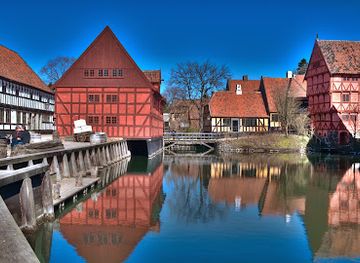
The Old Town
Open-air streets, historic homes and living workshops trace 400 years of everyday Danish town life in the heart of Aarhus’ Botanical Gardens.
-
Zoo
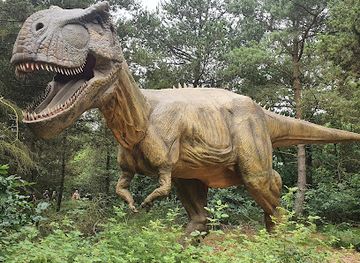
Givskud Zoo Zootopia
Drive-through safari, classic zoo and Denmark’s largest dinosaur park in one spacious, family‑friendly destination in the Jutland countryside.
-
 Art museum
ARoS Aarhus Art Museum
Northern Europe's premier art museum with a rooftop rainbow panorama and world-class contemporary installations.
-
Zoo
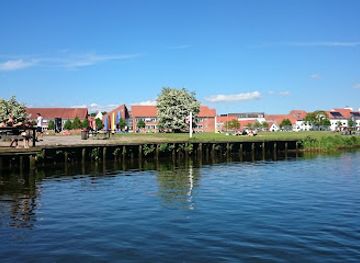
Randers Regnskov
A steamy slice of rainforest and time‑traveling Danish nature, where glass domes, jaguars, snakes and sloths bring the tropics to the heart of Randers.
Best landmarks in Central Jutland
Aarhus Cathedral is one of Central Jutland’s most important medieval landmarks, with a long nave and historic wall paintings that reflect the city’s ecclesiastical importance. In the city centre, the open-air streets of Den Gamle By preserve buildings and urban settings brought together from different parts of Denmark, making them a distinctive architectural landmark rather than a single historic district. Moesgaard Museum’s grass-covered sloping roof has become a notable piece of contemporary architecture south of Aarhus. Around Silkeborg, the wooded hills and lakes form a natural landmark system, with Himmelbjerget providing a celebrated viewpoint over the water landscape. On Djursland, the rounded hills and open grasslands of Mols Bjerge are visually distinctive and carry evidence of long human occupation. Ebeltoft’s old streets and half-timbered buildings represent the region’s maritime market-town heritage, while Viborg Cathedral anchors a historic urban centre associated with medieval religious and political life.
-
Historical landmark
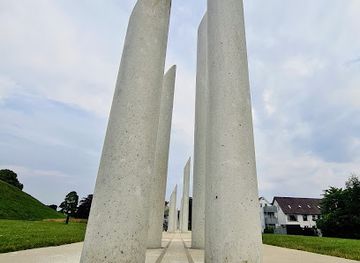
Jelling Mounds, Runic Stones and Church
Viking earthworks, royal runestones and a modest village church come together in Jelling to mark the moment Denmark named itself and embraced Christianity.
-
Tourist attraction
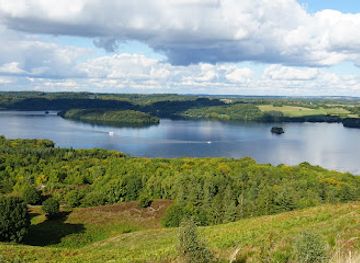
Himmelbjerget
Denmark's iconic sky mountain: where democracy was born and panoramic lake views stretch endlessly.
-
Bridge
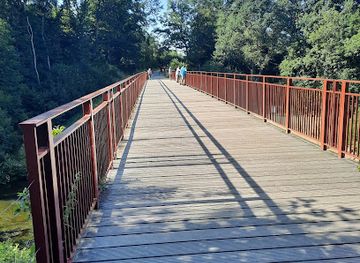
The Uncovered Bridge
A hidden railway bridge buried for 85 years, spectacularly restored and now one of Denmark's most beloved landmarks.
-
Tourist attraction
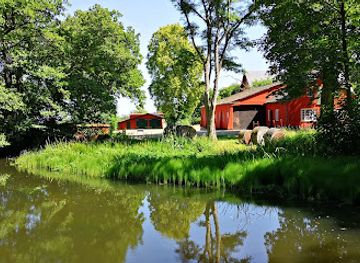
Abbey Mill
Medieval monastery and paper mill heritage amid Denmark's largest lake and pristine forests.
Explore Central Jutland on the map
Plan your trip on one map. See where the top cities, national parks and sights are, and book hotels and experiences in a few clicks.
Best hotels in Central Jutland
Best restaurants in Central Jutland
Dining in Central Jutland ranges from Aarhus’s ambitious contemporary restaurants and independent cafés to traditional inns, bakeries and harbour eateries in smaller towns. Danish staples such as smørrebrød, open sandwiches, remain widely available, while menus often use seasonal vegetables, pork, beef, fish and shellfish from the surrounding land and coast. Djursland and other Kattegat communities provide opportunities to eat locally caught seafood, though availability changes with season and supply. Around Silkeborg, forest and lake landscapes support a relaxed café and restaurant culture suited to day visitors, while market towns such as Ebeltoft, Viborg and Randers offer bakeries and established Danish dining alongside newer venues. Craft beer from Danish breweries is common, and farm shops sell regional produce, preserves and baked goods. Aarhus is the best place for the widest range of international cuisines, vegetarian cooking and modern interpretations of Danish ingredients.
-
Restaurant
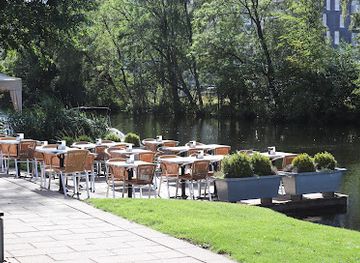
Svostrup Kro
Historic riverside inn near Silkeborg, where half-timbered buildings, traditional Danish cooking and Gudenå River views create a nostalgic countryside escape.
-
Resort hotel
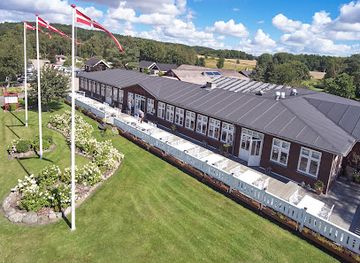
Knudhule Badehotel og Gastronomisk Institut
Boutique lakeside badehotel on Knudsø, blending ambitious seasonal gastronomy, cozy rooms and cabins, and direct access to Søhøjlandet’s calm water and rolling hills.
-
Restaurant
Bone's Silkeborg
Authentic American BBQ tradition since 1990, where tender spareribs and craft burgers define Silkeborg's casual dining scene.
-
Restaurant
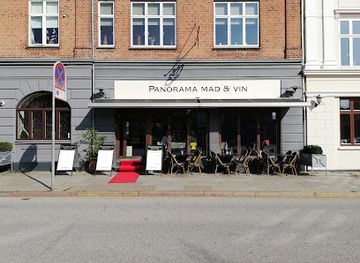
Panorama Mad & Vin
Elegant Danish–French brasserie in Silkeborg’s old town hall, serving generous smørrebrød, French-inspired dinners and a famed bøfsandwich with views over Torvet.

Best bars in Central Jutland
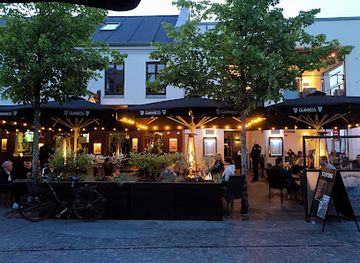
Aarhus is the region’s main evening centre, with bars, pubs, live-music venues, student-oriented places and restaurants concentrated around the central streets and the river area. Its nightlife is varied but changes with the academic calendar and individual venue schedules, so current listings are useful. In Silkeborg, Randers, Viborg, Horsens and Ebeltoft, evenings are generally based around pubs, cafés, restaurants, hotel bars and occasional cultural events rather than a large club scene. Historic inns and contemporary beer bars provide a slower alternative to late-night venues, while coastal towns become busier during the summer season. Smaller communities may have limited late transport, making it sensible to check the last bus or train before going out. Alcohol is not necessary to participate in the region’s evening culture: concerts, theatres, cinemas and food-led events provide other options.
-
Bar
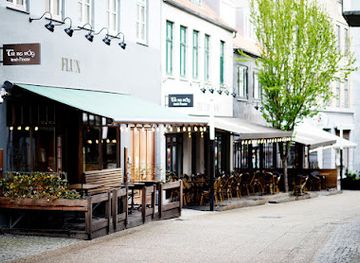
Tir Na nÓg - Irish Gastropub
Irish charm meets Danish coziness in Aarhus's premier gastropub destination.
-
Bar
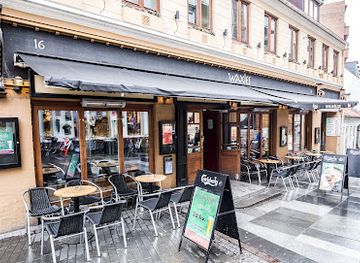
Waxies
Bustling Irish pub and sports bar in central Aarhus, mixing cold pints, live games, music and nightly entertainment in a relaxed, social setting.
-
Bar
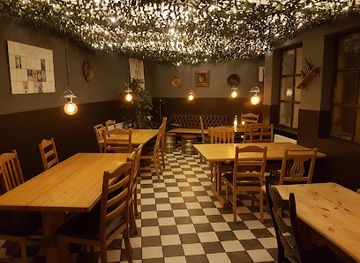
Ølluminati Brewbar
Microbrewery bar in Viborg’s old town, serving ever-changing small-batch craft beers and ciders in a cozy, quirky setting with a relaxed, music-filled atmosphere.
-
Bar
Fox and Hounds
Scottish pub excellence in the heart of Herning with craft beers, premium whiskeys, and genuine Danish hospitality.
Best nightclubs in Central Jutland
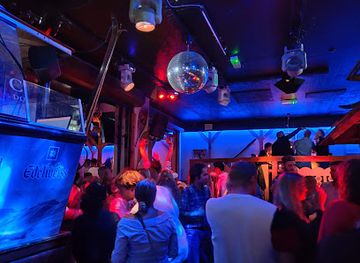
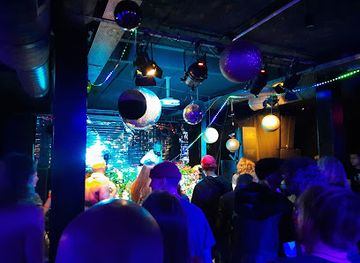
Aarhus is the region’s main evening centre, with bars, pubs, live-music venues, student-oriented places and restaurants concentrated around the central streets and the river area. Its nightlife is varied but changes with the academic calendar and individual venue schedules, so current listings are useful. In Silkeborg, Randers, Viborg, Horsens and Ebeltoft, evenings are generally based around pubs, cafés, restaurants, hotel bars and occasional cultural events rather than a large club scene. Historic inns and contemporary beer bars provide a slower alternative to late-night venues, while coastal towns become busier during the summer season. Smaller communities may have limited late transport, making it sensible to check the last bus or train before going out. Alcohol is not necessary to participate in the region’s evening culture: concerts, theatres, cinemas and food-led events provide other options.
-
Disco club
Der Kuhstall
High‑energy après‑ski–style bar and nightclub on Aarhus’ canal, known for drink deals, karaoke nights and dancing on tables until the early hours.
-
Bar
Bar Smil Aarhus
Compact, colorful late-night bar and nightclub in central Aarhus, mixing mainstream hits, affordable drinks and an informal dance floor crowd.
-
Night club
V58
Intimate live music, cozy bar vibes and late-night energy tucked into a central Aarhus courtyard at characterful V58.
-
Disco club
East End Holstebro
High-energy disco club in central Holstebro, where DJs, flashing lights, and a packed dance floor keep the party going into the early morning hours.


Best shops in Central Jutland
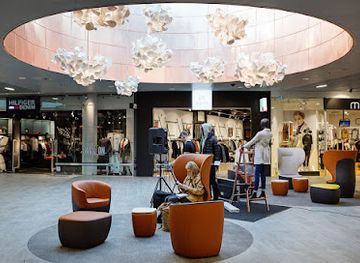
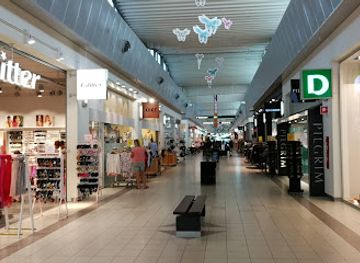
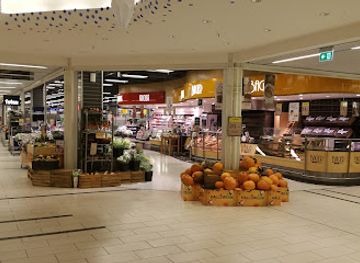
Aarhus provides Central Jutland’s broadest shopping choice, from central pedestrian streets and department-store retail to independent design shops, bookshops, galleries and food specialists. The city is also a useful place to find contemporary Danish furniture, ceramics, clothing and locally produced food, although individual businesses change over time. Ebeltoft, Viborg, Randers, Silkeborg and Horsens have more compact market-town shopping areas, where historic streets contain independent shops, cafés, galleries and practical everyday retail. Farmers’ markets and farm shops across the countryside sell seasonal fruit, vegetables, preserves, honey, baked goods and other local products; opening days vary and should be checked locally. Craft studios and galleries are particularly relevant around tourist areas of Djursland and the Lake Highlands, with ceramics, textiles, jewellery and design objects offering more distinctive souvenirs than generic merchandise. Large-scale luxury retail is concentrated in Aarhus rather than spread evenly across the region.
-
Shopping mall
Aalborg Storcenter
North Jutland’s biggest indoor mall, mixing Denmark’s largest Bilka, colourful shopping streets and family‑friendly comforts in Aalborg’s lively City Syd.
-
Shopping mall
Bruuns Galleri
Denmark's premier shopping destination with 11 million annual visitors, offering 100+ stores, dining, and entertainment.
-
Shopping mall
Randers Storcenter
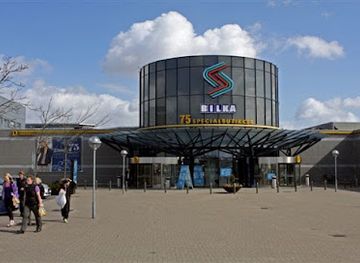
Bright, accessible and weatherproof, Randers Storcenter brings almost 60 shops, cafés and a Bilka hypermarket together under one easy, family‑friendly roof.
-
Shopping mall
Storcenter Nord
Northern Aarhus's premier shopping destination combining 50+ shops, international dining, and Scandinavia's largest free aquarium.
Get your free copy of our complete guide to Central Jutland, delivered straight to you.
Everything on this page, from attractions and restaurants to essentials and local phrases, in one PDF you can read offline, print or share.
Already have an account? Sign in
Your Central Jutland guide is ready.
We'll send it to · Not you? Sign out

Getting your guide ready…
We are putting together a fresh copy of the Central Jutland guide. This can take up to a minute.
This can take a few moments. If your browser asks, choose Allow so the download can start. You'll find the guide in your Downloads folder.
Nothing happened? Download it again
Sorry, the guide is taking longer than usual. Please try again in a minute, or get it by email instead.
Central Jutland essentials
Currency and Payment
Safety
Emergency Situations
Do's and Don'ts
Local Tips
From Eve
Local phrases worth knowing
You don't need to get them perfect. A few words go a long way, and locals appreciate the effort.
Basics
| English | Local | Say it |
|---|---|---|
| Hello | Hej | [hay] |
| Goodbye | Farvel | [far-vel] |
| Yes | Ja | [yah] |
| No | Nej | [nai] |
| Please/You're welcome | Vær så venlig | [vair so ven-lee] |
| Thank you | Tak | [tak] |
| Excuse me/Sorry | Undskyld | [oon-skyl] |
| How are you? | Hvordan har du det? | [vor-den har do deh] |
| Fine. And you? | Fint. Og dig? | [feent. oh dai] |
| Do you speak English? | Taler du engelsk? | [tay-ler do eng-elsk] |
| I don't understand | Jeg forstår ikke | [yai for-stor ik-ke] |
Eating & Drinking
| English | Local | Say it |
|---|---|---|
| I'd like to see the menu, please | Jeg vil gerne se menuen, tak | [yai vil gyar-neh say me-nu-en, tak] |
| I don't eat meat | Jeg spiser ikke kød | [yai spee-ser ik-ke kuh] |
| Cheers! | Skål! | [skawl] |
| I would like to pay, please | Jeg vil gerne betale, tak | [yai vil gyar-neh be-ta-le, tak] |
Emergencies
| English | Local | Say it |
|---|---|---|
| Help! | Hjælp! | [yelp] |
| Go away! | Gå væk! | [go vek] |
| Call the Police! | Ring til politiet! | [ring til po-li-tiet] |
| Call a doctor! | Ring efter en læge! | [ring ef-ter en lay-eh] |
| I'm lost | Jeg er faret vild | [yai air far-et vil] |
| I'm ill | Jeg er syg | [yai air sue] |
Shopping
| English | Local | Say it |
|---|---|---|
| I'd like to buy... | Jeg vil gerne købe... | [yai vil gyar-neh ky-beh] |
| I'm just looking | Jeg kigger bare | [yai kee-ger bar-eh] |
| How much is it? | Hvor meget koster det? | [vor mai-eh cost-er deh] |
| That's too expensive | Det er for dyrt | [deh air for dyert] |
| Can you lower the price? | Kan du sænke prisen? | [kan do sen-ke pree-sen] |
Time & Numbers
| English | Local | Say it |
|---|---|---|
| What time is it? | Hvad tid er det? | [vadh tid air deh] |
| It's one o'clock | Det er et | [deh air et] |
| Half past (10) | Halv (10) | [halv (ten)] |
| Morning | Morgen | [mor-en] |
| Afternoon | Eftermiddag | [ef-ter-mi-dag] |
| Evening | Aften | [af-ten] |
| Yesterday | I går | [ee gor] |
| Today | I dag | [ee day] |
| Tomorrow | I morgen | [ee mor-en] |
| 1 | 1 | [1] |
| 2 | 2 | [2] |
| 3 | 3 | [3] |
| 4 | 4 | [4] |
| 5 | 5 | [5] |
| 6 | 6 | [6] |
| 7 | 7 | [7] |
| 8 | 8 | [8] |
| 9 | 9 | [9] |
| 10 | 10 | [10] |
Transport & Directions
| English | Local | Say it |
|---|---|---|
| Where's a/the...? | Hvor er en/den...? | [vor air en/den] |
| What's the address? | Hvad er adressen? | [vadh air a-dres-en] |
| Can you show me (on the map)? | Kan du vise mig (på kortet)? | [kan do vee-seh mai (po kort-et)] |
| When's the next (bus)? | Hvornår går den næste (bus)? | [vor-nor gor den nes-te (bus)] |
| A ticket (to ....) | En billet (til ....) | [en bi-let (til ....)] |
History of Central Jutland
Stone Age and Bronze Age Landscapes
Central Jutland has been occupied since prehistoric times, and its forests, wetlands, coasts and raised ground preserve traces of early settlement, burial and farming. Dolmens and passage graves around Djursland and other parts of East Jutland reflect Neolithic communities that invested considerable effort in communal monuments. Bronze Age burial mounds remain visible in the wider landscape, although many have been altered by later agriculture. These remains show that the region was not an empty wilderness before the historic period: its waterways and coastal routes connected communities, while fertile soils and grazing grounds supported increasingly settled societies.
Viking-Age Aarhus and Maritime Networks
Aarhus began as a Viking settlement known as Aros, a name connected with its position at the mouth of a river. Its harbour and waterways gave it access to routes across the Kattegat and the wider Scandinavian world. Archaeological discoveries, including traces of the early settlement and defensive works, reveal a town engaged in trade, craft production and regional administration. Other parts of Central Jutland were linked through rivers, tracks and coastal sailing routes. The Viking legacy is therefore visible not only in individual finds but also in the region’s long association with exchange between inland communities, ports and neighbouring lands.
Viborg and the Medieval Danish Kingdom
Viborg became one of medieval Denmark’s important political and religious centres. Its central position made it a meeting place for the provincial assembly, traditionally associated with decisions affecting Jutland, while the cathedral and religious institutions gave the town a major ecclesiastical role. Aarhus Cathedral also developed during the medieval period and remains one of Denmark’s most significant historic churches. Market towns, royal interests and church foundations helped organise Central Jutland’s rural hinterland, leaving a legacy in street plans, churches, earthworks and surviving town architecture.
Market Towns, Estates and Agricultural Change
From the late medieval period through the early modern era, Central Jutland was shaped by agriculture, estate ownership and the growth of market towns. Viborg, Randers, Horsens, Aarhus and Ebeltoft served different combinations of administrative, commercial and maritime functions. Manor houses and estate landscapes expressed the power of landowning families, while farms, mills and parish churches structured rural life. The region’s roads and waterways were improved gradually, enabling grain, livestock, timber and other products to move towards ports and urban markets. Much of the present countryside still reflects these centuries of cultivation and land management.
Aarhus, Railways and Industrialisation
During the nineteenth century, Aarhus expanded rapidly as a port and industrial town. Harbour development, improved roads and the arrival of railways strengthened its links with the rest of Denmark and with overseas trade. Food processing, engineering, shipping and other industries grew around the city, while rail connections also transformed inland towns such as Silkeborg and Randers. Silkeborg’s earlier role in paper production was particularly important to its development. Industrialisation altered employment, housing and migration patterns across Central Jutland and established the urban and transport framework that continues to shape the region.
Occupation and Resistance during the Second World War
Like the rest of Denmark, Central Jutland was occupied by Germany from 1940 to 1945. The period affected ports, railways, industry and everyday life, while resistance groups operated in towns and rural districts. Aarhus and other major centres experienced restrictions, shortages and episodes of conflict, and strategic infrastructure made the region relevant to the occupying authorities. The war also changed public attitudes towards national sovereignty and civic responsibility. Memorials, museums and local historical collections preserve aspects of this difficult period, although the experience varied considerably between urban communities and the countryside.
The Modern Regional Economy
After 1945, Central Jutland developed from a mixed agricultural and industrial economy into a more diversified region. Aarhus grew as a centre for education, healthcare, business, culture and transport, while Herning became associated with textiles, design and trade fairs. Food production, logistics, engineering, renewable energy and knowledge-based industries remain important across different parts of the region. Tourism has also expanded around Aarhus, the Silkeborg lakes and Djursland’s coast and national park. This modern economy coexists with historic market towns, working farms and fishing communities rather than replacing them entirely.
Central Jutland in Photos
Browse through our photo collection highlighting the charm and character of the destination.
Neighbouring regions of Central Jutland
The closest regions to Central Jutland, if you have time for more than one.
-

-
-
-

-


Swipe for more regions
Explore more

Explore more of Denmark
Discover Denmark: A perfect blend of history, modern design, and the cozy concept of hygge. Explore vibrant cities, serene landscapes, and world-class cuisine.
Explore Denmark