

Marselisborg Castle Travel Guide
Free Guide: Royal retreat above Aarhus Bay, where sculpture-filled gardens, a rose-scented park and quiet ceremony surround Denmark’s Jutland summer palace.


A brief summary of Marselisborg Castle
Royal retreat above Aarhus Bay, where sculpture-filled gardens, a rose-scented park and quiet ceremony surround Denmark’s Jutland summer palace.
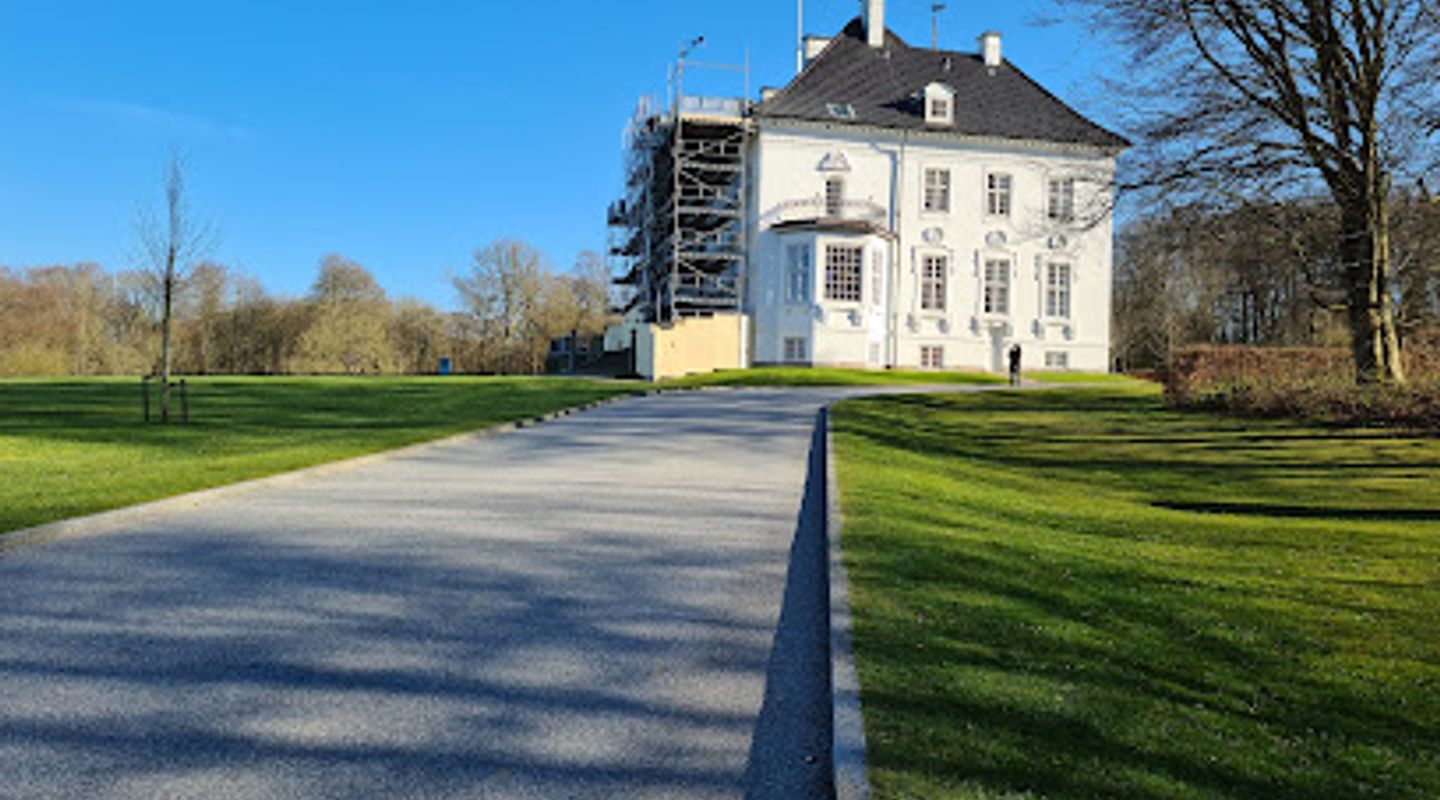
Marselisborg Palace in Aarhus is the Danish royal family’s beloved summer and Christmas residence, set above the bay and framed by sweeping lawns, old trees and a sculpture-filled park. When the royals are away, the English-style gardens and the Queen’s rose garden open freely to the public, offering tranquil walks, sea views and intimate glimpses of palace life from just beyond the railings. Adjacent Memorial Park and the changing of the guard add ceremony, history and a touch of pageantry to this green royal enclave.
On-site amenities
 Seating areas
 Trash bins
 Information boards
 Restrooms
- Address
- Kongevejen 100, 8000 Aarhus
- Phone
- Website
Getting there
City bus from central Aarhus
Bicycle from Aarhus city centre
Taxi or rideshare within Aarhus
Walking from the inner city
Discover more about Marselisborg Castle
A royal residence gifted by the Danish people
Marselisborg Palace sits on a gentle rise south of central Aarhus, looking out over Aarhus Bay from within a wide collar of greenery. Built between 1899 and 1902, it was presented as a wedding gift from the Danish people to the future King Christian X and Queen Alexandrine, with the city donating the land to strengthen ties between the monarchy and Jutland. The bright, relatively modest palace was conceived as a relaxed retreat rather than a grand court, and that spirit still shapes its atmosphere today.Over the decades, Marselisborg evolved into the royal family’s summer and Christmas residence in Jutland. Today it is closely associated with Queen Margrethe II, who continues the tradition of retreating here for holidays. When the royal standard flies above the roof, the family is in residence and the park gates are closed, reinforcing that this is both a working home and a symbol of constitutional continuity.
Gardens that blend art, roses and coastal light
The palace park unfolds in a series of English-style lawns, winding paths and carefully framed views towards the sea. Mature trees shelter clearings where sculptures emerge from the greenery, reflecting the royal family’s long-standing interest in art. Some pieces are playful, others abstract or figurative, and together they give the grounds the feel of an outdoor gallery woven into the landscape.One of the highlights is the Queen’s rose garden, where hundreds of varieties are planted in structured beds that burst into colour and scent through late spring and summer. Ponds and small water features offer quieter corners, with benches positioned for contemplation or simple people‑watching. Even when the city feels busy, the park maintains an air of unhurried calm.
Changing of the guard and small touches of ceremony
When the royal family is staying at Marselisborg, a daily rhythm of ceremony returns to the grounds. Around midday, the Royal Life Guards march from their barracks in nearby Memorial Park towards the palace, their precise movements and dark uniforms adding a formal counterpoint to the relaxed greenery. Visitors watch from outside the palace fences, catching a brief performance of state ritual against the backdrop of hedges and whitewashed walls.Outside these formal moments, the palace itself remains closed to the public, but the proximity is striking. On days when the park is open you can walk quite close to the exterior, noticing decorative details, coats of arms and occasionally personal touches in the windows that hint at the building’s role as a family home as much as a state residence.
Memorial landscapes and open horizons
Immediately beside the palace lies Mindeparken, the landscaped memorial park established after the First World War. Here, sweeping lawns roll gently towards the coast, broken by lines of trees, flower beds and the solemn monuments that commemorate Danish soldiers. The absence of dense building around the palace is deliberate: the park was laid out to preserve an unobstructed view from the royal residence towards the bay.This combination of ceremonial space and open parkland gives Marselisborg a distinctive character. Families spread blankets on the grass, joggers trace the paths along the edge of the woods, and from certain points you can glimpse the water glinting beyond the treeline. It feels both intimate and expansive, with the palace as a quiet focal point rather than an overpowering centerpiece.
Experiencing Marselisborg across the seasons
Marselisborg reveals different sides throughout the year. In spring and summer, roses and perennial borders bring bursts of colour, while long evenings encourage leisurely strolls and picnics. In autumn, the surrounding woods and park transform into a palette of copper and gold that suits the palace’s pale façades. Even in winter, when frost edges the lawns and the trees stand bare, the clear coastal light and formal lines of hedges and avenues create a crisp, almost minimalist beauty.Most visits centre on simply wandering the paths, pausing by sculptures, and choosing a favourite vantage point from which to admire the palace and its outlook over Aarhus Bay. Without interior tours or attractions competing for attention, time here tends to slow down. It is a place to appreciate landscape design, royal history and the way a modern city has grown around – yet carefully preserved – a tranquil royal refuge.
Evendo Review Centre
 Google
Guest reviews
Best time to go
Quietest: Jan, Feb & Mar · before 7am or from 9pm
Busy times are Evendo estimates for a typical year, to help you plan. Actual crowds vary with events, school holidays and the weather.
Explore Marselisborg Castle on the map
A handpicked selection of must-see spots near Marselisborg Castle, mapped for you.
Get your free copy of our complete guide to Marselisborg Castle, delivered straight to you.
Everything on this page, from opening hours and how to get there to Eve’s tips and the best time to go, in one PDF you can read offline, print or share.
Already have an account? Sign in
Your Marselisborg Castle guide is ready.
We'll send it to · Not you? Sign out

Getting your guide ready…
We are putting together a fresh copy of the Marselisborg Castle guide. This can take up to a minute.
This can take a few moments. If your browser asks, choose Allow so the download can start. You'll find the guide in your Downloads folder.
Nothing happened? Download it again
Sorry, the guide is taking longer than usual. Please try again in a minute, or get it by email instead.
Other nearby places you may find interesting
The closest places of the same kind, if this one is not quite what you had in mind.
-
-
-
-
-


Swipe for more places
More to explore near Marselisborg Castle

 Best experiences near Marselisborg Castle
 Best hotels near Marselisborg Castle
 Best landmarks near Marselisborg Castle
 Best attractions near Marselisborg Castle
 Best shops near Marselisborg Castle
 Best restaurants near Marselisborg Castle
 Best bars near Marselisborg Castle
Do you manage this location?
Take control to get all the benefits, like improved information, better appearance, and stronger visibility across AI-powered discovery.
Explore more

Explore more of Central Jutland
Explore Central Jutland in Denmark: A perfect blend of natural beauty, cultural heritage, and family-friendly attractions.
Explore Central Jutland
Explore more of Denmark
Discover Denmark: A perfect blend of history, modern design, and the cozy concept of hygge. Explore vibrant cities, serene landscapes, and world-class cuisine.
Explore Denmark
