Museum Jorn, Silkeborg Travel Guide
Free Guide: Avant‑garde art, riverside light and hands‑on creativity come together at Asger Jorn’s visionary modern art museum in the heart of Silkeborg.


A brief summary of Museum Jorn, Silkeborg
Avant‑garde art, riverside light and hands‑on creativity come together at Asger Jorn’s visionary modern art museum in the heart of Silkeborg.
Set on the banks of the Gudenå River in Silkeborg, Museum Jorn is Denmark’s great temple to avant‑garde art and the life’s project of painter Asger Jorn. Inside its low, modernist buildings you’ll find one of Scandinavia’s most important collections of modern and contemporary art, with bold CoBrA canvases, experimental sculptures, graphic works and changing international exhibitions. Workshops, playful activity stations and a riverside café make it an inspiring stop for art lovers, families and the simply curious.
On-site amenities
 Restrooms
 Lockers
 Seating areas
 Sheltered areas
 Picnic areas
 Trash bins
 Information boards
 Visitor centre
Opening hours
- MonClosed
- Tue10 am–5 pm
- Wed10 am–5 pm
- Thu10 am–9 pm
- Fri10 am–5 pm
- Sat10 am–5 pm
- Sun10 am–5 pm
Opening hours as listed on the venue’s Google Business Profile. Hours can change for services and special events, so check with the venue before you go.
- Address
- Gudenåvej 7-9, 8600 Silkeborg
- Phone
- Website
Getting there
Regional train and local bus from Aarhus
Car from central Silkeborg and wider Jutland
Walking from Silkeborg town centre
Bicycle within Silkeborg
Discover more about Museum Jorn, Silkeborg
Asger Jorn’s Vision on the Riverbank
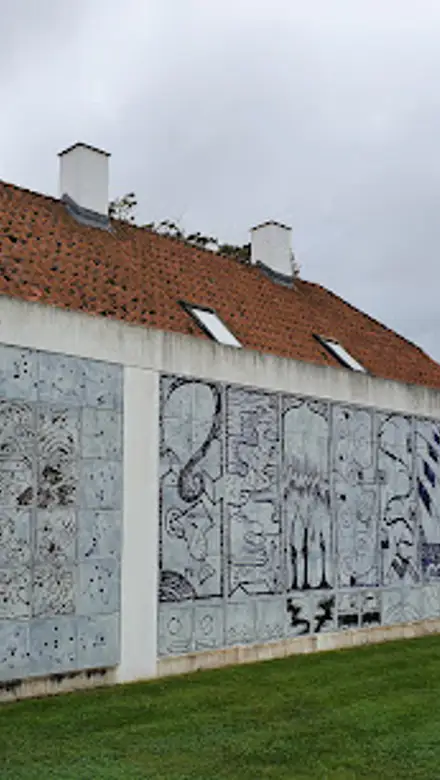
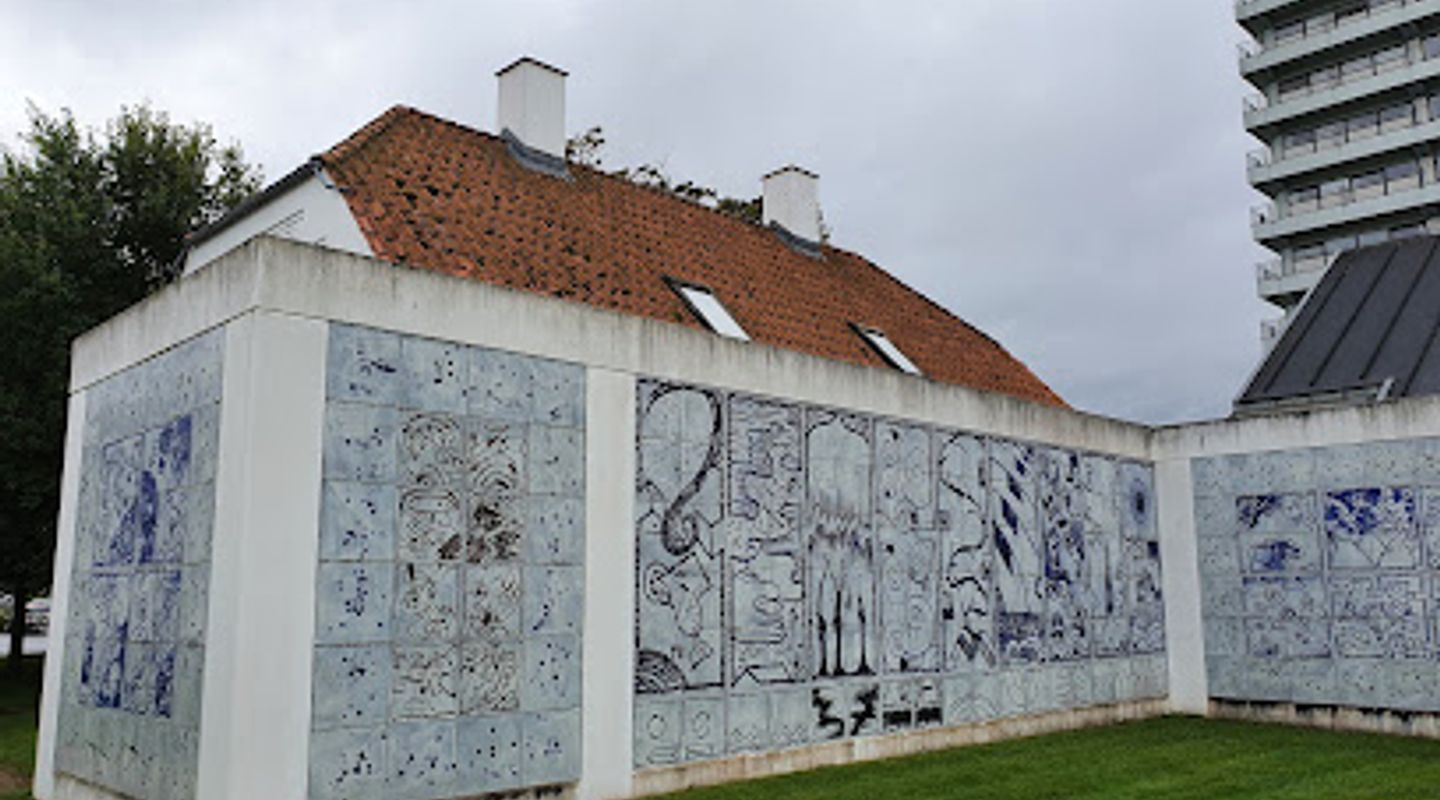
Museum Jorn occupies a green bend of the Gudenå River on the edge of Silkeborg, a fittingly fluid setting for an institution created by the Danish painter Asger Jorn. He founded the museum to house not only his own work but also the experimental, socially engaged art he admired, and to keep it accessible rather than hidden in private collections. The building itself is low and discreet from the outside, with large windows that draw in soft Danish light and frame glimpses of water, trees and sculptures.Step inside and you immediately sense Jorn’s belief that art should be playful, challenging and alive. Colour bursts from the walls in sweeping, gestural canvases; corridors lead not just to galleries but to studios and hands‑on spaces. Even the approach through the riverside grounds feels like a transition from ordinary town life into a self‑contained creative universe.
A Monumental Modern Art Collection
The core collection is built around Jorn’s paintings, ceramics, drawings and graphic works, tracing his journey from early experiments through his role in the CoBrA movement and on to restless late pieces full of energy and satire. Alongside him you encounter fellow CoBrA artists and a roll‑call of 20th‑century innovators: surreal, rough‑textured works, expressive sculptures and graphic art that blurs the boundary between drawing and writing.What makes the museum remarkable is its breadth. The holdings run to tens of thousands of works by hundreds of artists, Danish and international, from bold abstract canvases to intimate sketches and artist books. Temporary exhibitions bring in themed shows that might focus on a single painter, a movement, or a dialogue between Jorn and global contemporaries, so even repeat visits feel different.
Spaces for Families, Play and Making
Jorn was adamant that art should not be distant or intimidating, and large parts of the museum are devoted to exactly that idea. Throughout the galleries, interactive stations invite you to try techniques such as light drawing or experimental printmaking, often closely linked to works on the walls. Downstairs, workshops host changing programmes where children and adults can paint, collage, build or play with materials under gentle guidance.Families will notice thoughtful details: buggy‑friendly circulation, cloakrooms and lockers, accessible toilets and baby‑changing facilities, and spaces where younger visitors can sit on the floor to sketch or simply absorb the colours. The informal atmosphere encourages slow wandering, questions and discovery rather than hushed reverence.
Architecture, Landscape and Everyday Life
The museum’s architecture opens repeatedly toward the surrounding landscape. Large windows look directly onto the Gudenå, where the light shifts with passing clouds and seasons, giving some rooms an almost riverside‑studio feel. Outside, small paths and sculpture placements knit the building into the park‑like Indelukket area, so a visit can easily combine gallery time with a quiet stroll under trees.Everyday comforts are woven into the experience. Café Cobra, with its glass frontage over the river, serves lunch, coffee, cakes and snacks that extend your stay without breaking the reflective mood. The shop offers art books, posters and design objects, many connected to current exhibitions or Jorn’s own imagery, making it easy to take a piece of the museum’s visual world home.
Rhythms, Seasons and Special Events
Museum Jorn follows a clear weekly rhythm, opening from morning to late afternoon most days, with one evening each week when exhibitions stay open later. Throughout the year, the calendar is punctuated by artist talks, family days and themed events that animate both the galleries and workshops.In late autumn the riverside grounds sometimes transform into a cosy Christmas market, with stalls, lights and seasonal treats wrapping around the museum’s entrance. Inside, winter exhibitions take on a different atmosphere as darkness falls early outside, while in summer the long northern light keeps the galleries bright and the riverfront inviting. Whether you come for a deep dive into Jorn’s universe or a brief, colour‑saturated pause in your travels, the museum offers an unusually complete encounter with modern art and the ideas behind it.
Evendo Review Centre
 Google
Guest reviews
Best time to go
Quietest: Jan, Feb & Mar · before 9am or from 9pm
Busy times are Evendo estimates for a typical year, to help you plan. Actual crowds vary with events, school holidays and the weather.
Explore Museum Jorn, Silkeborg on the map
A handpicked selection of must-see spots near Museum Jorn, Silkeborg, mapped for you.
Get your free copy of our complete guide to Museum Jorn, Silkeborg, delivered straight to you.
Everything on this page, from opening hours and how to get there to Eve’s tips and the best time to go, in one PDF you can read offline, print or share.
Already have an account? Sign in
Your Museum Jorn, Silkeborg guide is ready.
We'll send it to · Not you? Sign out

Getting your guide ready…
We are putting together a fresh copy of the Museum Jorn, Silkeborg guide. This can take up to a minute.
This can take a few moments. If your browser asks, choose Allow so the download can start. You'll find the guide in your Downloads folder.
Nothing happened? Download it again
Sorry, the guide is taking longer than usual. Please try again in a minute, or get it by email instead.
Other nearby places you may find interesting
The closest places of the same kind, if this one is not quite what you had in mind.
-
-
-
-
-


Swipe for more places
More to explore near Museum Jorn, Silkeborg

 Best experiences near Museum Jorn, Silkeborg
 Best hotels near Museum Jorn, Silkeborg
 Best landmarks near Museum Jorn, Silkeborg
 Best attractions near Museum Jorn, Silkeborg
 Best shops near Museum Jorn, Silkeborg
 Best restaurants near Museum Jorn, Silkeborg
 Best bars near Museum Jorn, Silkeborg
Do you manage this location?
Take control to get all the benefits, like improved information, better appearance, and stronger visibility across AI-powered discovery.
Explore more

Explore more of Central Jutland
Explore Central Jutland in Denmark: A perfect blend of natural beauty, cultural heritage, and family-friendly attractions.
Explore Central Jutland
Explore more of Denmark
Discover Denmark: A perfect blend of history, modern design, and the cozy concept of hygge. Explore vibrant cities, serene landscapes, and world-class cuisine.
Explore Denmark