Ulstrup Castle, Central Jutland Travel Guide
Renaissance manor by the Gudenå River, where centuries of Danish noble history meet tranquil parkland and seasonal concerts in a restored rural estate.
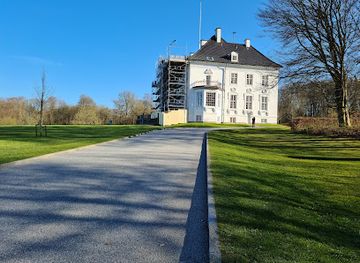
Ulstrup Castle is a restored Renaissance manor house set above the Gudenå River in Favrskov, western Denmark. With its red-brick wings, octagonal corner pavilions and lantern-topped gate tower, it offers a vivid glimpse of 16th–17th century aristocratic life. Today the privately run estate opens its park and courtyards for selected concerts, theatre, markets and cultural events, when visitors can wander the historic grounds and enjoy the tranquil riverside setting.
A brief summary to Ulstrup Castle
- Ulstrup Skovvej 20, Ulstrup, 8860, DK
- Click to display
- Click to display
- Duration: 1 to 3 hours
- Free
-
 Outdoor
- Mobile reception: 4 out of 5

Know before you go
Hi, I'm Eve. Here are a few practical things to know before exploring Ulstrup Castle.
- Check the castle’s event calendar in advance; access to the inner grounds and park is typically linked to concerts, markets and other scheduled activities.
- Bring comfortable shoes for exploring the riverside paths and surrounding forest trails, which can be uneven or muddy after rain.
- Pack a light picnic or snacks, as food and drink options are usually available only during larger events and may be limited at quieter times.
- Photographers should plan for soft morning or late-afternoon light, which best highlights the red-brick walls and reflections in the Gudenå River.
- Dress in layers and bring a windproof jacket; even in summer, exposed spots by the river and in the courtyard can feel cool and breezy.
Do you manage this location?
Take control to get all the benefits, like improved information, better appearance, and stronger visibility across AI-powered discovery. Learn more about listing your business on Evendo
Activate your presenceOther nearby places you may find interesting
The closest places of the same kind, if this one is not quite what you had in mind.
Explore Ulstrup Castle on the Map
A handpicked selection of must-see spots near Ulstrup Castle, mapped for you.
Getting There
-
Train and walk from Randers
From Randers, take a regional train toward Viborg and alight at Ulstrup Station; trains typically run at least once an hour and the journey takes about 15–20 minutes. A one-way adult ticket usually costs around 40–60 DKK depending on time and fare type. From Ulstrup Station, allow roughly 20–25 minutes on foot along local roads and paths; the walking route is gently undulating but uses paved surfaces and is suitable for most visitors comfortable with a longer stroll.
-
Car from Randers and Aarhus region
Travelling by car from Randers or the wider Aarhus region usually takes 25–40 minutes, depending on starting point and traffic. Expect mainly well-maintained regional roads through countryside. There is typically informal parking near the castle and in Ulstrup, but spaces can fill quickly during major events, so arriving earlier than the advertised start time is advisable. Fuel costs vary, but you can roughly estimate 30–60 DKK in fuel for a return trip from Randers, depending on the vehicle.
-
Regional bus via local stops
Regional buses connect smaller towns in Favrskov Municipality with Ulstrup and the surrounding villages. Journey times from Randers or Viborg are usually 40–60 minutes, with reduced frequency in evenings and on weekends. A single adult ticket commonly falls in the 30–50 DKK range. From the nearest bus stop in Ulstrup, plan on a 15–25 minute walk over mostly flat or gently sloping ground; this option suits visitors comfortable with moderate walking and variable weather.
For the on-the-go comforts that matter to you
-
 Restrooms
-
 Drink Options
-
 Food Options
-
 Seating Areas
-
 Picnic Areas
-
 Trash Bins
-
 Information Boards
Discover more about Ulstrup Castle
Renaissance Manor on the Gudenå River
Ulstrup Castle sits just outside the small town of Ulstrup, its red masonry mirrored in the slow-moving waters of the Gudenå River. Originating as a large Renaissance manor, the present complex took shape from the late 1500s into the 17th century, when powerful landowners reshaped the landscape into grand, self-contained estates. Today the castle’s three wings still create a sheltered inner courtyard that feels surprisingly intimate given the scale of the surrounding lands.The setting is distinctly rural. Forests, meadows and farmland surround the house, and from the riverside you can glimpse the gables and pavilions rising beyond the trees. Even on event days, there is a sense of stepping away from modern bustle into a quieter corner of Jutland.From Medieval Farm to Noble Residence
The story of Ulstrup reaches back to the late 14th century, when a farm belonging to the Brandsen family stood here. Over time, prominent figures, including Queen Margaret I, held the property as part of wider royal and noble interests. By the late 1500s, privy councilor Christen Skeel consolidated the local farms, cleared the village and began building an ambitious new manor that would anchor his family’s influence in the region.Around 1591 his house formed the core of the present north wing. In the early 1600s, his son Jørgen Skeel expanded the residence into a full castle with additional wings and agricultural buildings, turning Ulstrup into a substantial estate with both symbolic and economic power. For centuries, the Skeel and later Scheel families maintained control, only relinquishing it in the early 19th century.Architectural Details and Layout
Ulstrup Castle is a textbook example of Danish Renaissance architecture, with restrained ornament and strong geometric forms. The surviving wings are arranged around a courtyard, entered through a lower eastern gate wing. Above the arched gateway rises a small central tower topped with a lantern, flanked by distinctive octagonal corner pavilions that lend the façade a ceremonial air.The north wing contains the earliest masonry from the 1590s, while later additions refined the symmetry and scale. Although one wing was demolished in the 18th century, the overall impression of an enclosed manor remains. The materials—red brick, tiled roofs, and pale stone detailing—sit comfortably in the Danish landscape, especially against the greens of the parkland and the riverbanks.Decline, Amusement Park Era and Restoration
The 19th and 20th centuries brought upheaval. Much of the estate land was sold off, and in the mid-20th century the grounds even hosted an amusement park and small zoo, an era when historical preservation was not the main priority. Buildings and parkland suffered from piecemeal use and lack of coherent care.From 1980, a new chapter began as the estate was reassembled and a focused restoration program set in motion. The aim shifted toward preserving the architectural heritage and re-establishing Ulstrup as a working manor. Careful repairs of façades, roofs and interiors have helped recover the castle’s period character while allowing it to serve contemporary cultural purposes.Events, Park Access and Riverside Atmosphere
Ulstrup Castle functions today as a foundation with a dual mission: to safeguard the historic buildings and to keep them alive through cultural activity. Various concerts, theatre performances, exhibitions and markets are staged here during the year, often spilling out into the courtyard and surrounding park. On such occasions, members of the public can stroll the grounds, appreciate the architecture up close and enjoy the river views.Outside event periods, access is more limited and the castle remains primarily a private estate, so most visitors experience Ulstrup from the paths and viewpoints along the Gudenå and nearby countryside. Whether you come for a specific event or fold it into a wider exploration of central Jutland, the castle’s mixture of noble history, rural calm and ongoing restoration makes it a rewarding stop.Exploring the Surrounding Landscape
Beyond the walls, Ulstrup’s roughly 700 hectares of mainly forested land contribute to a broader network of walking and cycling routes along the Gudenå valley. The gently rolling terrain, mixed woodland and open fields create a landscape that feels spacious yet human in scale. Birdsong, the rustle of leaves and occasional views back to the castle’s roofline are part of the appeal.The area’s layered history—medieval farms, Renaissance ambition, railway-era development and modern conservation—can be sensed in the juxtaposition of manor, river and settlement. Spending unhurried time here, you begin to see Ulstrup Castle not just as an isolated monument, but as a focal point in a lived-in cultural landscape.












Your all‑in‑one travel companion app
Explore expert travel guides, compare and book tours, experiences, hotels, and more—all from the palm of your hand. Download now for seamless trip planning wherever your wanderlust takes you.


Explore More of Central Jutland
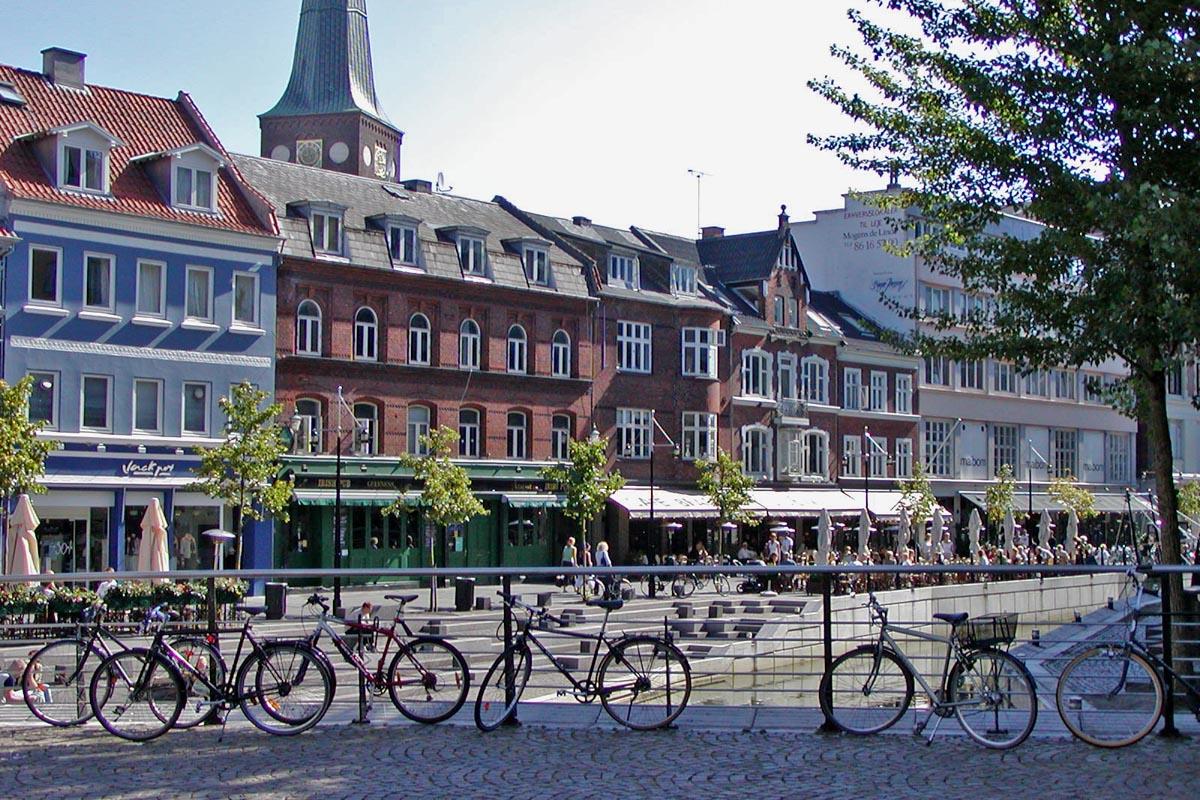
Looking beyond Ulstrup Castle? Discover Central Jutland for broader travel guides, local hot-spots, and regional highlights.
Explore Central Jutland