Christiania Travel Guide
Free Guide: A lakeside freetown of DIY houses, murals and counterculture, Christiania is Copenhagen’s most curious blend of commune, neighbourhood and living social experiment.


A brief summary of Christiania
A lakeside freetown of DIY houses, murals and counterculture, Christiania is Copenhagen’s most curious blend of commune, neighbourhood and living social experiment.
Christiania is Copenhagen’s famous self-proclaimed “freetown”, a car-free, lakeside enclave of homemade houses, bold murals and countercultural spirit in Christianshavn. Founded in 1971 on an abandoned military base, it blends anarchist ideals, DIY architecture, music venues, workshops and organic eateries. Wander between graffiti-splashed alleys, leafy ramparts and quirky homes, but remember this is a lived-in community with its own rules and rhythms.
On-site amenities
 Restrooms
 Drink options
 Drinking water
 Food options
 Seating areas
 Sheltered areas
 Picnic areas
 Trash bins
 Information boards
Opening hours
- Every dayOpen 24 hours
Opening hours as listed on the venue’s Google Business Profile. Hours can change for services and special events, so check with the venue before you go.
- Address
- Bådsmandsstræde 43, 1407 København K
- Phone
- Website
Getting there
Metro from central Copenhagen
City bus from inner districts
Bicycle from the city centre
Walking from Nyhavn and waterfront areas
Discover more about Christiania
From Squatted Barracks to Self‑Proclaimed Freetown
Christiania occupies former military barracks and ramparts in Copenhagen’s Christianshavn district, an area taken over in 1971 by squatters, hippies and activists who dreamt of building a self-governing community. The vision was radical for its time: shared responsibility, collective decision-making and resistance to conventional property ownership. Over the decades, those ideas have hardened into a distinct identity – part commune, part neighbourhood, part ongoing social experiment.Walking through the main entrance you pass an informal border that locals like to frame as leaving the rest of Denmark behind. Within the 7.7-hectare area, old army buildings have been repurposed into workshops, concert halls and cafés, while open plots became gardens and playgrounds. It remains one of the clearest physical expressions of 1970s counterculture anywhere in Europe.
Color, Creativity and Homemade Architecture
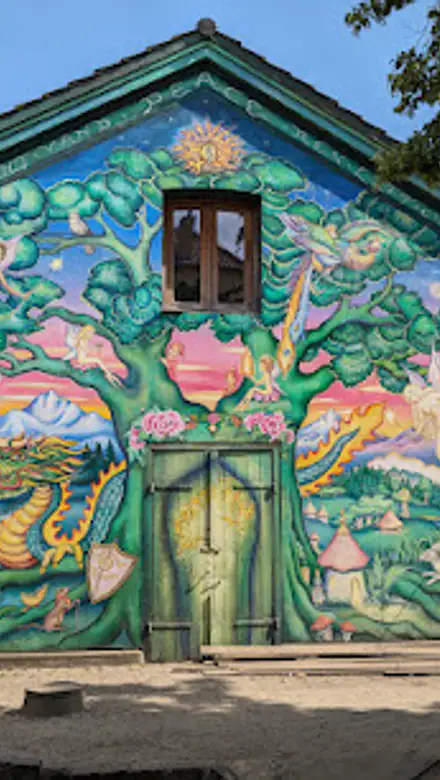
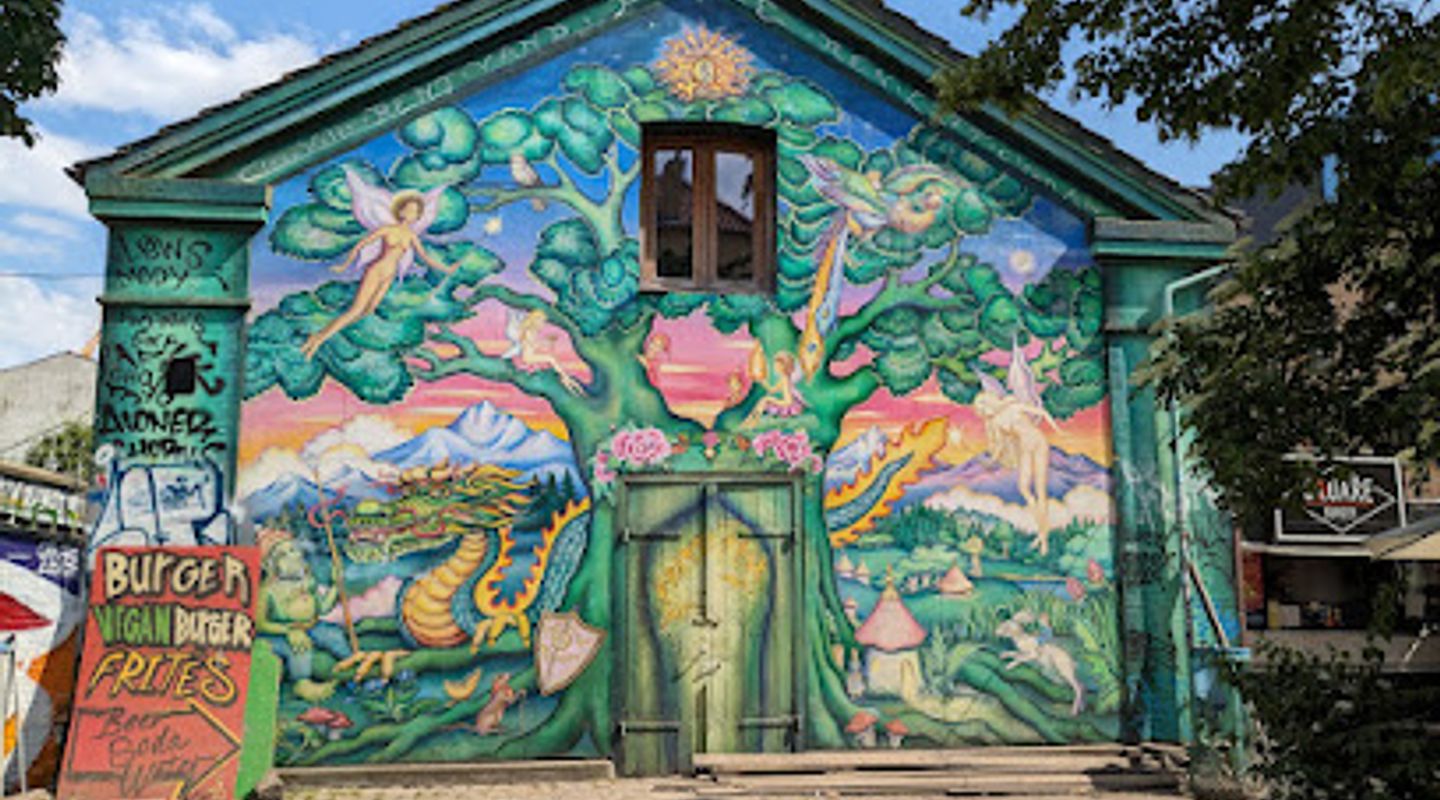
Christiania’s first impression is visual: walls layered with street art, improvised sculptures along the paths and houses that look like they grew rather than were built. Many homes started as shacks assembled from salvaged wood and windows, then evolved into imaginative structures perched along the water or tucked into the old ramparts. The effect is a patchwork of tiny cabins, glass-fronted studios and whimsical treehouse-like dwellings.Among the former powder magazines and stables you now find galleries, crafts workshops and community projects. Musicians rehearse in old army halls, while blacksmiths, carpenters and bike builders share courtyards with painters and ceramicists. This combination of rough-edged creativity and lived-in domesticity is central to Christiania’s character.
Lakes, Ramparts and Green Corners
Despite its urban setting, Christiania feels unexpectedly green. The old defensive earthworks double as grassy viewpoints, with footpaths winding along the top and down to the water’s edge. Quiet stretches of the lake invite picnics, reading breaks or simple people-watching as residents cycle past with dogs and groceries.Away from the busiest lanes, the soundscape shifts to rustling trees, distant music and the clink of tools from workshops. Small vegetable plots, improvised playgrounds and communal firepits reveal how closely everyday life is woven into the landscape. This softer, tranquil side makes Christiania as much a park and nature escape as a cultural curiosity.
Culture, Concerts and Community Life
Christiania has long punched above its weight culturally. Venues in former riding halls and warehouses host everything from rock and reggae to experimental performances. In summer, outdoor stages and beer gardens fill with live music, while the large Grey Hall becomes a focal point for major concerts and seasonal markets.Food is informal and often vegetarian or organic, served in communal dining rooms or on terraces looking out over trees and water. Many projects are collectively run, reflecting the freetown’s emphasis on cooperation. Over time, the community has also placed greater focus on sustainability, local initiatives and shared responsibility for the area’s future.
Rules, Realities and Respectful Visiting
Christiania maintains its own set of house rules, shaped by more than fifty years of negotiation between ideals and practical realities. Some areas have specific guidelines, such as restrictions on hard drugs, violence and, in certain spots, photography. The community has also had to confront challenges linked to the former cannabis trade, working with authorities to reshape parts of the neighbourhood.For visitors, the most important thing is to remember that this is not a theme park but a residential district. Staying on paths, asking before photographing people, keeping noise down at night and supporting local businesses are simple ways to show respect. In return, Christiania offers a rare chance to glimpse an alternative form of city life – improvised, imperfect, but still fiercely committed to charting its own course.
Evendo Review Centre
 Google
Guest reviews
Best time to go
Quietest: Jan, Feb & Mar · at 1am or at 2am or at 6am
Busy times are Evendo estimates for a typical year, to help you plan. Actual crowds vary with events, school holidays and the weather.
Explore Christiania on the map
A handpicked selection of must-see spots near Christiania, mapped for you.
Get your free copy of our complete guide to Christiania, delivered straight to you.
Everything on this page, from opening hours and how to get there to Eve’s tips and the best time to go, in one PDF you can read offline, print or share.
Already have an account? Sign in
Your Christiania guide is ready.
We'll send it to · Not you? Sign out

Getting your guide ready…
We are putting together a fresh copy of the Christiania guide. This can take up to a minute.
This can take a few moments. If your browser asks, choose Allow so the download can start. You'll find the guide in your Downloads folder.
Nothing happened? Download it again
Sorry, the guide is taking longer than usual. Please try again in a minute, or get it by email instead.
Other nearby places you may find interesting
The closest places of the same kind, if this one is not quite what you had in mind.
-
-
-
-
-


Swipe for more places
More to explore near Christiania

 Best experiences near Christiania
 Best hotels near Christiania
 Best landmarks near Christiania
 Best attractions near Christiania
 Best shops near Christiania
 Best restaurants near Christiania
 Best bars near Christiania
Do you manage this location?
Take control to get all the benefits, like improved information, better appearance, and stronger visibility across AI-powered discovery.
Explore more
Explore more of Copenhagen Region
Discover the Copenhagen Region: A perfect mix of historic charm and modern vibrancy, offering scenic beauty, cultural landmarks, and a high quality of life.
Explore Copenhagen Region
Explore more of Denmark
Discover Denmark: A perfect blend of history, modern design, and the cozy concept of hygge. Explore vibrant cities, serene landscapes, and world-class cuisine.
Explore Denmark