

Free Copenhagen Region Travel Guide & Mobile App
Explore Copenhagen Region with free travel guides. Discover regional history, expert tips, proposed trips, and audio guides on web or mobile app.


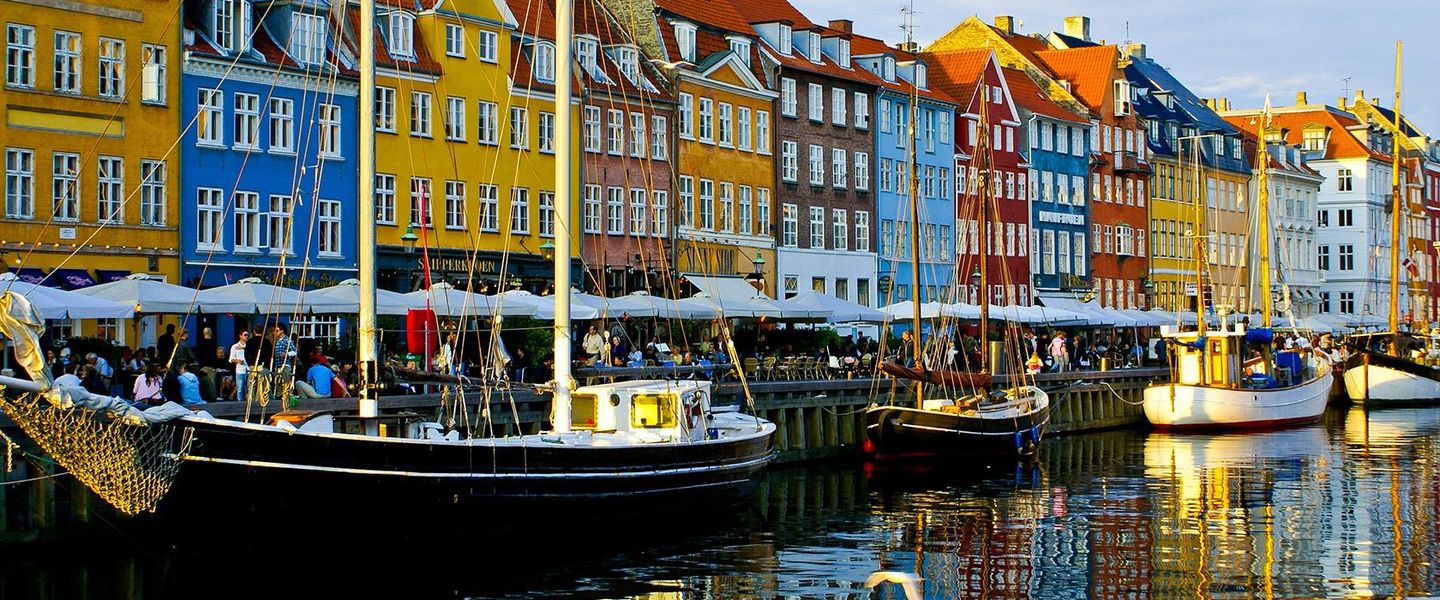


Discover the Copenhagen Region: A perfect mix of historic charm and modern vibrancy, offering scenic beauty, cultural landmarks, and a high quality of life.
Read more about Copenhagen Region
When is the best time to visit Copenhagen Region?
Best: June–August · 19–21°C| Month | High (°C) | Rainfall (mm) |
|---|---|---|
| January | 2 | 50 |
| February | 2 | 40 |
| March | 5 | 40 |
| April | 10 | 40 |
| May | 16 | 50 |
| June (best) | 19 | 60 |
| July (best) | 21 | 70 |
| August (best) | 20 | 70 |
| September | 17 | 60 |
| October | 13 | 50 |
| November | 8 | 50 |
| December | 4 | 50 |
Getting to and around Copenhagen Region
How to get there
Transportation
Top city travel guides in Copenhagen Region
The cities of Copenhagen Region, and the easiest places to base yourself.
-

-

-

-

-

-


Swipe for more cities
Best attractions in Copenhagen Region
Nestled along the sparkling waters of the Øresund Strait, Copenhagen Region is a captivating blend of historic charm and modern vibrancy, offering visitors a wealth of attractions to explore. Wander through the cobblestone streets of the picturesque Nyhavn, where colorful 17th-century buildings house cozy cafes and charming boutiques, or marvel at the architectural splendor of Rosenborg Castle, home to the Danish crown jewels. The Tivoli Gardens, one of the world's oldest amusement parks, promises enchanting rides and lush gardens, while the National Museum of Denmark unveils the nation's rich history from the Vikings to the present day. Don't miss the iconic Little Mermaid statue, a tribute to Hans Christian Andersen's beloved fairy tale, and take a leisurely stroll through the lush landscapes of the King's Garden or the serene Frederiksberg Gardens. For a taste of cutting-edge culture, the contemporary art at the Louisiana Museum of Modern Art and the striking design of the Copenhagen Opera House are sure to impress. With its seamless blend of old and new, Copenhagen Region offers a delightful array of experiences that cater to every traveler's curiosity and sense of adventure.
-
Theme park
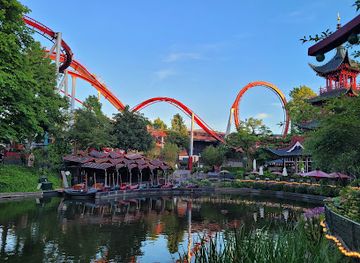
Tivoli Gardens
Fairytale lights, historic rides and lush gardens create Copenhagen’s most atmospheric amusement park, where concerts, flowers and fireworks share the stage.
-
Tourist attraction
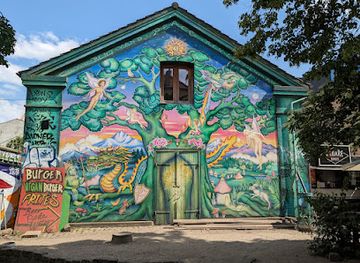
Christiania
A lakeside freetown of DIY houses, murals and counterculture, Christiania is Copenhagen’s most curious blend of commune, neighbourhood and living social experiment.
-
Castle
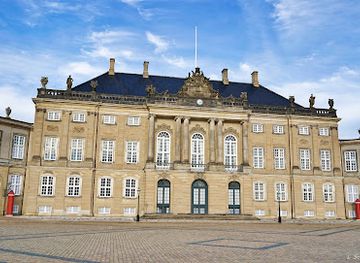
Amalienborg Palace
Home of the Danish royal family, Amalienborg Palace pairs working monarchy with rococo elegance, daily guard ceremonies and intimate museum interiors.
-
Tourist attraction
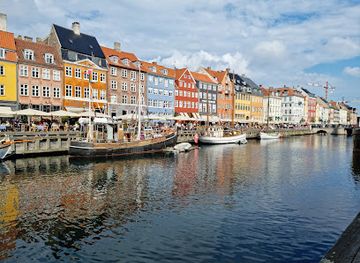
Nyhavn
Copenhagen’s classic harbour postcard: colourful 17th‑century houses, wooden ships and waterside cafés where maritime history meets modern hygge.
Best landmarks in Copenhagen Region
Copenhagen Region offers a captivating blend of history, culture, and architectural marvels that can enthrall any visitor. Begin your journey at the iconic Nyhavn harbor, where colorful 17th-century townhouses line the waterfront and lively cafés invite you to soak in the maritime atmosphere. Just a short walk away, the majestic Amalienborg Palace offers a glimpse into the Danish royal family's life, while the nearby Frederiks Kirke, also known as the Marble Church, impresses with its stunning rococo architecture and one of the largest domes in Europe. Art enthusiasts will relish a visit to the Louisiana Museum of Modern Art, set against the scenic backdrop of the Øresund coast, showcasing an extensive collection of contemporary works. For a taste of medieval history, the Rosenborg Castle, with its opulent rooms and the crown jewels on display, is a must-visit. Tivoli Gardens, one of the world's oldest amusement parks, enchants with its whimsical rides, lush gardens, and vibrant performances. Finally, the futuristic architecture of the Black Diamond, an extension of the Royal Danish Library, and the serene beauty of the King's Garden offer perfect bookends to your Copenhagen adventure.
-
Observatory
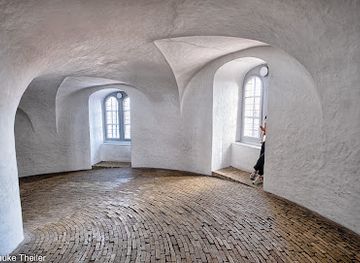
The Round Tower
Climb Denmark's most iconic spiral ramp for 360-degree views and four centuries of astronomical heritage.
-
 Sculpture
The Little Mermaid
Copenhagen’s most famous bronze mermaid, a small yet iconic storyteller of sea, longing and legend, watching over the harbor from her rock at Langelinie.
-
Plaza
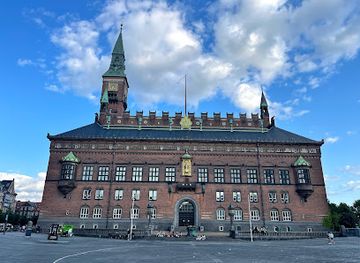
City Hall Square
Copenhagen's grand civic plaza where history, art, and urban energy converge beneath a soaring clock tower.
-
Plaza
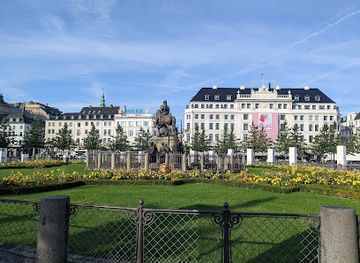
Kongens Nytorv
Copenhagen's grand historic plaza where royal heritage, world-class culture, and urban vitality converge in perfect harmony.
Explore Copenhagen Region on the map
Plan your trip on one map. See where the top cities, national parks and sights are, and book hotels and experiences in a few clicks.
Best hotels in Copenhagen Region
Best restaurants in Copenhagen Region
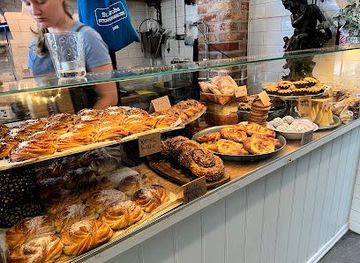
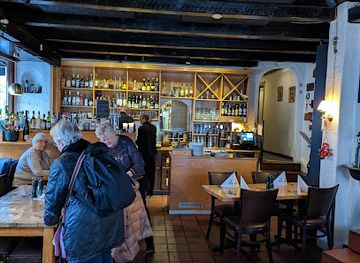
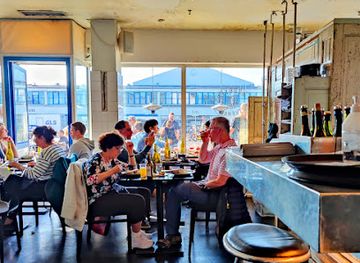
The culinary landscape of Copenhagen Region is a delightful tapestry of flavors and styles, where Michelin-starred restaurants, innovative street food markets, and cozy cafes coexist in harmony. Visitors can expect to indulge in New Nordic cuisine, which emphasizes fresh, locally-sourced ingredients and creative presentations, as well as a diverse array of international offerings that reflect the city's cosmopolitan spirit. From the historic Nyhavn harbor with its charming waterside eateries to the vibrant meatpacking district of Vesterbro, where trendy bistros and gourmet food stalls thrive, the region promises a gastronomic adventure at every turn. Don't miss the opportunity to explore the food halls such as Torvehallerne, where you can taste everything from traditional Danish smørrebrød to exotic global dishes, all under one roof.
-
Food court
Malmö Saluhall
A vibrant industrial‑chic food hall where Malmö’s local flavors, global street food and artisan producers come together under one historic brick roof.
-
Danish
Restaurant Karla
Authentic Danish smørrebrød and homestyle classics in cozy central Copenhagen.
-
Fine Dining
Høst
Nordic seasonal fine dining where harvest meets hospitality in intimate Copenhagen elegance.
-
Seafood
Kødbyens Fiskebar
Industrial-chic seafood and natural wines in Copenhagen’s Meatpacking District, where ultra-fresh Nordic catches meet raw concrete, candlelight and cosmopolitan buzz.

Best bars in Copenhagen Region
The nightlife scene of Copenhagen Region is a vibrant tapestry of eclectic experiences that cater to all tastes and moods. From the bustling bars of Nyhavn, where historic harbor views complement the lively atmosphere, to the chic cocktail lounges in Vesterbro, known for their innovative mixology and stylish ambiance, visitors are spoiled for choice. The district of Nørrebro offers an edgier vibe with its bohemian bars and underground clubs, perfect for those seeking unique local flavors and live music. Meanwhile, the elegant establishments in Frederiksberg provide a more refined nightlife experience, ideal for a sophisticated evening out. Whether you're in the mood for an intimate jazz performance, a high-energy dance club, or a cozy pub with craft beers, Copenhagen's nightlife is sure to enchant and entertain every visitor.
-
Pub
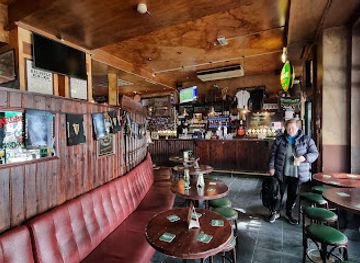
The Dubliner
Lively Irish pub energy on Copenhagen’s Amagertorv, serving hearty pub classics, well-poured pints, live music and big-screen sport in a cosy, wood-lined setting.
-
Bar
Taphouse
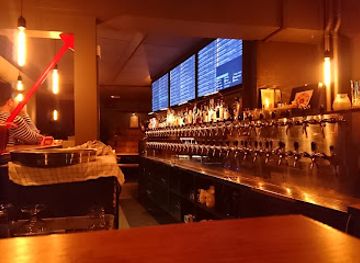
Copenhagen’s craft-beer temple with 61 ever-changing taps, Scandinavian minimalist interiors and a relaxed, conversation-friendly atmosphere off the city hall square.
-
Bar
Fermentoren
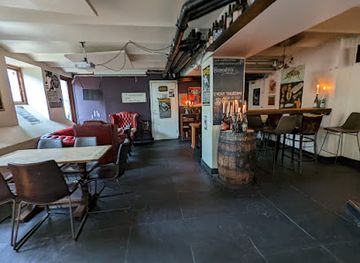
Candlelit cellar bar and bustling terrace in Vesterbro, where rotating craft taps, rock on the stereo and a friendly local crowd define Copenhagen beer culture.
-
Brewpub
BRUS
A buzzing Nørrebro brewpub where fresh tanks, inventive Nordic dishes and industrial-chic design come together in one lively, inclusive space.

Best nightclubs in Copenhagen Region
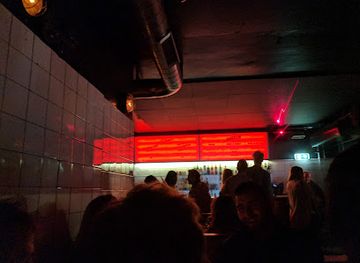
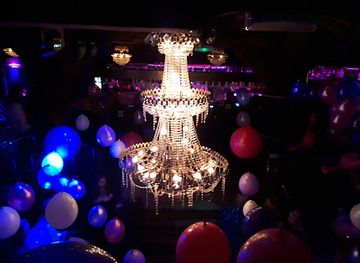
The nightlife scene of Copenhagen Region is a vibrant tapestry of eclectic experiences that cater to all tastes and moods. From the bustling bars of Nyhavn, where historic harbor views complement the lively atmosphere, to the chic cocktail lounges in Vesterbro, known for their innovative mixology and stylish ambiance, visitors are spoiled for choice. The district of Nørrebro offers an edgier vibe with its bohemian bars and underground clubs, perfect for those seeking unique local flavors and live music. Meanwhile, the elegant establishments in Frederiksberg provide a more refined nightlife experience, ideal for a sophisticated evening out. Whether you're in the mood for an intimate jazz performance, a high-energy dance club, or a cozy pub with craft beers, Copenhagen's nightlife is sure to enchant and entertain every visitor.
-
Night club
Culture Box
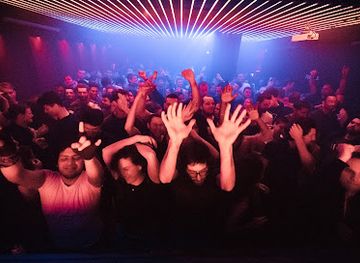
Copenhagen’s flagship underground club, where house and techno shake three intimate rooms from late-night Fridays to sunrise Saturdays under a clear attitude code.
-
Night club
Club Mambo
Copenhagen's premier Latin dance club where salsa rhythms, cocktails, and vibrant energy converge nightly.
-
Night club
Baggen
Industrial Kødbyen club with late-night beats, a compact dance floor and a mixed, open-minded crowd in the heart of Copenhagen’s Meatpacking nightlife.
-
Night club
Chateau Motel
Four stacked floors of music, bars, and late-night energy in the middle of Copenhagen’s old town, offering a different party mood on every level until dawn.
Best shops in Copenhagen Region
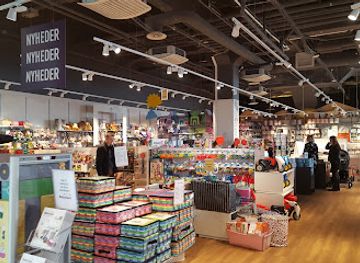
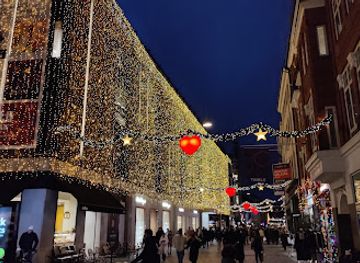
The shopping scene in Copenhagen Region is a vibrant tapestry of old-world charm and modern elegance, seamlessly blending historic boutiques with cutting-edge design stores. Strøget, one of the longest pedestrian streets in Europe, is a bustling artery where high-end international brands like Louis Vuitton and Prada share space with Danish design icons such as Georg Jensen and Royal Copenhagen. Venture into the quaint streets of Vesterbro and Nørrebro, and you'll discover a treasure trove of quirky vintage shops, independent fashion designers, and cozy cafes. The Torvehallerne food market is a must-visit, offering a sensory feast of local gourmet delights, fresh produce, and artisanal products. Whether you're hunting for the latest in Scandinavian fashion, unique antiques, or simply soaking up the lively atmosphere, Copenhagen's shopping scene promises a memorable and diverse experience.
-
Shopping mall
Fisketorvet Copenhagen Mall
Modern harborside mall with 120+ shops, a giant cinema, and a bustling food hall, bringing all-weather shopping and dining to Copenhagen’s inner waterfront.
-
Shopping mall
Field's
Scandinavia's premier shopping destination blending retail excellence, dining diversity, and family entertainment in Copenhagen's vibrant Ørestad.
-
Department store
Magasin du Nord
Copenhagen’s historic flagship department store, blending grand architecture, Nordic style, gourmet food and urban buzz on the edge of Kongens Nytorv.
-
Shopping mall
ILLUM
Five centuries of Nordic luxury shopping in Copenhagen's beating heart, where heritage meets haute couture.


Get your free copy of our complete guide to Copenhagen Region, delivered straight to you.
Everything on this page, from attractions and restaurants to essentials and local phrases, in one PDF you can read offline, print or share.
Already have an account? Sign in
Your Copenhagen Region guide is ready.
We'll send it to · Not you? Sign out

Getting your guide ready…
We are putting together a fresh copy of the Copenhagen Region guide. This can take up to a minute.
This can take a few moments. If your browser asks, choose Allow so the download can start. You'll find the guide in your Downloads folder.
Nothing happened? Download it again
Sorry, the guide is taking longer than usual. Please try again in a minute, or get it by email instead.
Copenhagen Region essentials
Currency and Payment
Safety
Emergency Situations
Do's and Don'ts
Local Tips
From Eve
Local phrases worth knowing
You don't need to get them perfect. A few words go a long way, and locals appreciate the effort.
Basics
| English | Local | Say it |
|---|---|---|
| Hello | Hej | [hay] |
| Goodbye | Farvel | [far-vel] |
| Yes | Ja | [yah] |
| No | Nej | [nai] |
| Please/You're welcome | Vær så venlig | [vair so ven-lee] |
| Thank you | Tak | [tahk] |
| Excuse me/Sorry | Undskyld | [oon-skuhl] |
| How are you? | Hvordan har du det? | [vor-den har do deh] |
| Fine. And you? | Fint. Og dig? | [feent. oh die] |
| Do you speak English? | Taler du engelsk? | [tay-ler do engelsk] |
| I don't understand | Jeg forstår ikke | [yai for-stor ee-keh] |
Eating & Drinking
| English | Local | Say it |
|---|---|---|
| I'd like to see the menu, please | Jeg vil gerne se menuen, tak | [yai vil gair-neh say meh-noo-en, tahk] |
| I don't eat meat | Jeg spiser ikke kød | [yai spee-ser ee-keh kuhth] |
| Cheers! | Skål! | [skawl] |
| I would like to pay, please | Jeg vil gerne betale, tak | [yai vil gair-neh beh-tah-leh, tahk] |
Emergencies
| English | Local | Say it |
|---|---|---|
| Help! | Hjælp! | [yelp] |
| Go away! | Gå væk! | [go vek] |
| Call the Police! | Ring til politiet! | [ring til po-li-ti-et] |
| Call a doctor! | Ring til en læge! | [ring til en lay-eh] |
| I'm lost | Jeg er faret vild | [yai air far-et vil] |
| I'm ill | Jeg er syg | [yai air soo-ee] |
Shopping
| English | Local | Say it |
|---|---|---|
| I'd like to buy... | Jeg vil gerne købe... | [yai vil gair-neh kuh-beh] |
| I'm just looking | Jeg kigger bare | [yai kee-ger bar-eh] |
| How much is it? | Hvor meget koster det? | [vor mai-ehd kos-ter deh] |
| That's too expensive | Det er for dyrt | [deh air for dyrt] |
| Can you lower the price? | Kan du sænke prisen? | [kan do sen-keh pree-sen] |
Time & Numbers
| English | Local | Say it |
|---|---|---|
| What time is it? | Hvad tid er det? | [vadh til air deh] |
| It's one o'clock | Det er et klokkeslæt | [deh air it klok-keh-slet] |
| Half past (10) | Halv efter (10) | [halv ef-ter (10)] |
| Morning | Morgen | [mor-en] |
| Afternoon | Eftermiddag | [ef-ter-mi-dahg] |
| Evening | Aften | [af-ten] |
| Yesterday | I går | [ee gor] |
| Today | I dag | [ee day] |
| Tomorrow | I morgen | [ee mor-en] |
| 1 | 1 | [1] |
| 2 | 2 | [2] |
| 3 | 3 | [3] |
| 4 | 4 | [4] |
| 5 | 5 | [5] |
| 6 | 6 | [6] |
| 7 | 7 | [7] |
| 8 | 8 | [8] |
| 9 | 9 | [9] |
| 10 | 10 | [10] |
Transport & Directions
| English | Local | Say it |
|---|---|---|
| Where's a/the...? | Hvor er en...? | [vor air en] |
| What's the address? | Hvad er adressen? | [vadh air a-dres-sen] |
| Can you show me (on the map)? | Kan du vise mig (på kortet)? | [kan do vee-seh mai (po kort-et)] |
| When's the next (bus)? | Hvornår går den næste (bus)? | [vor-nor gor den nes-te (bus)] |
| A ticket (to ....) | En billet (til ....) | [en bee-let (til)] |
History of Copenhagen Region
The Founding of Copenhagen
Copenhagen, originally a Viking fishing village known as 'Havn,' was officially founded in the 12th century by Bishop Absalon. He built a fortress on the island of Slotsholmen in 1167, which laid the foundation for the modern city.
The Hanseatic League and Trade Dominance
During the late Middle Ages, Copenhagen became a significant trading hub due to its strategic location. It became a member of the Hanseatic League, which boosted its economy and established it as a vital commercial center in Northern Europe.
The Reformation and Religious Shift
In the early 16th century, Denmark, including Copenhagen, underwent the Protestant Reformation. King Christian III established Lutheranism as the state religion in 1536, which led to significant religious and cultural changes in the region.
The Danish-Swedish Wars
Copenhagen played a central role in the numerous conflicts between Denmark and Sweden during the 17th century. The city was besieged by Swedish forces during the Torstenson War and later during the Second Northern War, leading to significant fortifications being built.
The Great Fire of 1728
One of the most devastating events in Copenhagen's history was the Great Fire of 1728, which destroyed nearly a third of the city. The fire led to extensive rebuilding efforts and the modernization of the city's architecture.
The Age of Enlightenment and Cultural Flourishing
The 18th century marked a period of cultural and intellectual growth in Copenhagen. The city became a center for the arts, science, and philosophy, influenced by the European Enlightenment. Institutions like the Royal Danish Academy of Sciences and Letters were established.
The British Bombardment of 1807
During the Napoleonic Wars, Copenhagen was bombarded by the British Navy in 1807. This event, known as the Battle of Copenhagen, led to significant destruction and the eventual surrender of the Danish fleet to the British.
Industrialization and Urban Expansion
The 19th century saw rapid industrialization and urban expansion in Copenhagen. The introduction of railways, the growth of factories, and the development of new residential areas transformed the city into a modern metropolis.
World War II and Occupation
During World War II, Copenhagen was occupied by Nazi Germany from 1940 to 1945. The city experienced significant hardship during the occupation, but also saw acts of resistance, including the famous rescue of Danish Jews in 1943.
Post-War Modernization
After World War II, Copenhagen underwent significant modernization and reconstruction. The city expanded its infrastructure, developed new residential and commercial areas, and became a leading center for design, architecture, and culture in Scandinavia.
Modern-Day Copenhagen
Today, Copenhagen is known for its high quality of life, innovative urban design, and vibrant cultural scene. It continues to be a major economic, political, and cultural hub in Denmark and the wider Nordic region.
Copenhagen Region in Photos
Browse through our photo collection highlighting the charm and character of the destination.
Neighbouring regions of Copenhagen Region
The closest regions to Copenhagen Region, if you have time for more than one.
-

-
-
-

-


Swipe for more regions
Explore more

Explore more of Denmark
Discover Denmark: A perfect blend of history, modern design, and the cozy concept of hygge. Explore vibrant cities, serene landscapes, and world-class cuisine.
Explore Denmark