
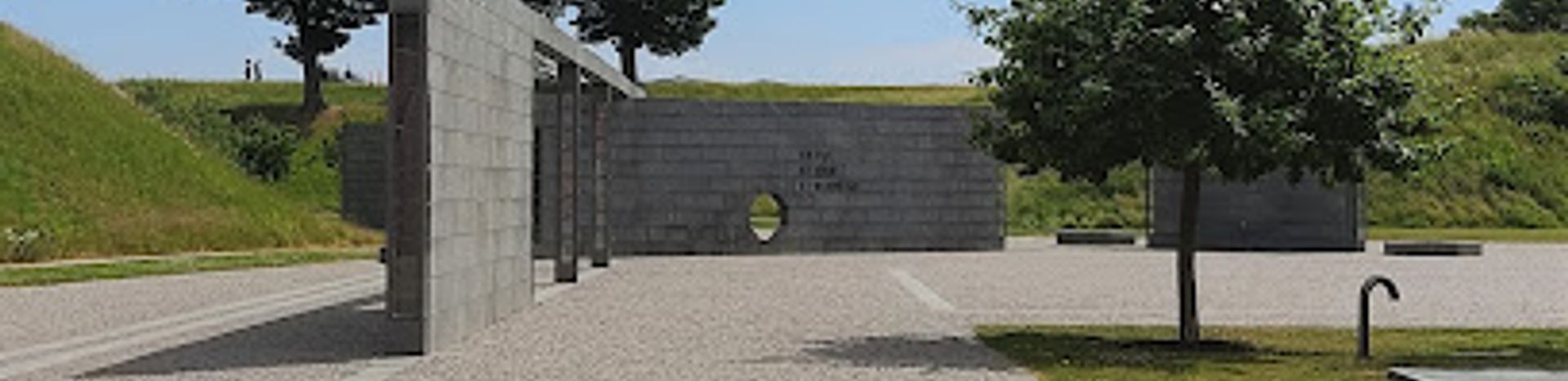
Monument to Denmark's International Activities after 1948, Kastellet
A quiet, contemporary memorial within Copenhagen’s star-shaped fortress, honoring Denmark’s post‑1948 international missions with flame, stone and thoughtful space.
Tucked within Copenhagen’s star-shaped fortress of Kastellet, the Monument to Denmark's International Activities after 1948 is a sober, contemporary memorial honoring Danes who have served in international missions since the Second World War. Set amid grassy ramparts, historic barracks and a working military base, the monument combines an eternal flame, engraved names and a contemplative plaza that invites quiet reflection on Denmark’s global engagement and the personal cost of peacekeeping and overseas operations.
A brief summary to Monument to Denmark's international activities after 1948
- Kastellet, Copenhagen, København Ø, 2100, DK
- Visit website
- Duration: 0.5 to 1.5 hours
- Free
-
 Outdoor
- Mobile reception: 5 out of 5
- Monday 12 am-12 am
- Tuesday 12 am-12 am
- Wednesday 12 am-12 am
- Thursday 12 am-12 am
- Friday 12 am-12 am
- Saturday 12 am-12 am
- Sunday 12 am-12 am
Local tips
- Plan at least 20–30 minutes to read the inscriptions slowly; the monument spans many decades and international missions.
- Come in the early morning or late afternoon for a more contemplative atmosphere and softer light on the stone surfaces.
- Combine a visit with a full walk around Kastellet’s ramparts to better understand the contrast between historic defences and modern missions.
- Dress for wind and changeable weather; the monument is outdoors and relatively exposed despite the surrounding ramparts.

For the on-the-go comforts that matter to you
- Restrooms
- Seating Areas
- Trash Bins
- Information Boards
Getting There
-
City train and short walk
From central Copenhagen, take an S-train to Østerport Station, a major hub a short distance from Kastellet. Trains run frequently throughout the day and the ride from the main station typically takes 5–10 minutes. From Østerport it is an easy 10–15 minute walk along level pavements to the fortress gates and into the citadel, suitable for most visitors with basic mobility. A standard city zone ticket is usually in the range of 20–30 DKK one way, and the route operates year-round.
-
City bus from central areas
Several city bus lines connect central Copenhagen with the Kastellet area, stopping near the fortress in approximately 10–20 minutes depending on traffic and starting point. Buses generally run every few minutes in daytime and less frequently in the evening. Expect to pay around 20–30 DKK for a single ticket within the city fare zones. Most buses are low-floor and accessible, though they can be crowded at commuter times, so allow extra time if you prefer to travel seated.
-
Bicycle from inner Copenhagen
Copenhagen’s extensive cycle lanes make biking to Kastellet straightforward. From the inner city, the ride typically takes 10–20 minutes on largely flat, well-marked routes. You can use a rented city bike or a hotel bike; typical short-term rentals range from about 100–200 DKK per day depending on the provider. Be aware that cycle traffic can be dense at peak hours and you will need to park your bicycle outside the main walkways of the citadel before exploring the monument on foot.
Monument to Denmark's international activities after 1948 location weather suitability
-
 Clear Skies
-
 Mild Temperatures
-
 Cold Weather
-
 Any Weather
Discover more about Monument to Denmark's international activities after 1948
A contemporary memorial in a 17th‑century fortress
Inside the earthwork walls of Kastellet, Copenhagen’s remarkably preserved star-shaped citadel, this monument provides a strikingly modern counterpoint to centuries of military history. Here, where bastions, moats and red barracks once guarded the city from invasion, the focus shifts from defence of the homeland to Denmark’s role far beyond its borders. The Monument to Denmark's International Activities after 1948 sits in a carefully designed plaza that feels both open and enclosed. Clean lines, pale stone and simple landscaping frame the memorial, allowing the surrounding ramparts and historic buildings to remain ever-present in the background. It is a deliberate dialogue between past and present: an old fortress now sheltering a space devoted to global engagement, peacekeeping and international operations.Architecture of remembrance and the eternal flame
The core of the site is an elegant composition of walls, steps and an eternal flame. Low stone surfaces form a gently tiered amphitheatre, guiding you down into the heart of the memorial and away from the bustle of joggers and dog walkers circling Kastellet. The materials are contemporary but restrained, designed to age gracefully in Denmark’s maritime climate. Names of the fallen are inscribed in orderly rows, their uniform lettering contrasting with the individuality of each story represented. The flame burns continuously, a small but insistent point of light that draws the eye even on grey days. At night or in winter dusk it becomes the visual anchor of the entire space, flickering against stone and casting long shadows that heighten the quiet, contemplative mood.Honouring Denmark’s post‑1948 international missions
Unlike older war memorials that focus on world wars or specific historic battles, this monument is dedicated to Denmark’s international activities from 1948 onwards. That span includes peacekeeping under the United Nations, NATO operations, humanitarian deployments and other missions where Danish soldiers, police and civilians have served abroad. Panels and inscriptions emphasize the continuity of service across generations rather than a single conflict. The dates and locations etched into stone trace an arc from Cold War tensions to more recent operations, underlining how a small country has repeatedly taken on roles far from northern Europe. The memorial does not dramatize these missions; instead, it offers a sober accounting of commitment and loss over many decades.The Commander’s House and symbolic surroundings
Just beside the monument stands the historic Commander’s House, a yellow Baroque residence that once housed Kastellet’s commanding officer and now functions as an information center related to the memorial. Its classical proportions, red-tiled roof and ornate pediment provide a stately backdrop and a reminder of the fortress’s long chain of command. Around the site, the grassy slopes of the bastions, the windmill on the ramparts and the neat red barracks underline that this is still an active military area as well as a public park. Flags, uniforms and occasional ceremonial events lend a sense of continuity between the soldiers remembered here and those currently serving. Yet the monument itself remains resolutely civilian in feel: a place to sit, read, and think rather than a parade ground.Moments of quiet in Copenhagen’s green lung
Although Kastellet attracts walkers, runners and sightseers, the memorial area is designed to absorb visitors without losing its intimacy. Benches and broad steps invite you to pause, perhaps listening to the muffled sounds of the city and the gulls over the harbor. On windy days, the flame seems more fragile; on bright summer mornings, the pale stone glows and the setting feels almost garden-like. Because entry to Kastellet is free and the grounds are open long hours, the monument is accessible for brief visits or lingering contemplation. It works equally well as a thoughtful stop within a longer circuit of the citadel or as a focused visit for those drawn specifically to contemporary history and commemoration. Even a short time here offers a clear sense of how Denmark frames its modern military and humanitarian commitments: not in triumphal terms, but through a carefully crafted place of memory and reflection.For the vibe & atmosphere seeker
- Tranquil
- Scenic
- Unique
- Relaxing
For the design and aesthetic lover
- Minimalist Designs
- Modern Designs
For the architecture buff
- Historic
- Landmarks
- Sacred Sites
For the view chaser and sunset hunter
- Iconic Views
For the social media creator & influencer
- Photo Spots
- Architectural Shots
- Instagrammable
For the eco-conscious traveler
- Low Impact
- Public-Transport Accessible
For the kind of experience you’re after
- Cultural Heritage
- Photowalk
- Day Trip
- Mindfulness
For how adventurous you want the journey to be
- Easy Access
Location Audience
- Family Friendly
- Senior Friendly
- Child Friendly
- Teen Friendly
- Solo Friendly
- Couple Friendly
- Solo Female Friendly
- Vegetarian Friendly
- Vegan Friendly


