l’Alsace Travel Guide
Free Guide: Old‑world French–Alsatian charm, generous classic dishes and a serious wine list tucked into a historic courtyard in the very heart of central Copenhagen.


A brief summary of l’Alsace
Old‑world French–Alsatian charm, generous classic dishes and a serious wine list tucked into a historic courtyard in the very heart of central Copenhagen.
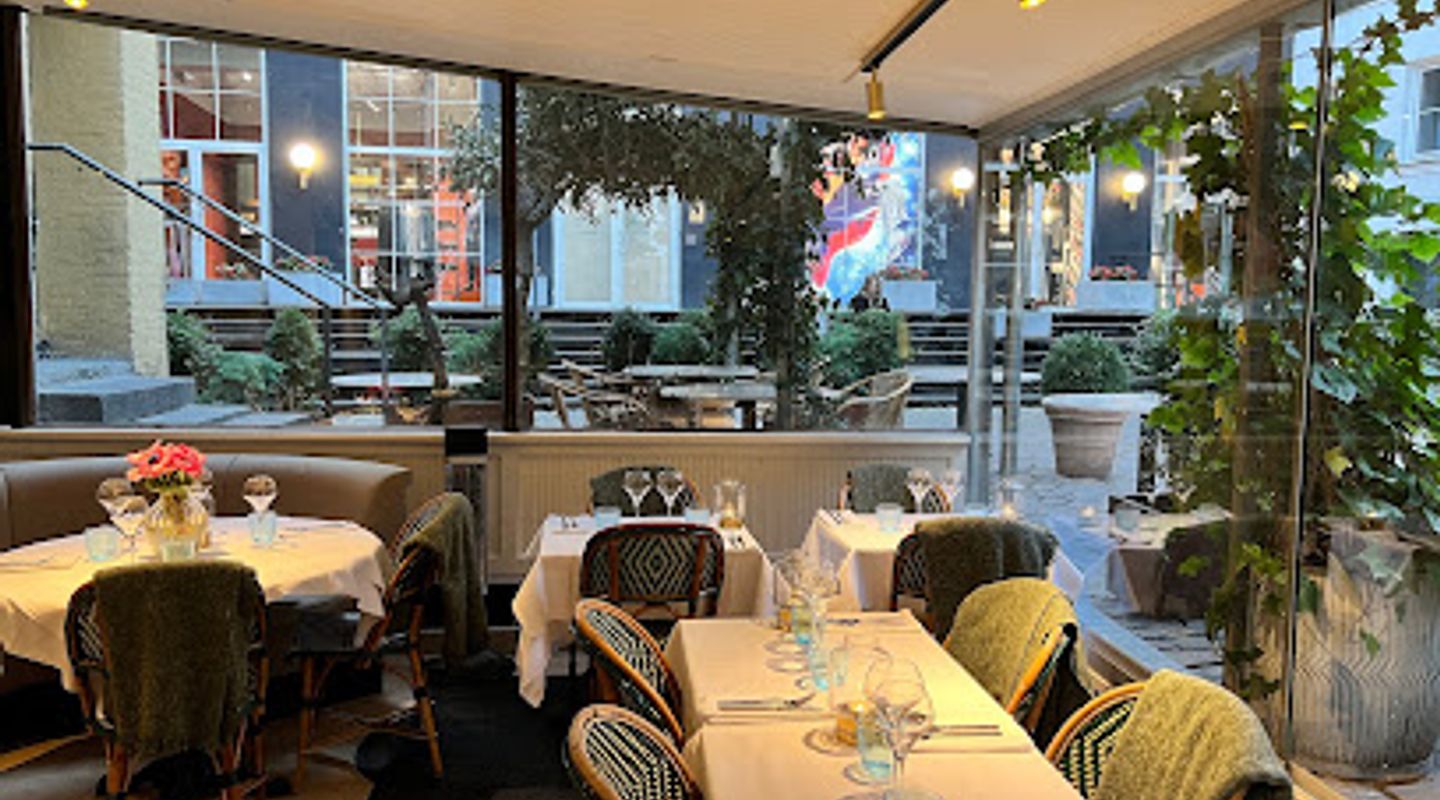
Tucked into a historic courtyard on Ny Østergade in central Copenhagen, Restaurant L’Alsace brings the warm, wood‑panelled charm of a French–Alsatian brasserie to the Danish capital. Expect classic French and Alsace dishes such as flammekueche, foie gras, rich fish soups, veal and game, alongside a serious wine list with a soft spot for Austria. With white tablecloths, candlelight and closely spaced tables, it is an intimate, grown‑up spot for long lunches and unhurried dinners in the heart of the old town.
On-site amenities
 Restrooms
 Drink options
 Food options
 Seating areas
Opening hours
- Mon–Sat11:30 am–12 am
- SunClosed
Opening hours as listed on the venue’s Google Business Profile. Hours can change for services and special events, so check with the venue before you go.
- Address
- Ny Østergade 9, 1101 København K
- Phone
- Website
Getting there
Metro
Bus
Bicycle
Taxi
Discover more about l’Alsace
Alsatian soul in Copenhagen’s old town
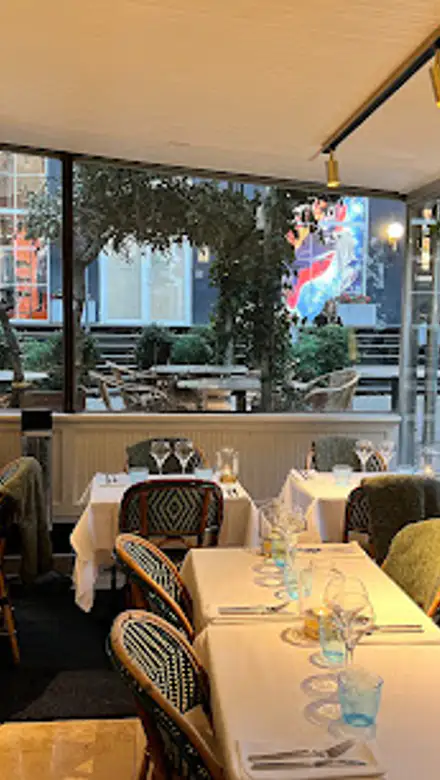
Restaurant L’Alsace lies at the foot of one of Copenhagen’s oldest timber‑framed courtyards, just off fashionable Strøget, yet it feels pleasantly tucked away from the main shopping flow. Step through the entrance and you trade sleek Scandinavian minimalism for the darker, more cocooning ambience of a traditional French dining room. Wood details, framed prints and low, flattering light create a quietly old‑world setting that feels made for conversation and slow meals rather than quick bites.Tables are dressed with crisp linens and proper stemware, conveying a sense of occasion without tipping into stiffness. In summer, a handful of outdoor tables appear in the courtyard, bringing a continental feel to this corner of central Copenhagen, while colder months draw the focus indoors, where the room’s glow contrasts atmospherically with the cool Danish streets outside.
Classic French and Alsatian flavours
The kitchen takes its cues from the traditional brasseries of eastern France, with a menu that leans into comfort and depth of flavour. Flammekueche – the ultra‑thin, crisp Alsatian tart – often appears alongside French staples such as foie gras, onion‑rich fish soups, sole meunière, veal and slow‑cooked beef. Cream, butter and careful reductions are embraced rather than avoided, giving the food a rich, satisfying profile that suits Copenhagen’s long, cool evenings.Seafood plays a prominent role, from poached turbot and halibut to lobster and oysters when in season, prepared in a way that foregrounds classic sauces and precise cooking. Desserts keep to the same bistro spirit: tart fruits, mousses, sorbets and chocolate‑leaning finales that pair naturally with coffee or a digestif. Portions tend to be generous rather than dainty, rewarding those who come hungry.
A serious wine list with Austrian highlights
Wine is central to the experience at L’Alsace. Beyond the expected French regions, the cellar has long shown a particular fondness for Austria, making it an excellent address for exploring Grüner Veltliner, Riesling and more generous aromatic whites such as Gewürztraminer. These wines work especially well with the region’s richer dishes, from foie gras to cream‑based fish preparations.By‑the‑glass options are thoughtfully chosen, allowing you to match each course without committing to a full bottle. Classic Burgundy and Bordeaux styles are represented, but there is also space for lighter, modern European reds that suit diners who prefer a more delicate pairing with fish or veal. Staff are generally well‑versed in the list and able to guide those less familiar with Alsatian or Austrian labels.
Atmosphere of unhurried hospitality
L’Alsace is very much a sit‑down restaurant for lingering. Lunch service caters to both business diners and relaxed shoppers from the nearby streets, while evenings tilt more towards couples, small groups of friends and celebratory gatherings. The pace tends to be unhurried: courses follow one another with a comfortable rhythm that encourages you to settle in for several hours rather than rush through a single plate.The setting suits those who appreciate attentive but low‑key service, the clink of glasses and the hum of Danish and international conversations at closely spaced tables. It feels decidedly adult, though well‑behaved children are not out of place, especially at lunchtime. The combination of classic cooking, warm lighting and a sheltered location in one of the city’s oldest courtyards gives the restaurant an almost time‑out‑of‑time quality.
Planning your visit
Prices reflect its central address and carefully sourced ingredients; this is firmly an upscale choice rather than an everyday canteen. Fixed‑price menus are often available at lunch and in the evening, providing a structured way to experience the kitchen’s range, while an à la carte selection lets you focus on particular favourites, whether flammekueche, fish or meat.The restaurant is typically open for both lunch and dinner from Monday to Saturday, staying open until around midnight, and is usually closed on Sundays. Smart‑casual dress fits the tone: there is no formal code, but many guests opt for polished, city‑evening attire. Given the intimate size of the dining room and its central location in Copenhagen’s old town, advance reservations are strongly recommended, especially for Friday and Saturday nights or for larger parties hoping to make an evening of it.
Evendo Review Centre
 Google
Guest reviews
Best time to go
Quietest: Jan, Feb & Mar · at 2am or at 9am or at 10am
Busy times are Evendo estimates for a typical year, to help you plan. Actual crowds vary with events, school holidays and the weather.
Explore l’Alsace on the map
A handpicked selection of must-see spots near l’Alsace, mapped for you.
Get your free copy of our complete guide to l’Alsace, delivered straight to you.
Everything on this page, from opening hours and how to get there to Eve’s tips and the best time to go, in one PDF you can read offline, print or share.
Already have an account? Sign in
Your l’Alsace guide is ready.
We'll send it to · Not you? Sign out

Getting your guide ready…
We are putting together a fresh copy of the l’Alsace guide. This can take up to a minute.
This can take a few moments. If your browser asks, choose Allow so the download can start. You'll find the guide in your Downloads folder.
Nothing happened? Download it again
Sorry, the guide is taking longer than usual. Please try again in a minute, or get it by email instead.
Other nearby places you may find interesting
The closest places of the same kind, if this one is not quite what you had in mind.
-
Alchemist A former Copenhagen shipyard reborn as a 2‑Michelin‑star culinary theatre, where dozens of avant‑garde impressions unfold beneath a vast immersive dome.
-
Restaurant Karla Authentic Danish smørrebrød and homestyle classics in cozy central Copenhagen.
-
Restaurant Puk Historic Copenhagen cellar restaurant serving hearty smørrebrød and classic Danish‑French comfort food beside a charming courtyard fountain.
-
Restaurant Tight Nordic flavors with a sunny twist served in a brick-and-beam townhouse hideaway just off Strøget, blending cosy character, creative plates and a serious bar.
-
Marv & Ben Bib Gourmand New Nordic dining in a cosy two-floor apartment on cobbled Snaregade, where seasonal local produce, pickling and polished wines meet intimate charm.
Swipe for more places
More to explore near l’Alsace

 Best experiences near l’Alsace
 Best hotels near l’Alsace
 Best bars near l’Alsace
Do you manage this location?
Take control to get all the benefits, like improved information, better appearance, and stronger visibility across AI-powered discovery.
Explore more
Explore more of Copenhagen Region
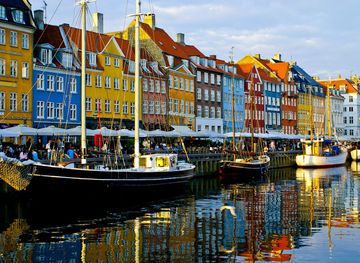
Discover the Copenhagen Region: A perfect mix of historic charm and modern vibrancy, offering scenic beauty, cultural landmarks, and a high quality of life.
Explore Copenhagen Region
Explore more of Denmark
Discover Denmark: A perfect blend of history, modern design, and the cozy concept of hygge. Explore vibrant cities, serene landscapes, and world-class cuisine.
Explore Denmark