

Amagertorv, Copenhagen Travel Guide
Free Guide: Copenhagen’s historic Amagertorv blends medieval market roots, elegant facades and the Stork Fountain into a lively crossroads at the heart of the Strøget pedestrian zone.


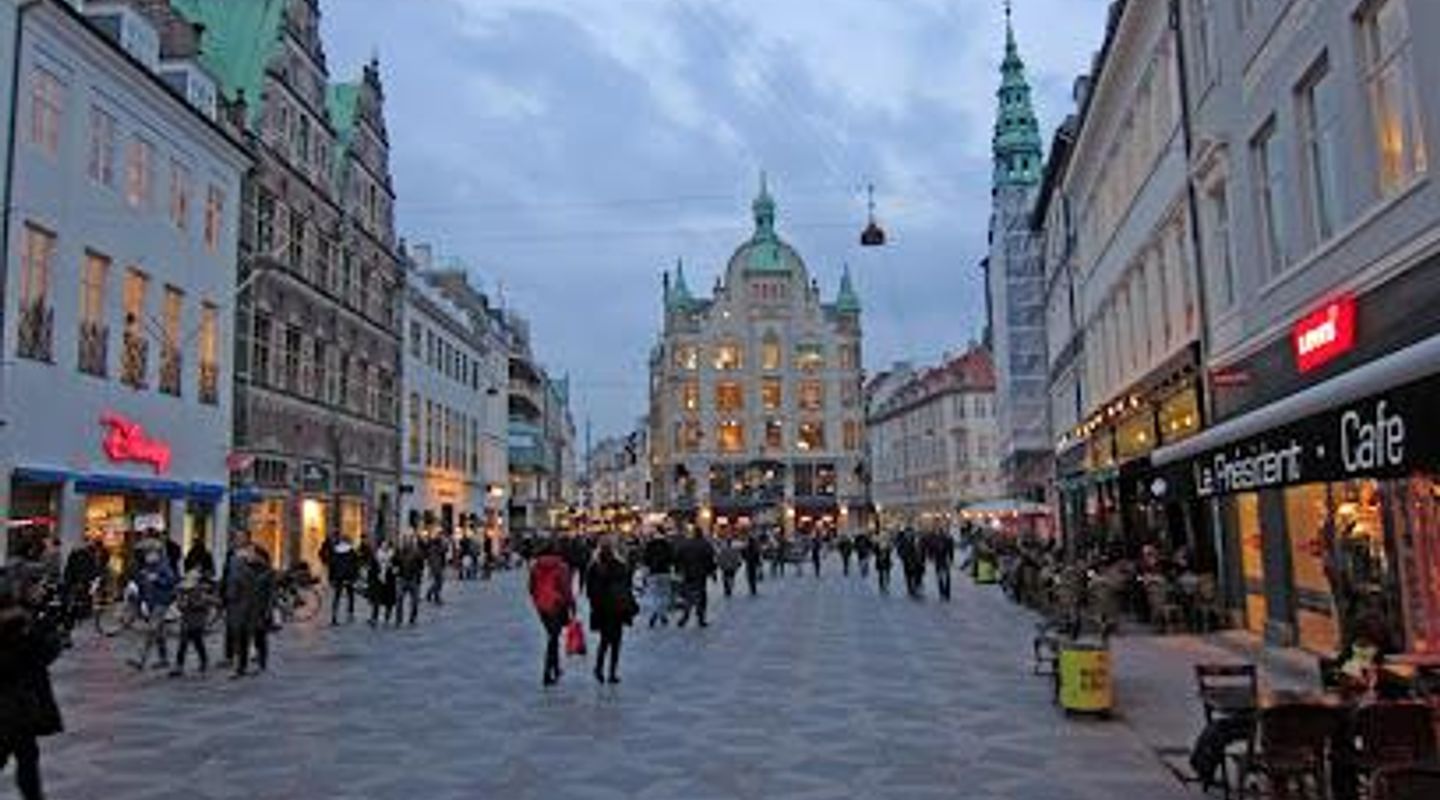
A brief summary of Amagertorv
Copenhagen’s historic Amagertorv blends medieval market roots, elegant facades and the Stork Fountain into a lively crossroads at the heart of the Strøget pedestrian zone.
Amagertorv is a historic triangular square at the very heart of Copenhagen’s Strøget pedestrian zone, where centuries of trade and civic life meet top-tier shopping and café culture. Once a bustling marketplace for farmers from nearby Amager, today it is framed by ornate Renaissance and historicist facades, crowned by the elegant Stork Fountain, and used as a natural meeting point and people‑watching spot amid the city’s busiest shopping streets.
On-site amenities
 Restrooms
 Drink options
 Drinking water
 Food options
 Seating areas
 Sheltered areas
 Trash bins
 Information boards
 Visitor centre
- Address
- Copenhagen
Getting there
Metro from central Copenhagen hubs
City bus to the inner city
Cycling through the old town
Walking within the central district
Discover more about Amagertorv
From Medieval Marketplace to City Crossroads
Amagertorv has been a focal point of Copenhagen since the Middle Ages, when it served as the main marketplace for farmers sailing in from the nearby island of Amager. The name reflects that origin: “Amager” for the island and “torv” meaning square. Over time, the open trading ground evolved into a paved urban space, but it never lost its role as a natural gathering place at the heart of the city.The square’s distinctive triangular layout dates back many centuries and still shapes the way people flow through the area. Today, two of Copenhagen’s primary pedestrian shopping arteries branch off here, making Amagertorv both a symbolic and literal crossroads between past and present.
Architecture Framing the Square
The edges of Amagertorv are lined with some of Copenhagen’s most characterful facades. Renaissance-era buildings such as the Mathias Hansen House, with its Dutch gables and decorative copper details, recall the city’s prosperous merchant past. Nearby, richly ornamented historicist townhouses add layers of 19th‑century flair.Mixed among these heritage fronts are refined shop interiors and flagship stores, including the famed porcelain house Royal Copenhagen, which occupies one of the oldest surviving buildings in the area. The blend of centuries-old architecture and modern retail showcases how the city has adapted its historic fabric to contemporary life without losing its sense of place.
The Stork Fountain as Centerpiece
At the core of the square stands the bronze Stork Fountain, an elegant composition of three storks poised as if about to take flight. Erected in the 1890s as a gift to a royal couple on their silver wedding anniversary, it quickly became a local landmark. Its basin and sculpted birds create a visual focus that anchors the open space around it.The fountain also functions as an informal meeting spot and backdrop for photographs. Seasonal decorations and occasional small happenings often cluster nearby, underscoring its role as a stage set within the wider streetscape of Strøget.
Daily Rhythm on Strøget’s Beating Heart
From morning until evening, Amagertorv pulses with movement. Office workers stride across the cobbles, shoppers drift between international brands and Danish design houses, and street performers sometimes add music or mime to the scene. Café terraces spill onto the square in warmer months, inviting lingering over coffee while watching the steady flow of pedestrians.Despite the bustle, the square can feel surprisingly intimate. Slight variations in level, the protective ring of buildings, and the presence of the fountain all help define human‑scale pockets where you can pause, orient yourself and decide which of the branching streets to explore next.
Layers of History Beneath the Cobblestones
Amagertorv has witnessed fires, bombardments and waves of reconstruction. Devastating blazes in the late 18th century reshaped much of the surrounding quarter, leading to the broader streets and more fire‑conscious urban form visible today. Yet the basic outline of the square and its function as a trading and social hub remained intact.Traces of different eras are still legible in rooflines, window details and ground-floor uses, offering a compact lesson in Copenhagen’s urban history. Standing here, it is easy to imagine the progression from open-air food market and chivalric tournaments to modern pedestrian shopping zone.
Experiencing Amagertorv Today
For visitors, Amagertorv is both orientation point and destination. It makes a convenient pause on a walk along Strøget, with benches, low steps and nearby cafés providing places to sit. Photographers are drawn to the harmonious facades and lines of sight down the converging streets, particularly in the soft light of late afternoon.Whether you stay a short while or use it as a base to explore the inner city, the square offers a succinct snapshot of Copenhagen’s character: maritime roots, mercantile energy, a taste for design and an enduring enjoyment of public space.
Evendo Review Centre
 Google
Guest reviews
Best time to go
Quietest: Jan, Feb & Mar · before 8am
Busy times are Evendo estimates for a typical year, to help you plan. Actual crowds vary with events, school holidays and the weather.
Explore Amagertorv on the map
A handpicked selection of must-see spots near Amagertorv, mapped for you.
Get your free copy of our complete guide to Amagertorv, delivered straight to you.
Everything on this page, from opening hours and how to get there to Eve’s tips and the best time to go, in one PDF you can read offline, print or share.
Already have an account? Sign in
Your Amagertorv guide is ready.
We'll send it to · Not you? Sign out

Getting your guide ready…
We are putting together a fresh copy of the Amagertorv guide. This can take up to a minute.
This can take a few moments. If your browser asks, choose Allow so the download can start. You'll find the guide in your Downloads folder.
Nothing happened? Download it again
Sorry, the guide is taking longer than usual. Please try again in a minute, or get it by email instead.
Unlock the best of Amagertorv
Skip-the-line tickets, guided tours with entry, and walking tours of the area, booked in a few clicks.
 Tour with entry
Small group 3-hour walking tour in Copenhagen
from $50.59 Tour with entry
Best of Copenhagen: Small Group Walking Tour (Max 10, 3 Hours)
from $63.96 Tour with entry
Best of Copenhagen: Private Walking Tour (3 Hours)
from $390.13 Tour with entry
Best of Copenhagen : Private Biking Tour (3 Hours)
from $455.15

Other nearby places you may find interesting
The closest places of the same kind, if this one is not quite what you had in mind.
-
-

-
-
-


Swipe for more places
More to explore near Amagertorv

 Best experiences near Amagertorv
 Best hotels near Amagertorv
 Best landmarks near Amagertorv
 Best attractions near Amagertorv
 Best shops near Amagertorv
 Best restaurants near Amagertorv
 Best bars near Amagertorv
Do you manage this location?
Take control to get all the benefits, like improved information, better appearance, and stronger visibility across AI-powered discovery.
Explore more

Explore more of Copenhagen
Discover Copenhagen: A perfect blend of history, modernity, and vibrant culture, where picturesque canals, stunning architecture, and world-class dining await you.
Explore Copenhagen
Explore more of Denmark
Discover Denmark: A perfect blend of history, modern design, and the cozy concept of hygge. Explore vibrant cities, serene landscapes, and world-class cuisine.
Explore Denmark
