Copenhagen City Hall, Copenhagen Travel Guide
A towering National Romantic landmark where Copenhagen’s civic life, intricate craftsmanship and sky‑high city views come together on bustling Rådhuspladsen.
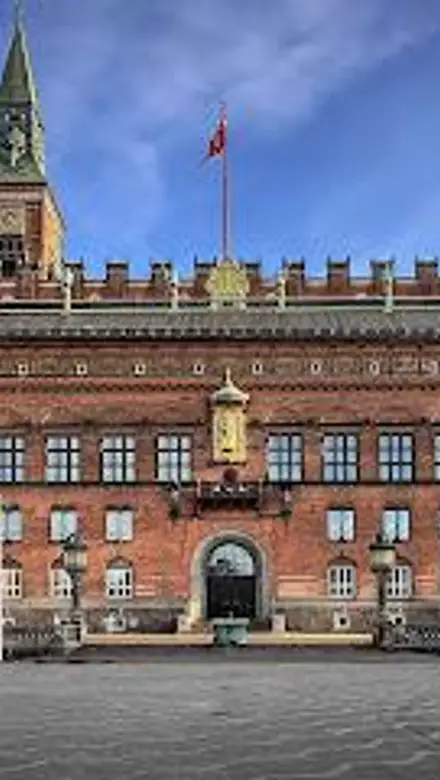
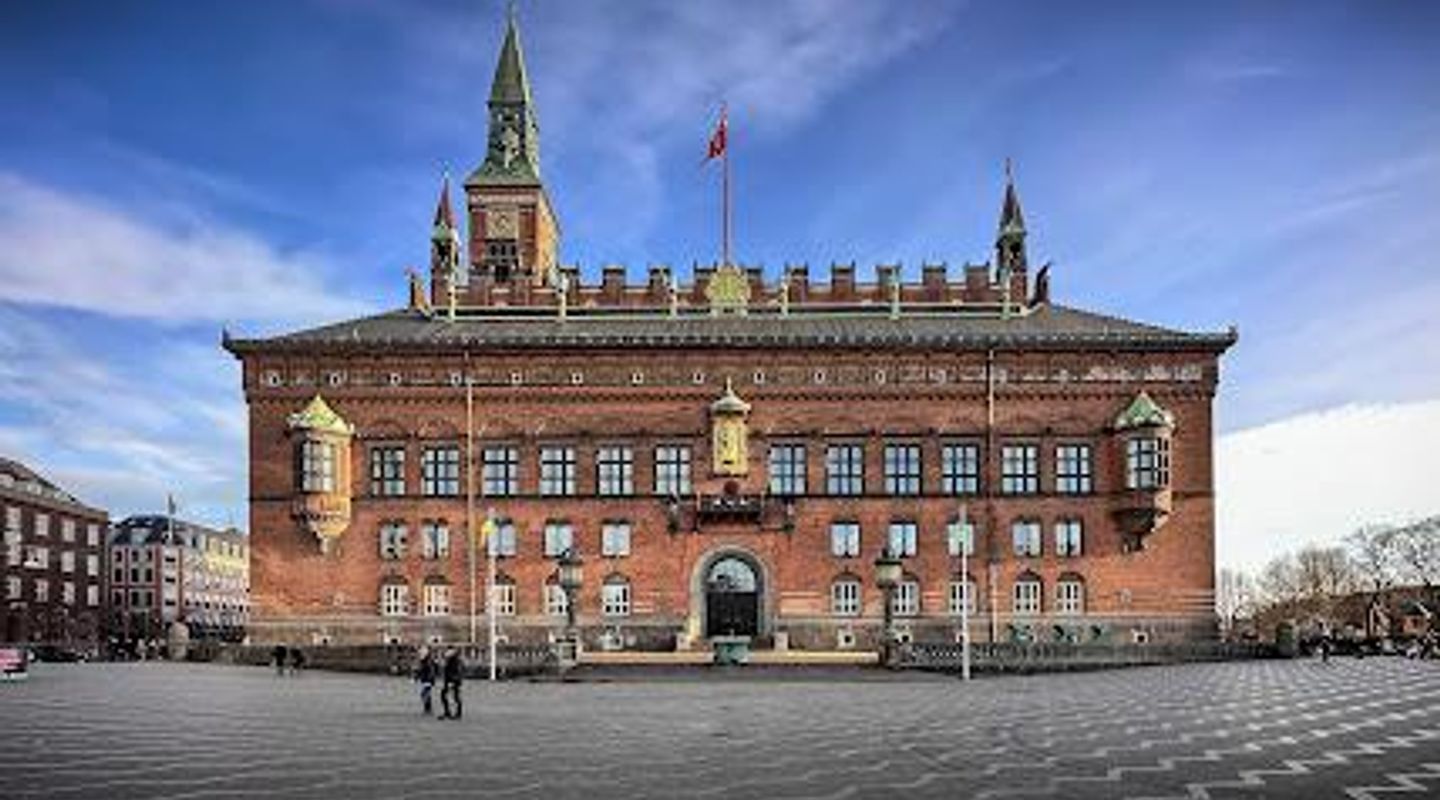
Commanding one end of bustling Rådhuspladsen, Copenhagen City Hall is a red‑brick National Romantic landmark that doubles as both the city’s political heart and a free-to-enter attraction. Built between 1892 and 1905 and inspired by Italian town halls, it combines soaring façades, a 105‑metre clock tower, intricate sculptures and a vast central hall used for civic ceremonies. Inside, you’ll find richly detailed interiors, tranquil inner gardens and the famous Jens Olsen’s World Clock, an astronomical masterpiece ticking away behind the scenes of everyday city life.
A brief summary to Copenhagen City Hall
- Rådhuspladsen 1, Copenhagen, Indre By, 1553, DK
- Click to display
- Click to display
- Duration: 1 to 3 hours
- Free
-
 Mixed
Mixed
- Mobile reception: 5 out of 5
- Monday 9 am-4 pm
- Tuesday 9 am-4 pm
- Wednesday 9 am-4 pm
- Thursday 9 am-4 pm
- Friday 9 am-4 pm
- Saturday 9:30 am-1 pm

Know before you go
Hi, I'm Eve. Here are a few practical things to know before exploring Copenhagen City Hall.
- Plan your visit on a weekday around midday so you can explore the free public halls first, then join the early afternoon guided tour for access to more rooms and in-depth background.
- If you want the panoramic views from the City Hall Tower, be prepared for about 300 steps and no elevator; wear comfortable shoes and avoid carrying bulky bags.
- Take a moment to seek out Jens Olsen’s World Clock near the entrance hall; spending a few minutes watching the dials and reading the explanations makes its complexity easier to appreciate.
- On a busy day in Rådhuspladsen, duck into the inner garden courtyard for a quieter break before continuing on to nearby Tivoli Gardens or the Strøget pedestrian street.
Do you manage this location?
Take control to get all the benefits, like improved information, better appearance, and stronger visibility across AI-powered discovery. Learn more about listing your business on Evendo
Activate your presenceOther nearby places you may find interesting
The closest places of the same kind, if this one is not quite what you had in mind.

Explore Copenhagen City Hall on the Map
A handpicked selection of must-see spots near Copenhagen City Hall, mapped for you.
Unlock the Best of Copenhagen City Hall
Buy tickets
-
No tickets available
Book tours with entry


Getting There
-
Metro
From most central neighbourhoods, take the M3 or M4 metro line to Rådhuspladsen Station, which sits directly beneath the square in front of City Hall. Trains run every few minutes throughout the day, and the ride from hubs like Kongens Nytorv or Nørreport typically takes 3–6 minutes. A standard single ticket within the central zones costs roughly 20–30 DKK, and lifts and escalators make this the most accessible option in bad weather.
-
Train and short walk
If you are arriving by regional or intercity train, travel to København H (Copenhagen Central Station). From there, it is about a 10–15 minute walk on level pavements through a busy commercial area to reach City Hall Square. This option requires no additional fare beyond your train ticket and is straightforward with wheeled luggage, though it can feel crowded at peak commuting times and during major events around Tivoli Gardens.
-
City bus
Several city bus lines stop at the Rådhuspladsen hub on the northern edge of the square, providing a good option if you are staying slightly outside the metro ring. Typical journey times from nearby districts such as Vesterbro or Nørrebro range from 10 to 25 minutes depending on traffic. A single bus ticket within the central zones costs around 20–30 DKK and can be bought via ticket machines or travel apps; note that buses can be slower during rush hours and when large events occupy the square.
-
Bicycle
Copenhagen’s extensive cycle lanes converge near Rådhuspladsen, making a bike ride an efficient way to reach City Hall from inner districts in 10–20 minutes. You can rent a city bike or use app-based bike services, with typical costs starting from about 15–30 DKK for a short ride. Be prepared for heavy bicycle traffic at intersections around the square, and dismount to walk your bike once you enter the pedestrian-dominated space in front of the building.
For the on-the-go comforts that matter to you
-
 Restrooms
-
 Drink Options
-
 Drinking Water
-
 Food Options
-
 Seating Areas
-
 Sheltered Areas
-
 Trash Bins
-
 Information Boards
-
 Visitor Center
Discover more about Copenhagen City Hall
Where Copenhagen Makes Its Grand First Impression
Copenhagen City Hall rises above Rådhuspladsen like a stage set for the city’s public life. Its warm red brick, stepped gables, copper roof and tall clock tower form one of the capital’s most recognisable silhouettes, anchoring the busy square where trams once clattered and demonstrations, concerts and celebrations still unfold. Stand back for a moment and you can read the façade as a story in stone: coats of arms, reliefs of historical figures and ornamental details that blend Nordic motifs with Italian inspiration.Completed in 1905 after more than a decade of construction, the building was designed by architect Martin Nyrop, who drew on medieval town halls in places like Siena while giving the structure a distinctly Danish character. This fusion became a textbook example of National Romantic architecture, celebrating local craftsmanship and materials at a time when Denmark was defining its modern identity.Corridors of Power and Everyday Ceremony
Although it is an active seat of municipal government, much of Copenhagen City Hall is open to the public, and stepping inside feels like crossing from the noise of the square into a civic palace. The vast central hall, framed by arcades and galleries, acts as the building’s public living room. It is here that official receptions, cultural events and major celebrations take place under high ceilings and soft natural light.Beyond the main space, corridors and staircases lead to formal council chambers, wood‑panelled meeting rooms and the celebrated Wedding Hall, where countless couples have married in a setting of carved details and symbolic murals. Even in quieter corners you notice Nyrop’s obsession with craftsmanship: custom-designed light fixtures, door handles shaped with care, patterned floors and decorative brickwork that rewards a slow, observant wander.Jens Olsen’s World Clock and Hidden Craftsmanship
One of the most intriguing treasures inside is Jens Olsen’s World Clock, an enormous mechanical and astronomical clock that took decades to design and build. Tucked in its own room near the entrance, this intricate mechanism tracks not only the time in different parts of the world, but also celestial movements such as planetary orbits and lunar cycles. Watching the tiny gears and dials at work gives a sense of the patience and precision that went into its construction.Elsewhere in the building, artistic details appear in unexpected places: figurative murals tucked along upper galleries, sculpted animals and mythical creatures in corners, and inscriptions paying tribute to the city’s history. The City Hall Library, now used as a quiet study and reading space, provides a contrasting mood, with high windows, long tables and a hushed atmosphere that feels a world away from the square just outside.Gardens, Tower Views and Life on the Square
At the heart of the complex lies a sheltered garden courtyard, a small green oasis framed by brick walls and colonnades. It offers a peaceful pause in the middle of the city, especially in warmer months when leaves soften the architecture and a faint murmur of traffic filters in from beyond. From certain vantage points here, you can glimpse the clock tower rising above the roofs, a reminder of the vertical dimension that awaits.Guided tours provide access up the City Hall Tower, one of the tallest structures in Copenhagen, where around 300 steps lead to a balcony with sweeping views across tiled rooftops, church spires and, on clear days, out towards the harbour. Back at street level, the building spills onto Rådhuspladsen, sharing the square with the Dragon Fountain, statues of Hans Christian Andersen and the starting point of the Strøget pedestrian street, with Tivoli Gardens just across the boulevard.A Working House with an Open Door
Despite its ornate appearance, Copenhagen City Hall remains first and foremost a workplace for the city’s administration. Offices hum behind many of the windows, and wedding parties, official delegations and local residents all pass through the same entrance. Public opening hours from Monday to Saturday allow visitors to explore freely within designated areas, while timed guided tours in English and other languages add background on the building’s history, symbolism and design.Entry to the public spaces is free, with separate modest fees for certain experiences such as tower visits or special access to the astronomical clock. This combination of openness and formality is part of the building’s appeal: it is both an emblem of civic pride and an accessible slice of everyday Copenhagen, welcoming curious travellers into the city’s institutional heart without losing its sense of occasion.












Your all‑in‑one travel companion app
Explore expert travel guides, compare and book tours, experiences, hotels, and more—all from the palm of your hand. Download now for seamless trip planning wherever your wanderlust takes you.


Explore More of Copenhagen
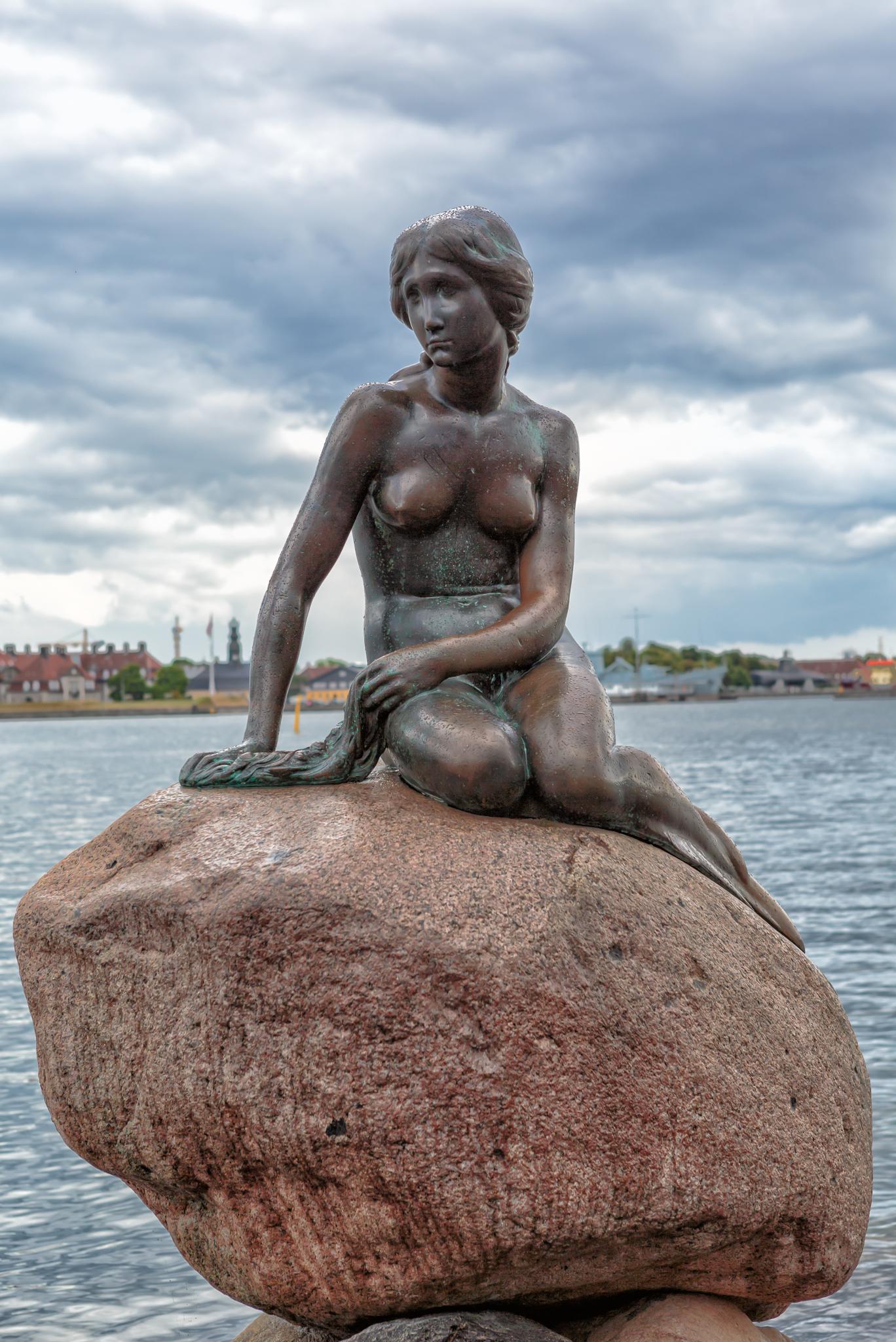
Looking beyond Copenhagen City Hall? Discover Copenhagen for broader travel guides, local hot-spots, and regional highlights.
Explore Copenhagen
A century-old wooden roller coaster weaving through a rocky mountain in Tivoli Gardens, where a live brakeman and rattling timber keep Copenhagen’s past in motion.

A modest grey plaza beside Copenhagen City Hall that transforms into a vivid symbol of LGBT+ pride, civic protest, and quiet reflection in the city’s historic heart.