Background

Roskilde Museum

Explore 1,000 years of Danish history in two heritage buildings at the heart of ancient Roskilde.

★★★★★4.3 (471)

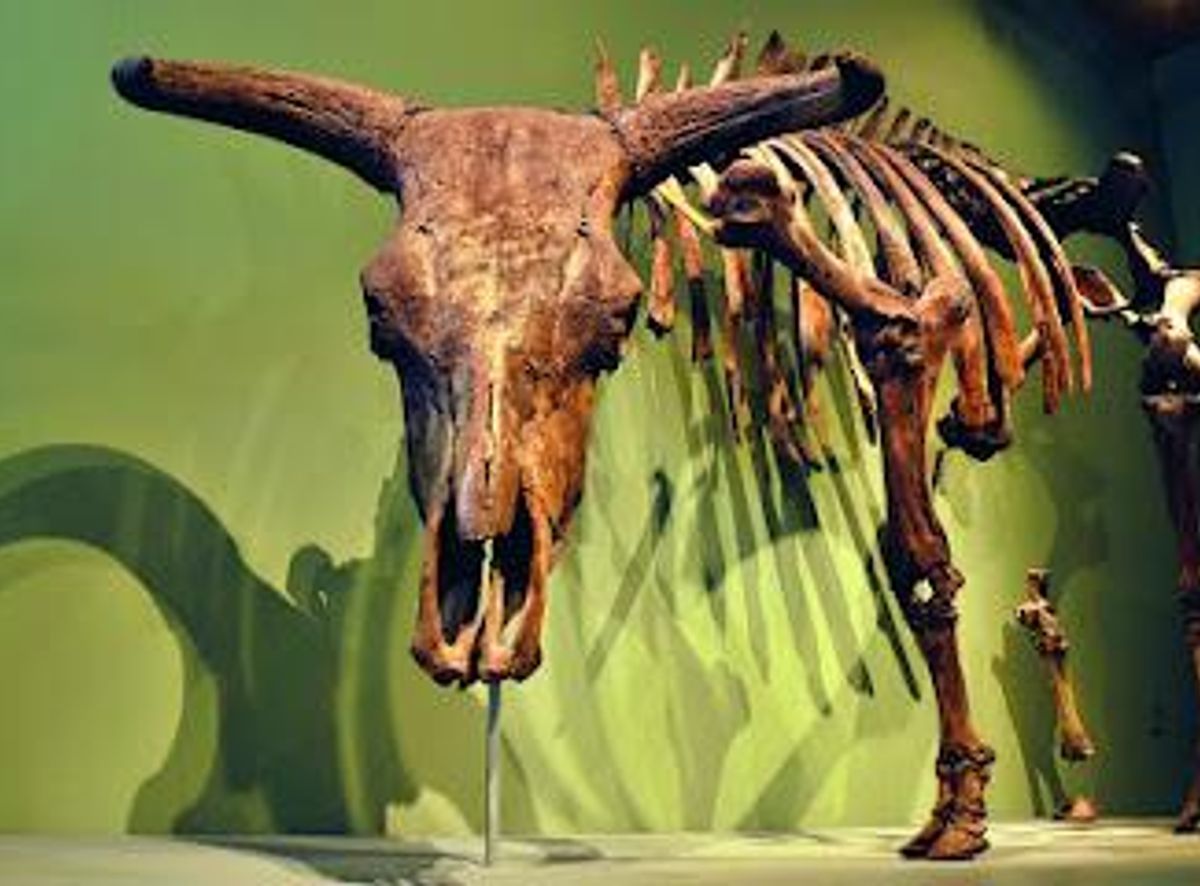
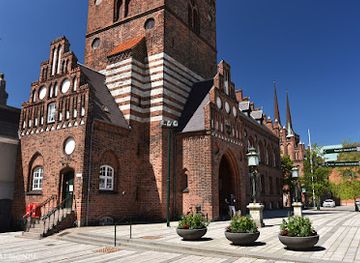
Roskilde Museum is Denmark's premier city museum, housed in two protected heritage buildings in the heart of Roskilde. Since 1929, it has chronicled the city's remarkable 1,000-year history from prehistoric times to the present day. The collections feature extraordinary archaeological finds including a complete prehistoric auroch skeleton, medieval weapons, silvercoins, and chesspieces. Interactive exhibitions, family workshops, and a museum café create an engaging experience for all ages.

Plan your visit

A brief summary to Roskilde Museum

Opening times, essentials, and a few local tips gathered into one calmer, easier-to-scan planning section.

Plan your visit

📍
Sankt Ols Stræde 3, Roskilde, 4000, DK
🕒
Duration: 1 to 2 hours
💷
Budget
🏛
Indoor
📶
Mobile reception: 5 out of 5
Tuesday
10 am-4 pm
Wednesday
10 am-4 pm
Thursday
10 am-4 pm
Friday
10 am-4 pm
Saturday
10 am-4 pm
Sunday
10 am-4 pm

Explore places near Roskilde Museum

    See all →

    Unlock the Best of Roskilde Museum

    Find tickets, tours with entry, and experiences available for this location.

    Buy tickets

    No tickets available

    Book tours with entry

    No tours with entry available

    Book tours without entry

    No tours without entry available

    Getting There

    Train from Copenhagen

    Direct trains depart Copenhagen Central Station (København H) to Roskilde Station (Roskilde St) approximately every 20–30 minutes throughout the day. Journey time is 25 minutes. From Roskilde Station, the museum is a 20–25 minute walk through the city center. Single tickets cost approximately 80–120 DKK depending on time of travel. This is the most convenient option for day visitors from Copenhagen.

    Bus from Copenhagen

    Bus route 203 connects Copenhagen to Roskilde Station with regular service throughout the day. Journey time is approximately 45–60 minutes depending on traffic and stops. Tickets cost around 80–120 DKK. From the station, walk 20–25 minutes to the museum. This option is slower than the train but offers flexibility in departure times.

    Car from Copenhagen

    Roskilde is approximately 35 km west of Copenhagen via the E20 motorway, a drive of 35–45 minutes depending on traffic. Street parking is available near Sankt Ols Stræde, though spaces can be limited during peak hours. No advance booking is required for museum entry. Fuel costs and parking fees apply.

    Bicycle from Roskilde town center

    If already in Roskilde, the museum is easily reached by bicycle or on foot from the train station. The town center is compact and relatively flat. Bicycle rental is available at several shops near the station. Journey time by bike is approximately 10–15 minutes from the station.

    For the on-the-go comforts that matter to you

    Restrooms
    Drink Options
    Food Options
    Seating Areas
    Information Boards
    Visitor Center

    Local tips

    Children and youth aged 0–17 receive free admission, making this an excellent family destination. Disability companions also enter free with a valid disability companion card.
    Plan for 1–2 hours to comfortably explore the exhibitions. The museum is compact but information-rich, so pacing yourself allows for deeper engagement with the displays.
    Visit the café Jampa even if you're not touring the museum—it's open to the public and offers a quality break with modern design and honest communication about its offerings.
    Groups of 15 or more receive a discounted rate of 50 DKK per person. Service dogs are always welcome throughout the museum.
    The museum accepts the Copenhagen Card, which can provide savings if you're visiting multiple attractions in the region.

    Roskilde Museum location weather suitability

    Catch the right light and the right mood, whether you want a bright city moment or a more cinematic evening visit.

    Weather icon
    Any Weather

    Discover more about Roskilde Museum

    A Thousand Years Beneath One Roof

    Roskilde Museum stands as the definitive chronicle of one of Denmark's oldest and most historically significant cities. Since its establishment in 1929, the museum has preserved and presented the extraordinary story of Roskilde and its surrounding region, spanning from the Ice Age through to the modern era. The exhibitions are presented in both Danish and English, making them accessible to international visitors seeking to understand the deep historical roots of this ancient settlement. The museum's collections encompass an astonishing range of artifacts that bring each historical period vividly to life. From Ice Age tools and Iron Age relics to medieval treasures and 20th-century wartime artifacts, every object tells a story of human settlement, trade, conflict, and cultural development. The archaeological finds are particularly remarkable, including the complete skeleton of a prehistoric auroch—a massive wild ox that roamed northern Europe thousands of years ago—alongside mysterious burial sites, medieval weapons, ornate silvercoins, and intricately carved chesspieces that hint at the intellectual and cultural sophistication of medieval Roskilde.

    Historic Buildings with Living Legacies

    The museum occupies two exceptional heritage buildings that are themselves windows into Roskilde's past. Sukkerhuset, the Sugar House, was constructed in 1761 as a sugar refinery and operated briefly until 1779 before being repurposed. From 1925 to 1984, it served as the city's fire station, a role that shaped its architectural character before its transformation into a museum space. The building's industrial heritage and distinctive design create an authentic setting for the exhibitions it now houses. Liebes Gård, named after the merchant family who inhabited it, was built around 1800 by merchant Jacob Borch. The Liebe family resided here until 1900, and in 1913, when Roskilde became a garrison town, the building opened as a soldier's home. These layered histories—commercial, residential, and military—are embedded in the very walls visitors walk through, creating a tangible connection to the city's evolving role in Danish society.

    Interactive Experiences for Every Age

    Beyond static displays, Roskilde Museum offers dynamic, hands-on experiences designed to engage visitors of all ages. An entire floor is dedicated to interactive activities and immersive storytelling about school life a century ago, allowing children to step into the shoes of their great-grandparents. Creative workshops and family-friendly programs run throughout the year, transforming the museum into a living educational space rather than a passive repository of objects. Guided tours bring history to life through expert narration, available both within the exhibitions and as walking tours through the city itself. These tours connect the artifacts on display to the streets and landmarks outside, helping visitors understand how Roskilde's medieval layout, Viking-age foundations, and modern development are all interconnected chapters of a single, continuous story.

    Archaeological Treasures and Cultural Significance

    The museum's excavation collections represent decades of archaeological work in and around Roskilde. These findings have revealed the city's importance as a Viking settlement, a medieval religious and political center, and a crucial hub of trade and craftsmanship. The mysterious tomb of Gerdrup, medieval weapons that speak to warfare and defense, and silvercoins that trace long-distance commerce all underscore Roskilde's significance not merely as a local settlement but as a place of national importance in Danish history. The presentation of these finds emphasizes their context and meaning rather than treating them as isolated curiosities. Visitors gain insight into how people lived, what they valued, how they traded, and what threats they faced—creating a nuanced understanding of daily life across centuries.

    Complementary Amenities and Atmosphere

    The museum café, Jampa, offers a modern, welcoming space where visitors can pause and reflect on their experience. The café emphasizes quality and guest experience, with honest communication about its offerings. It is open to everyone, regardless of whether they have purchased a museum ticket, making it a genuine community gathering space. The museum shop provides carefully curated items—gifts, books, and souvenirs—that extend the experience beyond the visit itself and support the museum's ongoing work.

    Plan around the quieter times

    A quick look at seasonal patterns and peak visiting hours.

    Busiest months of the year

    Seasonality

    Busiest hours of the day

    Footfall
    Mobile App
    Get the app

    Your all‑in‑one travel companion app

    Explore expert travel guides, compare and book tours, experiences, hotels, and more—all from the palm of your hand. Download now for seamless trip planning wherever your wanderlust takes you.
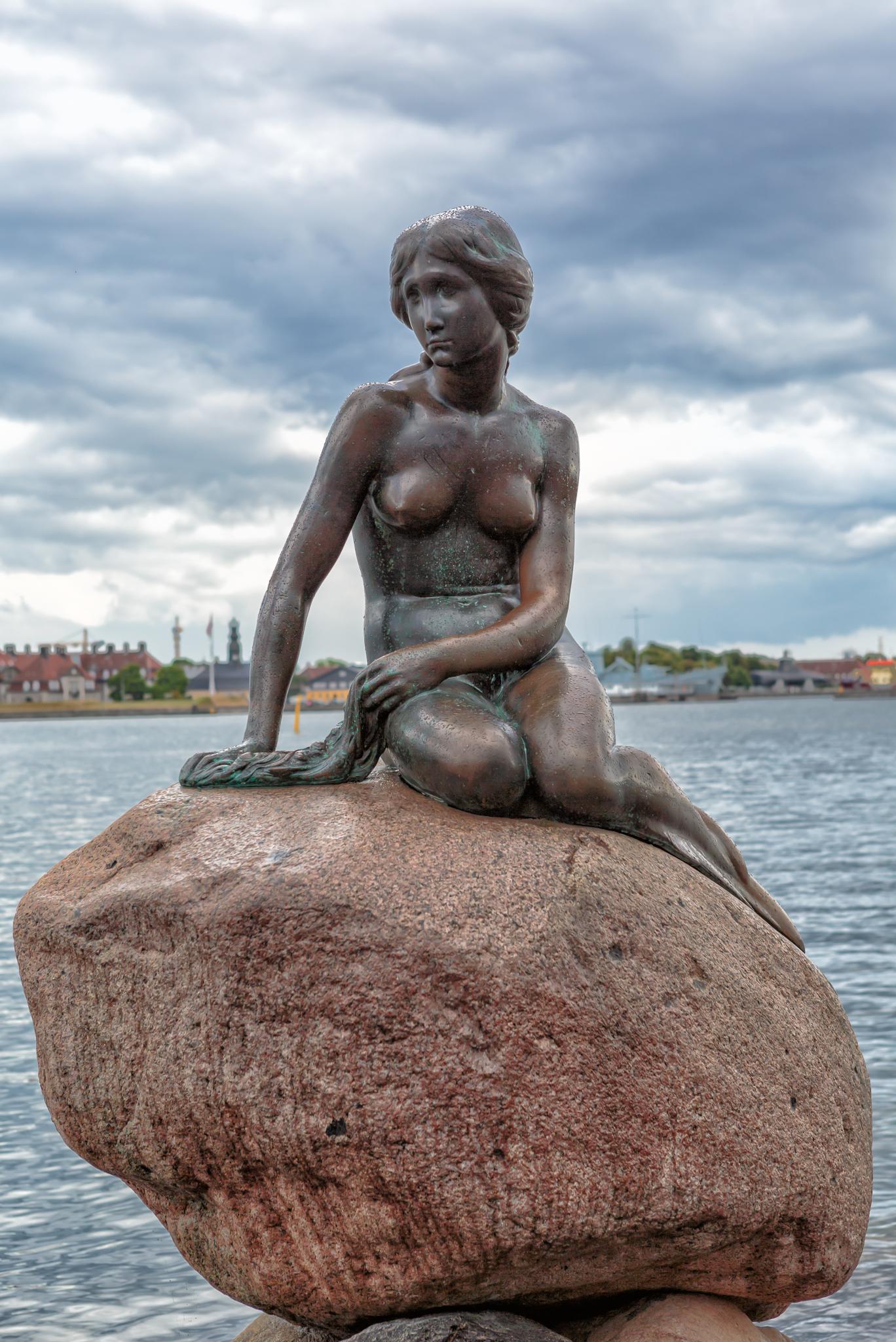
    File:Copenhagen - the little mermaid statue - 2013.jpg - Wikipedia

    More about Copenhagen

    Discover Copenhagen: A perfect blend of history, modernity, and vibrant culture, where picturesque canals, stunning architecture, and world-class dining await you.

    Tell me more about Copenhagen
    Select Currency

    Choose the currency you want prices to display in.