Hyllie Vattentorn, Copenhagen Region Travel Guide
A 1970s flying-saucer water tower turned modern Malmö icon, crowning Hyllie’s skyline with bold design, night-time colours and quiet stories of the city’s growth.
Hyllie Vattentorn is a striking white water tower in Malmö’s fast‑growing Hyllie district, instantly recognisable for its flying‑saucer silhouette. Completed in 1973 and rising 62 metres above the surrounding streets, it once housed a panoramic restaurant and today crowns a small park beside Malmö Arena and Emporia. Illuminated in blue by night, and in shifting colours for special occasions, it has become a modern symbol of the city and a quirky landmark for architecture and photography lovers.
A brief summary to Hyllie Vattentorn
- Arenagatan, Malmö, 215 32, SE
- Click to display
- Duration: 0.5 to 1.5 hours
- Free
-
 Outdoor
- Mobile reception: 5 out of 5

Know before you go
Hi, I'm Eve. Here are a few practical things to know before exploring Hyllie Vattentorn.
- Plan your visit for late afternoon and stay into dusk to see the tower both in daylight and illuminated after dark, when its coloured lighting is most striking.
- Walk a full circle around the base to find varied photo angles, framing the tower with Malmö Arena, Emporia and other modern buildings for strong urban contrasts.
- Bring a windproof layer; the elevated, open surroundings of Hyllie can feel noticeably breezy, especially outside the summer months.
Do you manage this location?
Take control to get all the benefits, like improved information, better appearance, and stronger visibility across AI-powered discovery. Learn more about listing your business on Evendo
Activate your presenceOther nearby places you may find interesting
The closest places of the same kind, if this one is not quite what you had in mind.

Explore Hyllie Vattentorn on the Map
A handpicked selection of must-see spots near Hyllie Vattentorn, mapped for you.
Getting There
-
Train and short walk
From central Malmö, take a regional Öresundståg or Pågatåg to Hyllie station; trains typically run every 10–20 minutes and the journey takes about 7–10 minutes. A standard adult single ticket within the Malmö area usually costs around 25–35 SEK. From the station, expect an additional 10–15 minutes of level walking through the Hyllie district on wide pavements suitable for wheelchairs and strollers. Services operate daily, but late-evening frequencies can be lower.
-
City bus and walk
Several city bus lines connect central Malmö with the Hyllie area in roughly 15–25 minutes, depending on traffic and route. A single bus ticket in the urban zone generally costs about 25–35 SEK and can be purchased via local transport apps or ticket machines. Buses stop near Malmö Arena and Emporia; from there, allow 5–10 minutes of easy walking on paved surfaces to reach the tower. At peak hours buses may be crowded, so off-peak travel can be more comfortable.
-
Bicycle
Cycling from Malmö’s central districts to Hyllie typically takes 20–30 minutes, using marked bike lanes for most of the way. The route is mostly flat but can feel exposed on windy days. Public bike-share schemes and rental bikes are commonly available in the city centre, with typical day-rental prices starting around 100–200 SEK depending on provider. Bicycle parking racks are available around Hyllie’s major venues, making it convenient to leave a bike while you explore the area on foot.
-
Taxi or rideshare
A taxi ride from central Malmö to Hyllie generally takes 10–20 minutes, depending on traffic, and offers a direct, step-free option for travellers with limited mobility. Fares typically range from about 180–300 SEK one way, varying by company, time of day and demand. Set fare estimates with the driver or app before departure. Drop-off points are usually near Malmö Arena or Emporia, from where the tower is reached on broad, accessible pavements.
For the on-the-go comforts that matter to you
-
 Restrooms
-
 Drink Options
-
 Drinking Water
-
 Food Options
-
 Seating Areas
-
 Sheltered Areas
-
 Trash Bins
-
 Information Boards
Discover more about Hyllie Vattentorn
A modern Malmö landmark in Hyllie’s skyline
Hyllie Vattentorn rises above the southern Malmö district of Hyllie like a hovering disc, an unexpected piece of infrastructure turned city icon. Built in 1973 as Malmö’s newest water tower, it was designed by architect Karl Ivar Stål for the engineering firm Kjessler & Mannerstråle. From the train or the surrounding streets, the first impression is its unusual form: a broad, inverted bowl poised on slender supports, hovering above a grassy forecourt.The tower stands about 62 metres high, and because the ground here is already elevated, the reservoir sits more than 20 metres above sea level. That height, along with its clean white surface, makes the structure visible from far across Malmö and even to travellers approaching from Denmark over the Öresund. What began as a purely functional utility has steadily taken on the role of a visual anchor for the entire Hyllie area.From competition-winning design to flying saucer silhouette
The tower’s distinctive outline is the result of an architectural competition, where the winning proposal, named “Drabant”, aimed to combine engineering efficiency with sculptural form. The wide, saucer-like tank contains around 10,200 cubic metres of water, enough to stabilise pressure for a large part of Malmö and surrounding Skåne. Below, a cluster of supporting shafts channels loads to the ground while leaving the space underneath surprisingly open and airy.Seen up close, the smooth, almost seamless white shell and the minimal detailing underline its 1970s modernist roots. It has been compared to a mushroom, a UFO and a gigantic inverted bowl. At night, carefully placed lighting transforms the tower again: it typically glows blue after dark, but the colour can change for festivals, campaigns or city celebrations, turning the reservoir into a luminous beacon in the sky.Life around the tower: from lonely field to urban centre
When Hyllie Vattentorn was first completed, it stood almost alone in what was then mostly open farmland south of Malmö. Over the decades, the landscape has changed dramatically. Today the tower is at the core of Hyllievång, a dense new urban district of offices, housing and major venues including Malmö Arena and the Emporia shopping centre.At its base, a modest public park softens the junction between concrete and grass. Trees, paths and seating create a small green pocket in a neighbourhood otherwise defined by roads and large buildings. The juxtaposition of the tower’s bold industrial form with the reflective glass of nearby high-rises and the bustle of the arena area makes this an interesting spot for urban photography and for observing Malmö’s rapid transformation.Water, engineering and everyday utility
Beyond its dramatic appearance, Hyllie Vattentorn is an essential part of the region’s water system. Operated by the local water utility, the tank works as a giant elevated reservoir, ensuring reliable pressure and capacity for households and businesses in southeastern Skåne. Its location on high ground allows gravity to do much of the work, a classic principle in water-tower engineering.The tank’s large volume provides a buffer during peaks in demand and offers security in case of short-term disruptions in supply. Although visitors cannot currently access the interior or climb to the former viewing level, knowing that the structure above holds thousands of cubic metres of drinking water adds an extra layer of appreciation to its presence in the skyline.A closed panorama floor with lingering stories
For many locals, the tower also carries memories of times when it was more than a piece of infrastructure. Until the mid-1990s, the “flying saucer” contained a restaurant and panoramic floor at the top, with expansive views across Malmö, the Öresund Strait and, on clear days, to Copenhagen. Later, for about a decade, the interior space hosted educational exhibits about water and the environment.Today, safety measures and fencing protect the structure, and public access is limited to the park and exterior viewpoints. The platforms and interior are no longer open, but the stories of meals, celebrations and school visits high above the city linger in local memory. Standing beneath the overhanging bowl, it is easy to imagine the panorama that once drew people up into the tower.Experiencing Hyllie Vattentorn today
Visiting Hyllie Vattentorn is primarily about seeing and photographing it in context rather than touring the inside. The best experience comes from walking around its base, looking up at the underside of the tank, and framing the tower against the surrounding arenas, offices and ever-changing skies. Because it sits amid one of Malmö’s most dynamic districts, it pairs easily with shopping, events or a simple stroll through the modern neighbourhood.The tower’s lighting makes evening and twilight particularly atmospheric, while daytime visits highlight the stark contrast between the bright white concrete and the often windy Skåne sky. Modest green space, nearby seating and broad pavements make it an easy short stop where you can pause, look up and consider how a piece of infrastructure became one of Malmö’s most recognisable silhouettes.












Your all‑in‑one travel companion app
Explore expert travel guides, compare and book tours, experiences, hotels, and more—all from the palm of your hand. Download now for seamless trip planning wherever your wanderlust takes you.


Explore More of Copenhagen Region
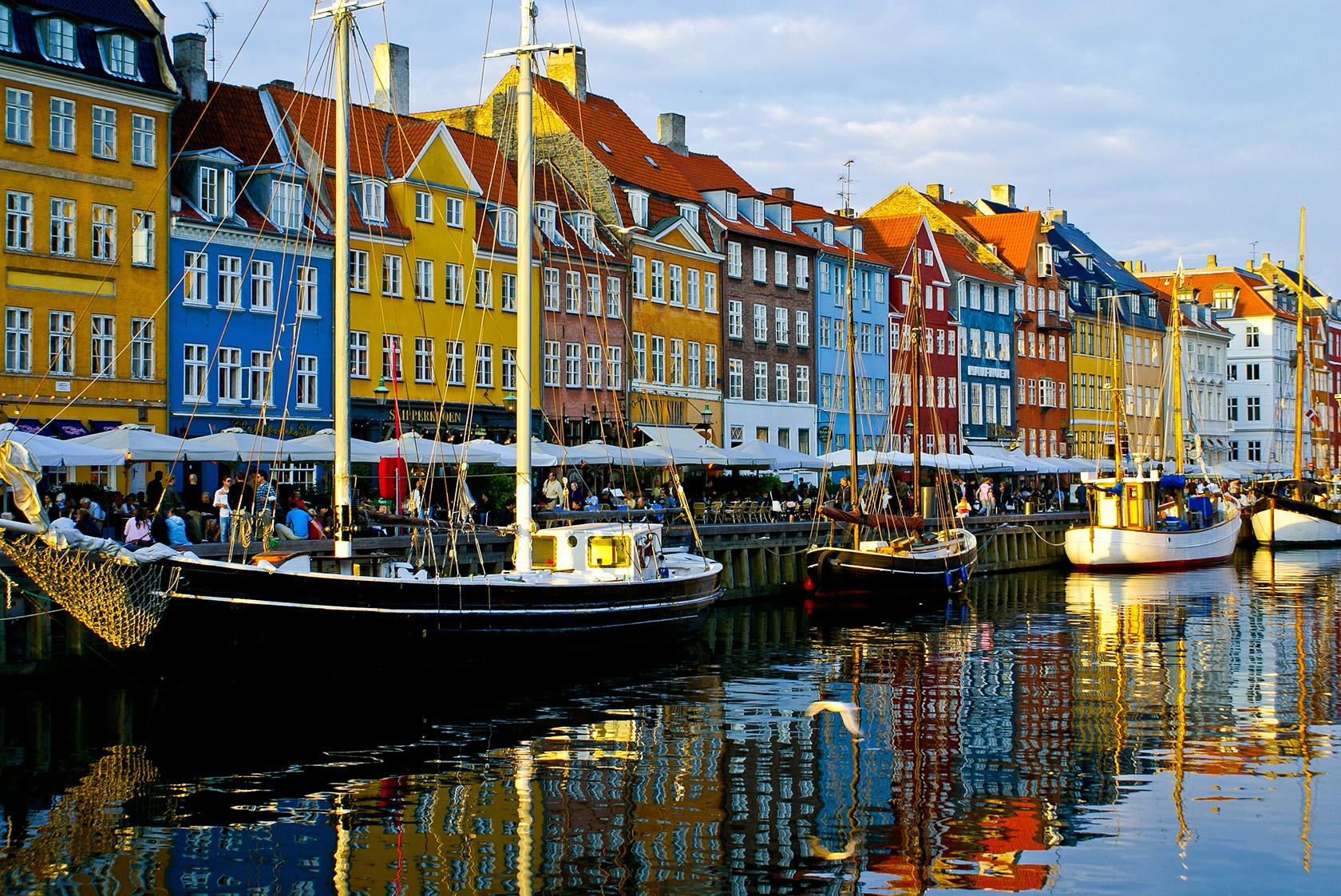
Looking beyond Hyllie Vattentorn? Discover Copenhagen Region for broader travel guides, local hot-spots, and regional highlights.
Explore Copenhagen Region