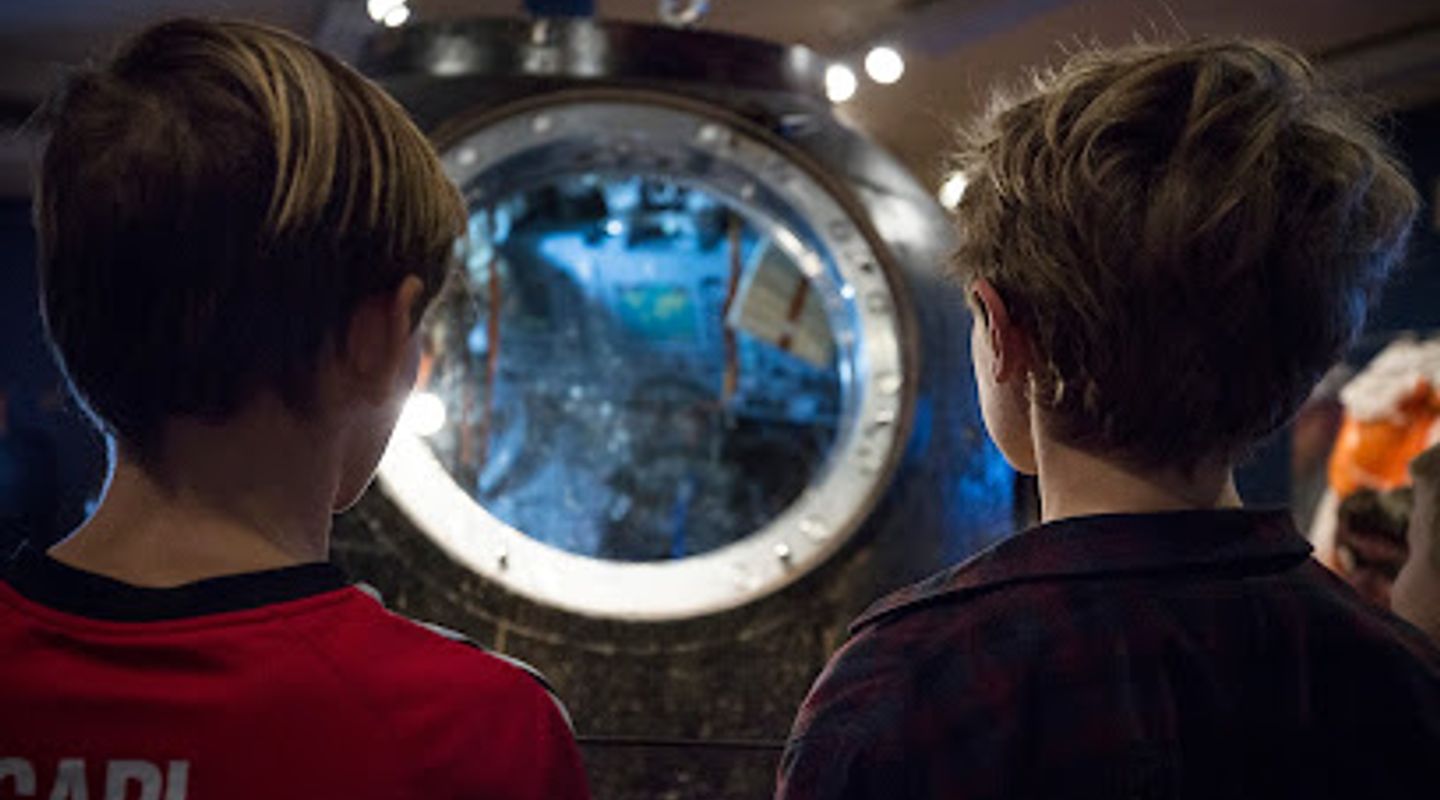
Steno Museum, East Jutland Travel Guide
Interactive science, medical history and a cosy planetarium, all set in Aarhus University’s leafy park with a fragrant medicinal herb garden on the doorstep.
Steno Museum is Aarhus’ hands-on gateway to science, medicine and astronomy, set amid the green lawns and yellow-brick buildings of Aarhus University Park. Inside, interactive exhibits trace everything from atoms to the universe, historic medical instruments, and the story of public health in Denmark, while a cosy planetarium brings the night sky indoors. Outside, a fragrant medicinal herb garden planted with hundreds of species links modern science to centuries of healing traditions, making this a family-friendly spot where curiosity is very much encouraged.
A brief summary to Steno Museum
- C. F. Møllers Allé 2, Aarhus, Aarhus C, 8000, DK
- Click to display
- Click to display
- Duration: 1 to 2.5 hours
- Budget
-
 Mixed
Mixed
- Mobile reception: 5 out of 5
- Tuesday 9 am-4 pm
- Wednesday 9 am-4 pm
- Thursday 9 am-4 pm
- Friday 9 am-4 pm
- Saturday 11 am-4 pm
- Sunday 11 am-4 pm

Know before you go
Hi, I'm Eve. Here are a few practical things to know before exploring Steno Museum.
- Plan around 1.5–2 hours to combine the main exhibitions, a planetarium show and a quiet break in the medicinal herb garden.
- Check the current schedule for planetarium shows in advance; seats are limited and presentations are usually in Danish.
- Bring a light jacket or layer – indoor areas are comfortable but the herb garden and university park can feel breezy.
- Families should look out for school-holiday activities and simple hands-on experiments that younger children can try independently.
- Have some cash or a card ready for the separate planetarium ticket if you want to add a show to your visit.
Do you manage this location?
Take control to get all the benefits, like improved information, better appearance, and stronger visibility across AI-powered discovery. Learn more about listing your business on Evendo
Activate your presenceOther nearby places you may find interesting
The closest places of the same kind, if this one is not quite what you had in mind.
Explore Steno Museum on the Map
A handpicked selection of must-see spots near Steno Museum, mapped for you.
Getting There
-
City bus
From central Aarhus, use one of the city bus lines serving the University Park area and alight near C. F. Møllers Allé; the ride typically takes 10–20 minutes depending on traffic. Buses run frequently during the day, and a single adult ticket usually costs around DKK 20–30 when bought via the regional ticket app or from ticket machines. Stops are a short walk from the museum entrance on mostly level pavements, making this a convenient option in most weather.
-
Bicycle
Aarhus is very bike-friendly, and the route from the city centre to the university campus usually takes 10–15 minutes by bicycle along dedicated lanes. You can rent a bike through local bike-share schemes or rental shops for roughly DKK 100–150 per day, with helmets often available for an additional small fee. The approach involves gentle slopes but no demanding hills, and bike racks are available near the museum and around the park.
-
Taxi
A taxi from the central railway station or the pedestrian core to Steno Museum generally takes 8–15 minutes, depending on traffic around the ring roads. Fares within central Aarhus typically range from about DKK 120 to 200 for this distance, with surcharges in the evening or on weekends. Taxis can drop passengers close to the entrance, which is useful for visitors with limited mobility or in poor weather.
-
Walk from central Aarhus
If you enjoy walking, reaching the university area on foot from the city centre usually takes around 20–30 minutes at a moderate pace. The route passes through urban streets and then into the green spaces of University Park, with gentle inclines rather than steep climbs. Surfaces are mostly paved, so ordinary footwear is sufficient, but allow extra time in winter or wet conditions when paths can be slippery.
For the on-the-go comforts that matter to you
-
 Restrooms
-
 Drinking Water
-
 Food Options
-
 Seating Areas
-
 Sheltered Areas
-
 Trash Bins
-
 Information Boards
-
 Visitor Center
Discover more about Steno Museum
Where science, medicine and stories meet
Steno Museum is Aarhus’ dedicated museum of science and medicine, created by bringing together earlier collections on medical history and the history of science. Housed on the Aarhus University campus, it explores how discoveries have changed everyday life – from the first X-rays and penicillin to nuclear physics and space exploration. The focus is less on abstract theory and more on the human stories behind ideas, inventions and the people who worked with them.As you move through the permanent galleries, you trace a timeline of scientific progress. Cabinets of instruments, models and early lab equipment sit alongside modern displays about DNA, public health and digital technology. The themes range widely – astronomy, physics, chemistry, geography and the life sciences – but are tied together by clear explanations and engaging set-ups that invite you to experiment a little as you go.Hands-on exhibits and curious objects
One of the museum’s strengths is its interactive approach. Many installations are designed so you can try things yourself: testing gravitational principles, playing with mirrors and optics, or exploring how the body responds to different stimuli. These smaller experiments are built into the exhibitions, so children and adults can learn by doing rather than just reading labels.Alongside the hands-on elements are evocative historical displays. Old surgical instruments and medical devices offer a glimpse of treatment methods from earlier eras, sometimes prompting a shiver when you imagine them in use. Other sections look at cartography, timekeeping and early measuring devices, underlining how closely everyday technologies are linked to scientific breakthroughs. The result is a compact but varied collection that rewards slow wandering.Astronomy under the domed planetarium
Within the museum complex, the planetarium is an atmospheric highlight. In the darkened dome, guided shows use digital projections to take visitors on journeys through galaxies, planets, black holes and seasonal constellations. Presentations are typically in Danish, but the visual experience is rich enough that non-speakers can still enjoy the sense of travelling through space.The planetarium schedule changes with themes such as the Solar System, deep space or special full-moon evenings. Seating is raked and cosy, making it a relaxing way to rest in the middle of a museum visit while still engaging with big questions about the universe. On cloudy days, it is one of the best places in Aarhus to get a clear view of the night sky.The medicinal herb garden as a living textbook
Step outside and the museum continues into the open air with a structured medicinal herb garden. More than 300 historic healing plants are arranged in beds that reflect different traditions and uses, from monastery medicine to modern pharmacology. In spring and summer, the garden is full of colour and scent, offering a tranquil contrast to the indoor galleries.Signs explain how specific plants have been used for ailments across time, linking botany, folklore and pharmaceutical science. Benches and seating nooks encourage you to pause with a packed lunch or a notebook. Even visitors with only a passing interest in plants often find themselves tracing familiar herbs from kitchen to clinic, realising how many medicines started life as leaves and roots.Designed for families and inquisitive minds
Families are a core audience here, and much of the museum is pitched at mixed-age groups. School holidays often bring extra activities, workshops or themed events, while standard exhibits are laid out so younger visitors can reach levers, buttons and peep-holes. Clear bilingual information in Danish and English makes it accessible to international visitors as well.A small shop extends the experience with science-themed games, books and souvenirs that encourage further exploration at home. Combined with the wider university park – ponds, lawns and other nearby museums – Steno Museum works well as part of a half-day in this academic quarter of Aarhus, especially for anyone with a curious streak.Part of Aarhus’ wider science landscape
Steno Museum belongs to the group of Science Museums associated with Aarhus University, alongside sites such as the greenhouses in the Botanical Garden and the Ole Rømer Observatory in Højbjerg. Together they form a network devoted to making science approachable and tangible. Here, the emphasis is very much on “science at eye level”: complex ideas presented through concrete things you can see, touch and discuss.Whether you are drawn by astronomy, medical history or simply the pleasure of understanding how everyday technologies came to be, the museum offers a compact, thoughtful snapshot of scientific culture in Denmark. Its blend of historic objects, modern interpretation and green outdoor space makes it distinctive within the city’s museum scene.












Your all‑in‑one travel companion app
Explore expert travel guides, compare and book tours, experiences, hotels, and more—all from the palm of your hand. Download now for seamless trip planning wherever your wanderlust takes you.


Explore More of East Jutland
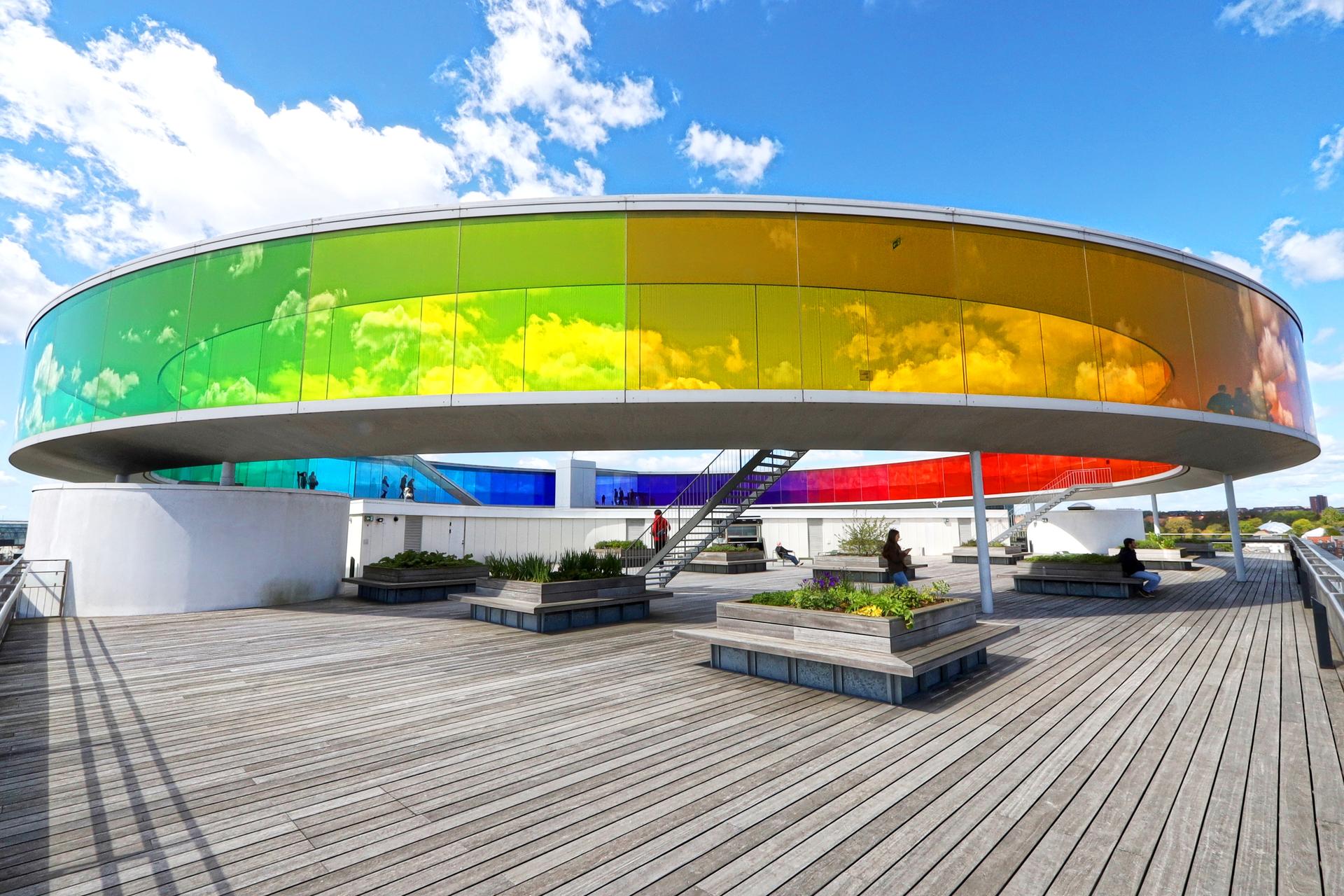
Looking beyond Steno Museum? Discover East Jutland for broader travel guides, local hot-spots, and regional highlights.
Explore East Jutland
A compact rock garden in Aarhus’ Botanical Garden, where stone, slope and hardy plants create a miniature mountain landscape rich in texture and quiet detail.
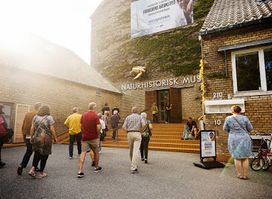
Denmark’s second-largest natural history museum, blending immersive wildlife dioramas, Danish ecosystems and cutting-edge research in a compact, campus setting.