

Free East Jutland Travel Guide & Mobile App
Explore East Jutland with free travel guides. Discover regional history, expert tips, proposed trips, and audio guides on web or mobile app.


Discover East Jutland, Denmark's enchanting region blending vibrant cities, rich history, and stunning natural landscapes, perfect for every type of traveler.
Read more about East Jutland
When is the best time to visit East Jutland?
Best: June–August · 19–21°C| Month | High (°C) | Rainfall (mm) |
|---|---|---|
| January | 3 | 50 |
| February | 3 | 40 |
| March | 7 | 45 |
| April | 11 | 40 |
| May | 16 | 50 |
| June (best) | 19 | 60 |
| July (best) | 21 | 70 |
| August (best) | 20 | 70 |
| September | 17 | 60 |
| October | 13 | 60 |
| November | 8 | 60 |
| December | 5 | 60 |
Getting to and around East Jutland
How to get there
Transportation
Top city travel guides in East Jutland
The cities of East Jutland, and the easiest places to base yourself.
-

-
-
-

-

-


Swipe for more cities
Destinations in East Jutland
Resorts, valleys and scenic spots worth a trip of their own.
-

-

-

-

-

-


Swipe for more destinations
Best attractions in East Jutland
East Jutland, a gem of Denmark, offers an enchanting blend of historical depth and natural beauty that promises an unforgettable journey for any traveler. Wander through the cobblestone streets of Aarhus, Denmark's second-largest city, where the vibrant Latin Quarter teems with charming cafes, boutique shops, and the awe-inspiring ARoS Art Museum. Venture into the lush landscapes of Mols Bjerge National Park, with its rolling hills and ancient burial mounds, or explore the fascinating Viking history at the Moesgaard Museum. The picturesque town of Ebeltoft invites you to stroll along its narrow, half-timbered houses and visit the world’s longest wooden ship at the Fregatten Jylland. Don't miss the iconic Himmelbjerget, one of Denmark's highest points, offering panoramic views that capture the essence of the region's natural splendor. With its rich tapestry of medieval castles, pristine beaches, and inviting woodland trails, East Jutland is a treasure trove waiting to be discovered.
-
History museum
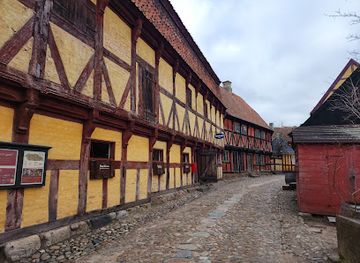
The Old Town
Walk through 400 years of Danish town life as entire streets, homes and shops from 1600 to today come alive in an open‑air museum inside Aarhus’ botanical gardens.
-
Amusement park
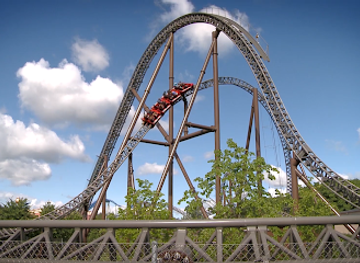
Djurs Sommerland
Scandinavia's largest amusement park with 60+ rides, world-class coasters, and family fun across 9 themed lands.
-
 Art museum
ARoS Aarhus Art Museum
One of Northern Europe’s largest art museums, crowned by a glowing rainbow skywalk and filled with bold Danish and international art over ten dynamic floors.
-
Museum
Moesgaard Museum
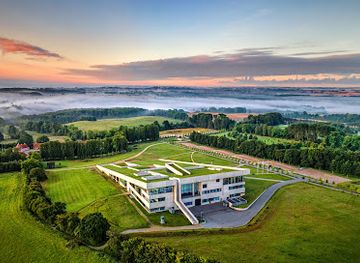
Cut into a green hillside above Aarhus Bay, Moesgaard Museum fuses bold architecture, deep-time archaeology and global cultures in one immersive landscape.
Best landmarks in East Jutland
East Jutland, Denmark, is a treasure trove for history enthusiasts and nature lovers alike. Visitors can explore the ancient Viking sites at Jelling, where rune stones and burial mounds tell tales of Denmark's early kings, or wander through the cobbled streets of Aarhus, the region's vibrant cultural hub, which boasts the open-air museum Den Gamle By and the ultramodern ARoS Art Museum with its iconic rainbow panorama. Nature enthusiasts will be captivated by the lush landscapes of Mols Bjerge National Park, offering hiking trails with breathtaking views, and the serene coastline of Djursland, perfect for beachcombing and spotting seals. The historic town of Horsens, once a major industrial center, now charms with its medieval Fængslet prison museum and lively festivals. Whether delving into centuries-old history or soaking in natural beauty, East Jutland promises a rich and varied experience.
-
Historical landmark
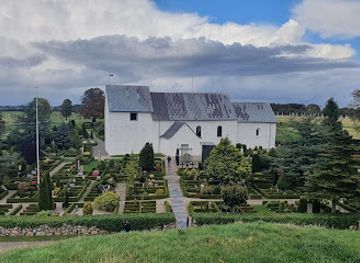
Jelling Mounds, Runic Stones and Church
Viking burial mounds, iconic runestones and a modest white church together mark the spiritual and political birthplace of the Danish kingdom in rural Jutland.
-
Memorial park
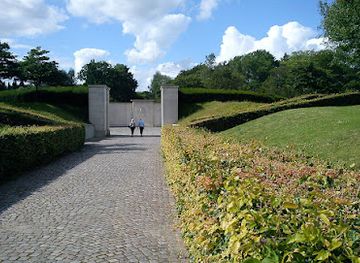
Mindeparken
A solemn memorial park blending World War I remembrance with lush gardens, royal heritage, and panoramic bay views.
-
Cathedral
Aarhus Cathedral
Denmark's longest and tallest church, blending Romanesque strength with Gothic grace and medieval artistry.
-
Lutheran church
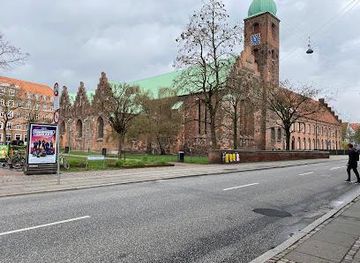
Our Lady Church
Medieval layers of faith: from Viking-era crypt to Dominican monastery, Aarhus' oldest sacred space.

Explore East Jutland on the map
Plan your trip on one map. See where the top cities, national parks and sights are, and book hotels and experiences in a few clicks.
Best hotels in East Jutland
Best restaurants in East Jutland
East Jutland's dining scene is a vibrant tapestry woven from the freshest local ingredients and centuries-old culinary traditions, offering a mouthwatering journey for food enthusiasts. Visitors can indulge in a variety of gastronomic experiences ranging from Michelin-starred restaurants in Aarhus, where innovative chefs reimagine Nordic cuisine, to quaint seaside eateries in Grenaa, serving the day's catch with a view of the Kattegat Sea. The region also boasts charming farm-to-table bistros in Silkeborg’s lush countryside, where you can savor organic produce and homegrown herbs. For a sweet treat, the area’s bakeries are renowned for their delectable Danish pastries, while the local breweries and distilleries offer tours and tastings of craft beers and artisanal spirits. Food markets, such as those in Horsens, provide an authentic taste of East Jutland's culinary diversity, featuring everything from traditional smørrebrød to international street food.
-
Food court
Aarhus Street Food
Industrial bus garages turned buzzing food hall, where more than 30 kitchens and bars serve global street flavours and Danish comfort food under one lively roof.
-
Restaurant
Raadhuus Kafeen
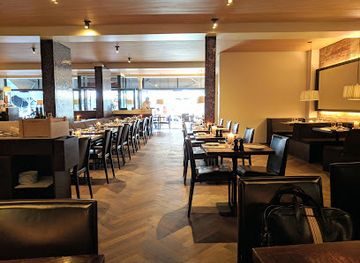
Aarhus's most authentic Danish kitchen, serving generations with generous portions and timeless Nordic flavors.
-
Restaurant
Rasses Skovpølser
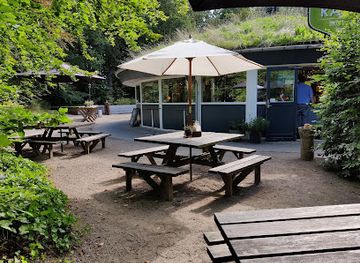
Legendary forest grill in Skanderborg serving award‑winning bøfsandwich, juicy burgers and hotdogs in a casual beech‑wood setting since 1962.
-
Italian
Grappa Aps
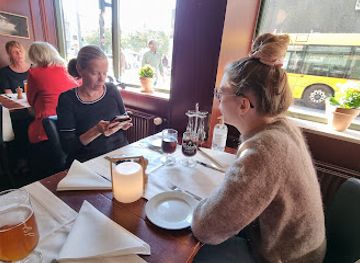
Modern Italian kitchen and wine bar on Aarhus’ lively riverfront, serving pizzas, pasta and antipasti from brunch to late evening in a warm, social setting.
Best bars in East Jutland
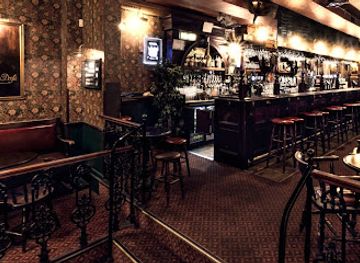
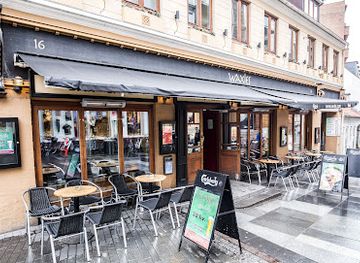
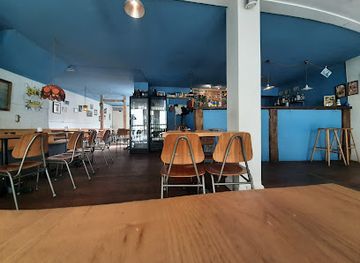
East Jutland, Denmark, pulses with a vibrant nightlife scene that seamlessly blends historic charm and modern sophistication. In the heart of Aarhus, the region's largest city, visitors can immerse themselves in a dynamic array of bars and nightclubs, from chic cocktail lounges and atmospheric wine bars nestled in the cobblestone streets of the Latin Quarter, to lively dance clubs featuring local DJs spinning the latest hits. Towns like Horsens and Randers offer a more intimate but equally thrilling experience, with cozy pubs that serve craft beers and host live music performances. The coastal town of Aarhus also boasts several waterfront venues where you can enjoy a drink with stunning views of the bay. For a unique twist, don't miss out on the Viking-themed bars that offer a nostalgic nod to Denmark's storied past, complete with rustic decor and traditional mead. Whether you're looking to dance the night away, enjoy a quiet drink by the sea, or experience a piece of history with a modern twist, East Jutland's nightlife promises an unforgettable adventure.
-
Bar
Tir Na nÓg - Irish Gastropub
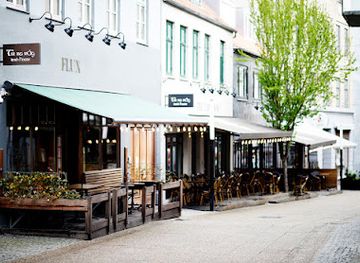
Twenty years of Irish charm and gastropub excellence in the heart of Aarhus.
-
Pub
Sherlock Holmes Pub
Classic British-style pub in the heart of Aarhus, pouring pints, cocktails and live entertainment late into the night on busy Frederiksgade.
-
Bar
Waxies
Lively Irish pub and sports bar in central Aarhus, blending cosy wood‑panelled charm with live music, games and big‑screen sports late into the night.
-
Bar
Mig og Ølsnedkeren
Atmospheric two-floor craft beer bar in historic Mejlgade, pouring generous English pints from 20 taps of small-batch Danish and international brews.
Best nightclubs in East Jutland
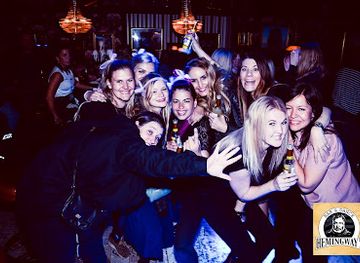
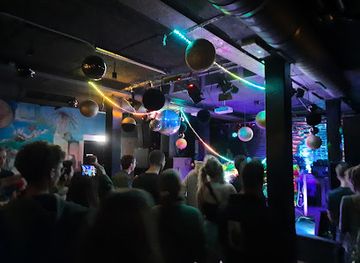
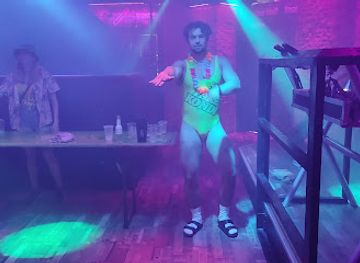
East Jutland, Denmark, pulses with a vibrant nightlife scene that seamlessly blends historic charm and modern sophistication. In the heart of Aarhus, the region's largest city, visitors can immerse themselves in a dynamic array of bars and nightclubs, from chic cocktail lounges and atmospheric wine bars nestled in the cobblestone streets of the Latin Quarter, to lively dance clubs featuring local DJs spinning the latest hits. Towns like Horsens and Randers offer a more intimate but equally thrilling experience, with cozy pubs that serve craft beers and host live music performances. The coastal town of Aarhus also boasts several waterfront venues where you can enjoy a drink with stunning views of the bay. For a unique twist, don't miss out on the Viking-themed bars that offer a nostalgic nod to Denmark's storied past, complete with rustic decor and traditional mead. Whether you're looking to dance the night away, enjoy a quiet drink by the sea, or experience a piece of history with a modern twist, East Jutland's nightlife promises an unforgettable adventure.
-
Disco club
Der Kuhstall
Après-ski vibes, cheap drinks and all-night dancing in a playful “cow stable” bar at the heart of Aarhus’ riverside nightlife strip.
-
Disco club
Hemingway's Horsens
Authentic Danish nightlife for the mature crowd, where retro rhythms and quality cocktails define the weekend.
-
Night club
V58
Compact, cosy and right on Vestergade, V58 (Casa Carola) blends bar, club and live music vibes for laid-back nights out in the heart of Aarhus C.
-
Bar
Bastian Bar & Nightclub, Odder - Nightclub
Odder's central nightlife destination for weekend entertainment and social gathering

Best shops in East Jutland
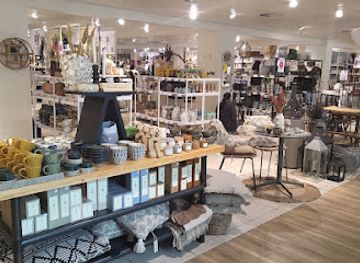
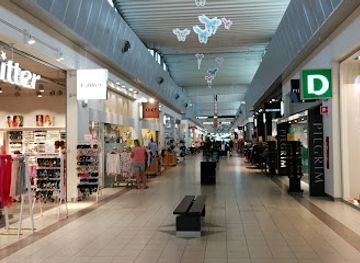
East Jutland offers a captivating shopping experience that seamlessly blends modern retail therapy with charming historical allure. In the bustling city of Aarhus, you'll find the expansive Bruun's Galleri and the stylish Latin Quarter, teeming with trendy boutiques, high-end fashion stores, and cozy cafés perfect for a relaxing break. For a more unique and local touch, explore the picturesque streets of Horsens and Randers, where quaint shops offer handmade crafts, traditional Danish design, and local delicacies. Don't miss the vibrant farmers' markets held in towns like Silkeborg and Ebeltoft, where you can purchase fresh produce, artisanal cheeses, and handmade souvenirs, all while soaking in the region's rich cultural heritage.
-
Shopping mall
Kolding Storcenter
Jutland’s largest shopping centre, where big-brand retail, free parking, dining and a cinema come together in one weatherproof hub north of Kolding.
-
Shopping mall
Bruuns Galleri
Central Aarhus’ all‑weather hub for fashion, food, cinema and rooftop mini golf, seamlessly linked to the main station and the city’s pedestrian streets.
-
Department store
Salling Aarhus
Flagship department store on Aarhus’ main pedestrian street, combining fashion, design and gourmet food with a dramatic rooftop terrace and citywide views.
-
Shopping mall
Randers Storcenter
Denmark's premier shopping destination with 58 shops, free parking, and family-friendly amenities under one roof.


Get your free copy of our complete guide to East Jutland, delivered straight to you.
Everything on this page, from attractions and restaurants to essentials and local phrases, in one PDF you can read offline, print or share.
Already have an account? Sign in
Your East Jutland guide is ready.
We'll send it to · Not you? Sign out

Getting your guide ready…
We are putting together a fresh copy of the East Jutland guide. This can take up to a minute.
This can take a few moments. If your browser asks, choose Allow so the download can start. You'll find the guide in your Downloads folder.
Nothing happened? Download it again
Sorry, the guide is taking longer than usual. Please try again in a minute, or get it by email instead.
East Jutland essentials
Currency and Payment
Safety
Emergency Situations
Do's and Don'ts
Local Tips
From Eve
Local phrases worth knowing
You don't need to get them perfect. A few words go a long way, and locals appreciate the effort.
Basics
| English | Local | Say it |
|---|---|---|
| Hello | Hej | [hay] |
| Goodbye | Farvel | [far-vel] |
| Yes | Ja | [ya] |
| No | Nej | [nai] |
| Please/You're welcome | Venligst/Det var så lidt | [ven-list/det var so lit] |
| Thank you | Tak | [tak] |
| Excuse me/Sorry | Undskyld | [oon-skild] |
| How are you? | Hvordan har du det? | [vor-dan har do de?] |
| Fine. And you? | Fint. Og du? | [feent. oh do?] |
| Do you speak English? | Taler du engelsk? | [tay-ler do eng-elsk?] |
| I don't understand | Jeg forstår ikke | [yai for-stor ik-ke] |
Eating & Drinking
| English | Local | Say it |
|---|---|---|
| I'd like to see the menu, please | Jeg vil gerne se menuen, venligst | [yai vil ger-ne say me-nuen, ven-list] |
| I don't eat meat | Jeg spiser ikke kød | [yai spee-ser ik-ke kuhth] |
| Cheers! | Skål! | [skawl] |
| I would like to pay, please | Jeg vil gerne betale, venligst | [yai vil ger-ne be-ta-le, ven-list] |
Emergencies
| English | Local | Say it |
|---|---|---|
| Help! | Hjælp! | [yelp] |
| Go away! | Gå væk! | [go vek] |
| Call the Police! | Ring til politiet! | [ring til po-li-ti-et] |
| Call a doctor! | Ring til en læge! | [ring til en lay-eh] |
| I'm lost | Jeg er faret vild | [yai er far-et vil] |
| I'm ill | Jeg er syg | [yai er soog] |
Shopping
| English | Local | Say it |
|---|---|---|
| I'd like to buy... | Jeg vil gerne købe... | [yai vil ger-ne ky-beh] |
| I'm just looking | Jeg kigger bare | [yai kee-ger bar-eh] |
| How much is it? | Hvor meget koster det? | [vor mai-hed kos-ter de?] |
| That's too expensive | Det er for dyrt | [det er for dyert] |
| Can you lower the price? | Kan du sænke prisen? | [kan do sen-ke pri-sen?] |
Time & Numbers
| English | Local | Say it |
|---|---|---|
| What time is it? | Hvad tid er det? | [vad tid er de?] |
| It's one o'clock | Klokken er et | [klok-ken er et] |
| Half past (10) | Halv (10) | [halv (10)] |
| Morning | Morgen | [mor-en] |
| Afternoon | Eftermiddag | [ef-ter-mi-dag] |
| Evening | Aften | [af-ten] |
| Yesterday | I går | [ee gor] |
| Today | I dag | [ee day] |
| Tomorrow | I morgen | [ee mor-en] |
| 1 | 1 | [1] |
| 2 | 2 | [2] |
| 3 | 3 | [3] |
| 4 | 4 | [4] |
| 5 | 5 | [5] |
| 6 | 6 | [6] |
| 7 | 7 | [7] |
| 8 | 8 | [8] |
| 9 | 9 | [9] |
| 10 | 10 | [10] |
Transport & Directions
| English | Local | Say it |
|---|---|---|
| Where's a/the...? | Hvor er en/den...? | [vor er en/den...?] |
| What's the address? | Hvad er adressen? | [vad er a-dressen?] |
| Can you show me (on the map)? | Kan du vise mig (på kortet)? | [kan do vee-se mig (po kortet)?] |
| When's the next (bus)? | Hvornår går den næste (bus)? | [vor-nar gar den nes-te (bus)?] |
| A ticket (to ....) | En billet (til ....) | [en bi-let (til ....)] |
History of East Jutland
Viking Age and Aarhus' Founding
East Jutland's history stretches back to the Viking Age, with Aarhus being one of the key settlements. Founded around 770 AD, Aarhus served as an important trading post due to its strategic location by the sea. Archaeological finds, such as the remnants of the Viking fortress at Aros, provide a glimpse into the bustling life of the period.
The Medieval Period and the Rise of Silkeborg
During the medieval period, Silkeborg emerged as a significant town. The construction of Silkeborg Castle in the 14th century marked the town's growing importance. The castle, now in ruins, once stood as a testament to the feudal era's architectural prowess and the region’s defensive strategies.
Renaissance and the Growth of Horsens
Horsens flourished during the Renaissance, becoming a center of commerce and crafts. The establishment of the Horsens Abbey in the 12th century laid the foundation for this growth. By the 16th century, Horsens was known for its thriving market and artisans, contributing to Denmark's broader economic and cultural renaissance.
Industrial Revolution and the Expansion of Randers
The Industrial Revolution brought significant changes to East Jutland, particularly to Randers. Known for its production of gloves, Randers quickly industrialized in the 19th century, with factories and railways transforming the town into an industrial hub. This period of growth laid the groundwork for the modern city we see today.
World War II and the Resistance Movement
During World War II, East Jutland was a focal point of the Danish resistance against German occupation. The region's dense forests and rural landscapes provided cover for resistance fighters. Notable events include the sabotage operations in Aarhus and the heroic acts of the Hvidsten Group, who are honored today for their bravery and sacrifice.
Modern Era and Aarhus as a Cultural Capital
In recent decades, Aarhus has emerged as a cultural epicenter, culminating in its designation as the European Capital of Culture in 2017. The city has invested heavily in cultural institutions, including the ARoS Aarhus Art Museum and the Moesgaard Museum, reflecting East Jutland's rich historical tapestry and dynamic contemporary culture.
East Jutland in Photos
Browse through our photo collection highlighting the charm and character of the destination.
Neighbouring regions of East Jutland
The closest regions to East Jutland, if you have time for more than one.
-
-

-

-

-


Swipe for more regions
Explore more

Explore more of Denmark
Discover Denmark: A perfect blend of history, modern design, and the cozy concept of hygge. Explore vibrant cities, serene landscapes, and world-class cuisine.
Explore Denmark