

Mindeparken Travel Guide
Free Guide: A solemn memorial park blending World War I remembrance with lush gardens, royal heritage, and panoramic bay views.


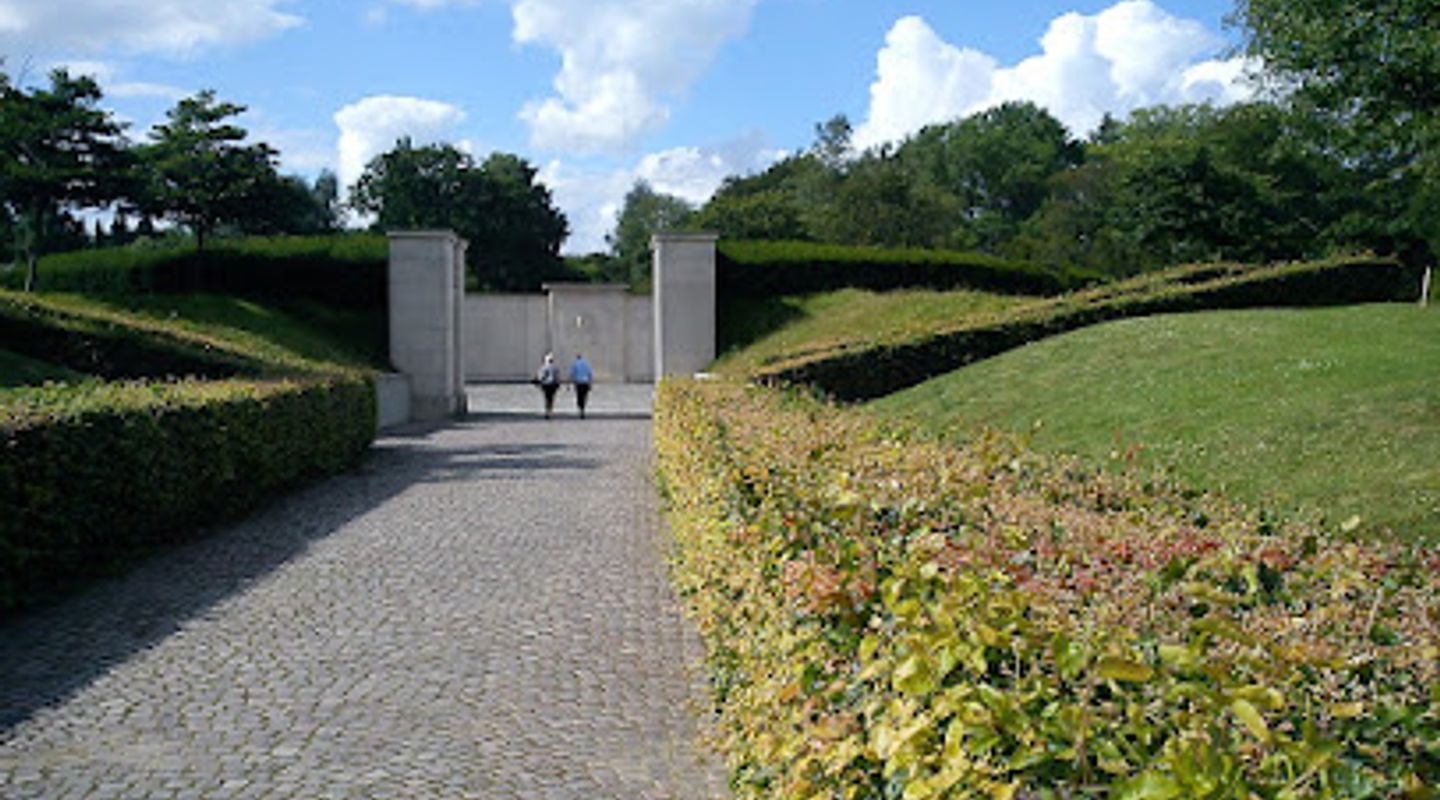
A brief summary of Mindeparken
A solemn memorial park blending World War I remembrance with lush gardens, royal heritage, and panoramic bay views.
Mindeparken (The Memorial Park) is a 65.9-acre memorial park and recreational area in southern Aarhus, adjacent to Marselisborg Palace. Inaugurated in 1925 by King Christian X, the park features a striking limestone monument honoring 4,140 Danes who fell in World War I. Beyond its solemn memorial function, Mindeparken offers lush woodlands, panoramic views across Aarhus Bay, botanical gardens including a Japanese cherry grove, and abundant space for walking, picnicking, and outdoor activities. The park seamlessly blends historical significance with natural beauty and serves as a vital green space for locals and visitors alike.
On-site amenities
 Restrooms
 Drink options
 Food options
 Seating areas
 Picnic areas
 Trash bins
 Information boards
Opening hours
- Every dayOpen 24 hours
Opening hours as listed on the venue’s Google Business Profile. Hours can change for services and special events, so check with the venue before you go.
- Address
- 8000 Aarhus
Getting there
Public Bus
Bicycle
Private Car
Walking
Discover more about Mindeparken
A Monument to Remembrance and National Identity
Mindeparken stands as one of Denmark's most significant memorial sites, dedicated to preserving the memory of those who sacrificed their lives during World War I. The park's centerpiece is a monumental limestone memorial erected in 1934, designed by architect Axel Ekberg and sculptor Axel Poulsen. The stone itself carries profound symbolic weight—quarried from Euville in the Meuse department of France, a major World War I battlefield. Engraved upon its surface are the names of 4,140 Danes who perished during the Great War, many of whom served in the Kaiser's forces through compulsory military service. Each November 11th, an annual ceremony takes place within the memorial's circular chamber, where visitors can experience a remarkable acoustic phenomenon: standing at the precise center creates an extraordinary sound effect that has become legendary among those who know of it. This intimate space transforms the act of remembrance into a deeply personal and sensory experience.
Royal Connections and Seasonal Splendor
Located immediately below the grounds of Marselisborg Palace, Mindeparken is intrinsically linked to Denmark's royal heritage. The palace serves as the summer residence of the Danish Royal Family, and when they are in residence, the ceremonial Changing of the Guard by the Life Guard takes place at noon daily. The palace grounds, including the Queen's rose garden, open to the public during periods when the Royal Family is not in residence. The park's horticultural treasures are particularly spectacular during late spring, when the Japanese cherry grove bursts into bloom in May and June, creating a breathtaking display of delicate pink and white blossoms that draw visitors from across the region.
Botanical Richness and Landscape Design
Beyond its memorial function, Mindeparken encompasses diverse botanical and landscape features developed through successive expansions in 1939 and 1944. The park contains Træsamlingen (The Tree Collection), a carefully curated botanical selection showcasing various tree species from temperate regions. Nearby stands Rømerhaven (The Rømer Garden), an elegant sculpture and flower garden with strong botanical elements, featuring bronze sculptures including the striking water sculpture Solhesten and the classical figure Danaiden, complemented by a mirror pond that reflects the surrounding greenery. A lime tree avenue provides a shaded promenade through the park's interior, while the expansive lawns offer unobstructed panoramic views across Aarhus Bay, creating a sense of openness and connection to the coastal landscape.
Historical Layers and Architectural Heritage
The southern section of Mindeparken preserves the Donbæk Houses, two modest structures built in 1828 and 1850 that once housed servants of the Marselisborg Manor and forest workers employed in the surrounding woodlands. These buildings represent a vanished era of rural service and forestry management, standing as quiet witnesses to the area's pre-modern history. The original Marselisborg Manor, which once dominated the landscape, was destroyed by fire in the early 1900s and no longer exists, though its memory persists in the park's layout and the stories embedded in these remaining structures.
Recreation and Community Life
Mindeparken functions as a vital recreational hub for Aarhus residents and visitors. The extensive lawn areas accommodate diverse activities—from informal football matches and yoga sessions to organized outdoor events and family gatherings. A medium-to-large playground serves children, while outdoor fitness facilities for calisthenics provide opportunities for active recreation. A petanque court adds a European leisure dimension to the park's offerings. The park's 65.9 acres provide ample space for walking, cycling, and picnicking, with well-maintained main paths accessible to most visitors, though some natural trails through the woodlands remain uneven and rustic. Friendly deer inhabit the park, creating unexpected moments of wildlife encounter within this urban green space.
Gateway to Aarhus's Coastal Beauty
Mindeparken serves as a natural extension of Aarhus's broader cultural and natural landscape. Its proximity to Marselisborg Palace, the nearby coastline, and integration into the city's green network make it an essential stop for those exploring Aarhus's heritage and natural environment. The park's combination of solemn historical purpose, botanical richness, recreational facilities, and stunning bay views creates a uniquely Danish experience—one that honors the past while celebrating the present vitality of community life.
Evendo Review Centre
 Google
Guest reviews
Best time to go
Quietest: Jan, Feb & Dec · before 6am or at 10pm
Busy times are Evendo estimates for a typical year, to help you plan. Actual crowds vary with events, school holidays and the weather.
Explore Mindeparken on the map
A handpicked selection of must-see spots near Mindeparken, mapped for you.
Get your free copy of our complete guide to Mindeparken, delivered straight to you.
Everything on this page, from opening hours and how to get there to Eve’s tips and the best time to go, in one PDF you can read offline, print or share.
Already have an account? Sign in
Your Mindeparken guide is ready.
We'll send it to · Not you? Sign out

Getting your guide ready…
We are putting together a fresh copy of the Mindeparken guide. This can take up to a minute.
This can take a few moments. If your browser asks, choose Allow so the download can start. You'll find the guide in your Downloads folder.
Nothing happened? Download it again
Sorry, the guide is taking longer than usual. Please try again in a minute, or get it by email instead.
Other nearby places you may find interesting
The closest places of the same kind, if this one is not quite what you had in mind.
-
-
-
-
-


Swipe for more places
More to explore near Mindeparken

 Best experiences near Mindeparken
 Best hotels near Mindeparken
 Best landmarks near Mindeparken
 Best attractions near Mindeparken
 Best shops near Mindeparken
 Best restaurants near Mindeparken
 Best bars near Mindeparken
Do you manage this location?
Take control to get all the benefits, like improved information, better appearance, and stronger visibility across AI-powered discovery.
Explore more

Explore more of East Jutland
Discover East Jutland, Denmark's enchanting region blending vibrant cities, rich history, and stunning natural landscapes, perfect for every type of traveler.
Explore East Jutland
Explore more of Denmark
Discover Denmark: A perfect blend of history, modern design, and the cozy concept of hygge. Explore vibrant cities, serene landscapes, and world-class cuisine.
Explore Denmark
