

Dodekalitten Travel Guide
Free Guide: Towering granite figures, shifting electronic music and far‑reaching sea views combine at Dodekalitten to turn a Lolland hilltop into a timeless open‑air ritual space.


A brief summary of Dodekalitten
Towering granite figures, shifting electronic music and far‑reaching sea views combine at Dodekalitten to turn a Lolland hilltop into a timeless open‑air ritual space.
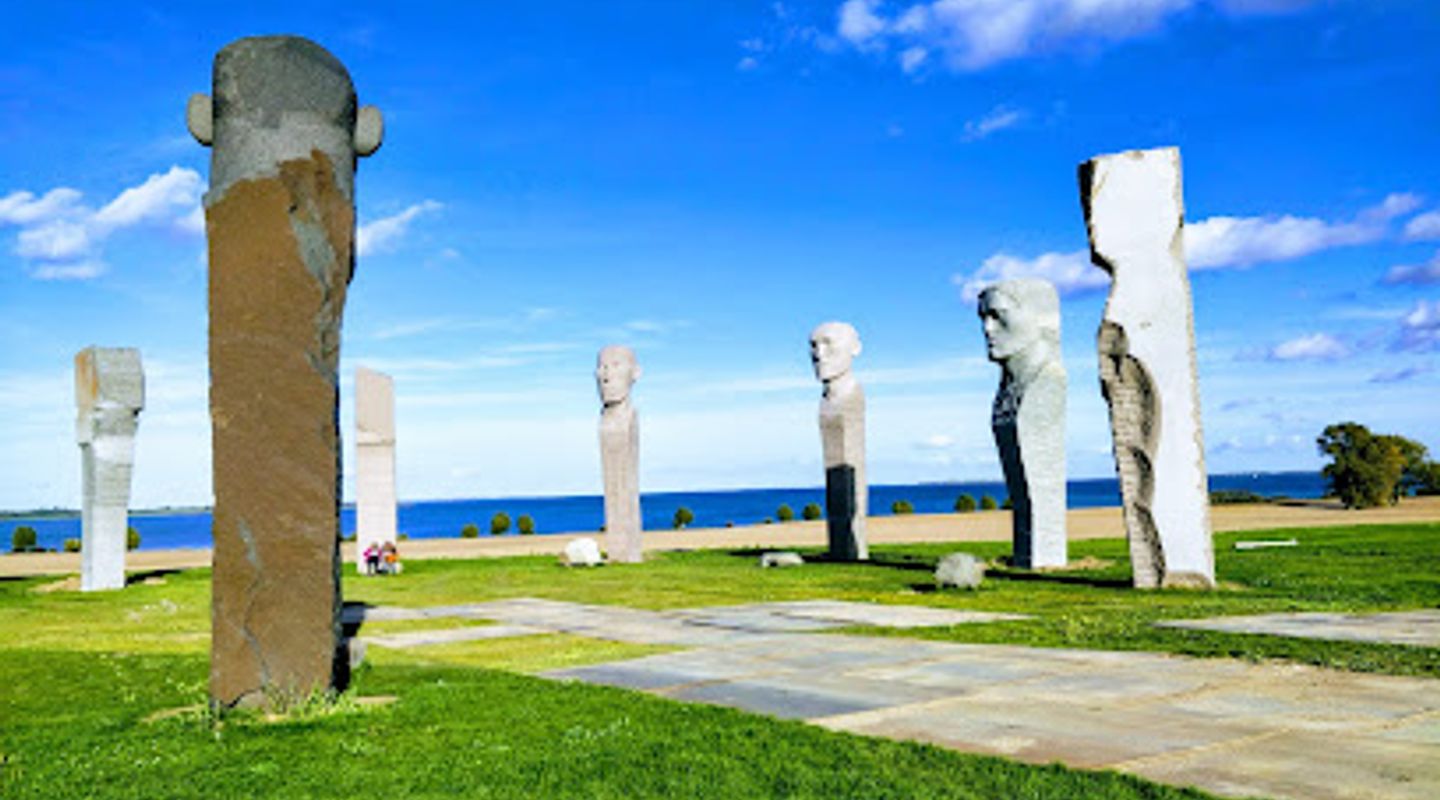
Set high in the so‑called “Alps of Lolland” above the Smålandsfarvandet, Dodekalitten is a monumental open‑air artwork: a circle of twelve towering granite figures, each 7–9m tall and weighing up to 45 tonnes, gazing into a 40m-wide stone ring. Conceived by sculptor Thomas Kadziola with a bespoke electroacoustic soundscape by composer Wayne Siegel, this part‑Stonehenge, part‑sound installation blends contemporary art, myth and the island’s ancient burial landscape into a single contemplative experience that is free to visit all year.
On-site amenities
 Restrooms
 Drink options
 Drinking water
 Food options
 Seating areas
 Picnic areas
 Trash bins
 Information boards
 Visitor centre
Opening hours
- Every dayOpen 24 hours
Opening hours as listed on the venue’s Google Business Profile. Hours can change for services and special events, so check with the venue before you go.
- Address
- Kragenæsvej 62, 4943 Lolland
- Phone
- Website
Getting there
Car from Maribo or Nakskov
Regional bus from Maribo
Bicycle from nearby towns
Discover more about Dodekalitten
Circle of Giants Above the Sea
Dodekalitten rises from a grassy hilltop on northern Lolland like a modern myth made solid. Twelve monumental granite figures stand in a wide circle, their carved heads turning inward as if locked in a timeless council. Each stone is between seven and nine metres high and weighs roughly 25 to 45 tonnes, yet the composition feels strangely light against the huge sky and distant horizon. From here you look out across the Smålandsfarvandet, with small islands scattered like stepping stones across the water.The name comes from Greek and means “twelve stones”, but this is no simple stone circle. It is a deliberate fusion of sculpture, landscape and sound, created to feel both ancient and futuristic. The site sits a few hundred metres from the coast, high in the gently rolling “Lolland Alps”, so wind, clouds and shifting light continually rewrite the backdrop, even while the granite remains still.
Art, Sound and a Fictional People
The concept was developed by sculptor Thomas Kadziola together with composer Gunner Møller Pedersen, later joined on the musical side by Wayne Siegel. Behind the artwork lies an invented legend of a people who supposedly came to Lolland thousands of years ago after their homeland vanished beneath the sea. That imagined migration feeds into the figures’ solemn expressions and their silent gathering above the water, as if they are still listening for echoes of their lost world.From discreet loudspeakers hidden among low sitting stones in the centre of the circle, electroacoustic music plays throughout daylight hours. The score is programmed to respond to conditions such as season, light and weather, so the soundscape is never exactly the same twice. Sometimes it is a low electronic hum, at other times a more melodic wash of tones, but always composed for this very spot, turning a visit into an enveloping, multisensory installation.
In the Company of Ancestors
Dodekalitten does not stand alone in the landscape. Just beyond the hill lie the passage grave Glentehøj and several Bronze Age burial mounds, reminders that this ridge has attracted ritual structures for millennia. Walking between the modern granite council and the older grassy mounds, it is easy to imagine a conversation across time between prehistoric builders and today’s artists.The surrounding area is a designated landscape of fields, small patches of woodland and open views. From the circle you can trace the curve of the coastline and spot ferries and pleasure boats threading through the Smålandsfarvandet below. On clear days the light can be razor sharp; in mist or drizzle the figures loom like ghosts, which only underlines the work’s play with memory and myth.
Moments of Stillness and Play
Despite its scale, Dodekalitten invites unhurried, intimate encounters. You can walk right up to each figure, studying the chisel marks, facial features and differences in posture. Some faces seem serene, others almost stern. The low stones in the centre encourage you to sit, listen and let the slowly shifting music and the wind work together. Many visitors use the space for quiet reflection, informal meditation or simply a long pause between journeys.The hilltop setting also lends itself to simple pleasures: children can explore the ring and nearby paths, families spread out picnics on the grass, and photographers chase changing light and dramatic silhouettes. Because the work is outdoors and open year‑round with free access, it feels more like a lived‑in part of the landscape than a fenced‑off monument.
A Living Work in Progress
Since the first stone was shaped in 2010, Dodekalitten has evolved gradually, with figures added and refined over the years and the soundtrack continuously tuned. This incremental approach reinforces the idea that the monument is alive rather than finished, a long unfolding conversation between artists, stories and the Lolland countryside.From time to time, the circle becomes a stage for concerts and cultural events that build on the site’s atmosphere instead of competing with it. Yet even on an ordinary weekday, with only the sound of wind, distant birds and the subtle electronic score, the hilltop has a distinct presence. It is at once an artwork, a viewpoint and a quiet outdoor room where past, present and imagined futures overlap in stone and sound.
Evendo Review Centre
 Google
Guest reviews
Best time to go
Quietest: Jan, Feb & Mar · before 8am or from 10pm
Busy times are Evendo estimates for a typical year, to help you plan. Actual crowds vary with events, school holidays and the weather.
Explore Dodekalitten on the map
A handpicked selection of must-see spots near Dodekalitten, mapped for you.
Get your free copy of our complete guide to Dodekalitten, delivered straight to you.
Everything on this page, from opening hours and how to get there to Eve’s tips and the best time to go, in one PDF you can read offline, print or share.
Already have an account? Sign in
Your Dodekalitten guide is ready.
We'll send it to · Not you? Sign out

Getting your guide ready…
We are putting together a fresh copy of the Dodekalitten guide. This can take up to a minute.
This can take a few moments. If your browser asks, choose Allow so the download can start. You'll find the guide in your Downloads folder.
Nothing happened? Download it again
Sorry, the guide is taking longer than usual. Please try again in a minute, or get it by email instead.
Other nearby places you may find interesting
The closest places of the same kind, if this one is not quite what you had in mind.
-
-
-
-
-


Swipe for more places
More to explore near Dodekalitten

 Best experiences near Dodekalitten
 Best hotels near Dodekalitten
 Best landmarks near Dodekalitten
 Best attractions near Dodekalitten
 Best shops near Dodekalitten
 Best restaurants near Dodekalitten
 Best bars near Dodekalitten
Do you manage this location?
Take control to get all the benefits, like improved information, better appearance, and stronger visibility across AI-powered discovery.
Explore more

Explore more of Falster
Discover Falster: A blend of serene beaches, rich history, and lush landscapes in Denmark's southern island treasure.
Explore Falster
Explore more of Denmark
Discover Denmark: A perfect blend of history, modern design, and the cozy concept of hygge. Explore vibrant cities, serene landscapes, and world-class cuisine.
Explore Denmark
