

Free Falster Travel Guide & Mobile App
Explore Falster with free travel guides. Discover regional history, expert tips, proposed trips, and audio guides on web or mobile app.


Explore Falster in Denmark for sandy beaches, cycling lanes, medieval history, coastal villages and Baltic landscapes around Nykøbing and Gedser.
Read more about Falster
When is the best time to visit Falster?
Best: June–August · 19–21°C| Month | High (°C) | Rainfall (mm) |
|---|---|---|
| January | 3 | 50 |
| February | 3 | 40 |
| March | 6 | 40 |
| April | 11 | 40 |
| May | 15 | 40 |
| June (best) | 19 | 50 |
| July (best) | 21 | 60 |
| August (best) | 20 | 60 |
| September | 17 | 50 |
| October | 13 | 50 |
| November | 8 | 50 |
| December | 5 | 50 |
Getting to and around Falster
How to get there
Transportation
Best attractions in Falster
Falster’s attractions are varied without being densely concentrated. Nykøbing Falster provides the island’s principal cultural base, with historic streets, museums and the medieval-themed Middelaldercentret just outside the town. At Eskilstrup, Krokodille Zoo offers an unusual family attraction centred on crocodilians and other reptiles. The island’s coast supplies a different kind of experience: Marielyst and Bøtø are suited to swimming, beach walks, cycling and summer recreation, while Gedser Odde appeals to visitors interested in open horizons, birdlife and exposed Baltic scenery. Inland, Horreby Lyng protects an area of wetland and heath, and the forests around Corselitze offer walking beneath mature trees alongside a historic estate landscape. Hesnæs combines a small harbour with distinctive thatched houses and access to coastal countryside. Falster is also rewarding for slower activities, including parish-church visits, birdwatching, cycling between villages and exploring the changing relationship between farmland, woodland, dunes and wetlands. Attractions are spread across the island, so an itinerary works best when grouped geographically rather than treated as a series of quick stops.
-
Tourist attraction
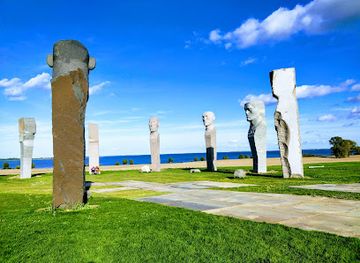
Dodekalitten
Towering granite figures, shifting electronic music and far‑reaching sea views combine at Dodekalitten to turn a Lolland hilltop into a timeless open‑air ritual space.
-
Zoo
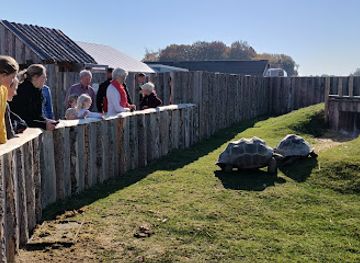
Crocodile Zoo, Falster
Tropisk, fugtig varme, kæmpekrokodiller og bevaringsprojekter samles i et kompakt, intenst reptilunivers midt på Falster.
-
Wildlife and safari park
Knuthenborg Safaripark
Drive among giraffes, meet rescued elephants and wander a roaring Dinosaur Forest in Northern Europe’s largest safari park on the Danish island of Lolland.
-
Museum
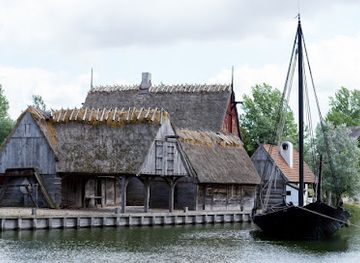
The Medieval Center
Experience 15th-century Denmark through living history, trebuchets, tournaments, and authentic medieval crafts.
Best landmarks in Falster
The most recognisable historic landmark on Falster is Nykøbing Falster’s Klosterkirken, a brick church associated with the town’s medieval Franciscan monastery and later royal connections. Although Nykøbing Castle no longer survives, its historical presence explains the town’s importance during the period of Queen Sophie and the Danish monarchy. At Corselitze, the manor house, park and surrounding forest form an important estate landscape, showing how aristocratic landholding shaped the island’s architecture and countryside. The thatched houses and harbour at Hesnæs provide a distinctive example of a small coastal settlement, while village churches across Falster preserve medieval and early modern building traditions in rural settings. In the south, Gedser Odde is a geographical landmark rather than a monumental structure: Denmark’s southernmost point presents an open meeting of land, sea and weather. Marielyst’s broad beach and the dune landscape of Bøtø are also defining natural landmarks, marking the transition from settled holiday coast to protected and wind-shaped terrain.
-
Historical landmark
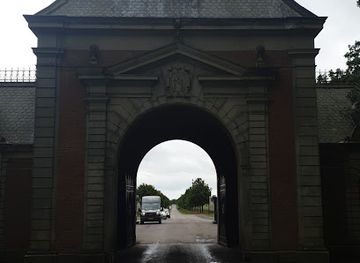
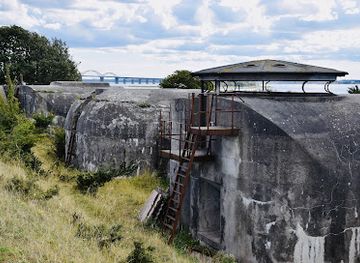
Masnedø Fort
Grassy ramparts, hidden bunkers and Baltic views on a small Danish island where a former coastal fortress now blends military history with art and open parkland.
-
Tourist attraction
Gedser Vandtårn
Denmark's southernmost water tower offering sweeping Baltic vistas and maritime heritage.
-
Archaeological site
Nykøbing Castle
Medieval fortress ruins where Danish kings ruled and Russian czars visited—a ghost of royal grandeur.
-
Tourist attraction
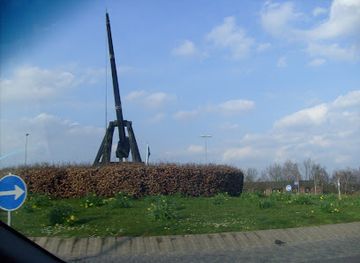
Trebuchet
A full-size medieval trebuchet rising from a modern roundabout, linking everyday traffic in Nykøbing Falster with the siege engines of the Middle Ages.

Explore Falster on the map
Plan your trip on one map. See where the top cities, national parks and sights are, and book hotels and experiences in a few clicks.
Best hotels in Falster
Best restaurants in Falster
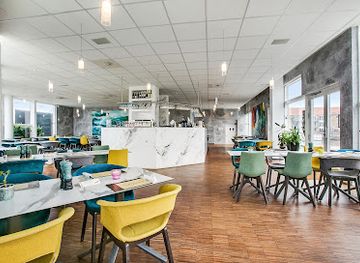
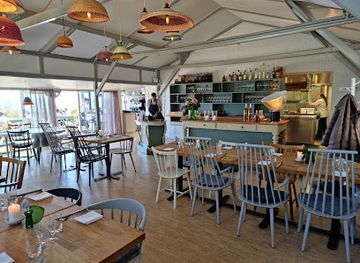
Dining on Falster reflects Danish coastal and agricultural life rather than a single narrowly defined local cuisine. Nykøbing Falster has the broadest choice of cafés, bakeries, restaurants and casual places to eat, while Marielyst develops a more seasonal food scene around its holiday population. Menus may feature fish, open sandwiches, pork, locally available vegetables, potatoes, berries and traditional cakes, alongside contemporary Danish cooking. Around the island, rural inns and smaller eateries provide a setting for unhurried meals, while beach districts are useful for ice cream, coffee and relaxed summer dining. Farm shops and local markets are good places to seek apples, strawberries, vegetables and other produce from the fertile islands of south-eastern Denmark. Visitors should distinguish between dishes that are nationally Danish and ingredients that are particularly associated with the region’s farms, coast and seasonal growing conditions. Opening patterns can be more limited outside the main towns and holiday season, making advance checking sensible for rural dining.
-
Restaurant
Larsens Plads
Bustling seafront-style restaurant and music bar on Marielyst’s main promenade, serving hearty Danish classics, cold drinks, and lively holiday atmosphere late into the night.
-
Restaurant
3kanten
Waterside café-restaurant on Nykøbing Falster’s harbourfront, serving generous brunch, burgers and drinks with relaxed Danish hygge and Guldborgsund views.
-
Chinese
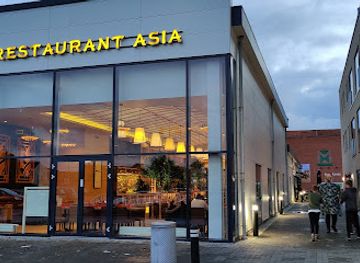
Restaurant Asia
Generous Asian buffet with Mongolian grill and desserts in the heart of Nykøbing Falster’s pedestrian street, ideal for casual lunches, family dinners and group celebrations.
-
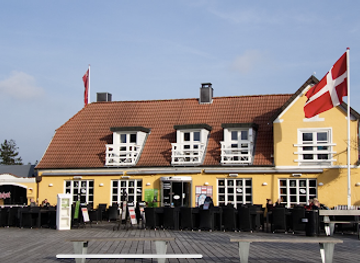
Restaurant
Pomle Nakke Traktørsted
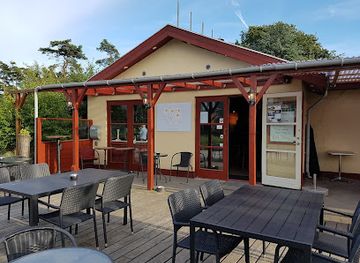
Sea-view Danish traktørsted on Falster’s forested cliffs, pairing local seasonal cuisine, classic smørrebrød and homemade cakes with sweeping Baltic horizons.
Best bars in Falster
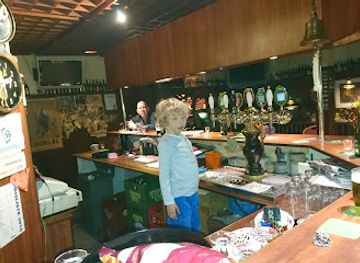
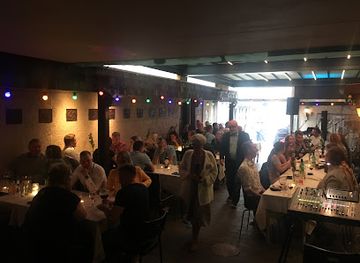
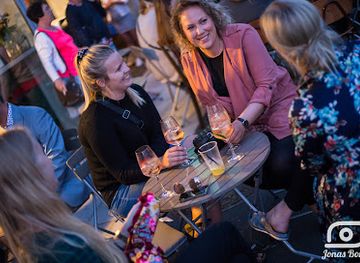
Falster’s evening life is concentrated in Nykøbing Falster and the summer resort of Marielyst rather than in a large club circuit. Nykøbing offers traditional pubs, cafés and restaurants where evenings are shaped by conversation, local gatherings and occasional live entertainment. In Marielyst, the atmosphere becomes more active during the holiday season, with casual bars, outdoor seating and late-day beach crowds, although the character remains that of a resort rather than a major nightlife capital. Smaller towns and villages generally rely on pubs, community events and restaurant dining, while rural evenings are quiet. Visitors interested in Danish drinks can look for local or regional beer, spirits and seasonal menus, but individual venues and opening patterns change. A sensible plan is to dine in Nykøbing or Marielyst and treat nightlife as a complement to the island’s beaches, harbour walks and summer cultural programming rather than its central attraction.
-
Bar
Slap A'
Unpretentious local bar in Nykøbing Falster with pool tables, cheap drinks and a cosy, lived-in vibe that feels more like a neighbourhood living room than a venue.
-
Bar
Billie Jean Bar
Cozy smørrebrød café by day and intimate cocktail bar by night, Billie Jean Bar brings easygoing Danish nightlife to pedestrian Østergågade in Nykøbing Falster.
-
Bar
Café Daisy
Laid-back beachfront bar and café on Marielyst’s main strip, ideal for a casual drink or simple meal just moments from the wide sands of Falster’s popular resort.
-
Bar
FUND BAR
Waterfront cocktails, cozy Danish design and harbor views combine at FUND BAR, Nykøbing Falster’s intimate Slotsbryggen bar for relaxed evenings by the quay.
Best nightclubs in Falster
Falster’s evening life is concentrated in Nykøbing Falster and the summer resort of Marielyst rather than in a large club circuit. Nykøbing offers traditional pubs, cafés and restaurants where evenings are shaped by conversation, local gatherings and occasional live entertainment. In Marielyst, the atmosphere becomes more active during the holiday season, with casual bars, outdoor seating and late-day beach crowds, although the character remains that of a resort rather than a major nightlife capital. Smaller towns and villages generally rely on pubs, community events and restaurant dining, while rural evenings are quiet. Visitors interested in Danish drinks can look for local or regional beer, spirits and seasonal menus, but individual venues and opening patterns change. A sensible plan is to dine in Nykøbing or Marielyst and treat nightlife as a complement to the island’s beaches, harbour walks and summer cultural programming rather than its central attraction.
-
Bar
Billie Jean Bar
Billie Jean Bar is the beating heart of Nykøbing Falster’s nightlife—friendly crowds, handcrafted drinks, DJs, and vibrant atmosphere in Falster’s central urban hub.
-
Bar
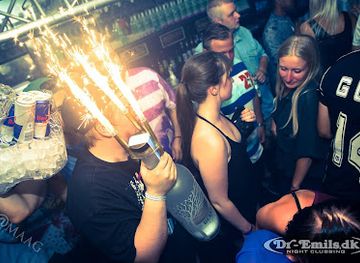
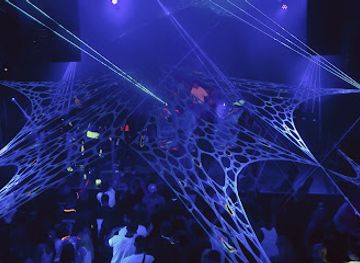
Dr. Emil Laboratory, Marielyst
Beachfront nightclub with live music and high-energy summer parties on Danish soil.
-
Bar
N.Y.K. Event
Compact late-night bar and nightclub in central Nykøbing Falster, mixing DJs, events and a busy dance floor for straightforward, high-energy weekend nights.
-
Jazz
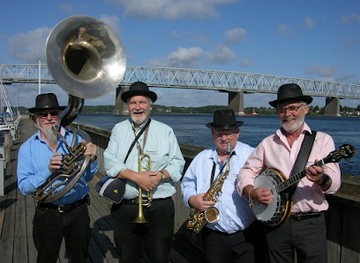
Riverside Jazz Club
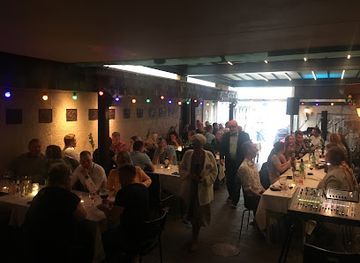
Intimate riverside venue where volunteer passion, close-up performances and cozy winter concerts keep live jazz thriving in Nykøbing Falster.
Best shops in Falster
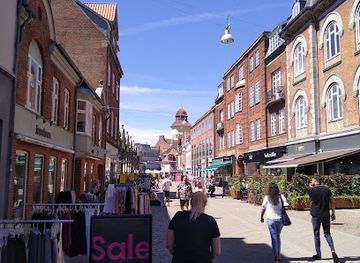
Shopping on Falster is centred on Nykøbing Falster, where the town centre provides everyday retail, independent businesses, cafés and services for the surrounding island. Marielyst has a more seasonal selection of shops aimed at beach visitors and holiday residents, including clothing, gifts, outdoor equipment and convenience goods. Smaller settlements offer practical local shopping rather than extensive retail districts. Farm shops, roadside stalls and markets are particularly worthwhile for regional produce such as fruit, berries, vegetables, preserves and baked goods, with availability changing through the year. Visitors may also find Danish design, ceramics, knitwear, books and small craft items in independent shops and galleries, though the range is modest compared with Copenhagen or larger Danish cities. A useful souvenir is often an edible one: local honey, jam, biscuits or seasonal produce can be easier to carry and more closely connected with Falster’s agricultural character than mass-produced tourist merchandise.
-
Flea market
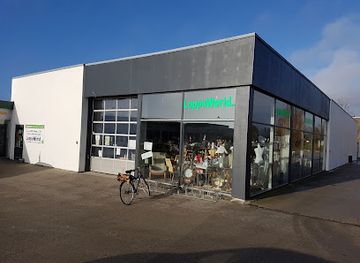
Loppeworld
A sprawling indoor flea market on Falster where Danish everyday life, vintage finds, and low-cost treasures gather under one weatherproof roof.
-
Clothing store
H&M
Central Nykøbing Falster fashion stop offering affordable clothing and accessories for all ages in a bright, modern high-street store on Jernbanegade.
-
Supermarket
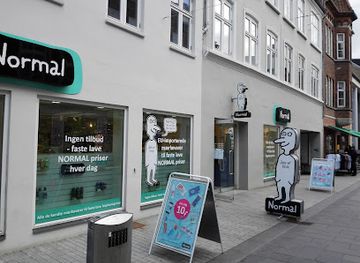
Normal
Compact, budget-friendly variety store on Nykøbing Falster’s main pedestrian street, ideal for everyday essentials, beauty bargains and spontaneous small finds.
-
Supermarket
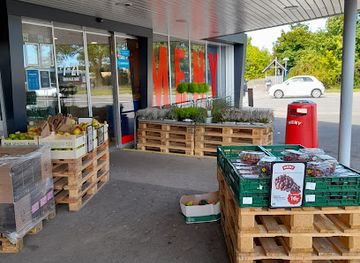
Meny
Full-service Danish supermarket in Nykøbing Falster with fresh produce, in-house butcher and deli, strong wine selection and long daily opening hours.
Get your free copy of our complete guide to Falster, delivered straight to you.
Everything on this page, from attractions and restaurants to essentials and local phrases, in one PDF you can read offline, print or share.
Already have an account? Sign in
Your Falster guide is ready.
We'll send it to · Not you? Sign out

Getting your guide ready…
We are putting together a fresh copy of the Falster guide. This can take up to a minute.
This can take a few moments. If your browser asks, choose Allow so the download can start. You'll find the guide in your Downloads folder.
Nothing happened? Download it again
Sorry, the guide is taking longer than usual. Please try again in a minute, or get it by email instead.
Falster essentials
Currency and Payment
Safety
Emergency Situations
Do's and Don'ts
Local Tips
From Eve
Local phrases worth knowing
You don't need to get them perfect. A few words go a long way, and locals appreciate the effort.
Basics
| English | Local | Say it |
|---|---|---|
| Hello | Hello | [huh-loh] |
| Goodbye | Goodbye | [guhd-bye] |
| Yes | Yeah | [yeh] |
| No | Nope | [nohp] |
| Please/You're welcome | Please | [pleez] |
| Thank you | Thank you | [thangk yoo] |
| Excuse me/Sorry | Excuse me | [ex-kyoos mee] |
| How are you? | How are ya? | [how ahr yah] |
| Fine. And you? | Fine. And you? | [fayn. and yoo?] |
| Do you speak English? | Do ya speak English? | [doo yah speek ing-glish?] |
| I don't understand | I don't get it | [eye dohnt get it] |
Eating & Drinking
| English | Local | Say it |
|---|---|---|
| I'd like to see the menu, please | Can I see the menu, please? | [kan eye see thuh men-yoo, pleez?] |
| I don't eat meat | I don't eat meat | [eye dohnt eet meet] |
| Cheers! | Cheers! | [cheers] |
| I would like to pay, please | I'd like to pay, please | [eyed lyk to pay, pleez] |
Emergencies
| English | Local | Say it |
|---|---|---|
| Help! | Help! | [help] |
| Go away! | Go away! | [goh uh-way] |
| Call the Police! | Call the cops! | [kahl thuh cops] |
| Call a doctor! | Call a doctor! | [kahl a dok-tor] |
| I'm lost | I'm lost | [eye'm lost] |
| I'm ill | I'm sick | [eye'm sik] |
Shopping
| English | Local | Say it |
|---|---|---|
| I'd like to buy... | I'd like to buy... | [eyed lyk to buy...] |
| I'm just looking | I'm just browsing | [eye'm juhst brows-ing] |
| How much is it? | How much is this? | [how muhch iz this?] |
| That's too expensive | That's too pricey | [thats too pry-see] |
| Can you lower the price? | Can you bring down the price? | [kan yoo bring down thuh pryce?] |
Time & Numbers
| English | Local | Say it |
|---|---|---|
| What time is it? | What time is it? | [what tym iz it?] |
| It's one o'clock | It's one o'clock | [its wun uh-clock] |
| Half past (10) | Half past ten | [haf pahst ten] |
| Morning | Morning | [mor-ning] |
| Afternoon | Afternoon | [af-ter-noon] |
| Evening | Evening | [eev-ning] |
| Yesterday | Yesterday | [yes-ter-day] |
| Today | Today | [to-day] |
| Tomorrow | Tomorrow | [to-mor-row] |
| 1 | 1 | [wuhn] |
| 2 | 2 | [too] |
| 3 | 3 | [three] |
| 4 | 4 | [for] |
| 5 | 5 | [fahyv] |
| 6 | 6 | [sihks] |
| 7 | 7 | [sev-en] |
| 8 | 8 | [ate] |
| 9 | 9 | [nyn] |
| 10 | 10 | [ten] |
Transport & Directions
| English | Local | Say it |
|---|---|---|
| Where's a/the...? | Where's the...? | [whehrs thuh...?] |
| What's the address? | What's the address? | [whats thuh ad-dress?] |
| Can you show me (on the map)? | Can you show me on the map? | [kan yoo shoh mee on thuh map?] |
| When's the next (bus)? | When's the next bus? | [wenz thuh nekst bus?] |
| A ticket (to ....) | A ticket to .... | [a tik-it to ....] |
History of Falster
Stone Age settlement and the island landscape
Falster has been inhabited since prehistoric times, when its coast, wetlands and sheltered inlets supported communities of hunters, fishers and early farmers. Archaeological finds across the island include evidence of Stone Age settlement, tools and burial traditions. Later agricultural communities cleared parts of the original woodland and established the pattern of fields, villages and parish territories that still shapes the countryside. The island’s position between the Baltic and the Danish archipelago also made travel and exchange important from an early period.
Medieval Falster and the Danish crown
During the Middle Ages, Falster developed within the Danish kingdom as a productive agricultural island and a strategically placed Baltic territory. Nykøbing grew as a market town and royal centre, while churches and village settlements were built in brick and stone across the island. The reconstructed medieval environment at the Middelaldercentret near Nykøbing reflects the urban life, crafts, technology and social hierarchy of the fourteenth century. Medieval parish churches remain among the most visible survivals of this period.
Nykøbing Castle and Queen Sophie
Nykøbing Castle became particularly associated with Queen Sophie, the widow of King Frederick II, who lived there from the late sixteenth century and administered her dower lands in Lolland and Falster. Her court brought political activity and cultural life to the town, although the castle itself was later dismantled and its materials reused. The site illustrates how royal residences could shape a regional town even after the buildings that once dominated it had disappeared.
Agriculture, estates and rural transformation
From the early modern period onwards, Falster’s economy was strongly shaped by agriculture and the estates that controlled substantial areas of land. Manor houses, landscaped parks, forests and tenant villages reflect this hierarchy, with Corselitze among the most notable estate landscapes. Improvements in farming, drainage and transport gradually altered the island’s lowlands. In the nineteenth and twentieth centuries, sugar beet cultivation became especially important in the wider south-eastern Danish economy, linking Falster’s farms to factories and export networks.
Ports, railways and the Gedser connection
Falster’s modern history was transformed by better roads, railways and maritime links. Nykøbing became a regional transport centre, while Gedser developed as a southern gateway towards Germany and the Baltic. Train ferries and passenger ferries connected the island with routes across the water, encouraging trade, travel and the movement of goods. Some former transport arrangements have changed or ended, but the stations, harbour infrastructure and the continuing importance of Gedser preserve the island’s role as a link between Denmark and continental Europe.
Tourism and the coastal holiday landscape
The twentieth century brought a new economic role for Falster’s coast. Marielyst and the Bøtø area developed into major Danish holiday districts, with summer houses, campsites and recreational facilities alongside the beach and dunes. This tourism did not replace agriculture but added a seasonal layer to the island’s economy and identity. Today, Falster balances beach holidays and outdoor recreation with heritage tourism, nature conservation and the everyday life of its market towns and farming communities.
Falster in Photos
Browse through our photo collection highlighting the charm and character of the destination.
Neighbouring regions of Falster
The closest regions to Falster, if you have time for more than one.
-

-

-
-
-


Swipe for more regions
Explore more

Explore more of Denmark
Discover Denmark: A perfect blend of history, modern design, and the cozy concept of hygge. Explore vibrant cities, serene landscapes, and world-class cuisine.
Explore Denmark