
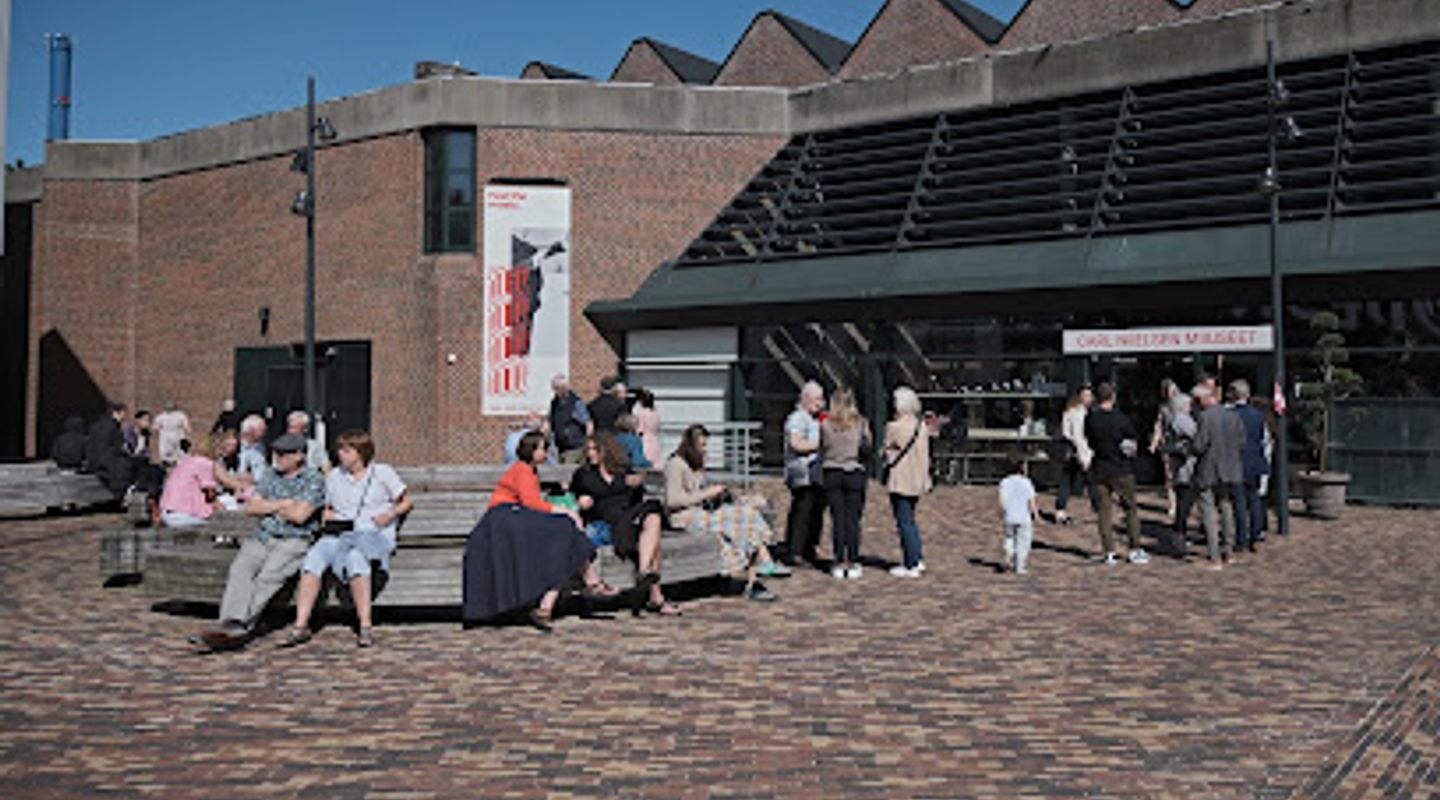
Carl Nielsen Museum, Funen Travel Guide
An intimate, sound‑rich museum in Odense’s musical quarter, tracing Denmark’s great composer Carl Nielsen from Funen roots to national cultural icon.
Tucked into Odense’s musical quarter beside the city’s concert hall, the Carl Nielsen Museum celebrates Denmark’s most famous composer through sound, story and carefully curated objects. Compact yet thoughtfully designed, the museum traces Nielsen’s journey from humble Funen roots to national icon, weaving manuscripts, photographs and personal belongings with atmospheric audio installations that let his symphonies and songs surround you. It’s an intimate cultural stop ideal to pair with nearby museums and the cathedral.
A brief summary to Carl Nielsen Museum
- Claus Bergs Gade 11, Odense Municipality, Odense C, 5000, DK
- Click to display
- Click to display
- Duration: 1 to 2 hours
- Free
-
 Indoor
- Mobile reception: 5 out of 5
- Monday 10 am-5 pm
- Tuesday 10 am-5 pm
- Wednesday 10 am-5 pm
- Thursday 10 am-5 pm
- Friday 10 am-5 pm
- Saturday 10 am-5 pm
- Sunday 10 am-5 pm

Know before you go
Hi, I'm Eve. Here are a few practical things to know before exploring Carl Nielsen Museum.
- Plan 60–90 minutes inside; the museum is compact but the audio and video installations reward slow listening.
- Combine your visit with Odense Cathedral and nearby museums in the historic center for a relaxed cultural half‑day.
- Bring headphones if you like to linger on musical excerpts from your own device after discovering new works inside.
- Check current opening hours in advance; the museum’s schedule can vary seasonally and on some weekdays.
- If travelling with children, use the musical listening stations as short, focused stops to keep younger visitors engaged.
Do you manage this location?
Take control to get all the benefits, like improved information, better appearance, and stronger visibility across AI-powered discovery. Learn more about listing your business on Evendo
Activate your presenceOther nearby places you may find interesting
The closest places of the same kind, if this one is not quite what you had in mind.

Explore Carl Nielsen Museum on the Map
A handpicked selection of must-see spots near Carl Nielsen Museum, mapped for you.
Getting There
-
Tram and short walk from Odense Station
From Odense Station, take the light rail one or two stops toward the city centre and get off near the historic core; trams run frequently throughout the day and a single ticket typically costs around 20–30 DKK. From the stop it is an easy, mostly level 10–15 minute walk through central streets to the museum, suitable for most visitors, though cobblestones in some sections may be a consideration for wheelchairs and prams.
-
City bus within Odense
Several local bus lines connect residential districts with the central area around the concert hall in 10–20 minutes depending on traffic. Expect to pay roughly 20–30 DKK for a single adult ticket purchased by app or from a ticket machine; services are generally more frequent on weekdays and daytime hours than late evenings. Most buses have low floors, making this option practical for visitors with limited mobility.
-
Walking from Odense city centre
If you are staying in central Odense, the museum can be reached on foot in roughly 10–20 minutes from most hotels and sights in the old town area. The route passes through relatively flat city streets with some cobbled sections and is manageable in most weather, though sturdy footwear is advisable in rain or winter conditions.
-
Car and nearby parking facilities
Drivers approaching from elsewhere on Funen can follow main roads into Odense and head toward the central cultural quarter, where several multi‑storey car parks serve the concert hall area. Typical parking fees in central Odense are in the region of 15–25 DKK per hour, with time limits and higher demand during weekday business hours and major events; vehicles higher than standard car size may find spaces limited in some garages.
For the on-the-go comforts that matter to you
-
 Restrooms
-
 Drink Options
-
 Food Options
-
 Seating Areas
-
 Trash Bins
-
 Information Boards
Discover more about Carl Nielsen Museum
Portrait of Denmark’s Great Symphonist
The Carl Nielsen Museum offers a focused, atmospheric introduction to Denmark’s most celebrated composer, born on Funen and forever linked with Odense. Inside, the story unfolds across a compact, modern exhibition that feels closer to a studio or rehearsal space than a grand gallery. Manuscripts, letters and photographs sketch Nielsen’s rise from rural beginnings to a central voice in Danish musical life, while concise texts place his works in the wider European context.Rather than bury you in dense musicology, the displays highlight key turning points in his career: the early violin pieces, the bold orchestral experiments, the songs that have become part of Denmark’s cultural identity. The result is a clear narrative arc that helps you understand not just what Nielsen wrote, but why his music still resonates.Immersive Sound and Thoughtful Design
This is very much a museum designed around listening. Subtle speakers and targeted sound showers let you experience fragments of symphonies and songs without overwhelming the space, creating shifting soundscapes as you move between sections. Audiovisual stations layer archive footage, scores and performance excerpts, giving newcomers an accessible way into a sometimes challenging composer.Lighting is soft and theatrical, picking out instruments, scores and personal items while keeping the overall mood calm. Seating is dotted through the rooms so you can pause with a particular piece, follow the score on screen or simply close your eyes and let the music wash over you. The modest scale means you can explore at your own pace without feeling rushed.Objects, Memories and Everyday Life
Beyond the music, the museum opens a window onto Nielsen’s everyday world. Personal belongings, domestic photographs and contemporary items from late 19th- and early 20th‑century Denmark bring his home life into focus. Together they sketch the portrait of a busy artistic household, closely connected to the cultural currents of its time.The museum also nods to the artistic partnership between Carl Nielsen and his sculptor wife Anne Marie Carl‑Nielsen, whose work is highlighted elsewhere in Odense. References to her sculptures and shared circles underline how intertwined music and visual art were in their lives. It adds a human dimension that balances the more technical aspects of the exhibition.Part of Odense’s Cultural Cluster
Set within Odense’s musical quarter and housed alongside the concert hall, the museum naturally invites you to think about performance as well as biography. Large windows and glimpses of the surrounding cultural buildings place the composer’s legacy firmly in the living city, not in isolation. It is easy to combine a visit here with Odense Cathedral, nearby museums and walks through the historic streets.Because the exhibition is relatively small, it works well as a one‑ to two‑hour stop within a broader day of exploring. For those planning a deeper dive into Nielsen’s life, it pairs neatly with his childhood home in the countryside outside Odense, which explores his formative years and musical roots.A Compact Gem for Music Lovers
While specialists will appreciate original materials and contextual detail, the museum has been designed so that you can arrive with little prior knowledge and still leave with a real sense of who Carl Nielsen was. Clear storytelling, gentle multimedia and a manageable size make it welcoming for families, casual culture seekers and dedicated music enthusiasts alike.By the time you step back into the streets of Odense, Nielsen’s melodies and harmonies tend to linger, framed by the city that shaped him. The museum’s strength lies in that intimacy: it doesn’t try to be comprehensive, but offers a concentrated, carefully tuned encounter with one composer and the world that inspired him.












Your all‑in‑one travel companion app
Explore expert travel guides, compare and book tours, experiences, hotels, and more—all from the palm of your hand. Download now for seamless trip planning wherever your wanderlust takes you.


Explore More of Funen
Looking beyond Carl Nielsen Museum? Discover Funen for broader travel guides, local hot-spots, and regional highlights.
Explore Funen
Gothic grandeur and royal history meet in the heart of Odense at St. Canute's Cathedral, a landmark of spiritual and architectural significance on Funen.
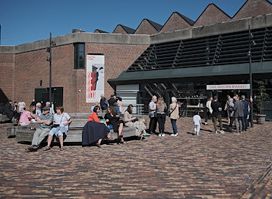
Compact yet richly layered museum in Odense’s musical quarter, tracing Carl Nielsen’s life, music and partnership with sculptor Anne Marie Carl-Nielsen.
