

Free Funen Travel Guide & Mobile App
Explore Funen with free travel guides. Discover regional history, expert tips, proposed trips, and audio guides on web or mobile app.


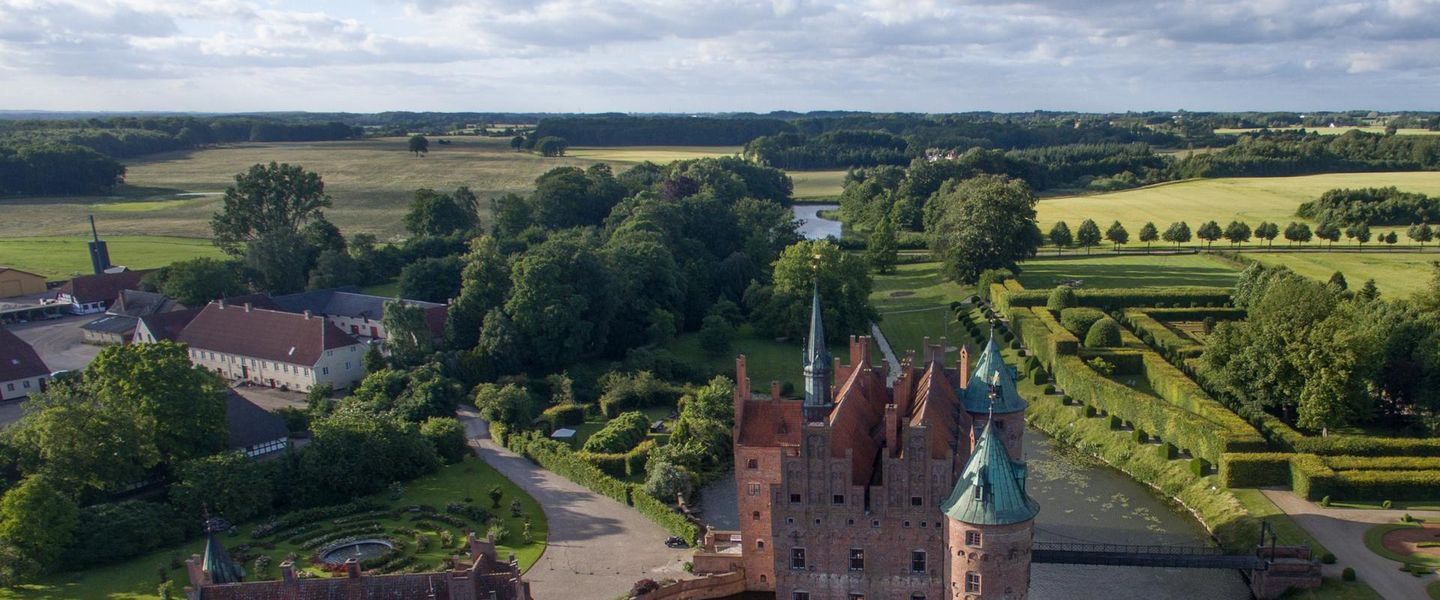


Explore Funen’s historic Odense, Renaissance estates, market towns, coastal villages, cycling routes and South Funen landscapes in central Denmark.
Read more about Funen
When is the best time to visit Funen?
Best: June–August · 19–21°C| Month | High (°C) | Rainfall (mm) |
|---|---|---|
| January | 3 | 40 |
| February | 4 | 30 |
| March | 6 | 40 |
| April | 11 | 40 |
| May | 16 | 50 |
| June (best) | 19 | 60 |
| July (best) | 21 | 60 |
| August (best) | 21 | 60 |
| September | 18 | 50 |
| October | 13 | 50 |
| November | 7 | 50 |
| December | 4 | 40 |
Getting to and around Funen
How to get there
Transportation
Top city travel guides in Funen
The cities of Funen, and the easiest places to base yourself.
-
-
-

-
-


Swipe for more cities
Destinations in Funen
Resorts, valleys and scenic spots worth a trip of their own.

Swipe for more destinations
Best attractions in Funen
Funen’s attractions range from literary and urban culture in Odense to castles, museums, harbours and open countryside. In Odense, the Hans Christian Andersen museum and childhood home explore the author’s life, while the Funen Village presents rural buildings, crafts and landscapes from the island’s agricultural past. Egeskov Castle near Kværndrup combines a remarkably preserved Renaissance water-castle setting with gardens, collections and extensive grounds. Nyborg offers medieval royal history, and the coastal towns of Kerteminde, Svendborg, Faaborg, Assens and Middelfart bring maritime heritage and local museums. Outdoor visitors can walk through the Svanninge Bakker hills, explore the headland of Fyns Hoved or follow cycle routes through orchards, farms and beech woods. The waters around southern Funen provide access to islands and sailing landscapes, while the Little Belt coast near Middelfart introduces beaches, woodland and views across the strait. The island’s appeal is less about a single monumental sight than the close succession of cultural, historic and natural experiences within a manageable but still varied region.
-
Castle
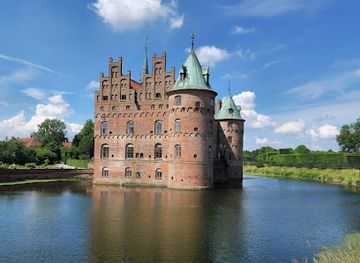
Egeskov Castle
A storybook Renaissance water castle on Funen, where historic halls, award‑winning gardens, playful museums and forest adventures create a full day in the Danish countryside.
-
Zoo
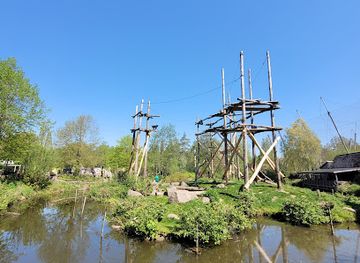
Odense Zoo
Green, riverside zoological gardens in Odense, where manatees, penguins and savannah animals share leafy parkland, treetop walks and playful spaces for all ages.
-
Shopping mall
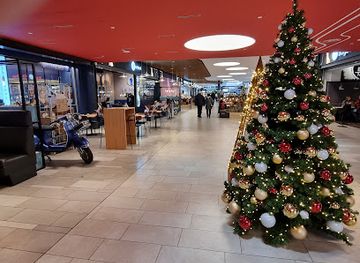
Rosengårdcentret
Funen’s largest shopping centre, blending over 150 stores, 25 eateries and a cinema into a bright, weather-proof hub for everyday errands and relaxed days out.
-
Museum
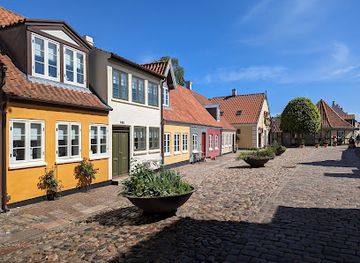
H. C. Andersens House
Step into a modern fairy tale where immersive storytelling, bold architecture and a living garden bring Hans Christian Andersen’s world to life in the heart of Odense.
Best landmarks in Funen
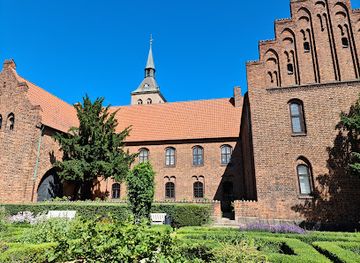
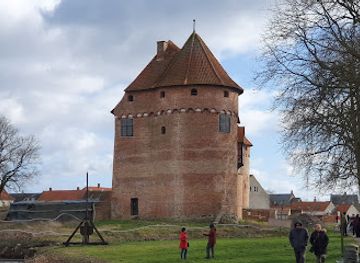
Odense Cathedral, formally Saint Canute’s Cathedral, is one of Funen’s most important ecclesiastical landmarks and is associated with the cult of King Canute, who was killed in Odense in 1086. Nyborg Castle and the surrounding historic town represent the island’s medieval royal importance and its connection with the Danehof assemblies. Egeskov Castle near Kværndrup is Funen’s defining Renaissance landmark: its brick walls, towers and moat create a highly distinctive architectural composition in a designed estate landscape. Along the coast, the old harbours and merchant streets of towns such as Faaborg, Kerteminde and Svendborg express Funen’s maritime and trading past. The island also has recognisable natural landmarks, including the exposed headland of Fyns Hoved and the rolling hills of Svanninge Bakker. In Odense, Hans Christian Andersen’s childhood home and the historic streets around it carry international literary significance. Together these places show how royal power, religion, agriculture, seafaring and literary culture have left visible marks across the island.
-
Cathedral
Odense Cathedral - St. Canute's Church
A luminous Brick Gothic cathedral in the heart of Odense, where Viking kings, saintly relics and fairy-tale echoes share a serene, whitewashed nave and atmospheric crypt.
-
Tourist attraction
Nyborg Fortress
Medieval parliament seat where Danish kings shaped a nation's destiny and founded a Nordic empire.
-
Historical landmark
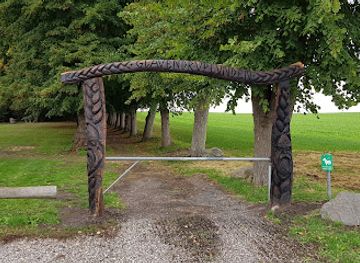
The Glavendrup Stone
Denmark's longest runic inscription, carved with divine invocation and protective curse.
-
Castle
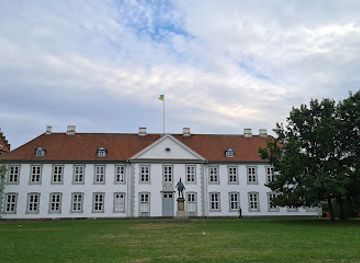
Odense Castle
A stately Baroque residence turned civic landmark, Odense Castle pairs calm Scandinavian architecture with a leafy park right in the heart of the city.
Explore Funen on the map
Plan your trip on one map. See where the top cities, national parks and sights are, and book hotels and experiences in a few clicks.
Best hotels in Funen
Best restaurants in Funen
Funen’s dining reflects its agricultural setting and long coastline. Apples, berries, vegetables, grains, dairy produce and locally raised meat appear in farm shops, bakeries, cafés, pubs and contemporary restaurants across the island. Odense has the broadest choice, from casual dining and coffee culture to modern kitchens, while Svendborg, Faaborg, Kerteminde and other harbour towns add fish, shellfish and seasonal seafood to the menu. Traditional Danish open sandwiches, pastries and cakes are easy to find, but Funen’s strongest regional character is often expressed through changing menus based on local produce rather than a single emblematic dish. Farm shops and food markets are useful for buying fruit, preserves, cheese, bread and drinks for a picnic or self-catering stay. Rural inns and manor-associated restaurants provide a more leisurely setting, whereas coastal cafés suit a lighter meal after walking or cycling. Opening patterns can be seasonal outside the larger towns, so rural dining benefits from advance planning.
-
Fast Food
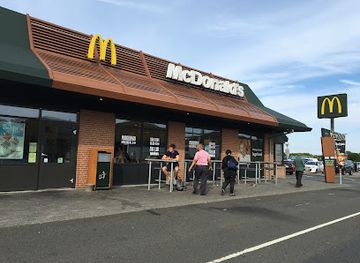
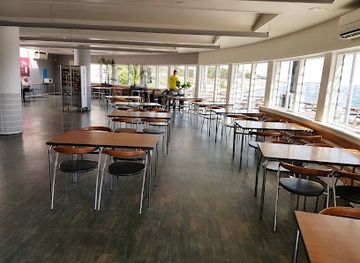
McDonald's Nyborg
Roadside McDonald’s by the Great Belt route, offering familiar fast food, long hours and easy access for drivers, families and travellers crossing Denmark.
-
Restaurant
Monarch Nyborg
Busy roadside restaurant by the Great Belt corridor, serving straightforward comfort food and practical facilities for drivers taking a well-earned break.
-
Restaurant
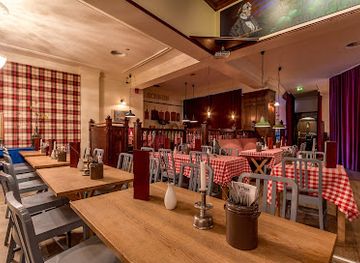
Eydes Gastro Pub
Lively all‑day gastro pub in the heart of Odense, blending generous brunches, casual dining and cocktails in a warm, modern pub‑brasserie setting.
-
Asian Fusion
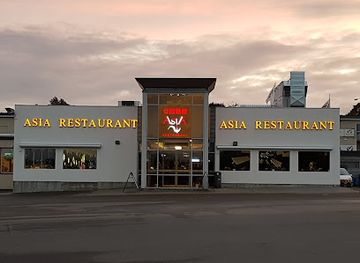
Asia Restaurant
Casual, all‑you‑can‑eat Asian buffet with sushi and family‑friendly value in a modern, easygoing setting on the edge of Nyborg.
Best bars in Funen
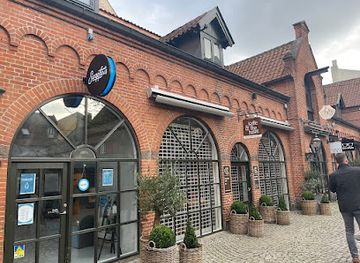
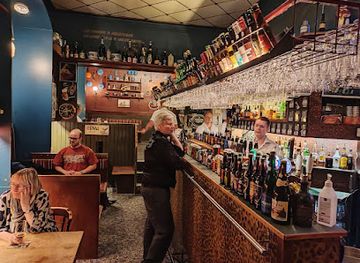
Evening life on Funen is concentrated in Odense, where students, residents and visitors support pubs, cafés, cocktail bars, live-music venues and a modest club scene. The city centre is the main place for a later night, although the character varies between relaxed traditional pubs and more contemporary drinking spaces. Svendborg has a strong harbour-town social life, with pubs, restaurants and cultural venues providing evening activity, while Faaborg, Kerteminde, Middelfart and other smaller towns are generally quieter and more seasonal. Across the countryside, historic inns, village pubs, breweries and restaurant terraces are more typical than nightclubs. Summer brings longer evenings and busier waterfronts, but rural venues may close earlier or operate limited hours outside the main season. Visitors should check current programmes for concerts and theatre, since live entertainment is often venue-specific rather than organised around a single nightlife district.
-
Irish pub
The Old Irish Pub
Massive Irish pub with live music, hearty food, and authentic atmosphere in central Odense.
-
Bar
Carlsens Kvarter
Classic Odense beer bar with old-world charm, an impressive selection of European and Danish brews, and a warmly local atmosphere just beyond the city centre.
-
Irish pub
Ryan's Irish Pub
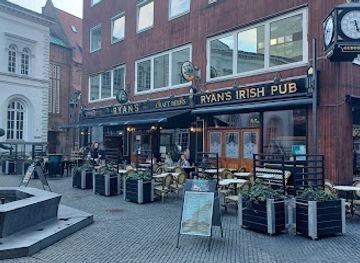
Odense’s oldest Irish pub, blending pints, pub comfort food, live music and big-screen sports in a lively, memorabilia-filled setting by the harbour.
-
Wine bar
Amy's Bar & Winehouse
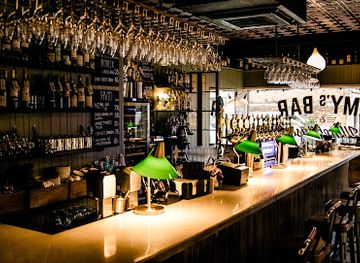
Cosy Barcelona-inspired wine bar and tapas hangout in central Odense, perfect for relaxed glasses, sharing boards and lingering, sociable evenings.
Best nightclubs in Funen
Evening life on Funen is concentrated in Odense, where students, residents and visitors support pubs, cafés, cocktail bars, live-music venues and a modest club scene. The city centre is the main place for a later night, although the character varies between relaxed traditional pubs and more contemporary drinking spaces. Svendborg has a strong harbour-town social life, with pubs, restaurants and cultural venues providing evening activity, while Faaborg, Kerteminde, Middelfart and other smaller towns are generally quieter and more seasonal. Across the countryside, historic inns, village pubs, breweries and restaurant terraces are more typical than nightclubs. Summer brings longer evenings and busier waterfronts, but rural venues may close earlier or operate limited hours outside the main season. Visitors should check current programmes for concerts and theatre, since live entertainment is often venue-specific rather than organised around a single nightlife district.
-
Bar
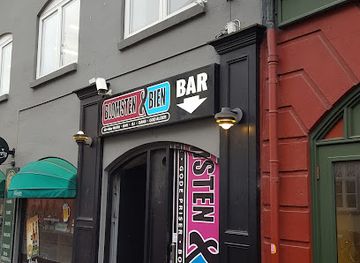
The Flower and the Bee
Odense's vibrant weekend dance bar where the city comes alive after dark.
-
Event venue
The slaughterhouse Nightclub & Eventhus
Industrial Odense history turned into a pulsing event house, where a former slaughterhouse now hosts DJs, dancing, big parties and late‑night celebrations.
-
Night club
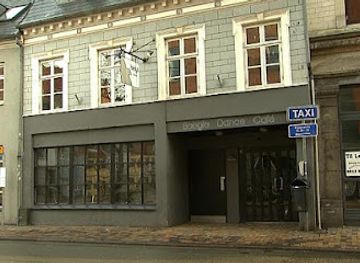
Boogie Dance Café
Odense's oldest disco where retro charm meets genuine community dancing.
-
Disco club
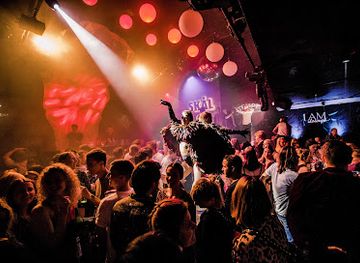
BUTCHERS Odense
High-energy nightclub on Odense’s Overgade, mixing pounding bass, lights and late-night drinks in a central old-town setting steps from major sights.

Best shops in Funen
Shopping on Funen is strongest in its market towns and city centres rather than in large-scale luxury districts. Odense offers the widest selection of department stores, independent shops, bookshops, design retailers, cafés and galleries, with pedestrianised central streets providing the principal shopping area. Svendborg and Faaborg have a more small-scale character, combining everyday retail with craft, art and maritime-town businesses, while Kerteminde and other coastal communities are suited to browsing galleries, local goods and seasonal souvenirs. Farm shops around the island are among the best places to buy Funen apples, juices, preserves, vegetables, cheese, bread and locally produced drinks. Food markets and seasonal stalls vary by town and time of year, so current local information is useful. Visitors looking for gifts can consider Danish design, ceramics, textiles, books connected with Hans Christian Andersen and handmade items from regional artists, while antiques and second-hand goods appear in selected market-town shops rather than in a single island-wide district.
-
Shopping mall
Tarup Center
Everyday Odense under one roof: a compact, light-rail-connected mall for easy groceries, casual shopping and relaxed family time in the Tarup district.
-
Department store
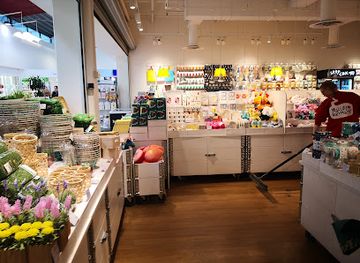
Magasin Odense
Stylish three-level department store in Odense’s pedestrian heart, blending Nordic fashion, beauty and design with cosy cafés and all-weather urban browsing.
-
Comic book store
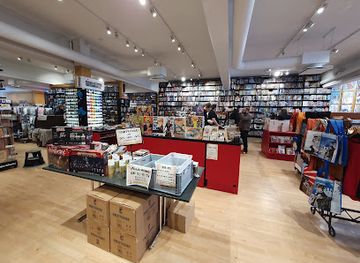
Faraos Cigarer
A 600 m² geek haven in central Odense, uniting comics, games, miniatures, cosplay and a lively play area into one colourful universe for fans of all ages.
-
Supermarket
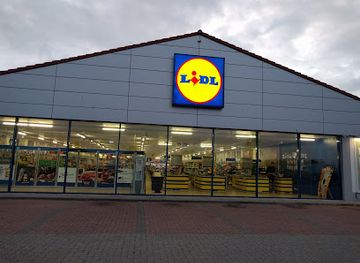
Lidl
Discount supermarket with quality groceries and everyday essentials in central Nyborg.

Get your free copy of our complete guide to Funen, delivered straight to you.
Everything on this page, from attractions and restaurants to essentials and local phrases, in one PDF you can read offline, print or share.
Already have an account? Sign in
Your Funen guide is ready.
We'll send it to · Not you? Sign out

Getting your guide ready…
We are putting together a fresh copy of the Funen guide. This can take up to a minute.
This can take a few moments. If your browser asks, choose Allow so the download can start. You'll find the guide in your Downloads folder.
Nothing happened? Download it again
Sorry, the guide is taking longer than usual. Please try again in a minute, or get it by email instead.
Funen essentials
Currency and Payment
Safety
Emergency Situations
Do's and Don'ts
Local Tips
From Eve
Local phrases worth knowing
You don't need to get them perfect. A few words go a long way, and locals appreciate the effort.
Basics
| English | Local | Say it |
|---|---|---|
| Hello | Hej | [hay] |
| Goodbye | Farvel | [fah-vel] |
| Yes | Ja | [yah] |
| No | Nej | [nai] |
| Please/You're welcome | Venligst | [ven-list] |
| Thank you | Tak | [tahk] |
| Excuse me/Sorry | Undskyld | [oon-skyl] |
| How are you? | Hvordan har du det? | [vor-dan har doo deh] |
| Fine. And you? | Godt. Og dig? | [got. oh dai?] |
| Do you speak English? | Taler du engelsk? | [tay-ler doo eng-elsk?] |
| I don't understand | Jeg forstår ikke | [yai for-star ik-ke] |
Eating & Drinking
| English | Local | Say it |
|---|---|---|
| I'd like to see the menu, please | Jeg vil gerne se menuen, venligst | [yai vil ger-ne se men-uen, ven-list] |
| I don't eat meat | Jeg spiser ikke kød | [yai spee-ser ik-ke kuhth] |
| Cheers! | Skål! | [skawl] |
| I would like to pay, please | Jeg vil gerne betale, venligst | [yai vil ger-ne be-ta-le, ven-list] |
Emergencies
| English | Local | Say it |
|---|---|---|
| Help! | Hjælp! | [yelp] |
| Go away! | Gå væk! | [go vek] |
| Call the Police! | Ring til politiet! | [ring til po-li-ti-et] |
| Call a doctor! | Ring efter en læge! | [ring ef-ter en lay-eh] |
| I'm lost | Jeg er blevet væk | [yai air bleh-ven vek] |
| I'm ill | Jeg er syg | [yai air soo-ee] |
Shopping
| English | Local | Say it |
|---|---|---|
| I'd like to buy... | Jeg vil gerne købe... | [yai vil ger-ne ku-beh] |
| I'm just looking | Jeg kigger bare | [yai kee-ger bah-reh] |
| How much is it? | Hvor meget koster det? | [vor mai-hed kos-ter deh] |
| That's too expensive | Det er for dyrt | [deh air for dyurt] |
| Can you lower the price? | Kan du sænke prisen? | [kan doo sen-ke pree-sen] |
Time & Numbers
| English | Local | Say it |
|---|---|---|
| What time is it? | Hvad tid er det? | [vahd tid air deh] |
| It's one o'clock | Klokken er ett | [klok-ken air et] |
| Half past (10) | Halv (10) | [halv (ten)] |
| Morning | Morgen | [mor-en] |
| Afternoon | Eftermiddag | [ef-ter-mi-dahg] |
| Evening | Aften | [aft-en] |
| Yesterday | I går | [ee gor] |
| Today | I dag | [ee day] |
| Tomorrow | I morgen | [ee mor-en] |
| 1 | 1 | [1] |
| 2 | 2 | [2] |
| 3 | 3 | [3] |
| 4 | 4 | [4] |
| 5 | 5 | [5] |
| 6 | 6 | [6] |
| 7 | 7 | [7] |
| 8 | 8 | [8] |
| 9 | 9 | [9] |
| 10 | 10 | [10] |
Transport & Directions
| English | Local | Say it |
|---|---|---|
| Where's a/the...? | Hvor er en/den...? | [vor air en/den] |
| What's the address? | Hvad er adressen? | [vahd air a-dres-sen] |
| Can you show me (on the map)? | Kan du vise mig (på kortet)? | [kan doo vee-seh mai (po kort-et)] |
| When's the next (bus)? | Hvornår går den næste (bus)? | [vor-nor gor den nes-te (bus)] |
| A ticket (to ....) | En billet (til ....) | [en bee-let (til)] |
History of Funen
Stone Age settlement and early agriculture
Funen has been occupied since prehistoric times, when hunter-gatherers used its coasts, fjords and wooded interior for fishing, hunting and gathering. Farming communities later cleared parts of the island and established more permanent settlements during the Neolithic period. Archaeological remains, burial monuments and finds from the wider island show how maritime connections linked Funen to neighbouring Danish regions and the Baltic world. The agricultural pattern that became so important to Funen’s later identity has deep roots in these early transformations of woodland and shore.
Viking-age waterways and Odense
During the Viking Age, Funen’s position between the Danish islands and Jutland made it an important part of regional seaborne networks. Odense, whose name is associated with the god Odin, developed as a settlement and later an ecclesiastical centre. Coastal inlets and navigable waterways supported movement, trade and communication, while defensive works and elite settlements reflected the political consolidation of Denmark. Much of the Viking landscape has been altered by later urban and agricultural development, but archaeological discoveries continue to illuminate Funen’s early connections.
Medieval royal power and the Danehof
Medieval Funen was shaped by the growth of royal, ecclesiastical and commercial institutions. Odense became an important religious centre, while Nyborg developed into a royal residence and political meeting place. The Danehof, an early parliamentary assembly of the Danish realm, met at Nyborg in the Middle Ages, giving the town significance beyond its regional size. Nyborg Castle and its surrounding medieval town still evoke this period, although the castle complex has changed substantially through restoration, reconstruction and archaeological interpretation.
Reformation and Renaissance estates
The Reformation in the sixteenth century transformed religious life and transferred extensive church property to the Crown and private owners. On Funen, this helped strengthen a landed estate culture visible in manor houses, parks, farms and churches. Egeskov Castle, begun in the sixteenth century, is the most celebrated surviving expression of Renaissance aristocratic power on the island. Estates were not merely residences: they organised agricultural production and shaped local settlement, employment and landscapes that remain recognisable in parts of the Funen countryside.
Ports, farming and industrial change
From the eighteenth century onwards, Funen’s economy combined intensive agriculture with maritime trade and growing town industries. Odense expanded as a commercial and manufacturing centre, while ports such as Svendborg, Kerteminde, Assens and Faaborg connected local produce and shipping routes with the wider Danish economy. Roads, railways and improved harbour facilities accelerated movement during the nineteenth century. The resulting towns retain a mixture of merchant houses, civic buildings, workshops and harbour structures, reflecting Funen’s transition from predominantly rural society to a more connected regional economy.
Hans Christian Andersen and cultural memory
Hans Christian Andersen was born in Odense in 1805 to a poor family and became Denmark’s most internationally recognised author. His fairy tales, including works such as The Little Mermaid and The Ugly Duckling, gave Odense a lasting place in world literary culture, although his life also belongs to the broader Danish Golden Age. Museums, historic houses, public artworks and cultural venues across the city interpret his life and work. Andersen’s legacy has become one of Funen’s strongest international cultural associations.
Modern Funen and the bridge era
Twentieth-century Funen combined urban growth around Odense with continuing agricultural and maritime traditions in smaller communities. The opening of major bridge connections across the Great Belt and Little Belt, alongside modern motorway and rail infrastructure, strengthened the island’s role between eastern and western Denmark. At the same time, former industrial and harbour areas acquired new cultural and residential uses. Contemporary Funen remains a region of farms, food production, education, tourism and manufacturing, with historic towns and landscapes adapting to modern life.
Funen in Photos
Browse through our photo collection highlighting the charm and character of the destination.
Neighbouring regions of Funen
The closest regions to Funen, if you have time for more than one.
-

-

-

-
-


Swipe for more regions

