The Sea Horse Travel Guide
Free Guide: A powerful bronze sea horse with a mermaid rider bursts from the Odense River, bringing Hans Christian Andersen’s underwater world to life at Munke Mose’s edge.


A brief summary of The Sea Horse
A powerful bronze sea horse with a mermaid rider bursts from the Odense River, bringing Hans Christian Andersen’s underwater world to life at Munke Mose’s edge.
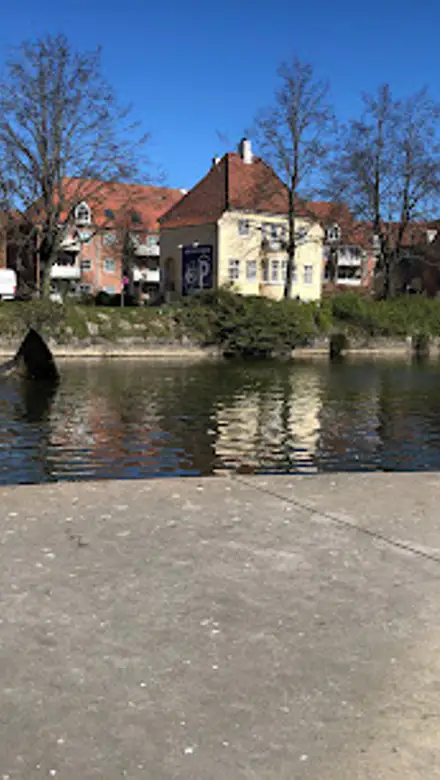
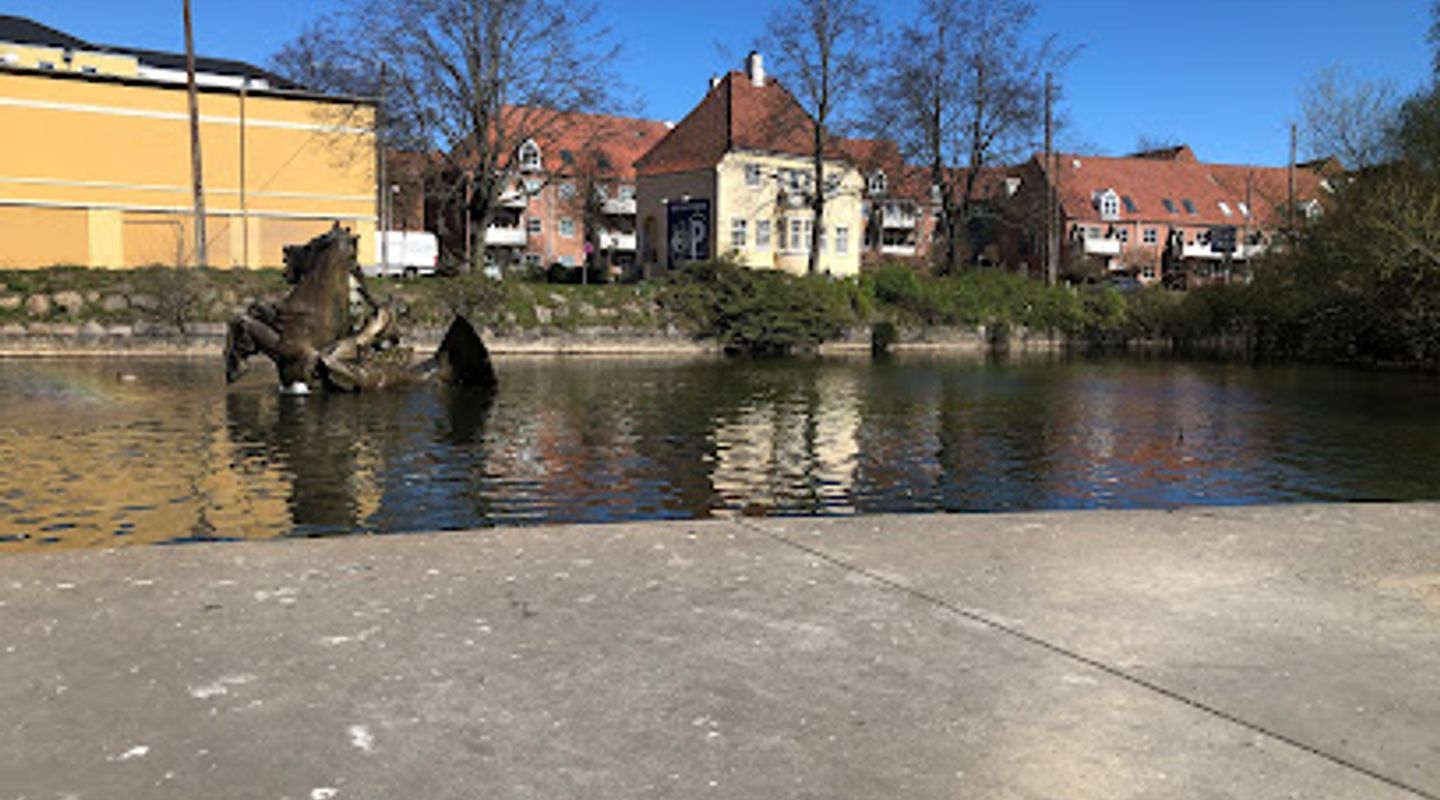
Rising from the Odense River at the entrance to Munke Mose park, the Sea Horse is a dynamic bronze fountain sculpture of a powerful sea horse with a mermaid on its back, inspired by Hans Christian Andersen’s play “Agnete and the Merman.” Set amid leafy riverbanks and walking paths just off Ny Vestergade, it combines fairy-tale storytelling, public art and everyday city life, making it an atmospheric pause on any Hans Christian Andersen trail through Odense.
On-site amenities
 Restrooms
 Drink options
 Food options
 Seating areas
 Picnic areas
 Trash bins
 Information boards
Opening hours
- Every dayOpen 24 hours
Opening hours as listed on the venue’s Google Business Profile. Hours can change for services and special events, so check with the venue before you go.
- Address
- Ny Vestergade 19, 5000 Odense
- Website
Getting there
Walking from Odense Railway Station
Local city bus within Odense
Cycling in central Odense
Discover more about The Sea Horse
A fairy-tale creature on the river
The Sea Horse sculpture appears almost mid-leap from the Odense River, just where footpaths converge at the entrance to Munke Mose park. Cast in bronze, the creature is half horse, half fantastical water beast, its head thrown back as if snorting spray, while water from the fountain accentuates its sense of movement. On its muscular back sits a mermaid-like female figure, hair swept behind her as though caught in an invisible current.Placed low and close to the waterline, the sculpture feels less like a distant monument and more like a living character inhabiting the river. Reflections shift across its surface as clouds move overhead, and ducks drift past the plinth, giving the impression that the fairy tale has simply emerged into a very real, very present Odense.
Roots in Hans Christian Andersen’s “Agnete and the Merman”
The work is inspired by Hans Christian Andersen’s dramatic piece “Agnete and the Merman,” in which a young woman is drawn into an underwater world and torn between two lives. Rather than illustrating the story literally, the artist distils its themes of temptation, longing and the pull of the sea into a single, striking scene: a wild sea horse hurtling forward, rider clinging to its back.This connection to Andersen makes the sculpture part of a broader constellation of fairy-tale artworks scattered through Odense. Nearby you may encounter other sculptural references to his tales – swans, paper boats, and more – but the Sea Horse stands out for its energy and tension, looking as if it could surge off down the river at any moment.
Setting between Munke Mose and the old town
The location is central to the sculpture’s charm. One side opens towards Munke Mose, a green park where locals stroll, picnic and watch boats glide along the river. The other side looks back towards the older streets around Ny Vestergade, tying the fairy-tale creature to the city’s historic core. Trees frame the view in summer, while in winter the bare branches lend the bronze a starker, almost mythic presence.Because it sits at a natural crossing point over the water, many people encounter the Sea Horse in passing. Paths, lawns and benches nearby create a relaxed, open-air gallery feeling, where the sculpture becomes a companion to daily routines: joggers, cyclists, families with prams and school groups all sharing the same riverside stage.
Details worth a closer look
Up close, the Sea Horse reveals intriguing details. The creature’s head is elongated, more dragon-like than equine, and the sculpted mane flows not upward in wind but downward in imagined water. The rider’s posture is both graceful and tense, arms and torso angled slightly forward as if bracing against the surge. The interplay between smooth, polished surfaces and rougher textures creates lively highlights when the light changes.The fountain element adds another layer. In still conditions the water drops softly around the base, producing a gentle sound that merges with birdsong and the rustle of leaves. On breezeier days, fine spray can drift across the path, catching the sunlight and briefly turning the area around the sculpture into a shimmering mist.
Experiencing the sculpture at different times of day
The Sea Horse is accessible at all hours, and its character shifts with the time of day. Morning light often illuminates one flank while the opposite side remains in shade, emphasising the form of the mermaid and the curve of the horse’s neck. At midday, reflections from the river brighten the bronze, and the area fills with the background murmur of city life.Later in the day, as the riverbank quiets, the sculpture can feel almost solitary, the surrounding park softening into a calm, reflective space. Subtle lighting from the city can give the bronze a muted glow after dark, reinforcing the sense of a fairy-tale figure keeping watch over the water, half in this world and half in Andersen’s imagination.
A gentle stop on an Andersen-themed city walk
For many visitors, the Sea Horse becomes a natural pause point on a thematic walk linking Odense’s Andersen sites. Without demanding long explanations or guided tours, it invites a short stop: a few photos, a moment by the railings watching water and bronze interact, perhaps a chance to recall or discover the tale of Agnete and the Merman.Because it is free to visit and integrated into an everyday public space, the sculpture blurs the line between monument and city life. It stands as a reminder that in Odense, Andersen’s stories are not confined to museums or bookshelves; they emerge on street corners and riverbanks, transforming the ordinary act of crossing a bridge into a brief encounter with myth.
Evendo Review Centre
 Google
Guest reviews
Best time to go
Quietest: Jan, Feb & Mar · before 7am or from 10pm
Busy times are Evendo estimates for a typical year, to help you plan. Actual crowds vary with events, school holidays and the weather.
Explore The Sea Horse on the map
A handpicked selection of must-see spots near The Sea Horse, mapped for you.
Get your free copy of our complete guide to The Sea Horse, delivered straight to you.
Everything on this page, from opening hours and how to get there to Eve’s tips and the best time to go, in one PDF you can read offline, print or share.
Already have an account? Sign in
Your The Sea Horse guide is ready.
We'll send it to · Not you? Sign out

Getting your guide ready…
We are putting together a fresh copy of the The Sea Horse guide. This can take up to a minute.
This can take a few moments. If your browser asks, choose Allow so the download can start. You'll find the guide in your Downloads folder.
Nothing happened? Download it again
Sorry, the guide is taking longer than usual. Please try again in a minute, or get it by email instead.
Other nearby places you may find interesting
The closest places of the same kind, if this one is not quite what you had in mind.
-
-
-
-
-


Swipe for more places
More to explore near The Sea Horse

 Best experiences near The Sea Horse
 Best hotels near The Sea Horse
 Best landmarks near The Sea Horse
 Best attractions near The Sea Horse
 Best shops near The Sea Horse
 Best restaurants near The Sea Horse
 Best bars near The Sea Horse
Do you manage this location?
Take control to get all the benefits, like improved information, better appearance, and stronger visibility across AI-powered discovery.
Explore more
Explore more of Funen
Discover Funen, Denmark's lush island treasure, where fairy tales come to life amidst scenic landscapes, historic castles, and vibrant cultural heritage.
Explore Funen
Explore more of Denmark
Discover Denmark: A perfect blend of history, modern design, and the cozy concept of hygge. Explore vibrant cities, serene landscapes, and world-class cuisine.
Explore Denmark