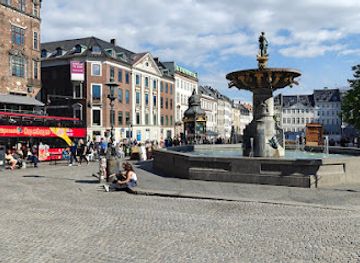
Gammeltorv, Copenhagen’s Oldest Square
Copenhagen’s oldest square, where cobbles, Neoclassical facades and the Renaissance Caritas Well quietly trace eight centuries of urban life in the city’s historic core.
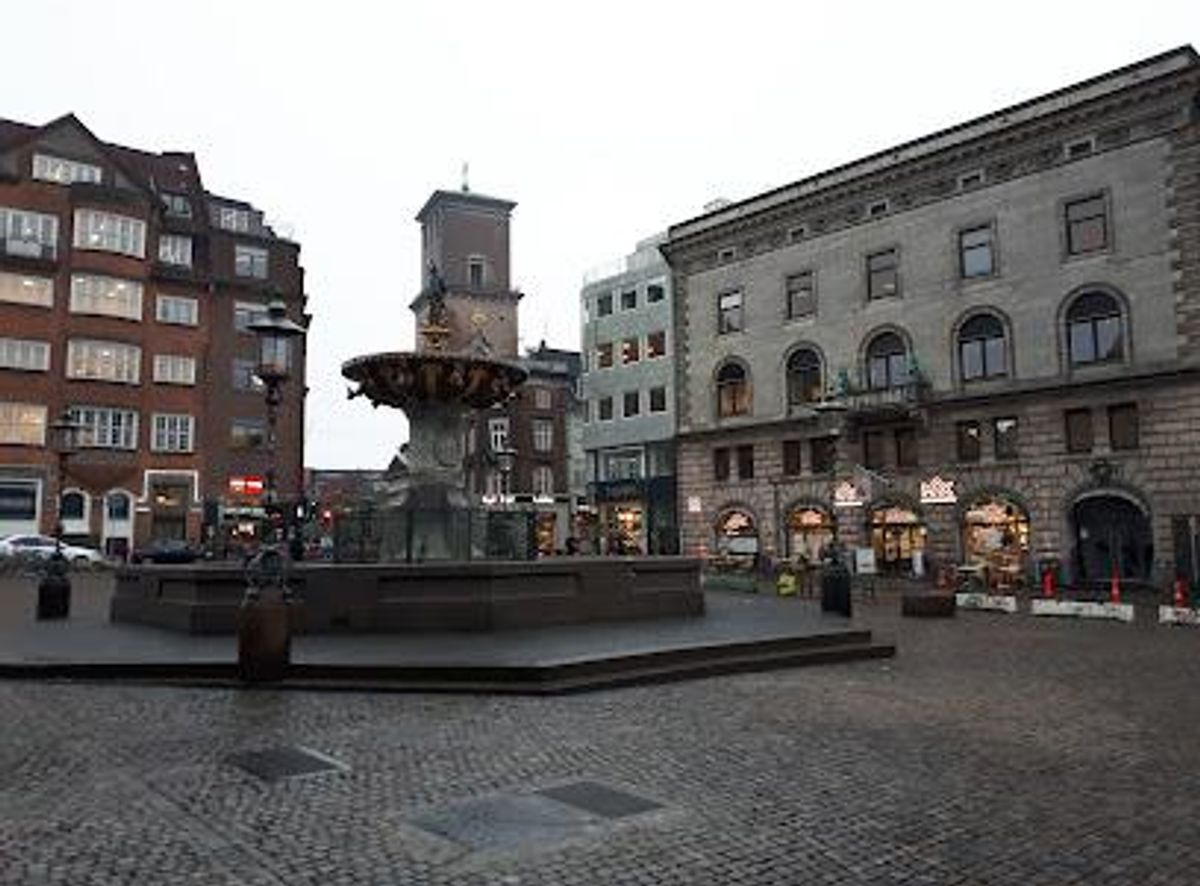
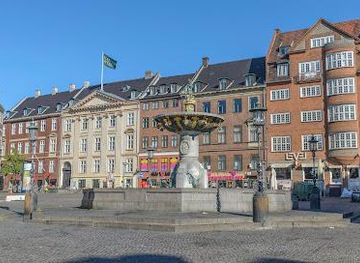
Gammeltorv is Copenhagen’s oldest public square, a cobbled open space that has anchored the city’s political, judicial and commercial life since the 12th century. Today it forms a lively plaza along the Strøget pedestrian zone, framed by mostly Neoclassical facades rebuilt after the great fire of 1795. At its heart stands the ornate Caritas Well, a Renaissance fountain created under King Christian IV, which adds a sculptural flourish and gentle splash of water to this atmospheric urban stage.
A brief summary to Gammeltorv
- Copenhagen, Indre By, 1457, DK
- Duration: 0.5 to 2 hours
- Free
-
Outdoor
- Mobile reception: 5 out of 5
Local tips
- Wear comfortable footwear, as the square and surrounding streets are cobbled and can feel uneven after a while.
- Visit early in the morning or later in the evening for calmer views of the Caritas Well and easier photography.
- Take a slow lap around the perimeter to spot architectural details and the paving lines that mark the former city hall.
- Combine your time here with a stroll along Strøget and a detour into nearby side streets toward the Latin Quarter.
- In spring, check if your visit coincides with the monarch’s birthday in mid‑April, when golden ‘apples’ appear in the fountain.
For the on-the-go comforts that matter to you
- Restrooms
- Drink Options
- Drinking Water
- Food Options
- Seating Areas
- Trash Bins
- Information Boards
Getting There
-
Metro from central Copenhagen
From central Copenhagen, take the M3 or M4 metro line to Gammel Strand or Rådhuspladsen station; both rides typically take 3–8 minutes from interchange stops within the city core. A standard single metro ticket within the central zones usually costs around 20–30 DKK. Trains run frequently throughout the day, and both stations involve a short, step‑free walk on mostly level streets to reach Gammeltorv.
-
City bus within the inner districts
Several city bus routes serve the streets surrounding the old town; journeys from nearby districts such as Vesterbro, Nørrebro or Østerbro often take 10–20 minutes depending on traffic. Expect to pay roughly 20–30 DKK for a single ride within the same fare zones. Buses can be busy at rush hour, but stops near the City Hall area place you within a few minutes’ walk of Gammeltorv along pedestrian streets.
-
Bicycle through the city center
Cycling to Gammeltorv from central neighborhoods typically takes 5–15 minutes on Copenhagen’s extensive network of bike lanes. Numerous public bike‑share schemes and rental shops operate across the city, with short‑term rentals usually starting from about 50–100 DKK per day. Be prepared to dismount and walk the final stretch, as the streets immediately around the square form part of the main pedestrian zone.
-
Walk from nearby central landmarks
If you are already in the inner city, Gammeltorv is within an easy 10–20 minute walk of many major sights such as the City Hall area and the Latin Quarter. The route leads through predominantly flat, paved streets and pedestrian zones, though cobblestones can be uneven for those with limited mobility. Walking is free and allows you to appreciate how the historic streets converge on this long‑standing public square.
Gammeltorv location weather suitability
-
Any Weather
-
Mild Temperatures
-
Cold Weather
-
Hot Weather
-
Clear Skies
-
Rain / Wet Weather
Discover more about Gammeltorv
The medieval heart of Copenhagen
Gammeltorv, literally “Old Square,” is widely regarded as Copenhagen’s oldest public square, with roots stretching back to the city’s 12th‑century beginnings. Long before Copenhagen grew into a capital, this was its marketplace and meeting ground, where merchants traded fish, livestock and farm produce and news from afar was exchanged. From the Middle Ages onward, Gammeltorv evolved into a civic stage. It hosted proclamations, public announcements and, in harsher times, punishments and executions. The square’s irregular footprint still hints at its organic medieval origins, shaped more by daily life than by grand urban plans.Town halls, fires and reinvention
Several of Copenhagen’s early town halls stood on or beside Gammeltorv, underscoring its role as the city’s administrative and judicial center. A town hall erected in the late 15th century dominated the square until the devastating fire of 1795, which swept through this district and destroyed most surrounding buildings. In the rebuilding that followed, Gammeltorv was reshaped. The new city hall rose on neighboring Nytorv, and the two spaces were effectively joined into a single, elongated plaza. The replacement buildings around Gammeltorv largely adopted the clean lines and restrained decoration of late 18th‑ and early 19th‑century Neoclassicism, giving the square much of the harmonious appearance it has today.The Caritas Well and royal engineering
At the center of Gammeltorv stands the Caritas Well, one of Copenhagen’s most distinctive fountains. Its origins go back to a water system first laid out in the late 16th century, when water was channeled several kilometers into the city via wooden pipes. Early in the 1600s, King Christian IV had the fountain rebuilt and embellished in a richly sculpted Renaissance style. The current bronze fountain, known as the Caritas Well, dates from this period and features allegorical figures and decorative details that reward a close look. On the Danish monarch’s birthday in April, the tradition of releasing gilded “golden apples” into the water is still observed, a playful nod to the square’s royal connections and long history.Architecture, details and everyday life
Walk the edge of Gammeltorv and you pass a sequence of pastel‑toned facades, tall windows and classical cornices, many with discreet shopfronts or cafés at ground level. Despite their relatively uniform period, each building carries its own history, from once‑grand merchants’ houses to later commercial premises. The cobblestones underfoot and the gentle slope of the square create shifting perspectives as you move. Look down and you may notice pale stone lines in the paving that trace the outline of the long‑vanished city hall, a subtle archaeological gesture set into the modern surface. Above, rooflines frame glimpses of the sky and neighboring church towers, reminding you that this is still very much the historic core of the city.A square woven into modern city life
Today Gammeltorv is folded into the flow of contemporary Copenhagen. It opens directly onto Strøget, the city’s main pedestrian shopping street, so shoppers, office workers and visitors naturally spill into the space. In warmer months, temporary stalls and outdoor seating bring extra color and a near‑southern buzz, while in colder seasons the square feels more spacious and architectural. Despite the constant movement, it remains an easy place to pause. Benches and fountain steps provide informal seating, and the sound of water softens the background murmur of the city. Gammeltorv is less about set‑piece attractions than about atmosphere: an everyday square where eight centuries of history quietly underpin the rhythm of modern urban life.Stories, symbolism and subtle traces
If you linger, Gammeltorv begins to reveal its layers. The Caritas Well embodies ideas of charity and abundance, reflecting Renaissance ideals as much as royal prestige. The joined space with Nytorv hints at older boundaries and later decisions about how a capital should look and function. Even the house‑numbering system of Copenhagen, which traditionally begins from addresses closest to this square, shows how central Gammeltorv once was in the city’s mental map. Standing here, you are in a place that has absorbed jousts and markets, speeches and celebrations, devastating fires and careful reconstructions. The details may have changed, but Gammeltorv’s role as an open stage for Copenhagen’s public life has endured for nearly a thousand years.For the vibe & atmosphere seeker
- Scenic
- Lively
- Unique
- Casual
For the design and aesthetic lover
- Vintage Styles
- Modern Designs
For the architecture buff
- Historic
- Landmarks
- Heritage Neighborhoods
For the view chaser and sunset hunter
- Iconic Views
- Panoramas
For the social media creator & influencer
- Instagrammable
- Photo Spots
- Architectural Shots
- Reel-Friendly
For the eco-conscious traveler
- Public-Transport Accessible
- Low Impact
For the kind of experience you’re after
- Cultural Heritage
- Photowalk
- Adventure Photo Shoot
- Day Trip
- Roadtrip Stop
For how adventurous you want the journey to be
- Easy Access
Location Audience
- Family Friendly
- Senior Friendly
- Child Friendly
- Teen Friendly
- Solo Friendly
- Couple Friendly
- Solo Female Friendly
- LGBT Friendly
- Business Friendly