

Free Helsingor Travel Guide & Mobile App
Plan your Helsingor trip with Evendo. Get free guides to top attractions, restaurants, hotels, and bars. Web access or download the mobile app.


Helsingør blends Shakespearean history, Kronborg Castle, maritime museums, medieval streets and easy coastal excursions from Copenhagen and Sweden in Denmark.
A Castle City on the Danish Sound
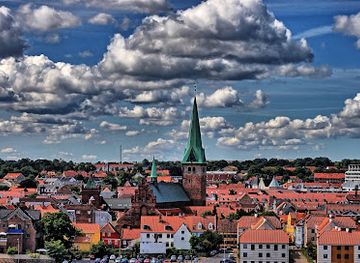
Helsingør stands on Zealand's northeastern coast, where the narrow Øresund separates Denmark from Sweden. Its strategic position made it one of Denmark's most important maritime towns, and the waterfront still carries the atmosphere of a working port. Above the shore, Kronborg Castle gives the city its most recognisable profile. The Renaissance fortress is closely associated with Shakespeare's Hamlet, although the play's Elsinore is a literary interpretation rather than a direct record of the town.Read more about Helsingor
Medieval Streets and Maritime Heritage
Life around the Harbour
When is the best time to visit Helsingor?
Best: June–August · 22–25°C| Month | High (°C) | Rainfall (mm) |
|---|---|---|
| January | 2 | 33 |
| February | 3 | 27 |
| March | 4 | 28 |
| April | 11 | 37 |
| May | 16 | 38 |
| June (best) | 22 | 44 |
| July (best) | 25 | 43 |
| August (best) | 24 | 51 |
| September | 20 | 46 |
| October | 14 | 52 |
| November | 8 | 50 |
| December | 5 | 39 |
Getting to and around Helsingor
How to get there
Transportation
Best attractions in Helsingor
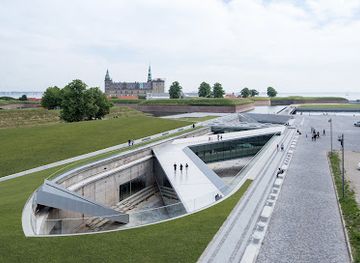
Helsingør's principal attractions gather around the historic waterfront and the streets behind it. Kronborg Castle is the essential starting point, with grand Renaissance rooms, defensive ramparts and the literary association with Hamlet. In the former shipyard, the Maritime Museum of Denmark descends dramatically into an underground dry dock, using exhibitions to explain Denmark's seafaring history and the town's relationship with the sea. Kulturværftet adds contemporary exhibitions, performances and cultural events in renovated industrial buildings. The old town rewards slower exploration, particularly around the Carmelite Monastery, St Mary's Church and Helsingør Cathedral, whose interiors preserve layers of medieval history. Along the harbour, visitors can watch ferries crossing to Helsingborg and follow the waterfront towards the castle. Beaches and coastal paths extend the sightseeing beyond the centre, while nearby North Zealand offers access to royal estates, forests and museums for those staying longer.
-
Castle
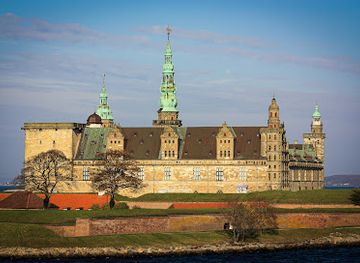
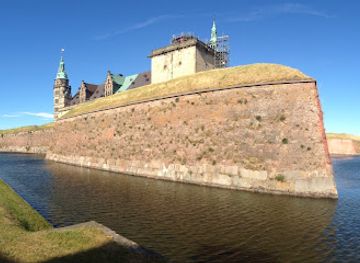
Kronborg Castle
Renaissance fortress, sea gate to the Baltic and Shakespeare’s Elsinore in one atmospheric UNESCO-listed castle above the Øresund Strait.
10 min walk · 0.8 km from city centre
-
Modern art museum
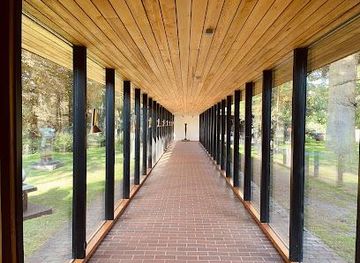
Louisiana Museum of Modern Art
An iconic modern art museum where glass pavilions, sculpture gardens and seaside views weave art, architecture and Danish coastal light into one seamless experience.
25 min drive · 8.4 km from city centre
-
Castle
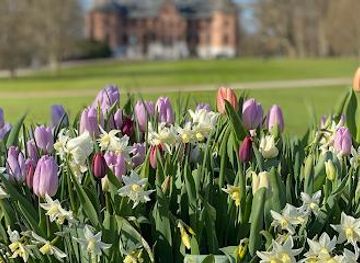
Sofiero Palace
Former royal summer palace overlooking the Öresund, famed for vast rhododendron gardens, serene lawns and a Dutch Renaissance manor now open as a public park.
19 min drive · 6.3 km from city centre
-
Maritime museum
M/S Maritime Museum
Award‑winning underground museum in a historic dry dock, where cutting‑edge design and interactive exhibits bring Denmark’s maritime heritage vividly to life.
8 min walk · 0.6 km from city centre
Best landmarks in Helsingor
Kronborg Castle is Helsingør's defining landmark, a fortified Renaissance royal residence whose position at the Øresund made it central to Denmark's control of maritime traffic and the Sound Dues. Its bastions, walls and interiors express both courtly ambition and military purpose. In the old town, St Mary's Church and the Carmelite Monastery preserve the architectural presence of the medieval religious community, while Helsingør Cathedral reflects the town's continuing ecclesiastical importance. The harbour's former shipyard structures are landmarks of a different kind: Kulturværftet and the Maritime Museum of Denmark demonstrate how industrial buildings and a dry dock have been adapted for public culture. The Øresund itself is part of Helsingør's identity, explaining the castle's placement, the ferry traffic and the town's enduring relationship with Sweden and Baltic commerce.
-
Lutheran church
Saint Olaf's Church
Helsingør’s red-brick cathedral, where medieval trade, Nordic devotion and Renaissance art meet beneath soaring Gothic vaults and a copper-capped tower.
3 min walk · 0.3 km from city centre
-
Church
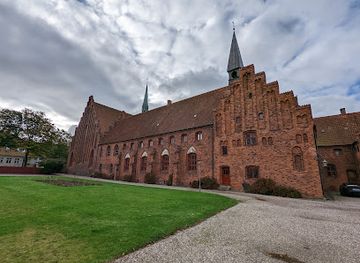
St. Mary's Church
Medieval monastery gem with baroque organ, ancient courtyard tree, and six centuries of Danish heritage.
5 min walk · 0.4 km from city centre
-
Lutheran church
Kronborg Castle Church
Renaissance sanctuary that miraculously survived fire, preserving royal religious heritage within Hamlet's legendary castle.
10 min walk · 0.8 km from city centre
-
Tourist attraction
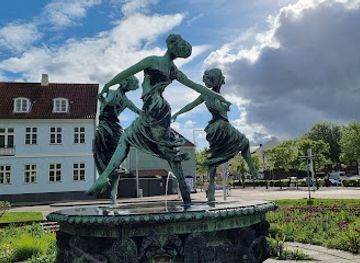
Dancer's fountain
A graceful bronze tribute to Danish ballet tucked into a leafy corner of Helsingør, where three dancers freeze mid‑step between Kronborg Castle and the old town.
7 min walk · 0.6 km from city centre
Explore Helsingor on the map
Plan your Helsingor trip on one map. See where the top attractions, landmarks, restaurants, bars and hotels are, find what's near where you're staying, and book hotels and experiences in a few clicks.
Best hotels in Helsingor
Best restaurants in Helsingor
Helsingør's dining scene reflects its position as a historic port, ferry town and gateway to North Zealand. Traditional Danish cooking is represented by smørrebrød, open sandwiches built with rye bread, seasonal toppings and carefully arranged garnishes, alongside fish, shellfish and other produce associated with the Øresund coast. Cafés and restaurants around the old town, Axeltorv and the harbour provide settings ranging from informal daytime meals to more polished evening dining. The former shipyard has brought a contemporary food culture to the waterfront, including communal options at Værftets Madmarked, where several vendors share an industrial setting. Bakeries and coffee shops are useful for a Danish pause between museums, while local menus often draw on seasonal vegetables, seafood and familiar Nordic ingredients. Restaurant styles vary, so checking current opening arrangements is sensible outside the busiest periods.
-
Restaurant
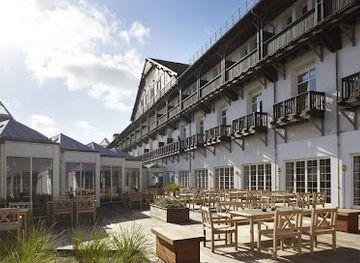
Marienlyst beach hotel
Historic seaside resort on the Danish Riviera with beach spa, private shore and views to Kronborg Castle and Sweden across the Øresund.
18 min walk · 1.4 km from city centre
-
Restaurant
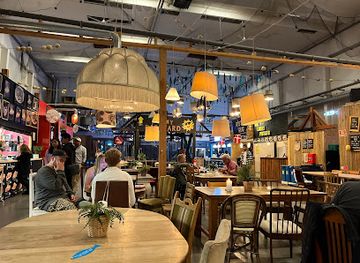
Værftets Madmarked
Bustling shipyard food hall on Helsingør’s waterfront, where industrial heritage, global street food stalls and sociable long tables create an easygoing harbour hangout.
8 min walk · 0.6 km from city centre
-
Restaurant
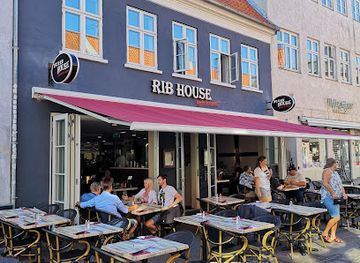
Rib House
Casual steakhouse on Helsingør’s main street, serving generous spareribs and grills in a relaxed, family‑friendly setting close to the town’s historic sights.
2 min walk · 0.2 km from city centre
-
Brasserie
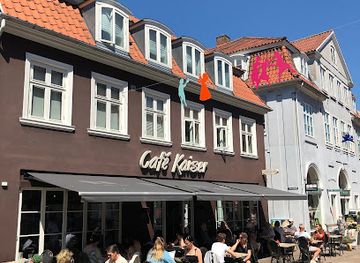
Café Kaiser
Homemade Danish café on Helsingør's main street, serving quality brunch, smørrebrød, and warm dishes in a welcoming neighborhood setting.
2 min walk · 0.2 km from city centre
Best bars in Helsingor
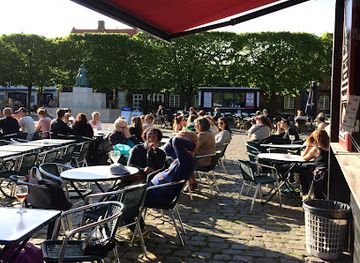
Helsingør's evening life is modest and sociable rather than dominated by large clubs. Pubs and bars in the old centre provide informal places for Danish beer, conversation and televised sport, while the harbour and former shipyard offer a more contemporary setting for evening drinks or food. Kulturværftet is important to the city's after-dark culture, hosting concerts, theatre, talks and other performances when scheduled. The presence of Kronborg also supports occasional literary, theatrical and cultural events connected with Hamlet, although these are programme-dependent rather than a permanent nightlife format. Visitors seeking a late, club-focused scene will find fewer options than in Copenhagen, while those interested in a relaxed local evening can move between central bars, cultural events and waterfront dining. Ferries, trains and seasonal activity can influence how late the town remains active.
-
Beer Garden
The Copenhagener
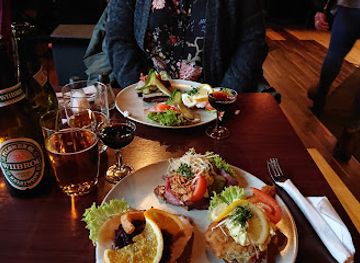
Authentic Danish smørrebrød and local beer in a hidden 1861 pub near Helsingør Cathedral.
4 min walk · 0.3 km from city centre
-
Bar
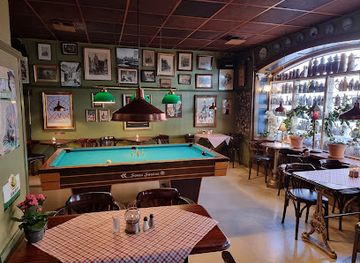
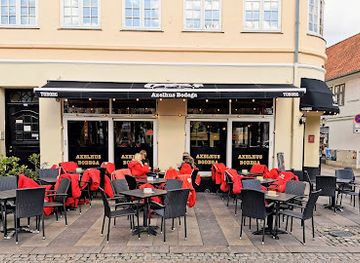
Axelhus
Casual bodega and burger bar in Helsingør's old town, open late on weekends with beer and Danish comfort food.
4 min walk · 0.3 km from city centre
-
Bar
Strandborg
Waterfront bar and restaurant where Helsingør's harbor views meet casual Nordic dining and evening social scene.
1 min walk · 0.1 km from city centre
-
Beer hall
Hold-An
Unfussy beer hall and local bar in central Helsingør, pouring cold brews, simple bites and everyday Danish hygge from late morning to late night.
4 min walk · 0.3 km from city centre
Best nightclubs in Helsingor
Helsingør's evening life is modest and sociable rather than dominated by large clubs. Pubs and bars in the old centre provide informal places for Danish beer, conversation and televised sport, while the harbour and former shipyard offer a more contemporary setting for evening drinks or food. Kulturværftet is important to the city's after-dark culture, hosting concerts, theatre, talks and other performances when scheduled. The presence of Kronborg also supports occasional literary, theatrical and cultural events connected with Hamlet, although these are programme-dependent rather than a permanent nightlife format. Visitors seeking a late, club-focused scene will find fewer options than in Copenhagen, while those interested in a relaxed local evening can move between central bars, cultural events and waterfront dining. Ferries, trains and seasonal activity can influence how late the town remains active.
-
Disco club
Retro
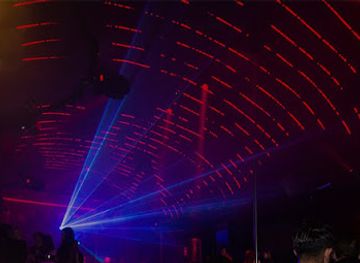
High-energy weekend nightclub in central Helsingør, mixing big-room beats, bright lights and a young crowd in what calls itself the largest club north of Copenhagen.
2 min walk · 0.2 km from city centre
-
Night club
Walther's grillkylling og svuppeklub
Small, loud and delightfully offbeat, Walther’s Grillkylling og Svuppeklub is a quirky neighborhood nightspot where DJs, drinks and local humor power the party.
14 min drive · 4.6 km from city centre
-
Night club
Rustik
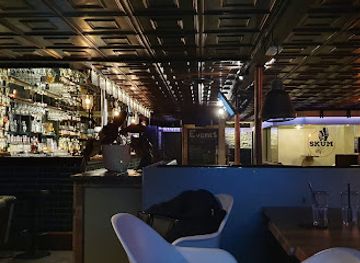
Helsingør's premier weekend nightclub with craft cocktails and high-energy dancing until dawn.
4 min walk · 0.3 km from city centre

Best shops in Helsingor
Shopping in Helsingør centres on the old town, where pedestrian streets, small independent shops, cafés and traditional façades create a more local scale than a large commercial centre. Around Stengade and the streets leading towards Axeltorv, visitors can find clothing, homeware, gifts, books and specialist retailers, while the market activity around the town's squares varies according to the calendar. Food is a practical souvenir: Danish liquorice, chocolate, baked goods, preserves and regional products are widely associated with the country's everyday culinary culture, though individual stock changes. The harbour and former shipyard area adds design-led and cultural retail connected with its museums and events. Visitors should distinguish locally made goods from generic tourist merchandise, and independent shops may keep shorter or more variable hours outside the main season.
-
Shopping mall
Helsingør Bycenter
Compact, convenient and fully indoor, Helsingør Bycenter is the practical shopping heart of Helsingør, mixing everyday essentials, cafés and family-friendly comfort.
4 min walk · 0.4 km from city centre
-
Home goods store
Kvickly
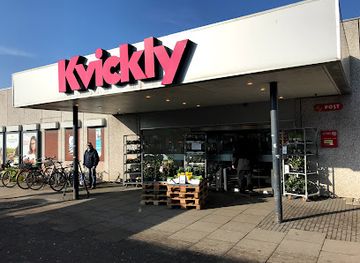
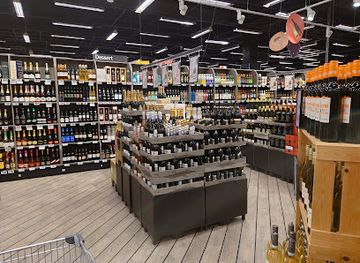
Spacious Danish supermarket and home goods store in Helsingør’s Prøvestenscentret, ideal for stocking up on groceries, picnic supplies and everyday essentials.
9 min drive · 2.8 km from city centre
-
Clothing store
Dansk
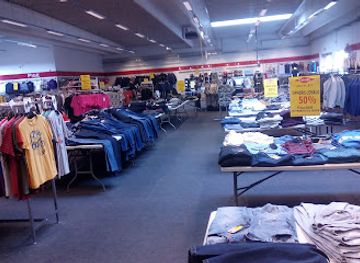
North Zealand's largest discount clothing store offering family fashion at 40–80% savings.
5 min drive · 1.7 km from city centre
-
Shopping mall
Prøvestencentret
A practical, car-friendly shopping hub in Helsingør, ideal for everyday essentials, free parking and quick errands between more traditional North Zealand sights.
9 min drive · 3.0 km from city centre

Get your free copy of our complete guide to Helsingor, delivered straight to you.
Everything on this page, from attractions and restaurants to essentials and local phrases, in one PDF you can read offline, print or share.
Already have an account? Sign in
Your Helsingor guide is ready.
We'll send it to · Not you? Sign out

Getting your guide ready…
We are putting together a fresh copy of the Helsingor guide. This can take up to a minute.
This can take a few moments. If your browser asks, choose Allow so the download can start. You'll find the guide in your Downloads folder.
Nothing happened? Download it again
Sorry, the guide is taking longer than usual. Please try again in a minute, or get it by email instead.
Helsingor essentials
Currency and Payment
Safety
Emergency Situations
Do's and Don'ts
Local Tips
From Eve
Local phrases worth knowing
You don't need to get them perfect. A few words go a long way, and locals appreciate the effort.
Basics
| English | Local | Say it |
|---|---|---|
| Hello | Hej | [hey] |
| Goodbye | Farvel | [far-vel] |
| Yes | Ja | [ya] |
| No | Nej | [nay] |
| Please/You're welcome | Vær så venlig | [ver so ven-lee] |
| Thank you | Tak | [tak] |
| Excuse me/Sorry | Undskyld | [oon-skil] |
| How are you? | Hvordan har du det? | [vor-dan har doo day] |
| Fine. And you? | Fint. Og dig? | [feent. oh day] |
| Do you speak English? | Taler du engelsk? | [tah-ler doo engelsk] |
| I don't understand | Jeg forstår ikke | [yay for-stor eek-eh] |
Eating & Drinking
| English | Local | Say it |
|---|---|---|
| I'd like to see the menu, please | Jeg vil gerne se menukortet, tak | [yay vil gern-eh say menu-kor-tet tak] |
| I don't eat meat | Jeg spiser ikke kød | [yay spee-ser eek-eh kud] |
| Cheers! | Skål! | [skowl] |
| I would like to pay, please | Jeg vil gerne betale, tak | [yay vil gern-eh beh-tah-lay tak] |
Emergencies
| English | Local | Say it |
|---|---|---|
| Help! | Hjælp! | [hyelp] |
| Go away! | Gå væk! | [goh vayk] |
| Call the Police! | Ring til politiet! | [ring teel po-lee-tee-et] |
| Call a doctor! | Ring efter en læge! | [ring af-ter en lay-eh] |
| I'm lost | Jeg er fortabt | [yay air for-tapt] |
| I'm ill | Jeg er syg | [yay air soog] |
Shopping
| English | Local | Say it |
|---|---|---|
| I'd like to buy... | Jeg vil gerne købe... | [yay vil gern-eh kuh-buh] |
| I'm just looking | Jeg kigger bare | [yay kee-ger bah-reh] |
| How much is it? | Hvor meget koster det? | [vor meh-yet kor-steh day] |
| That's too expensive | Det er for dyrt | [day ay for deer-t] |
| Can you lower the price? | Kan du sænke prisen? | [kan doo san-keh pree-sen] |
Time & Numbers
| English | Local | Say it |
|---|---|---|
| What time is it? | Hvad er klokken? | [vad air klok-ken] |
| It's one o'clock | Klokken er et | [klok-ken air et] |
| Half past (10) | Halv ti | [halv tee] |
| Morning | Morgen | [mor-gen] |
| Afternoon | Eftermiddag | [ef-ter-mee-thag] |
| Evening | Aften | [af-ten] |
| Yesterday | I går | [ee gohr] |
| Today | I dag | [ee day] |
| Tomorrow | I morgen | [ee mor-gen] |
| 1 | En | [en] |
| 2 | To | [toh] |
| 3 | Tre | [tray] |
| 4 | Fire | [fee-reh] |
| 5 | Fem | [fem] |
| 6 | Seks | [seks] |
| 7 | Syv | [soov] |
| 8 | Otte | [ot-teh] |
| 9 | Ni | [nee] |
| 10 | Ti | [tee] |
Transport & Directions
| English | Local | Say it |
|---|---|---|
| Where's a/the...? | Hvor er en/et...? | [vor air en/et] |
| What's the address? | Hvad er adressen? | [vad air ad-res-sen] |
| Can you show me (on the map)? | Kan du vise mig (på kortet)? | [kan doo vee-seh may (poh kor-tet)] |
| When's the next (bus)? | Hvornår er næste (bus)? | [vor-nor air nay-steh (boos)] |
| A ticket (to ....) | En billet (til ....) | [en bee-let (teel)] |
History of Helsingor
A Medieval Settlement by the Sound
Helsingør developed beside one of the narrowest passages of the Øresund, a position that gave the settlement strategic and commercial importance. The town is documented in medieval sources, and its name is associated with the people known as the Helsings. Medieval Helsingør grew around trade, fishing and shipping, while churches and religious institutions established the town as more than a coastal landing place. Its location facing Sweden also made it a natural point of contact between Scandinavia and the wider Baltic world. The surviving street plan and several historic buildings reflect this long transition from a small settlement into a fortified and commercially significant port.
The Sound Dues and Urban Growth
A decisive change came in 1429, when King Eric of Pomerania introduced the Øresund toll, requiring ships passing through the Danish strait to pay customs. Helsingør became the principal collection point, and the revenue helped support the Danish monarchy while bringing merchants, sailors and officials to the town. The toll encouraged urban growth and strengthened Helsingør's role in international Baltic commerce. Its prosperity was tied to a system that lasted for more than four centuries, until the Sound Dues were abolished in 1857. The medieval townscape, including the Carmelite Monastery and St Mary's Church, belongs largely to the period when maritime taxation and trade shaped local life.
Kronborg and Renaissance Power
Frederick II transformed the earlier fortress at Helsingør into Kronborg Castle between 1574 and 1585. The new Renaissance residence and stronghold expressed royal authority at the entrance to the Øresund, while its guns helped protect the toll station and control shipping. The castle became a courtly centre as well as a military installation, with grand rooms, ceremonial spaces and substantial defensive works. Its later association with Shakespeare's Hamlet has given Helsingør an international literary identity, though the play's setting draws on earlier legends about the Danish prince Amleth. Kronborg's architecture still embodies the connection between royal ambition, maritime control and European trade.
War, Occupation and Reconstruction
Helsingør's exposed position brought repeated disruption during the early modern wars between Denmark and Sweden. In 1658, Swedish forces crossed the frozen Øresund and occupied much of Zealand during the conflict that led to the Treaty of Roskilde. Kronborg was surrendered and remained under Swedish control until the Danish recovery of the castle in 1660. The town's strategic value continued to make it vulnerable during later European conflicts, but its port, customs functions and maritime communities enabled it to recover. The fortifications around Kronborg and the historic harbour area preserve the military and commercial importance that shaped Helsingør for centuries.
Trade, Shipping and Industrial Change
The abolition of the Sound Dues in 1857 ended the financial system that had long underpinned Helsingør's prominence, but the town adapted through shipping, commerce and industry. Helsingør Shipyard, established in the nineteenth century, became a major local employer and gave the waterfront a new industrial identity. Rail connections strengthened the town's links with Copenhagen and the rest of Zealand, while steamships altered travel across the Øresund. The shipyard's later decline left extensive industrial structures and spaces that have since been incorporated into cultural life, particularly around Kulturværftet and the Maritime Museum of Denmark.
A Modern Cultural Waterfront
Twentieth-century Helsingør retained its role as a ferry port and regional centre while gradually developing a broader cultural identity. The former shipyard area became the setting for new public institutions, including Kulturværftet and the Maritime Museum of Denmark, which opened in 2013 in a converted dry dock. These projects connected the historic town centre with the harbour and made the industrial past part of the visitor experience. Kronborg's recognition as a UNESCO World Heritage Site in 2000 further affirmed the international importance of the castle and its setting. Contemporary Helsingør therefore brings together medieval urban fabric, royal fortifications, working-port traditions and adaptive cultural redevelopment.
Helsingor in Photos
Browse through our photo collection highlighting the charm and character of the destination.
Cities near Helsingor
The closest cities to Helsingor, if you have time for more than one stop.
-

-

-

-

-


Swipe for more cities
Explore more

Explore more of Denmark
Discover Denmark: A perfect blend of history, modern design, and the cozy concept of hygge. Explore vibrant cities, serene landscapes, and world-class cuisine.
Explore Denmark