Background

Nørrebrogade

Copenhagen’s multicultural main street, where bikes, buses, shawarma joints and indie boutiques share a lively, ever-changing slice of Nørrebro life.

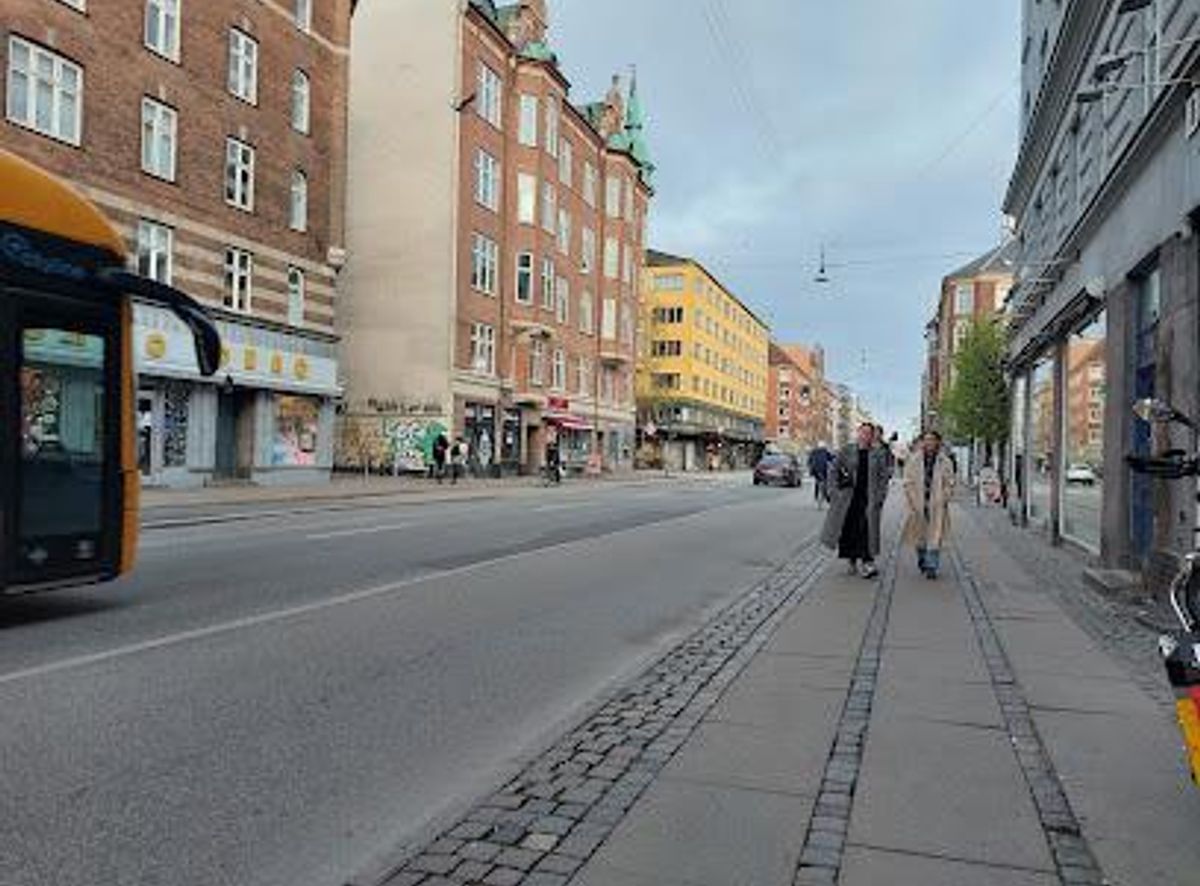
Nørrebrogade is the vibrant main artery of Copenhagen’s Nørrebro district, a 2 km stretch pulsing with traffic, cyclists and street life. Linking the city lakes to Nørrebro Station, it threads together multicultural grocers, kebab joints, independent fashion boutiques, record stores and cafés. Along the way you pass green refuges like Assistens Cemetery and Superkilen, historic industrial buildings and community venues, all wrapped in a lively, urban, slightly gritty atmosphere that feels distinctly local and unmistakably Copenhagen.

Plan your visit

A brief summary to Nørrebrogade

Opening times, essentials, and a few local tips gathered into one calmer, easier-to-scan planning section.

Plan your visit

📍
Copenhagen, Nørrebro, 2200, DK
🕒
Duration: 1 to 4 hours
💷
Free
🏛
Outdoor
📶
Mobile reception: 5 out of 5

Other nearby places you may find interesting

Explore places near Nørrebrogade

    See all →

    Unlock the Best of Nørrebrogade

    Find tickets, tours with entry, and experiences available for this location.

    Buy tickets

    No tickets available

    Book tours with entry

    No tours with entry available

    Book tours without entry

    No tours without entry available

    Getting There

    Metro and walk

    From central Copenhagen, take the M3 Cityringen metro to Nørrebro Station, which usually takes 10–15 minutes from stations like Rådhuspladsen or Kongens Nytorv. A single zone-2 ticket typically costs around 20–30 DKK. From Nørrebro Station, you can access the northwestern end of Nørrebrogade in a few minutes on foot via wide pavements that are suitable for most mobility levels.

    Bus along Nørrebrogade

    Frequent city buses, most notably line 5C, run up and down Nørrebrogade between the city centre and Nørrebro. Travel time from the inner city is usually 10–20 minutes depending on traffic, and a standard city bus ticket is around 20–30 DKK. Buses are low-floor and generally accessible, but they can be crowded at rush hours and on weekend evenings.

    Bicycle from the city centre

    Cycling from central Copenhagen to Nørrebrogade typically takes 10–20 minutes, depending on your starting point and pace. The route uses dedicated bike lanes, including the popular stretch across Queen Louise’s Bridge. You can rent a bike from numerous city bike services or shops, with typical daily rental prices ranging from about 80–150 DKK. Be prepared for busy cycle traffic at peak commuting times.

    Walking from the lakes area

    If you are already near the city lakes, Nørrebrogade begins just beyond Queen Louise’s Bridge. A relaxed walk from the bridge into the heart of Nørrebro along Nørrebrogade takes around 15–30 minutes, depending on how often you stop. The pavements are generally even, though they can be congested near major junctions and in front of popular cafés.

    For the on-the-go comforts that matter to you

    Restrooms
    Drink Options
    Drinking Water
    Food Options
    Seating Areas
    Sheltered Areas
    Trash Bins
    Information Boards

    Local tips

    Plan to walk the street in sections, ducking into side streets like Blågårdsgade, Elmegade and Jægersborggade, where many of the most interesting cafés and shops are found.
    Combine busy Nørrebrogade with quiet time in Assistens Cemetery or Superkilen park for a balance of urban buzz and green breathing space.
    Visit around late afternoon into early evening on a mild day, when pavement seating fills up and the multicultural food scene is at its most tempting.
    Keep an eye on cyclists and bus lanes when crossing; the street is designed for bikes and public transport first, so always use marked crossings.
    Bring a reusable tote if you plan to shop; many small boutiques and grocers are happy to skip disposable bags if you have your own.

    Nørrebrogade location weather suitability

    Catch the right light and the right mood, whether you want a bright city moment or a more cinematic evening visit.

    Weather icon
    Any Weather
    Weather icon
    Clear Skies
    Weather icon
    Mild Temperatures
    Weather icon
    Cold Weather
    Weather icon
    Hot Weather
    Weather icon
    Rain / Wet Weather

    Discover more about Nørrebrogade

    A multicultural artery through Nørrebro

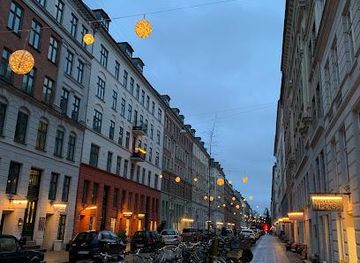
    Nørrebrogade is Nørrebro’s defining spine, running roughly two kilometres from the city lakes at Queen Louise’s Bridge to Nørrebro Station. More than just a thoroughfare, it stitches together one of Copenhagen’s most diverse districts, where more than 70 nationalities live and work side by side. The mix is visible at street level: Middle Eastern bakeries next to Danish patisseries, African hair salons by vintage shops, and bike workshops squeezed between falafel bars and wine bars. Despite the constant flow of buses, bikes and shoppers, the street is surprisingly human in scale. Many buildings are late 19th- and early 20th-century apartment blocks with ground-floor shops, their facades layered with neon, hand-painted signs and street posters. The result is an urban corridor that feels alive from morning until late at night, with people heading to work, meeting friends for coffee or simply lingering on the pavements.

    From city gate road to contemporary hotspot

    Historically, Nørrebrogade grew from the road that led in and out of Copenhagen’s old Northern City Gate. For many years, strict building rules around the city’s fortifications kept development sparse. Once those limits shifted in the 19th century, the street filled with workshops, factories and dense workers’ housing, reflecting Copenhagen’s industrial expansion. Over time, the area has seen labour struggles, demonstrations and waves of immigration that reshaped its character. Former industrial sites, like the Atlas machine factory and carriage depots, have been transformed into cultural venues and sports halls, while new public spaces such as Superkilen park embody a more playful, design-conscious vision of the city. Today, Nørrebrogade stands as a symbol of Copenhagen’s evolution from fortified town to experimental, socially engaged metropolis.

    Street life, food and everyday pleasures

    What gives Nørrebrogade its particular charm is the density of everyday delights. This is one of the city’s classic places to grab shawarma or falafel, and the competition keeps standards high. Between the fast-food counters you find cosy cafés where locals linger over filter coffee, craft beer spots with pavement seating, and small supermarkets and grocers whose produce spills onto the sidewalk in colourful piles of fruit and herbs. Side streets like Blågårdsgade, Elmegade and Jægersborggade branch off the main axis, each adding another flavour: wine bars and kebab joints, minimalist Danish fashion, ceramics studios, natural wine shops and acclaimed restaurants. You can easily spend hours drifting in and out of these side streets, returning to Nørrebrogade whenever you want the hum of buses and bikes and the buzz of the crowd.

    Green pockets and cultural landmarks

    For all its hard edges, Nørrebrogade is never far from greenery. One side of the street runs alongside Assistens Cemetery, a tree-shaded park-like burial ground where you can step away from the traffic into quiet gravel paths and historic graves. Further northwest, the bold urban design of Superkilen linear park injects bright colours, playful furnishings and global references into the streetscape. Community-oriented venues reinforce this social fabric. Nørrebrohallen, housed in an old carriage depot, now serves as a multi-purpose sports and event hall, drawing residents of all ages. Churches, small cultural centres and occasional street markets add layers of activity, turning the street into a sequence of informal gathering spots rather than a mere transit route.

    Experiencing the rhythm of the street

    Spending time on Nørrebrogade is as much about atmosphere as it is about specific sights. Cyclists stream past in a dedicated lane, buses glide up and down the corridor, and groups cluster at crossings with takeaway coffee or late-night snacks in hand. In warmer months, open windows and pavement seating blur the line between indoors and outdoors, and long summer evenings seem to stretch the day indefinitely. The street is also a showcase of Copenhagen’s push for sustainable mobility. Traffic-calming measures, generous bike infrastructure and improved pedestrian zones have shifted the balance away from cars. That makes it an ideal place to explore at walking pace, observing the small details: a vintage shop window, a mural on a gable wall, or the way everyday life plays out in one of Europe’s most characterful urban neighbourhoods.

    A brief summary to Nørrebrogade

    Use Tower Bridge as your starting point for nearby food, family ideas, nightlife, and more local discoveries.

    Plan around the quieter times

    A quick look at seasonal patterns and peak visiting hours.

    Busiest months of the year

    Seasonality

    Busiest hours of the day

    Footfall
    Mobile App
    Get the app

    Your all‑in‑one travel companion app

    Explore expert travel guides, compare and book tours, experiences, hotels, and more—all from the palm of your hand. Download now for seamless trip planning wherever your wanderlust takes you.
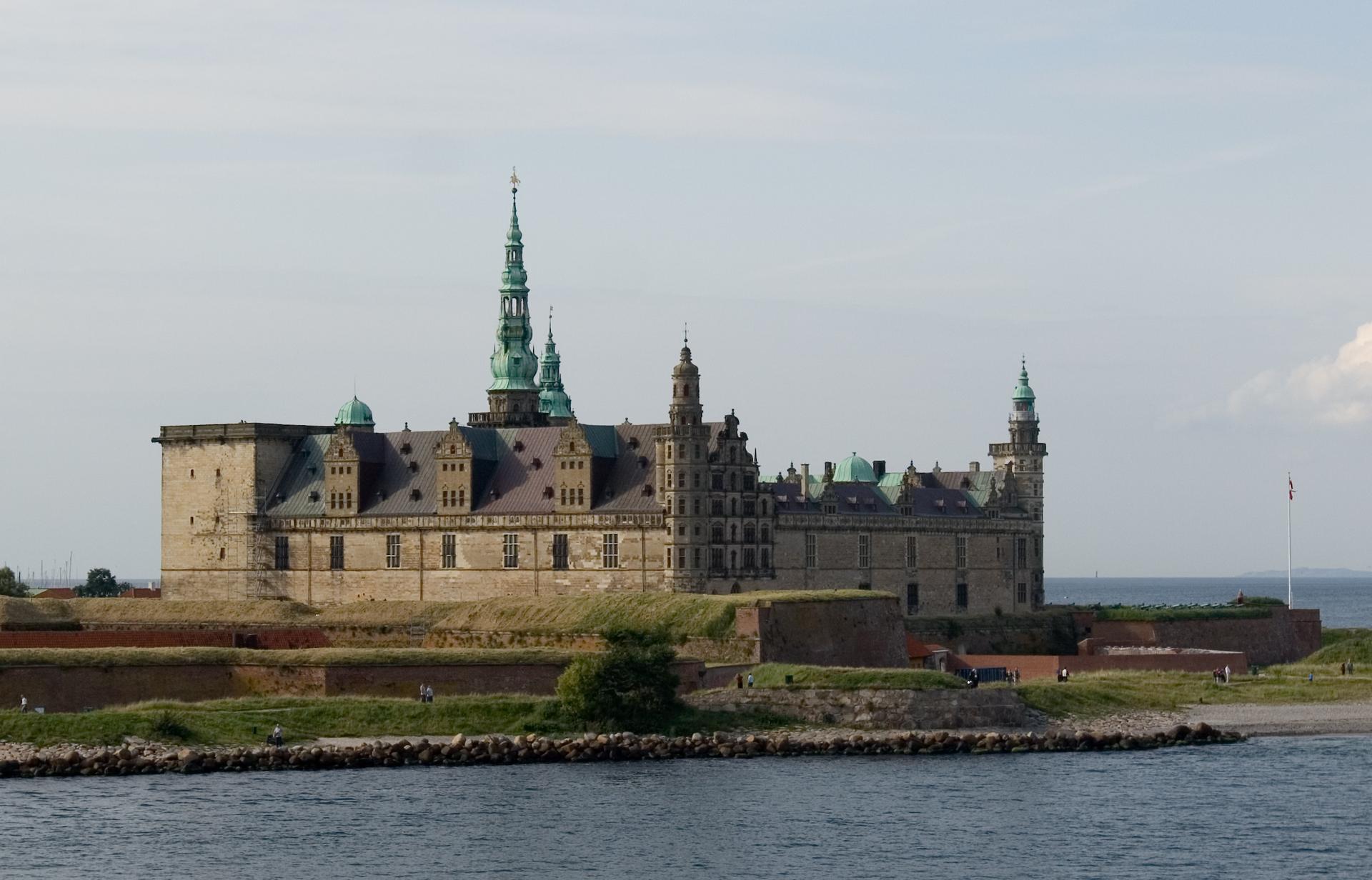
    File:Helsingoer Kronborg Castle.jpg - Wikimedia Commons

    More about Helsingor

    Discover Helsingør, Denmark's historic coastal city, home to Kronborg Castle and a vibrant cultural scene, offering a blend of history, scenic beauty, and local charm.

    Tell me more about Helsingor

    Select Currency

    Choose the currency you want prices to display in.