

Saint Olai Church, Helsingor Travel Guide
Free Guide: Atmospheric red-brick cathedral in Helsingør’s old town, blending eight centuries of history, Gothic architecture and living parish life under a serene white interior.


A brief summary of Saint Olai Church
Atmospheric red-brick cathedral in Helsingør’s old town, blending eight centuries of history, Gothic architecture and living parish life under a serene white interior.
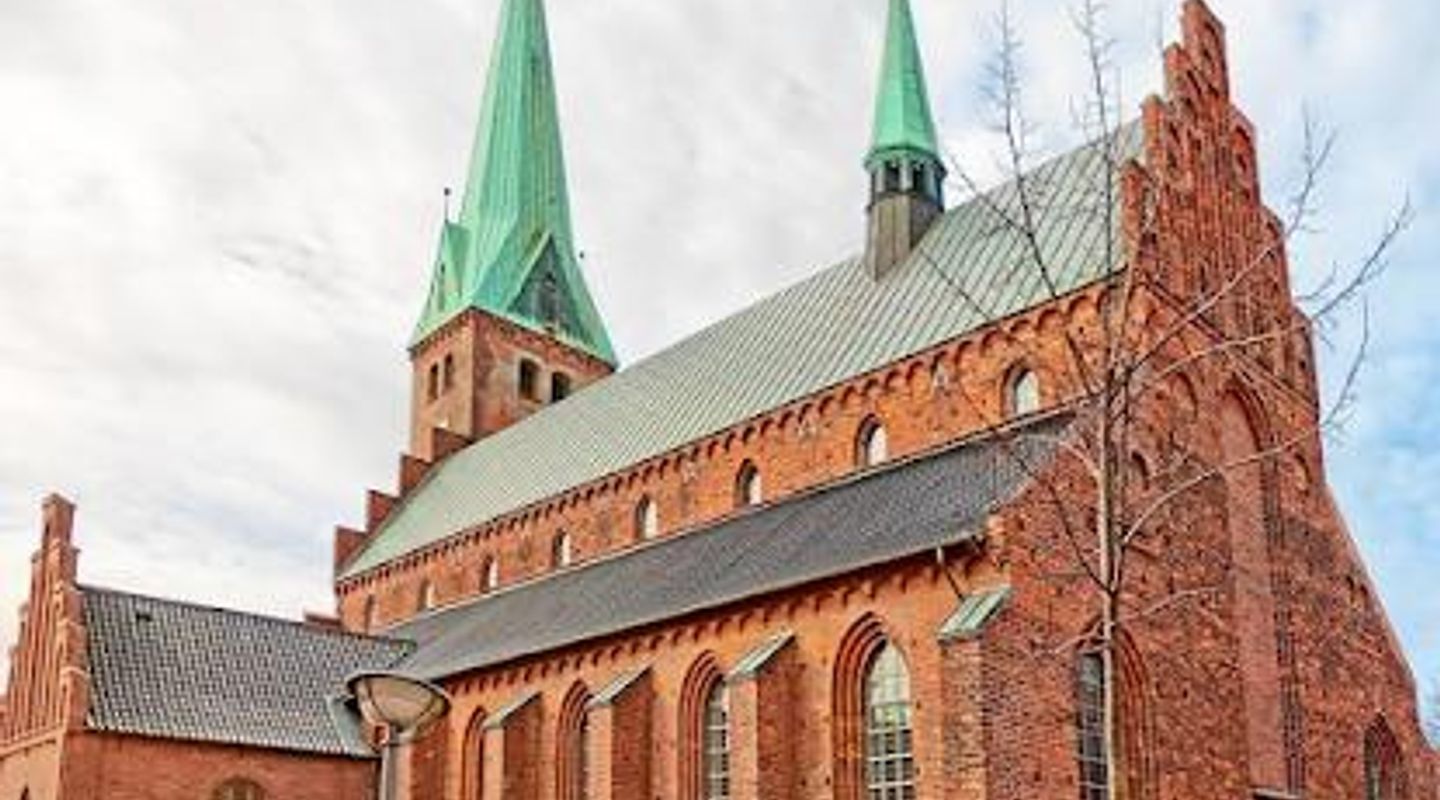
Saint Olai Church, also known as Helsingør Cathedral, is a red-brick Gothic church in the historic heart of Helsingør. With roots around 1200 and its present form completed in 1559, it became the cathedral of the new Helsingør Diocese in 1961. Step inside to find a serene white interior, soaring arches, Renaissance altarpiece and pulpit, ship model, old tombstones, and a touching “baby tree” celebrating newborns in the parish. Free to enter, it offers a quiet, atmospheric counterpoint to nearby Kronborg Castle.
On-site amenities
 Restrooms
 Seating areas
 Information boards
Opening hours
- MonClosed
- Tue10 am–2 pm
- Wed10 am–2 pm
- Thu10 am–2 pm
- Fri10 am–2 pm
- Sat10 am–2 pm
- Sun9:30 am–12 pm
Opening hours as listed on the venue’s Google Business Profile. Hours can change for services and special events, so check with the venue before you go.
- Address
- Sct Anna Gade 12, 3000 Helsingør
- Phone
- Website
Getting there
Train from Copenhagen plus short walk
Local and regional bus to Helsingør center
Car from North Zealand and Greater Copenhagen
Discover more about Saint Olai Church
A red-brick landmark in the heart of Helsingør
Saint Olai Church, commonly called Helsingør Cathedral, anchors the old town with its tall tower and warm red-brick silhouette. Its history reaches back to around 1200, when a substantial Romanesque village church first stood on this site, reflecting the town’s early importance on the Øresund. As Helsingør prospered from the Sound Dues in the 15th and 16th centuries, the church was repeatedly enlarged and embellished to match the city’s new status.By the mid-1500s, the present Gothic hall church had taken shape, with a broad nave, side aisles and a tower that rose high above the harborfront houses. In 1961, Saint Olai was elevated to cathedral status when the Diocese of Helsingør was created, confirming its central role in the spiritual life of northern Zealand.
Gothic space and Renaissance craftsmanship
Stepping inside, you move from the textured brick exterior into a luminous white interior. Slender Gothic arches draw your gaze upward, while the whitewashed vaults amplify soft echoes of footsteps and organ music. Light filters through tall windows, picking out carved details on the furnishings and tombstones set into the floor.The richly decorated Renaissance altarpiece and pulpit are highlights, created by skilled artists and woodcarvers at a time when Helsingør was a thriving trading town. Intricate panels, gilded figures and biblical scenes reward close inspection, while the pulpit canopy demonstrates the ambition of 17th-century craftsmanship. Around the choir and aisles, numerous epitaphs and memorials speak of merchants, guild leaders and clergy who shaped the city’s past.
Traces of centuries in brick, stone and wood
Although much of what you see dates from the late Middle Ages and Renaissance, the building still carries echoes of each construction phase. Earlier Romanesque elements survive in the ground plan and lower masonry, while later Gothic extensions created the current spacious nave and chapel layouts. The tower was heightened and refashioned over time, its bells continuing to mark the passing hours and special occasions for the town.Restorations in the late 20th and early 21st centuries uncovered historic tombstones that now enrich the interior atmosphere. They line walls and floors with worn coats of arms and inscriptions, turning a simple stroll through the church into a quiet encounter with several hundred years of local history.
A living cathedral for the city and its families
Despite its age, Saint Olai is very much a working parish church. Regular services, concerts and seasonal events fill the space with music and community life. One particularly endearing feature is the so‑called “baby tree,” hung with red leaves bearing the names of children born in the parish during the year. It offers a gentle symbol of continuity, linking new lives to a building whose story spans more than eight centuries.From the ceiling hangs a model ship, a classic feature of Danish coastal churches. It recalls Helsingør’s maritime heritage and the countless vessels that once passed below the church tower as they sailed through the Sound.
Quiet contemplation amid Helsingør’s historic quarter
Located just a short walk from Kronborg Castle and the harbor, the cathedral provides a calm retreat from busy streets and waterfront views. Inside, the mix of cool white surfaces, old brick, carved wood and muted light creates an atmosphere suited to reflection, whether or not you are religious.Benches encourage unhurried pauses, and the side chapels reward those who wander slowly, noticing small decorative details, organ pipes, and the play of light on stone. Combined with the surrounding cobbled lanes and historic houses, a visit here offers a compact yet rich glimpse into the cultural and spiritual history of Helsingør.
Evendo Review Centre
 Google
Guest reviews
Best time to go
Quietest: Jan, Feb & Nov · before 7am or at 7pm or at 8pm
Busy times are Evendo estimates for a typical year, to help you plan. Actual crowds vary with events, school holidays and the weather.
Explore Saint Olai Church on the map
A handpicked selection of must-see spots near Saint Olai Church, mapped for you.
Get your free copy of our complete guide to Saint Olai Church, delivered straight to you.
Everything on this page, from opening hours and how to get there to Eve’s tips and the best time to go, in one PDF you can read offline, print or share.
Already have an account? Sign in
Your Saint Olai Church guide is ready.
We'll send it to · Not you? Sign out

Getting your guide ready…
We are putting together a fresh copy of the Saint Olai Church guide. This can take up to a minute.
This can take a few moments. If your browser asks, choose Allow so the download can start. You'll find the guide in your Downloads folder.
Nothing happened? Download it again
Sorry, the guide is taking longer than usual. Please try again in a minute, or get it by email instead.
Unlock the best of Saint Olai Church
Skip-the-line tickets, guided tours with entry, and walking tours of the area, booked in a few clicks.


Other nearby places you may find interesting
The closest places of the same kind, if this one is not quite what you had in mind.
-
-
-
-
-


Swipe for more places
More to explore near Saint Olai Church

 Best experiences near Saint Olai Church
 Best hotels near Saint Olai Church
 Best landmarks near Saint Olai Church
 Best attractions near Saint Olai Church
 Best shops near Saint Olai Church
 Best restaurants near Saint Olai Church
 Best bars near Saint Olai Church
Do you manage this location?
Take control to get all the benefits, like improved information, better appearance, and stronger visibility across AI-powered discovery.
Explore more

Explore more of Helsingor
Discover Helsingør, Denmark's historic coastal city, home to Kronborg Castle and a vibrant cultural scene, offering a blend of history, scenic beauty, and local charm.
Explore Helsingor
Explore more of Denmark
Discover Denmark: A perfect blend of history, modern design, and the cozy concept of hygge. Explore vibrant cities, serene landscapes, and world-class cuisine.
Explore Denmark
