The Lakes (Søerne), Copenhagen
A graceful arc of city water where Copenhagen’s history, everyday life and changing Nordic seasons meet along six kilometres of paths, bridges, birds and shoreline cafés.
Curving like a glittering ribbon along the western edge of central Copenhagen, The Lakes (Søerne) are a trio of long, shallow, man‑made basins that double as the city’s outdoor living room. Once part of the capital’s defensive system and water supply, today Sankt Jørgens Sø, Peblinge Sø and Sortedams Sø are lined with broad paths, benches and cafés. Locals run, stroll dogs, cycle, “bridge” on Dronning Louises Bro, and picnic by the water, while birds nest on small islands and seasonal light transforms the scene from icy winter stillness to sun‑drenched summer buzz.
A brief summary to The Lakes
- Copenhagen, Indre By, DK
- Duration: 1 to 3 hours
- Free
-
Outdoor
- Mobile reception: 5 out of 5
Local tips
- Walk or jog the full 6.3 km circuit to experience how the character of each lake and its surrounding neighbourhood subtly shifts along the way.
- Plan a stop near Dronning Louises Bro in late afternoon to watch the bridge and banks gradually fill with locals enjoying the evening light.
- Bring a reusable cup or thermos for coffee so you can linger on a bench without relying on single‑use takeaway packaging.
- In winter, only step onto the ice if local authorities have clearly declared it safe; conditions vary from year to year and across the different lakes.
- Bird‑watchers should focus on Sortedams Sø, where small islands serve as nesting grounds; dawn and dusk are the most active times.
For the on-the-go comforts that matter to you
- Restrooms
- Drink Options
- Drinking Water
- Food Options
- Seating Areas
- Sheltered Areas
- Picnic Areas
- Trash Bins
- Information Boards
Getting There
-
Metro and short walk from central Copenhagen
From Nørreport Station in central Copenhagen, reach The Lakes in about 5–10 minutes on foot by following streets west toward the water. Nørreport is a major hub served by metro lines M1, M2, M3 and M4 and several S‑trains, so travel from most central districts takes 5–15 minutes. A standard single metro ticket within the city zones typically costs around 20–30 DKK, and trains run every few minutes throughout the day.
-
City bus to lakeside stops
Several city bus routes run parallel to different sections of The Lakes, with journey times of roughly 10–20 minutes from areas like Vesterbro, Østerbro or Frederiksberg depending on traffic. Expect frequent daytime services and reduced frequency late at night. A single bus ticket bought with a travel card or app usually falls in the 20–30 DKK range within the central zones. Most stops are within a few minutes’ walk of the shoreline and have level access, though buses can be busy at rush hour.
-
Cycling from anywhere in the inner city
Copenhagen’s dense network of cycle lanes makes The Lakes easy to reach by bike in about 5–15 minutes from most inner‑city neighbourhoods. Visitors can use public bike‑share schemes or rental shops, with daily rentals commonly in the 100–150 DKK range. The approaches are generally flat and well lit, but paths beside the water can be narrow and crowded at peak times, so moderate cycling experience and caution around pedestrians are advisable.
The Lakes location weather suitability
-
Any Weather
-
Clear Skies
-
Cold Weather
-
Mild Temperatures
- Snow
-
Hot Weather
-
Rain / Wet Weather
Discover more about The Lakes
City waters that shaped Copenhagen
The chain of three lakes curling along the edge of Copenhagen’s old core looks natural at first glance, but these waters are entirely man‑made. Beginning in the Middle Ages, streams west of the city were dammed to form reservoirs that could be flooded in times of war, turning the approach to the capital into an impassable marsh. Over the centuries, further dams created Sortedams Sø and finally Sankt Jørgens Sø, completing the broad aquatic arc that still frames the inner city today. By the 19th century the lakes had outlived their military role and became an important fresh‑water source, before gradually transitioning into a recreational landscape. Today, the historic function lingers in the geometry: the lakes are long and rectangular, separated by low dams and bridges, with stone embankments along much of the shore. It is a rare place where you can read layers of urban history simply by following the waterline.The three distinct personalities of the lakes
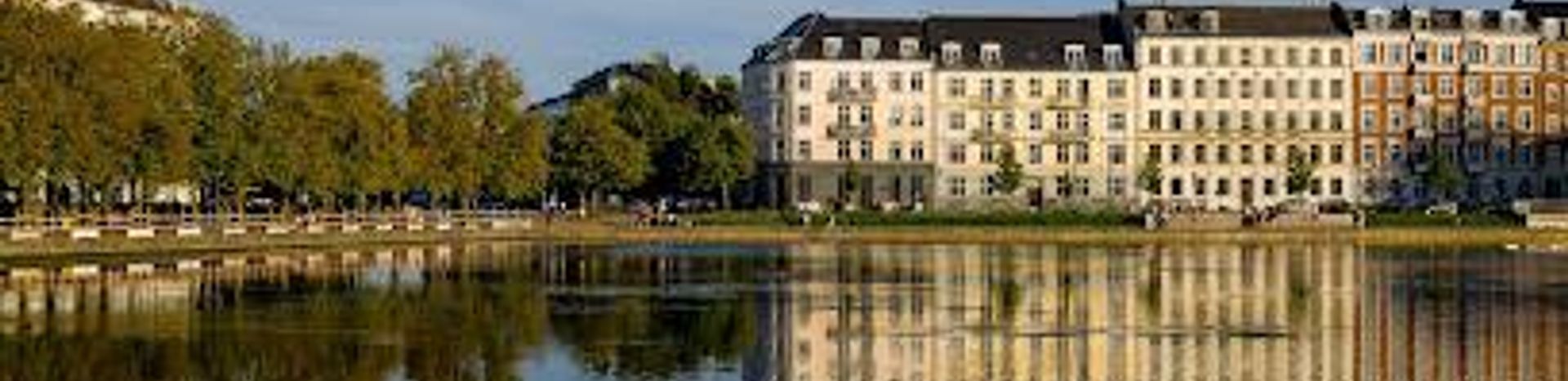
Though always linked together as “The Lakes”, each stretch has its own character. To the south, Sankt Jørgens Sø is the deepest, with gently sloping shores and views towards church towers and the nearby planetarium. In the middle, Peblinge Sø feels more urban, with granite edges, sweeping bridges and a skyline of apartments, towers and spires that mirror in the water on still days. Further north, Sortedams Sø opens into one of the city’s most atmospheric vistas. Here small artificial islands such as Fiskeøen and Fugleøen provide safe nesting grounds for waterbirds, adding a faint wildness to the otherwise composed cityscape. From above, the three lakes appear as five separate basins, but subtle channels beneath the dams keep the water system connected.Everyday life on the shoreline
The broad paths that trace both banks form one of Copenhagen’s favourite outdoor circuits. A full loop around The Lakes is a little over six kilometres, a comfortable distance for a jog, a brisk walk or a leisurely bike ride. At almost any hour, you can expect a steady flow of runners, dog walkers and commuters on two wheels using the paths as a green corridor between neighbourhoods. Benches punctuate the route, and grassy sections invite impromptu picnics when the weather allows. On calm mornings, the surface reflects pastel skies and church towers; by late afternoon, the soundscape shifts to overlapping conversations, bicycle bells and the soft splash of coots and swans. Cafés and casual eateries cluster along sections of the shore, making it easy to turn a simple stroll into a coffee stop or informal brunch by the water.Seasonal moods from ice to endless evenings
The Lakes are as much about changing seasons as they are about scenery. In winter, bare trees etch dark lines against low Nordic light, and thin ice often skins the surface. In particularly cold spells, the authorities may open parts of the lakes for supervised skating, transforming the basins into an open‑air playground of gliding figures, snow‑dusted ice and the occasional snow sculpture built atop the frozen water. Spring brings a sharp shift in mood as daylight returns and birdlife intensifies around the nesting islands. By summer, the entire shoreline becomes an urban beach of sorts. Pedal boats, sometimes shaped like swans, dot the southern stretches, while the balustrades of Dronning Louises Bro turn into a social amphitheatre. Here, “bridging” – the Copenhagen ritual of sitting shoulder to shoulder on the bridge with drinks and snacks – stretches golden evenings late into the night.Architecture, bridges and city views
One of the quiet pleasures of exploring The Lakes lies in the constant play between water and architecture. Along the eastern banks, 19th‑century apartment facades line up in stately rows, their gables and dormers reflected in the water. Occasional pavilions and terraces reach over the surface, including historic structures originally built for winter skating clubs and later adapted to modern uses. From several points, you can trace the skyline of Copenhagen in a single sweep, from copper‑clad church spires to contemporary glass façades. Bridges stitch the neighbourhoods together and offer natural pause points for photographs. The result is both grand and intimate: a sequence of long views and small details that rewards slow, repeated visits at different times of day and year.For the vibe & atmosphere seeker
- Relaxing
- Tranquil
- Scenic
- Fun-filled
- Lively
- Unique
- Casual
For the architecture buff
- Viewpoints
- Parks & Gardens
- Heritage Neighborhoods
- Landmarks
For the view chaser and sunset hunter
- Iconic Views
- Panoramas
- Waterfront
- Sunset Spots
For the social media creator & influencer
- Instagrammable
- Photo Spots
- Selfie Spots
- Reel-Friendly
- Architectural Shots
For the eco-conscious traveler
- Low Impact
- Public-Transport Accessible
- Leave-No-Trace Critical
- Locally Managed
- Wildlife Habitat
For the kind of experience you’re after
- Mindfulness
- Meditation Spot
- Cultural Heritage
- Photowalk
- Adventure Photo Shoot
- Nature Escape
- Roadtrip Stop
- Day Trip
- Weekend Getaway
For how adventurous you want the journey to be
- Easy Access
Location Audience
- Family Friendly
- LGBT Friendly
- Senior Friendly
- Child Friendly
- Teen Friendly
- Pet Friendly
- Solo Friendly
- Couple Friendly
- Solo Female Friendly
- Vegetarian Friendly
- Vegan Friendly
- Business Friendly