Nyhavn
Copenhagen's most iconic waterfront: pastel townhouses, maritime history, and lively canal-side dining.
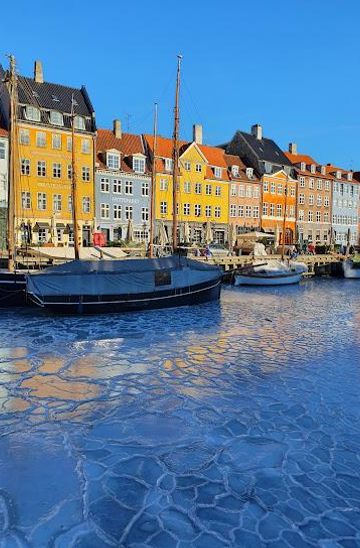
Nyhavn, meaning 'New Harbour,' is Copenhagen's most iconic waterfront district, famous for its vibrant 17th-century townhouses painted in brilliant pastels, historic wooden sailing ships, and lively atmosphere. Built between 1670 and 1673 under King Christian V, this picturesque canal transformed from a bustling commercial port into the city's cultural heart. Today it's lined with restaurants, cafés, and jazz bars where visitors can dine al fresco, explore maritime history, visit Hans Christian Andersen's former homes, or embark on scenic canal tours. Free to visit and open 24/7, Nyhavn remains Copenhagen's most photographed location.
A brief summary to Nyhavn
- Indre By, Indre By, DK
- Duration: 1.5 to 4 hours
- Mid ranged
-
 Outdoor
- Mobile reception: 5 out of 5

Know before you go
Hi, I'm Eve. Here are a few practical things to know before exploring Nyhavn.
- Visit early morning or late evening to avoid peak crowds and capture the best photographs of the colorful houses with softer light and fewer tourists in frame.
- Book canal tours in advance during summer months, as departures fill quickly. Tours typically last 60–90 minutes and offer unique perspectives of Copenhagen's waterways.
- Seek out the red house at No. 20 where Hans Christian Andersen wrote his fairytales, and explore the quieter south side for a more authentic local experience away from main crowds.
- Try smørrebrød (Danish open-faced sandwiches) paired with local beer or snaps at waterfront restaurants for an authentic culinary experience at mid-range prices.
- Winter visits offer a magical atmosphere with Christmas decorations and fewer tourists, making it an ideal time for photography and enjoying the area's character without summer crowds.
Do you manage this location?
Take control to get all the benefits, like improved information, better appearance, and stronger visibility across AI-powered discovery. Learn more
Activate your presenceOther nearby places you may find interesting

Getting There
-
Metro & Walking
Take the Copenhagen Metro (lines M1 or M2) to Kongens Nytorv station, approximately 5–8 minutes from central Copenhagen depending on your starting point. Exit and walk directly toward the harbor—Nyhavn is immediately adjacent to Kongens Nytorv square, a 2–3 minute walk downhill. This is the fastest and most convenient option, with trains running every 3–6 minutes during daytime hours. No additional cost beyond your metro ticket (approximately 24–36 DKK for a single journey within the city zone).
-
Bus
Multiple bus routes serve the area, including lines 1A, 15, 26, and 66, which stop near Kongens Nytorv or along nearby streets. Journey times from central Copenhagen range from 10–20 minutes depending on traffic and your starting location. Buses run frequently throughout the day. A single ticket costs approximately 24 DKK, and you can purchase tickets from the driver or use a Copenhagen Card if you have one.
-
Walking from City Center
Nyhavn is walkable from Copenhagen's central areas. From Tivoli Gardens, the walk takes approximately 15–20 minutes heading northeast through Strøget (the pedestrian shopping street) and then toward Kongens Nytorv. From Christiansborg Palace, it's roughly 10–15 minutes walking along the waterfront. The route is flat, well-marked, and passes through pleasant neighborhoods. This option is free and allows you to experience the city's character en route.
-
Bicycle
Copenhagen is extremely bike-friendly, and cycling to Nyhavn is popular among locals. Bike rental services throughout the city offer cycles at approximately 60–100 DKK per day. From central areas, the ride takes 10–15 minutes via dedicated cycle paths. Secure bike parking is available near Nyhavn, though spaces can fill during peak hours. This option provides flexibility and an authentic Copenhagen experience.
For the on-the-go comforts that matter to you
-
 Restrooms
-
 Drink Options
-
 Drinking Water
-
 Food Options
-
 Seating Areas
-
 Trash Bins
-
 Information Boards
Discover more about Nyhavn
From Maritime Hub to Cultural Icon
Nyhavn, translating to 'New Harbour,' was established between 1670 and 1673 under the direction of King Christian V. The canal was dug by Swedish prisoners of war, creating a direct gateway from the sea into Copenhagen's heart. For over two centuries, Nyhavn thrived as a bustling commercial port where merchant ships from around the world docked alongside fishing vessels. Merchants lived above their warehouses, sailors filled the taverns and alehouses, and the harbor echoed with the sounds of trade and maritime commerce. The townhouses lining both sides of the canal date to the 17th and early 18th centuries, their architectural styles reflecting the prosperity of Copenhagen's golden age as a trading power.The Gritty Past and Colorful Present
The north side of Nyhavn was historically home to wealthy merchants and respectable businesses, while the south side earned a reputation as the gritty underbelly of the harbor—notorious for taverns, brothels, and sailor's lodgings where Copenhagen's working class found entertainment and trouble. This duality shaped the character of the place, creating a vibrant social tapestry woven from both refinement and rough-edged life. In the 1980s, the area underwent comprehensive renovation that preserved its historic character while transforming it into a modern cultural destination. Today, both sides welcome locals and visitors alike, though the narrow alleys and weathered signs above doorways still whisper stories of wild nights, long voyages, and lives lived along the water.Literary Legacy and Fairytale Connections
Nyhavn holds a special place in Danish cultural history as the home of Hans Christian Andersen, the world-renowned author of fairytales. Andersen lived at three different addresses along the canal—No. 20, No. 67, and No. 18—at various points in his life. The red house at No. 20, situated directly in front of several restaurants, is where he wrote many of his most famous fairytales. Beyond Andersen's documented residency, the harbor carries its own folklore, with tales of ghost sightings and sailors who never returned from the sea, adding layers of mystery to its atmospheric streets.Visual Splendor and Architectural Heritage
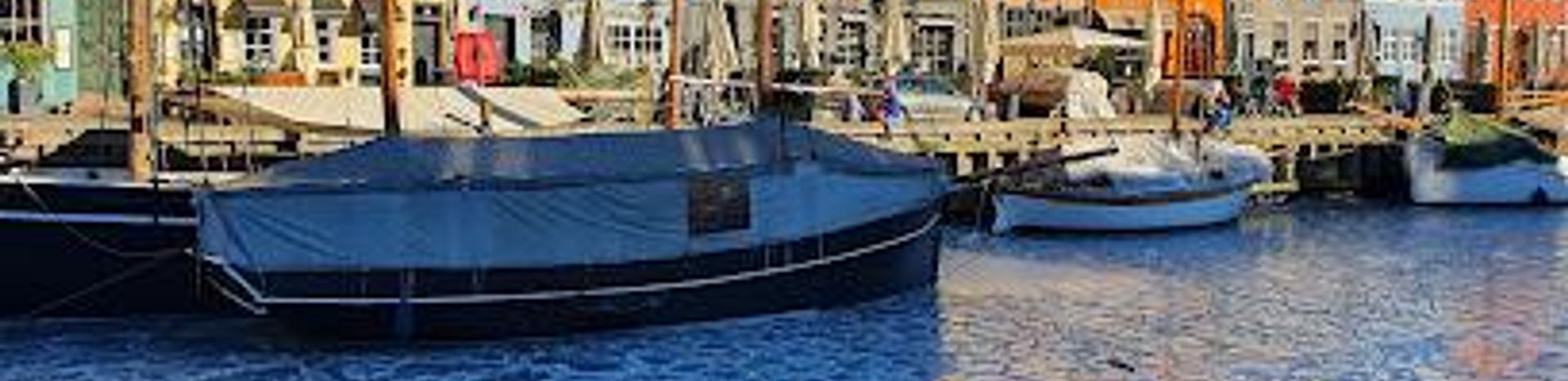
The defining feature of Nyhavn is its spectacular row of pastel-colored townhouses—painted in vivid shades of red, yellow, green, blue, and orange—that create one of the world's most recognizable and photographed waterfront scenes. These 17th and early 18th-century buildings, now home to restaurants, cafés, and shops, form a postcard-perfect backdrop that attracts photographers and travelers from every corner of the globe. Historic wooden sailing ships and smaller boats moored in the harbor add to the maritime museum-like quality of the setting. The architectural integrity of these buildings, combined with the absence of heavy industrial development in Copenhagen's historic center, means that Nyhavn has retained its authentic character far better than many European waterfronts.Contemporary Dining and Entertainment
Today, Nyhavn pulses with life as Copenhagen's entertainment heart. The quayside is lined with restaurants and cafés offering everything from traditional Danish smørrebrød (open-faced sandwiches) to international cuisine, with many establishments providing outdoor seating where diners can enjoy meals with views of the colorful houses and water. Specialized dining options include seafood bistros serving fresh fish caught in Danish waters, Italian restaurants, and casual street food vendors. Jazz bars and live music venues create a relaxed summer atmosphere, while the area remains equally enchanting during winter months when decorated with Christmas lights. The harbor serves as the departure point for popular canal tours operated by companies like Strömma and Netto-Bådene, allowing visitors to experience Copenhagen's waterways from a unique perspective.Essential Landmarks and Experiences
Beyond dining and photography, Nyhavn offers several compelling reasons to linger. The large memorial anchor at the end of the canal honors Danish sailors lost during World War II. Canal tours depart regularly from the quay, offering guided explorations of Copenhagen's waterways and neighborhoods. The area's compact size makes it ideal for leisurely strolls, where visitors can absorb the atmosphere, observe street performers, and discover the stories embedded in every building. Whether visiting in bright summer sunshine or under atmospheric evening lighting, Nyhavn provides an immersive experience where Copenhagen's maritime past seamlessly blends with its vibrant present.Explore the best of what Nyhavn has to offer













More about North Zealand
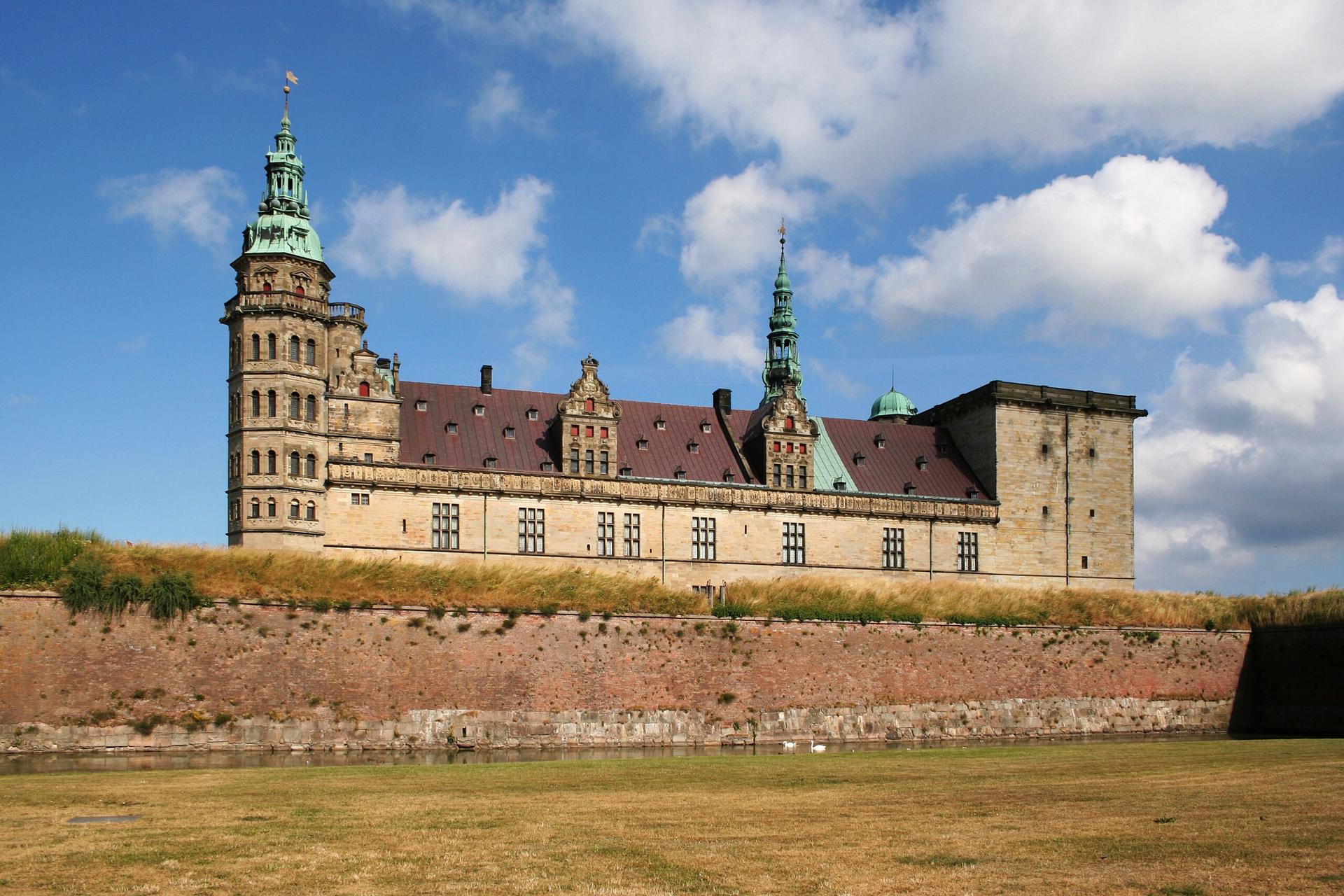
Explore North Zealand, Denmark's enchanting region of castles, beaches, and royal estates, perfect for history buffs, nature enthusiasts, and seaside lovers.
Tell me more about North Zealand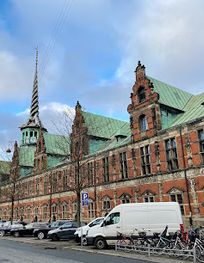
Copenhagen's legendary Dragon Spire and Dutch Renaissance masterpiece—a 400-year-old trading hub bearing witness to centuries of Danish commerce.

A modest harbour bridge with a grand view, Nyhavnsbroen is the balcony over Copenhagen’s most colourful canal and its centuries of maritime life.