Nyhavnsbroen & Nyhavn, North Zealand Travel Guide
A modest harbour bridge with a grand view, Nyhavnsbroen is the balcony over Copenhagen’s most colourful canal and its centuries of maritime life.
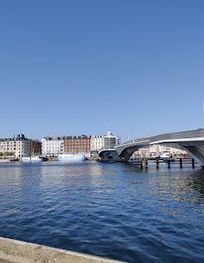
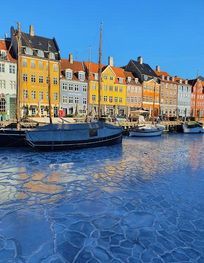
Nyhavnsbroen is the small but iconic bridge that spans the mouth of Copenhagen’s Nyhavn canal, framing the city’s most famous row of colourful 17th‑century houses. From this busy crossing point for cyclists and pedestrians, you get the classic postcard view of historic townhouses, old wooden ships and waterside cafés that define Copenhagen’s maritime heart. It is both a practical link between quays and a front‑row balcony on the city’s harbour life, from sunrise light on painted facades to evening reflections in the canal.
A brief summary to Nyhavnsbroen & Nyhavn
- Copenhagen, Indre By, 1051, DK
- Duration: 0.5 to 2 hours
- Free
-
 Outdoor
- Mobile reception: 5 out of 5

Know before you go
Hi, I'm Eve. Here are a few practical things to know before exploring Nyhavnsbroen & Nyhavn.
- Arrive in the morning for softer light on Nyhavn’s colourful facades and fewer people in your frame when photographing from the bridge.
- Stand on both sides of Nyhavnsbroen: one direction frames the classic canal view, while the other opens toward the wider harbour and modern waterfront.
- Watch for the bridge to open for taller vessels; it is a brief but striking reminder that Nyhavn is still part of an active working harbour.
- In cooler months, bring a windproof layer—the canal can feel noticeably breezier on the exposed bridge deck.
- Combine a stop on Nyhavnsbroen with a canal cruise: many tours depart just a short stroll away along the Nyhavn quays.
Do you manage this location?
Take control to get all the benefits, like improved information, better appearance, and stronger visibility across AI-powered discovery. Learn more about listing your business on Evendo
Activate your presenceOther nearby places you may find interesting
The closest places of the same kind, if this one is not quite what you had in mind.



Explore Nyhavnsbroen & Nyhavn on the Map
A handpicked selection of must-see spots near Nyhavnsbroen & Nyhavn, mapped for you.
Getting There
-
Metro and short walk from central Copenhagen
Take the M1 or M2 metro line to Kongens Nytorv station in central Copenhagen; trains run every few minutes and a single journey ticket typically costs around 20–30 DKK depending on zones. From the station, allow 5–10 minutes to walk along the pedestrian streets and down to Nyhavn’s canal. The route is flat and paved, suitable for wheelchairs and strollers, though it can be crowded at peak times and during major events along the waterfront.
-
City bus connection to the Nyhavn area
Several city bus lines serve stops close to Nyhavn from different neighbourhoods of Copenhagen, with typical journey times of 10–25 minutes from the inner districts and standard tickets around 20–30 DKK. Buses usually run frequently during the day and early evening, but service thins out late at night. Most stops are on level ground within a few minutes’ walk of the canal, though passengers should expect cobbled surfaces and busy crossings as they approach Nyhavnsbroen.
-
Harbour bus along Copenhagen’s inner harbour
The yellow harbour buses run up and down the inner harbour and include stops within walking distance of Nyhavn, offering a scenic alternative to land transport. Travel times vary from 10–35 minutes depending on your starting point, and fares are aligned with regular public transport tickets in the 20–30 DKK range. Boats are generally accessible but can be affected by weather and occasional timetable adjustments, so it is wise to allow extra time in windy or rainy conditions.
-
Cycling through the city centre
Copenhagen’s extensive cycle lanes make it practical to reach Nyhavnsbroen by bike from most central districts in about 5–20 minutes, depending on distance. You can use your own bicycle or rent one from numerous city bike schemes or private rental shops, with typical day rentals starting around 100–150 DKK. The final approach includes busy cycle traffic and some cobbles, so less confident riders should take extra care at junctions and when crossing the bridge at peak commuting hours.
For the on-the-go comforts that matter to you
-
 Restrooms
-
 Drink Options
-
 Drinking Water
-
 Food Options
-
 Seating Areas
-
 Sheltered Areas
-
 Picnic Areas
-
 Trash Bins
-
 Information Boards
-
 Visitor Center
Discover more about Nyhavnsbroen & Nyhavn
Where the Canal Meets the City
Nyhavnsbroen is the low, elegant bridge that stitches together the two quays of Nyhavn at the point where the canal opens toward Copenhagen’s inner harbour. Built in its current form in the early 20th century, it continues a crossing that has helped channel traffic through this part of the city since the late 1800s, when Nyhavn was still a working port. Today the bridge feels like a hinge between old and new: historic facades on one side, the broader harbour and modern waterfront developments on the other.Stand at the centre of the span and you can sense how much movement flows through this modest structure. Commuters cycle past in a constant stream, boats glide underneath on canal cruises and private trips, and people pause along the railings to watch it all for a moment before being carried onward into the city.Framing Copenhagen’s Most Famous View
From Nyhavnsbroen you are perfectly aligned with Nyhavn’s signature composition of tall, narrow houses painted in bright reds, yellows and blues. Their gables step rhythmically along the water, reflected in the canal below like a rippling mirror. Old wooden schooners and classic motorboats moored along the quays complete the scene, their masts rising between the rooftops.Photographers are drawn here for good reason. Morning light washes the facades in a soft glow, while late afternoon brings warmer tones and long shadows down the canal. At night, the windows of cafés and restaurants cast a golden shimmer across the water. The bridge is high enough to give a broad sweep of the harbour, yet low enough that you feel intimately connected to the life along the quays.Echoes of a Maritime Past
Nyhavn was carved out in the 17th century as a new harbour channel, linking the Baltic and North Seas directly to Copenhagen’s inner core. For centuries, merchant ships crowded its waters, unloading cargo and crew into a neighbourhood of warehouses, taverns and lodgings. Nyhavnsbroen’s earlier incarnations helped manage that bustle, allowing carts and pedestrians to cross the narrow waterway without interrupting shipping traffic.Although today’s bridge is a later reworking, it still opens to allow taller vessels to enter and leave the canal, a reminder that this picturesque spot is also an active piece of harbour infrastructure. When the bascule lifts, the roadway pivots slowly upward, traffic pauses, and the relationship between city and sea becomes visible in a single graceful movement.Street Life on the Quays
Looking along the quays from the bridge, it is easy to imagine sailors once heading from ships to smoky alehouses. Many of the former warehouses and lodgings now house cafés, restaurants and bars, their outdoor tables spilling onto cobbles beside the water. In summer, you may hear jazz from a corner stage, cutlery chiming on plates of open‑faced sandwiches, and the murmur of conversations in many languages.In colder months, the atmosphere shifts but the canal remains lively. Strings of lights reflect on the water, and during the festive season stalls line parts of the quay selling hot drinks and seasonal treats. From the bridge, these changing rhythms fold into a single view: people strolling with ice creams in July, bundled up with steaming cups in December.Stories Hidden Behind Colourful Facades
The houses you see from Nyhavnsbroen hold layers of history. Several are linked to Hans Christian Andersen, who lived and wrote in multiple addresses along Nyhavn during the 19th century. Others once served as shipping offices for companies organizing transatlantic voyages, or as workshops for maritime trades such as sail making and navigation instruments.Nyhavnsbroen itself rarely takes centre stage in these stories, but it acts as a quiet observer. Every day, residents, workers, visitors and students cross back and forth, just as sailors, porters and merchants did in earlier centuries. The bridge’s simple steel and stone design lets the surrounding architecture speak, yet its presence is essential to the way the district is experienced today.Experiencing the Harbour from the Bridge
Spending time on Nyhavnsbroen is about more than taking a quick photograph. Lean on the railing and trace the wake of a passing tour boat as it slips under your feet. Watch cyclists weave around each other at rush hour with effortless balance. Feel the combination of sea breeze and city air, tinged with the scent of coffee, fried fish or fresh waffle cones from the nearby kiosks.The bridge offers a compact yet complete introduction to central Copenhagen’s character: human‑scaled, water‑oriented, historic but relaxed. From here, you can continue along the canal, follow the harbourfront toward contemporary architecture, or simply stay where you are a little longer, letting the flow of the city move around you while you stand above the water.












Your all‑in‑one travel companion app
Explore expert travel guides, compare and book tours, experiences, hotels, and more—all from the palm of your hand. Download now for seamless trip planning wherever your wanderlust takes you.


Explore More of North Zealand
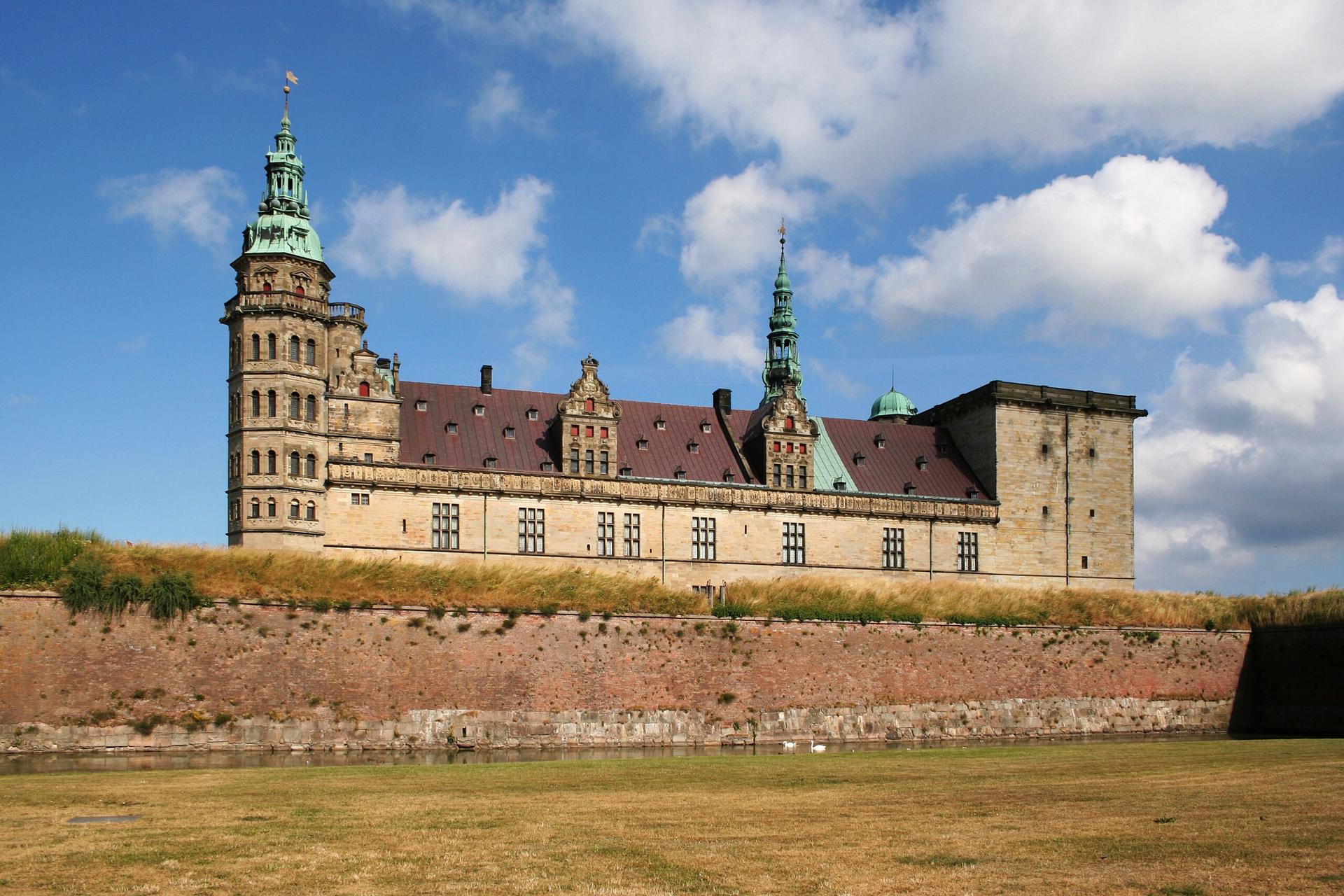
Looking beyond Nyhavnsbroen & Nyhavn? Discover North Zealand for broader travel guides, local hot-spots, and regional highlights.
Explore North Zealand