Fredensborg Palace, Hillerød Travel Guide
Free Guide: Baroque lakeside palace and royal residence where grand avenues, tranquil gardens and a living monarchy meet in North Zealand’s serene countryside.


A brief summary of Fredensborg Palace
Baroque lakeside palace and royal residence where grand avenues, tranquil gardens and a living monarchy meet in North Zealand’s serene countryside.
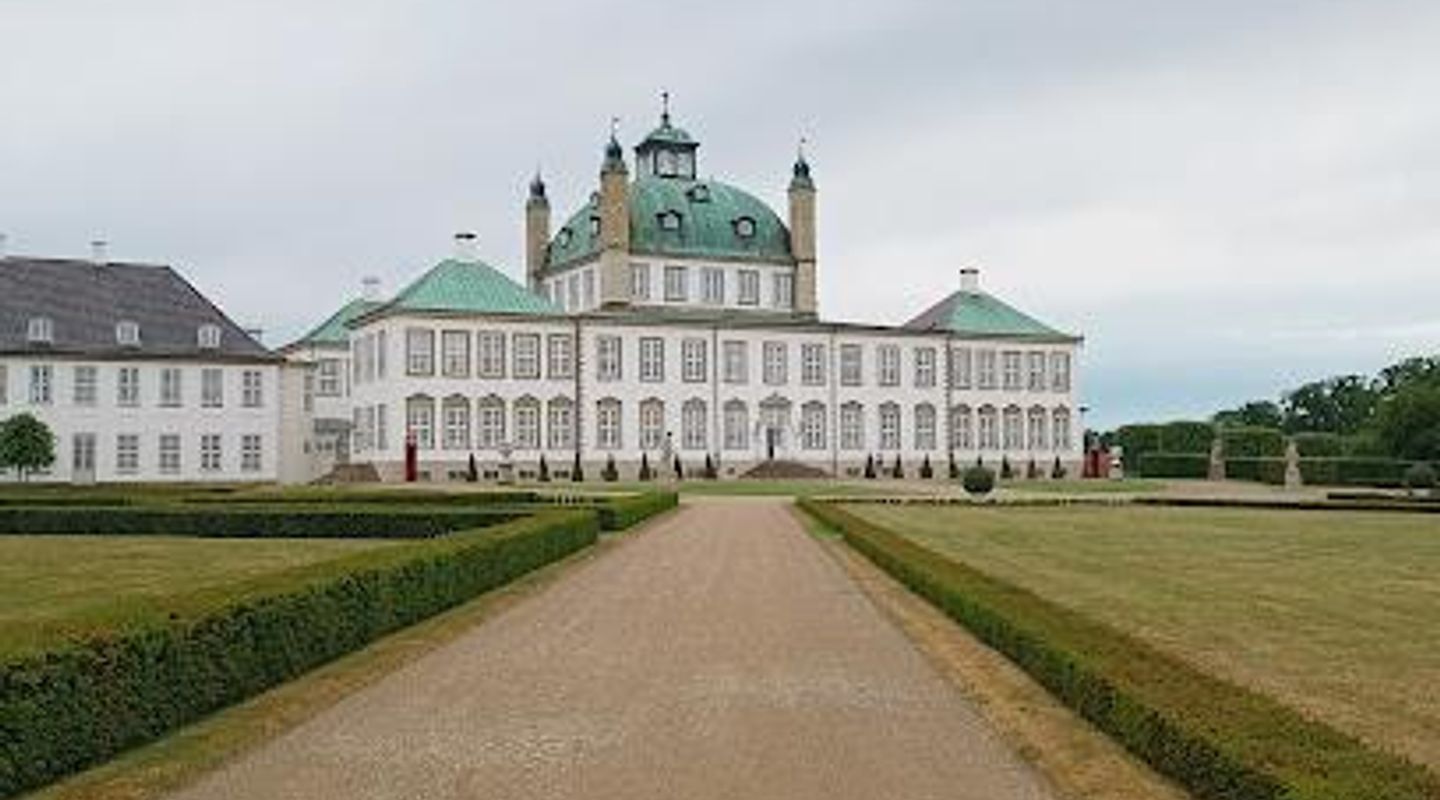
Set on the shore of Lake Esrum in North Zealand, Fredensborg Palace is one of Denmark’s most important royal residences and a textbook example of baroque palace planning. Built in the early 18th century for King Frederik IV and named in honor of peace after the Great Northern War, it serves today as the Danish Royal Family’s spring and autumn home. Visitors wander grand avenues, manicured terraces and forested paths in one of the country’s largest historic palace gardens, while summer tours reveal selected palace interiors and the normally private Reserved Garden.
On-site amenities
 Restrooms
 Drink options
 Drinking water
 Food options
 Seating areas
 Picnic areas
 Trash bins
 Information boards
 Visitor centre
- Address
- Slottet 1B, 3480 Fredensborg
- Phone
- Website
Getting there
Train from Copenhagen plus local walk
Regional bus within North Zealand
Car from Copenhagen region
Discover more about Fredensborg Palace
A royal retreat born from peace
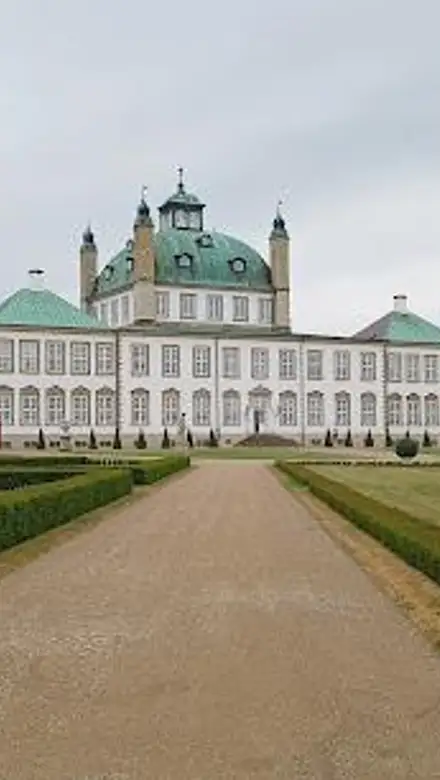
Fredensborg Palace rises above the eastern shore of Lake Esrum, its pale façades and copper-green dome hall marking one of the Danish monarchy’s most cherished residences. Conceived as a country seat for King Frederik IV in the early 18th century, the palace was inaugurated in 1722 as a pleasure retreat away from Copenhagen’s formal court life. Its very name, meaning “Peace Palace,” commemorates the treaty that ended the Great Northern War and symbolises the hope of a calmer era after years of conflict.What began as a relatively modest baroque pleasure house soon grew into a full royal residence. Over the next decades, leading architects of the day refined and expanded the complex, adding corner pavilions, raising roofs and reshaping interiors to reflect changing tastes. Yet the overall composition remains surprisingly cohesive, with the octagonal courtyard and central dome hall still defining the palace’s silhouette.
Architecture around the octagonal heart
The layout of Fredensborg Palace centres on an octagonal courtyard, ringed by wings that once housed courtiers, staff and service functions. From the courtyard, the eye is drawn upward to the Italian-inspired Dome Hall, a soaring two-storey space that forms the ceremonial heart of the palace. Around it stretches a composition of baroque façades, balustrades and copper-clad roofs that balance formality with the intimacy of a country home.Scattered around the main block are distinctive outbuildings that hint at the rhythms of royal life. The palace chapel, with its tall spire and richly decorated gable, has witnessed royal weddings, christenings and confirmations. Nearby, the Chancellery House and former riding facilities speak to the days when ministers, courtiers and prized Frederiksborg horses filled the estate. Together they create a self-contained world where governance, devotion and everyday routines once unfolded side by side.
Gardens where baroque lines meet romantic woodland
Beyond the stone and stucco, the palace garden unfolds as one of Denmark’s largest historic baroque landscapes. From the rear of the palace, straight avenues radiate like spokes in a fan, carving sightlines deep into the surrounding greenery. This grand geometry reflects French baroque ideals, inviting you to look along long, ruler-straight vistas that culminate in distant statues, tree walls or glimpses of Lake Esrum.Between these formal axes, the mood softens into more romantic parkland with curving paths and mixed woodland. Here, carefully framed views give way to pockets of quiet and shade, especially appealing on warm summer days. Scattered statues and ornamental features punctuate the landscape, turning a simple walk into a gentle lesson in garden design across centuries.
Royal traditions and a living residence
Unlike many historic palaces that function solely as museums, Fredensborg remains a working royal residence. The royal family spends extended periods here in spring and autumn, and the palace often forms the backdrop for state visits, official dinners and private family celebrations. A charming tradition allows visiting heads of state to engrave their signatures into certain windowpanes, leaving behind a discreet record of diplomatic encounters.When the royal family is in residence, much of the inner complex is closed, and life inside follows modern schedules behind the historic façades. At other times, selected interiors open for guided tours, giving a rare glimpse of the dome hall, reception rooms and the private Reserved Garden with its orangery, kitchen beds and intimate flower borders shaped by generations of queens.
Exploring the grounds as a visitor
For most of the year, the palace is best experienced from its extensive gardens, which are open to the public even when the residence itself is closed. Paths lead you along terraces and down towards the lakeside, where the water and tree line form a tranquil backdrop to the more formal parterres closer to the buildings. Benches and open lawns create natural pauses for picnics, quiet reading or simply watching the light shift across the lake.In summer, timed guided tours in English and Danish typically offer access to both the palace and the Reserved Garden, transforming the visit into a more in-depth exploration. These tours are structured but relaxed, combining architectural detail, royal anecdotes and garden history. With a half day, you can comfortably combine a walk through the baroque avenues, a tour of the interiors and moments of unhurried contemplation by Lake Esrum.
Setting within North Zealand’s royal landscape
Fredensborg Palace is part of a wider royal landscape in North Zealand, a region dotted with castles, forests and lakes historically tied to the Danish crown. The town of Fredensborg grew up in the palace’s orbit, its inn and streets originally serving guests and staff travelling to the royal court. Today, the palace grounds feel like a green hinge between town and countryside, with woodland and water stretching out behind the formal gardens.This setting is central to the experience: the distant call of waterbirds, the scent of clipped hedges and linden trees, and the wide sky above the avenues all reinforce the sense of a country seat rather than an urban monument. Whether you come for royal history, baroque design or a serene walk in landscaped nature, Fredensborg Palace offers a revealing window into Denmark’s living monarchy and its enduring connection to the surrounding landscape.
Evendo Review Centre
 Google
Guest reviews
Best time to go
Quietest: Jan, Feb & Nov · before 7am or from 9pm
Busy times are Evendo estimates for a typical year, to help you plan. Actual crowds vary with events, school holidays and the weather.
Explore Fredensborg Palace on the map
A handpicked selection of must-see spots near Fredensborg Palace, mapped for you.
Get your free copy of our complete guide to Fredensborg Palace, delivered straight to you.
Everything on this page, from opening hours and how to get there to Eve’s tips and the best time to go, in one PDF you can read offline, print or share.
Already have an account? Sign in
Your Fredensborg Palace guide is ready.
We'll send it to · Not you? Sign out

Getting your guide ready…
We are putting together a fresh copy of the Fredensborg Palace guide. This can take up to a minute.
This can take a few moments. If your browser asks, choose Allow so the download can start. You'll find the guide in your Downloads folder.
Nothing happened? Download it again
Sorry, the guide is taking longer than usual. Please try again in a minute, or get it by email instead.
Unlock the best of Fredensborg Palace
Skip-the-line tickets, guided tours with entry, and walking tours of the area, booked in a few clicks.
 Tour with entry
Private Custom Tour with a Local Guide in Helsingør
from $213.19 Tour with entry
Hamlet Countryside Excursion Through Shakespeare Land + Ebook
from $275.01 Tour with entry
Copenhagen North Zealand Castles Private Tour
from $954.00 Tour with entry
a day at North Zealand Castle Tour
from $1,132.17

Other nearby places you may find interesting
The closest places of the same kind, if this one is not quite what you had in mind.
-
-
-
-
-


Swipe for more places
More to explore near Fredensborg Palace

 Best experiences near Fredensborg Palace
 Best hotels near Fredensborg Palace
 Best landmarks near Fredensborg Palace
 Best attractions near Fredensborg Palace
 Best shops near Fredensborg Palace
 Best restaurants near Fredensborg Palace
 Best bars near Fredensborg Palace
Do you manage this location?
Take control to get all the benefits, like improved information, better appearance, and stronger visibility across AI-powered discovery.
Explore more
Explore more of Hillerød
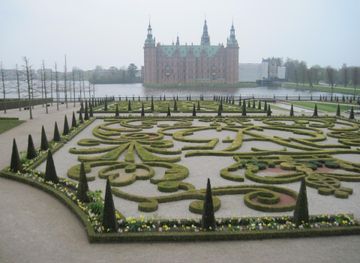
Explore Hillerød: Discover Frederiksborg Castle, vibrant town life, and scenic nature trails in Denmark's charming North Zealand region.
Explore Hillerød
Explore more of Denmark
Discover Denmark: A perfect blend of history, modern design, and the cozy concept of hygge. Explore vibrant cities, serene landscapes, and world-class cuisine.
Explore Denmark