

Free Hillerød Travel Guide & Mobile App
Plan your Hillerød trip with Evendo. Get free guides to top attractions, restaurants, hotels, and bars. Web access or download the mobile app.


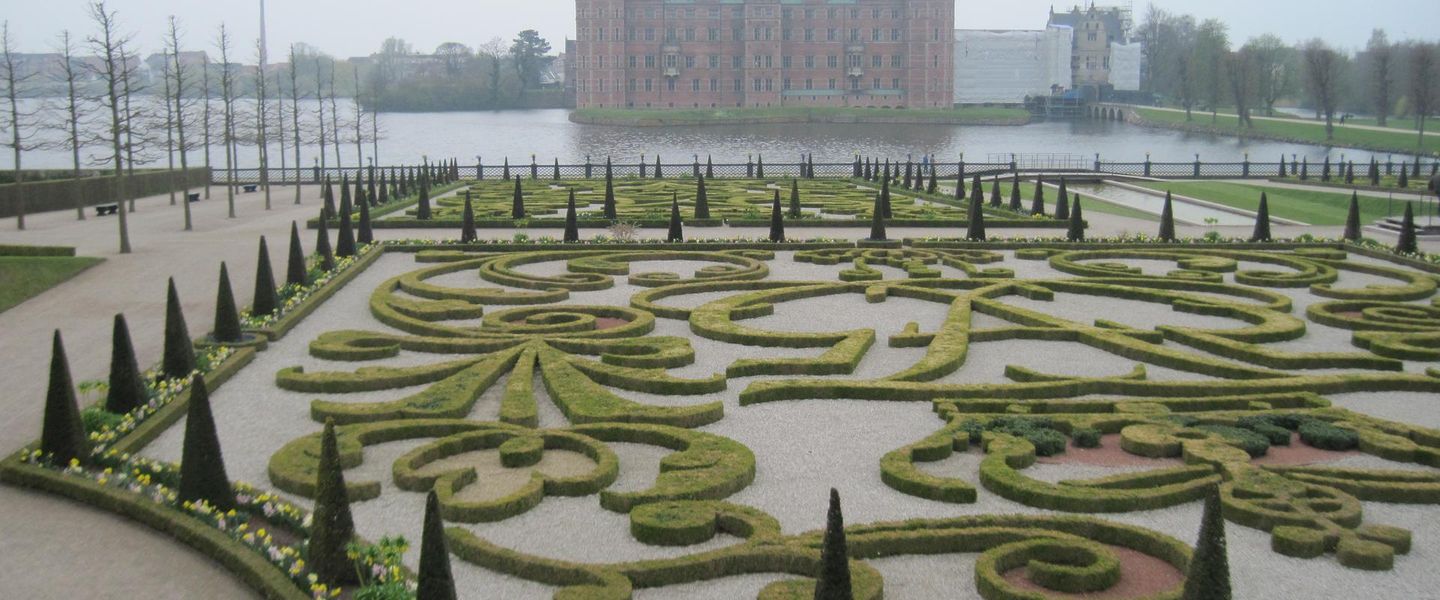


Hillerød in North Zealand combines Frederiksborg Castle, royal history, lakeside walks, forest landscapes and Danish culture close to Copenhagen.
A Royal Centre in North Zealand
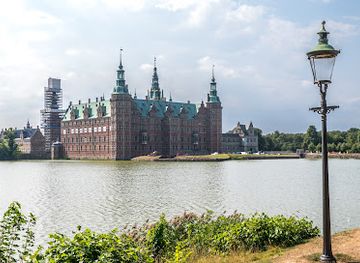
Hillerød lies in the wooded landscape of North Zealand, around the narrow waters of Slotssøen and the imposing silhouette of Frederiksborg Castle. The town's identity is inseparable from this former royal residence, built for Christian IV in the early seventeenth century and now home to the Danish Museum of National History. Its red-brick towers, copper roofs and richly decorated interiors create one of Denmark's most impressive historical settings, while the surrounding lake provides a quieter perspective on the architecture.Read more about Hillerød
Town Streets and Everyday Life
Forests, Gardens and North Zealand
When is the best time to visit Hillerød?
Best: June–August · 22–24°C| Month | High (°C) | Rainfall (mm) |
|---|---|---|
| January | 3 | 32 |
| February | 4 | 26 |
| March | 5 | 30 |
| April | 11 | 32 |
| May | 18 | 42 |
| June (best) | 22 | 52 |
| July (best) | 24 | 62 |
| August (best) | 23 | 57 |
| September | 18 | 47 |
| October | 14 | 37 |
| November | 9 | 32 |
| December | 5 | 30 |
Getting to and around Hillerød
How to get there
Transportation
Best attractions in Hillerød
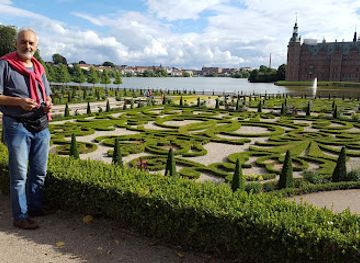
Frederiksborg Castle is Hillerød's principal attraction, combining grand courtyards, richly decorated state rooms, a chapel and the Danish Museum of National History, whose portraits and historical paintings occupy the reconstructed interiors. Around it, Slotssøen offers a rewarding waterside walk with changing views of the castle's towers and façades. The formal Baroque gardens extend the visit into a carefully ordered landscape of terraces, avenues and clipped hedges, while the English-style park provides a softer contrast. In the centre, the pedestrian streets around Slotsgade and Torvet reveal Hillerød as a working North Zealand town, with cafés, shops and local life rather than a purely ceremonial setting. Nearby Gribskov adds woodland paths, open clearings and opportunities for quiet walking or cycling, giving the town a natural counterpoint to its royal architecture. The combination of museum, gardens, lake, town streets and forest makes sightseeing here varied without requiring long journeys between the main experiences.
-
Modern art museum
Louisiana Museum of Modern Art
Scandinavian art and nature in perfect harmony on the Danish coast.
35 min drive · 15 km from city centre
-
Castle
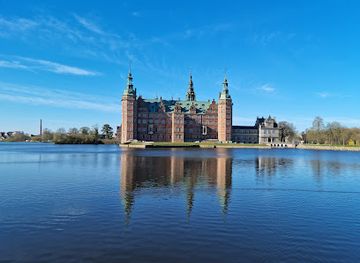
Frederiksborg Castle
Island palace, national museum, and baroque gardens in one unforgettable lakeside castle just north of Copenhagen.
12 min walk · 1.0 km from city centre
-
Park
Frederiksborg Castle Gardens
Sweeping Baroque terraces and romantic woodland paths framing a lake island castle, Frederiksborg Castle Gardens blend royal theatre with everyday green escape.
12 min walk · 0.9 km from city centre
-
Castle
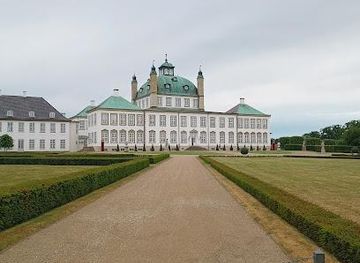
Fredensborg Palace
Baroque lakeside palace and royal residence where grand avenues, tranquil gardens and a living monarchy meet in North Zealand’s serene countryside.
22 min drive · 7.4 km from city centre

Best landmarks in Hillerød
Frederiksborg Castle is Hillerød's defining landmark, a Dutch Renaissance royal complex built under Christian IV on three islands in Slotssøen. Its towers, red-brick façades, copper roofs and sculptural decoration express the ambitions of the Danish monarchy in the early seventeenth century. Within the complex, the castle chapel survived the 1859 fire and remains an important royal and religious interior, while the museum's reconstructed rooms reflect the building's later national role. The castle gardens form a second landmark landscape, combining the ordered geometry of the Baroque garden with broader parkland. Slotssøen itself is central to the town's visual identity, framing the castle from the water. In the centre, the older streets around Slotsgade and Torvet preserve the scale of Hillerød's historic commercial heart, contrasting with the expansive royal architecture just beyond it.
-
Tourist attraction
Frederiksborg Castle Chapel
Denmark's most exquisite royal chapel—a 400-year-old sanctuary of Baroque splendor and unbroken spiritual tradition.
13 min walk · 1.0 km from city centre
-
Historical landmark
Island of imagination
A romantic royal ruin hidden in a forest lake, where a Danish king's private sanctuary invites imagination.
14 min walk · 1.1 km from city centre
-
Tourist attraction
Kongedyssen
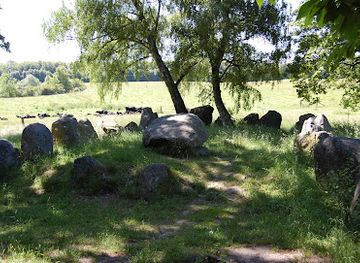
A 5,400-year-old passage grave nestled in ancient forest, connecting modern visitors to Neolithic burial traditions.
18 min drive · 5.9 km from city centre
-
Historical landmark
Kulsvierstenen
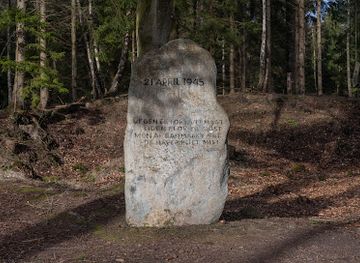
A modest forest stone with a powerful World War II story, Kulsvierstenen quietly commemorates resistance fighters amid the stillness of Gribskov.
21 min drive · 6.9 km from city centre

Explore Hillerød on the map
Plan your Hillerød trip on one map. See where the top attractions, landmarks, restaurants, bars and hotels are, find what's near where you're staying, and book hotels and experiences in a few clicks.
Best hotels in Hillerød
Best restaurants in Hillerød
Hillerød's dining scene reflects everyday Danish eating as much as the presence of its major castle. Cafés around the pedestrian centre serve coffee, pastries, open sandwiches and light meals, while restaurants draw on familiar Nordic ingredients such as rye bread, seasonal vegetables, fish, pork and dairy. Visitors can expect Danish smørrebrød alongside broader European cooking, with menus varying from informal daytime fare to more polished evening dining. Bakeries are useful for breakfast or provisions before a walk around Slotssøen or into Gribskov, and the town's shopping areas provide convenient casual options. North Zealand's rural surroundings also influence the emphasis on seasonal produce, though Hillerød is not primarily a destination for a single famous dish. Dining near the centre makes it easy to combine a meal with the castle, station and pedestrian streets, while a quieter café visit suits the town's measured pace.
-
Restaurant
Rib House
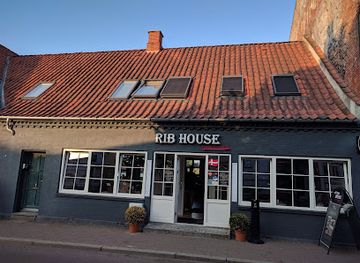
Hearty ribs and steaks in a relaxed, family-friendly steakhouse just steps from Frederiksborg Castle on historic Slotsgade in central Hillerød.
14 min walk · 1.1 km from city centre
-
Hamburger
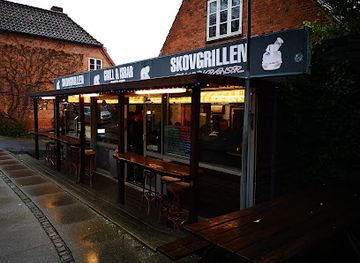
Skovgrillen
Classic Danish grill bar near Frederiksborg’s forests, serving hearty burgers, flæskestegsburgers and the legendary Taxa burger at budget-friendly prices.
18 min walk · 1.4 km from city centre
-
Restaurant
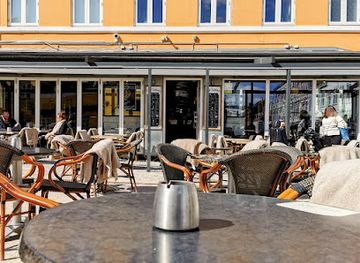
Café Valentin
All‑day Danish café on Hillerød’s main street, blending generous brunches, comfort food and cocktails with a lively terrace near Frederiksborg Castle.
14 min walk · 1.1 km from city centre
-
Hamburger
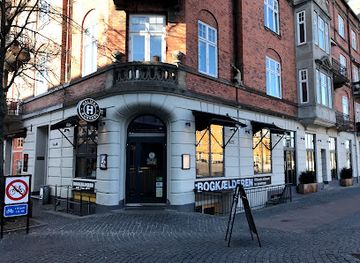
Halifax Burgers Hillerød
Casual Danish burger bar on Hillerød’s main square, pairing customizable burgers and vegan options with taphouse coziness and views toward Frederiksborg Castle.
12 min walk · 1.0 km from city centre
Best bars in Hillerød
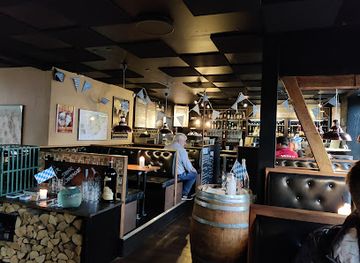
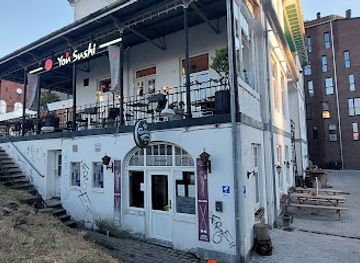
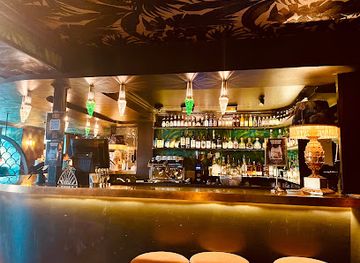
Hillerød's evening scene is modest and locally oriented rather than built around large nightclubs. The town centre has cafés, pubs and restaurants where residents meet after work or settle in for an unhurried evening, with activity concentrated around the central pedestrian streets. Some venues offer beer, wine and spirits in a relaxed setting, while cultural programming at local institutions and occasional live performances can provide alternatives to conventional nightlife. The atmosphere is generally quieter than Copenhagen's, and late-night options are more limited, particularly outside busy periods. Visitors seeking a social evening can remain near the station and central squares, where returning by rail or taxi is comparatively straightforward. For major concerts, clubs and a much broader choice of late entertainment, Copenhagen is the nearest large-city alternative, connected to Hillerød by the rail network.
-
Irish pub
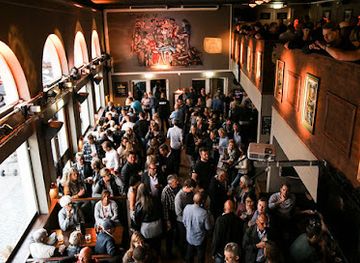
The Old Irish Pub
Lively Irish-style bar and late-night dance venue on Hillerød’s central square, pouring pints, playing hits and catering to a sociable, mature party crowd.
12 min walk · 1.0 km from city centre
-
Restaurant
Skänk øl, vin & madbar Hillerød
Intimate beer, wine and tapas bar on Hillerød’s main square, pouring Danish microbrews, global wines and sharing boards with views toward Frederiksborg Castle.
12 min walk · 1.0 km from city centre
-
Bar
Jernstangen
Old-school Hillerød pub opposite the station, with billiards, darts, dice games and live music nights in a laid‑back, locals-first atmosphere.
10 min walk · 0.8 km from city centre
-
Bar
Crane Brothers
Cosy cocktail bar on Hillerød’s main square, blending inventive drinks, warm design and a relaxed, grown-up atmosphere with access to the adjacent Tahonga Lounge.
11 min walk · 0.9 km from city centre
Best nightclubs in Hillerød
Hillerød's evening scene is modest and locally oriented rather than built around large nightclubs. The town centre has cafés, pubs and restaurants where residents meet after work or settle in for an unhurried evening, with activity concentrated around the central pedestrian streets. Some venues offer beer, wine and spirits in a relaxed setting, while cultural programming at local institutions and occasional live performances can provide alternatives to conventional nightlife. The atmosphere is generally quieter than Copenhagen's, and late-night options are more limited, particularly outside busy periods. Visitors seeking a social evening can remain near the station and central squares, where returning by rail or taxi is comparatively straightforward. For major concerts, clubs and a much broader choice of late entertainment, Copenhagen is the nearest large-city alternative, connected to Hillerød by the rail network.
-
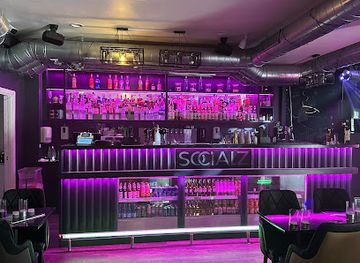
Night club
Socialz
Intimate cocktail bar and nightclub in the heart of Hillerød, blending shisha lounge vibes, late-night DJ sets and a compact dance floor on lively Slotsgade.
14 min walk · 1.1 km from city centre
Best shops in Hillerød
Shopping in Hillerød centres on the pedestrian streets around Slotsgade and Torvet, where independent shops, cafés and everyday Danish retailers occupy the historic town core. SlotsArkaderne adds a larger modern shopping environment close to Hillerød station, with a broad range of shops and services under one roof. Visitors looking for locally characteristic purchases may find Danish design, homewares, knitwear, food products and bakery goods more useful than heavily themed souvenirs. The town is not primarily a craft-market destination, so specialist items and antiques are best approached through individual shops rather than a single celebrated bazaar. Shopping can be combined easily with a visit to Frederiksborg Castle, since the commercial centre and castle lake are within a comfortable walking distance. Opening arrangements can vary, particularly on Sundays and public holidays, so check individual businesses when planning a dedicated shopping visit.
-
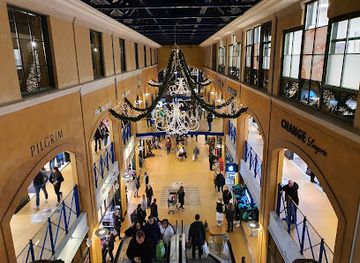
Shopping mall
SlotsArkaderne
North Zealand's premier shopping destination where modern retail meets royal heritage in the heart of historic Hillerød.
16 min walk · 1.2 km from city centre
-
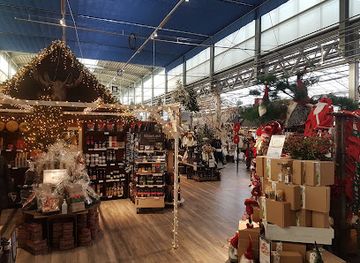
Garden center
Plantorama Hillerød
A 10,000 m² green universe in Hillerød, where plants, pets, home décor and a cosy café turn a simple shopping trip into a relaxed family outing.
10 min drive · 3.3 km from city centre
-
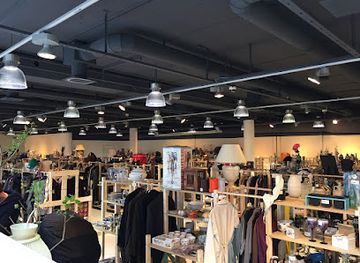
Flea market
Kirppu
Indoor flea “supermarket” in Hillerød where hundreds of private stands, daily opening hours and free parking turn sustainable second-hand shopping into a relaxed treasure hunt.
6 min drive · 2.0 km from city centre
-
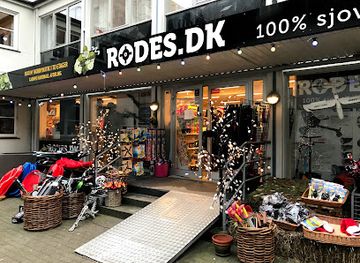
Hobby store
Rodes
Two floors of toys, gear and airsoft in an 800 m² megastore that turns central Hillerød into a playground for kids, teens and grown‑up hobby enthusiasts.
13 min walk · 1.0 km from city centre
Get your free copy of our complete guide to Hillerød, delivered straight to you.
Everything on this page, from attractions and restaurants to essentials and local phrases, in one PDF you can read offline, print or share.
Already have an account? Sign in
Your Hillerød guide is ready.
We'll send it to · Not you? Sign out

Getting your guide ready…
We are putting together a fresh copy of the Hillerød guide. This can take up to a minute.
This can take a few moments. If your browser asks, choose Allow so the download can start. You'll find the guide in your Downloads folder.
Nothing happened? Download it again
Sorry, the guide is taking longer than usual. Please try again in a minute, or get it by email instead.
Hillerød essentials
Currency and Payment
Safety
Emergency Situations
Do's and Don'ts
Local Tips
From Eve
Local phrases worth knowing
You don't need to get them perfect. A few words go a long way, and locals appreciate the effort.
Basics
| English | Local | Say it |
|---|---|---|
| Hello | Hej | [hey] |
| Goodbye | Farvel | [far-vel] |
| Yes | Ja | [ya] |
| No | Nej | [nay] |
| Please/You're welcome | Vær så god | [ver sa go] |
| Thank you | Tak | [tak] |
| Excuse me/Sorry | Undskyld | [un-skyld] |
| How are you? | Hvordan har du det? | [vor-dan har doo day] |
| Fine. And you? | Fint. Og dig? | [fint oh dee] |
| Do you speak English? | Taler du engelsk? | [tah-ler doo engelsk] |
| I don't understand | Jeg forstår ikke | [yai for-stowr ee-ne] |
Eating & Drinking
| English | Local | Say it |
|---|---|---|
| I'd like to see the menu, please | Jeg vil gerne se menukortet, tak | [yai vil geh-nuh seh meh-noo-kor-tet tak] |
| I don't eat meat | Jeg spiser ikke kød | [yai spee-ser ee-ne kuhd] |
| Cheers! | Skål! | [skawl] |
| I would like to pay, please | Jeg vil gerne betale, tak | [yai vil geh-nuh bet-ah-leh tak] |
Emergencies
| English | Local | Say it |
|---|---|---|
| Help! | Hjælp! | [hyelp] |
| Go away! | Gå væk! | [goh vayk] |
| Call the Police! | Ring til politiet! | [ring teel pol-ee-tee-et] |
| Call a doctor! | Ring efter en læge! | [ring ef-ter en lay] |
| I'm lost | Jeg er gået forkert | [yai eer goh-et for-kert] |
| I'm ill | Jeg er syg | [yai eer soog] |
Shopping
| English | Local | Say it |
|---|---|---|
| I'd like to buy... | Jeg vil gerne købe... | [yai vil geh-nuh kuh-buh] |
| I'm just looking | Jeg kigger bare | [yai kee-ger bah-reh] |
| How much is it? | Hvor meget koster det? | [vor meh-ee kos-ter deh] |
| That's too expensive | Det er for dyrt | [deh eer for deer] |
| Can you lower the price? | Kan du sænke prisen? | [kan doo sahn-keh pree-sen] |
Time & Numbers
| English | Local | Say it |
|---|---|---|
| What time is it? | Hvad er klokken? | [vad eer klok-en] |
| It's one o'clock | Klokken er et | [klok-en eer et] |
| Half past (10) | Halv ti | [halv tee] |
| Morning | Morgen | [mor-gen] |
| Afternoon | Eftermiddag | [ef-ter-mee-dag] |
| Evening | Aften | [af-ten] |
| Yesterday | I går | [ee gor] |
| Today | I dag | [ee dah] |
| Tomorrow | I morgen | [ee mor-gen] |
| 1 | Et | [et] |
| 2 | To | [toh] |
| 3 | Tre | [treh] |
| 4 | Fire | [fee-reh] |
| 5 | Fem | [fem] |
| 6 | Seks | [seks] |
| 7 | Syv | [suv] |
| 8 | Otte | [oh-teh] |
| 9 | Ni | [nee] |
| 10 | Ti | [tee] |
Transport & Directions
| English | Local | Say it |
|---|---|---|
| Where's a/the...? | Hvor er...? | [vor eer] |
| What's the address? | Hvad er adressen? | [vad eer ah-dres-en] |
| Can you show me (on the map)? | Kan du vise mig (på kortet)? | [kan doo vee-seh mee (poh kor-tet)] |
| When's the next (bus)? | Hvornår er den næste (bus)? | [vor-nor eer den neh-ste (boos)] |
| A ticket (to ....) | En billet (til ....) | [en bee-let (teel)] |
History of Hillerød
Early Settlement and Hillerødsholm
Hillerød developed in a rural landscape shaped by farms, woodland and lakes. Its name is associated with the medieval village of Hillerød, while the estate known as Hillerødsholm occupied the island and shoreline where Frederiksborg Castle would later rise. Before the great royal building project, the site belonged to the Gøye family and was acquired by the Danish crown in the late sixteenth century. The area's importance therefore grew from a combination of cultivated land, water access and proximity to the royal estates of North Zealand. The settlement remained modest, but the crown's interest in the site transformed its political and architectural significance.
Christian IV Builds Frederiksborg
Christian IV developed Hillerødsholm into an imposing royal residence between 1600 and 1620, naming it Frederiksborg after his father, Frederik II. Constructed in the Dutch Renaissance style, the complex spread across three islands in Slotssøen and included elaborate courtyards, towers, sculpture and formal gardens. Frederiksborg reflected Christian IV's ambitions for royal representation and became a principal setting for court life and major ceremonies. The castle's presence altered Hillerød permanently, attracting royal officials, craftsmen and service workers while giving the town a significance far exceeding that of a typical North Zealand settlement.
A Royal Castle and Ceremonial Setting
During the seventeenth and eighteenth centuries, Frederiksborg remained one of Denmark's leading royal residences. The castle was used for court occasions and coronation ceremonies, and its interiors accumulated paintings, furnishings and religious works that documented the Danish monarchy. The surrounding forests and estates supported hunting and other royal activities, linking Hillerød to the wider network of crown lands in North Zealand. Although royal attention shifted between different residences over time, Frederiksborg continued to embody the authority of the Danish monarchy and shaped the town's economy, institutions and architectural character.
Fire and Nineteenth-Century Reconstruction
A devastating fire in 1859 destroyed much of Frederiksborg Castle, including large parts of its historic interiors. The catastrophe prompted a major reconstruction effort led by the brewer and patron J. C. Jacobsen, founder of the Carlsberg brewery, with further support from public and private donors. The rebuilding restored the exterior and created the Danish Museum of National History, which opened in 1878. Rather than simply preserving a royal residence, the project gave the castle a new national cultural role: its rooms became a setting for portraits and paintings that present Danish history through the monarchy, political life and cultural memory.
Railways and Modern Hillerød
The arrival of the railway in the nineteenth century strengthened Hillerød's connection with Copenhagen and the rest of North Zealand, encouraging population growth, commerce and administrative development. The town gradually became an important regional centre rather than merely a settlement serving the castle. During the twentieth century, new housing, schools and commercial areas expanded beyond the historic core, while Frederiksborg remained the defining cultural institution. Contemporary Hillerød combines this regional role with access to Gribskov and the heritage landscapes of North Zealand, preserving a close relationship between urban life, royal history and wooded countryside.
Hillerød in Photos
Browse through our photo collection highlighting the charm and character of the destination.
Cities near Hillerød
The closest cities to Hillerød, if you have time for more than one stop.
-

-

-

-

-


Swipe for more cities
Explore more

Explore more of Denmark
Discover Denmark: A perfect blend of history, modern design, and the cozy concept of hygge. Explore vibrant cities, serene landscapes, and world-class cuisine.
Explore Denmark