Magstræde
Copenhagen’s cobbled time capsule: a gently curving lane of colorful old houses, harbor history and quiet charm in the heart of the Old Town.
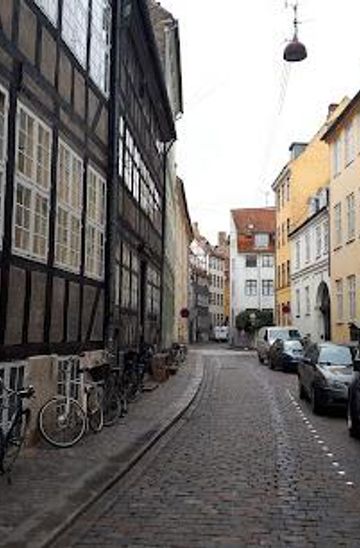
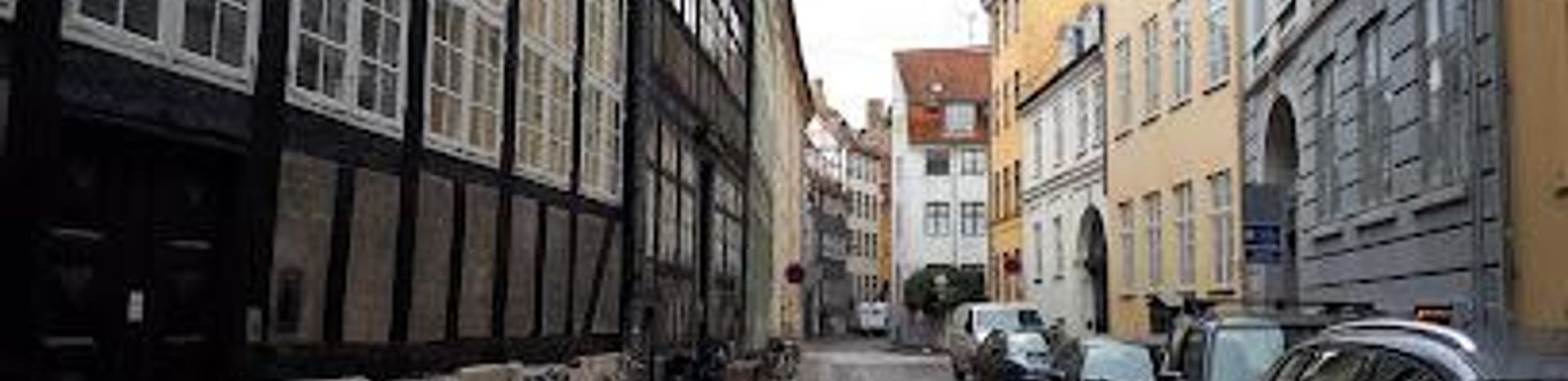
Magstræde is one of Copenhagen’s oldest and most atmospheric streets, a narrow ribbon of original cobblestones framed by colorful 17th–19th century townhouses in the heart of Indre By. Once home to craftsmen, merchants and warehouses close to the harbor, it now offers a quietly evocative glimpse of medieval Copenhagen, with crooked facades, ornate doorways and a tranquil, almost stage‑set feel just a few steps from the city’s busiest quarters.
A brief summary to Magstræde
- Copenhagen, Indre By, DK
- Duration: 0.5 to 2 hours
- Free
-
 Outdoor
- Mobile reception: 5 out of 5

Know before you go
Hi, I'm Eve. Here are a few practical things to know before exploring Magstræde.
- Wear flat, comfortable shoes; Magstræde’s original cobblestones are beautiful but uneven and can be slippery in wet weather.
- Plan your visit for early morning or late afternoon when the low Nordic light brings out the pastel façades and the street is at its most tranquil.
- Take time to look up and inspect doorways, window frames and rooflines; many details reveal different construction periods and former trades.
- Combine your stroll with nearby historic areas such as Gammel Strand and Slotsholmen to get a fuller sense of Copenhagen’s old harbor district.
Do you manage this location?
Take control to get all the benefits, like improved information, better appearance, and stronger visibility across AI-powered discovery. Learn more
Activate your presenceOther nearby places you may find interesting

Getting There
-
Metro from central Copenhagen
From central Copenhagen, the easiest way to reach Magstræde is via the M1 or M2 metro lines to Gammel Strand station, which takes about 2–5 minutes from Nørreport or Kongens Nytorv. A single metro ticket within the city zones typically costs around 20–25 DKK. From Gammel Strand, allow 5–10 minutes on foot along level but cobbled streets; the route is suitable for most visitors but can be bumpy for wheelchairs and prams.
-
City bus to nearby stops
Several city buses serve the Old Town area around Rådhuspladsen and Nytorv, from where Magstræde is around 10–15 minutes’ walk on generally flat pavement with some cobblestone sections. Typical city bus fares match metro tickets at roughly 20–25 DKK per journey. Buses run frequently throughout the day, but note that services may be reduced late at night and on certain holidays.
-
Bicycle within Copenhagen
Copenhagen is highly bike‑friendly, and Magstræde lies close to major cycling corridors. Renting a city bike or using a bike‑share scheme usually costs in the range of 20–40 DKK for a short ride of up to 30 minutes. The approach uses segregated bike lanes for most of the way, but the final stretch through the Old Town requires careful riding on narrow cobbled streets shared with pedestrians.
-
Walking from City Hall Square
From the City Hall Square area, Magstræde can be reached on foot in about 10–20 minutes, depending on pace. The walk leads through compact central streets and historic squares, mostly on level ground. Surfaces alternate between smooth paving and cobblestones, so visitors with mobility challenges may wish to allow extra time and use supportive footwear.
For the on-the-go comforts that matter to you
-
 Restrooms
-
 Drink Options
-
 Drinking Water
-
 Food Options
-
 Seating Areas
-
 Trash Bins
-
 Information Boards
Discover more about Magstræde
A Medieval Lane in the Heart of Copenhagen
Magstræde is a short but remarkably evocative street in Copenhagen’s Old Town, connecting the canal-side bustle of Gammel Strand with the inner streets around Rådhusstræde. Here the city suddenly narrows into a gentle curve of cobbles and closely packed façades, giving a vivid sense of how cramped and human‑scale Copenhagen once felt before boulevards and broad squares arrived.Created in the 1520s when the shoreline was pushed south toward what is now Nybrogade, Magstræde grew up alongside the city’s working harbor. Its very name recalls a vanished public latrine once located here, a reminder that this was once a practical working lane at the edge of the water rather than a carefully preserved showpiece.Colorful Townhouses and Original Cobblestones
What makes Magstræde so distinctive today is the way its buildings and paving still speak the language of earlier centuries. The street retains its original cobblestones, worn smooth by carts, hooves and countless footsteps. The houses rise in a lively mix of two‑ to four‑storey frontages, painted in soft pastel tones that catch changing Nordic light.Several buildings predate the city’s great fires, including the symmetrical house at No. 17–19 from the 1640s, while others were rebuilt around the turn of the 19th century. Many former warehouses, breweries and merchants’ homes now host offices, studios and discreet cafés, but the exteriors—with wooden doors, small‑paned windows and steep roofs—still evoke Magstræde’s mercantile past.Stories Hidden in Bricks and Doorways
Behind these façades lies a dense layer of urban history. Merchants traded goods from the nearby quays, artisans worked in narrow workshops, and aldermen lived above their businesses. The Schäffer House, built in the 1730s for the royal court carpenter, once held elaborate Rococo interiors now preserved in the National Museum, illustrating the craftsmanship that flourished in this quarter.Many plots are irregular, a result of gradual rebuilding and subdivision over centuries. Look closely and you can trace different construction periods in the brickwork, rooflines and window details. Faded signs, iron cellar doors and subtle reliefs in plaster hint at trades long disappeared yet still legible to an attentive eye.A Quiet Contrast to the Modern City
Despite its central location, Magstræde feels surprisingly calm. Limited vehicle traffic means you often hear only footsteps, voices and the occasional bicycle bell echoing between the walls. The gentle bend in the street prevents long sightlines, so each few metres reveals a slightly different composition of gables, colors and reflections from nearby canals.In the early morning, light skims along the cobbles and façades with a soft, almost theatrical glow. Towards evening, when windows begin to light up and shadows deepen between doorways, the lane can feel like a stage set for a historical drama, even as everyday life continues quietly around you.A Photogenic Corner of Indre By
Magstræde is particularly appealing to photographers and architecture enthusiasts. The narrow width, irregular building fronts and interplay of pastel walls create classic Copenhagen street scenes with little need for framing. Small side alleys and connecting streets offer additional vantage points, revealing how Magstræde fits into the dense medieval street pattern.Its location near the canals and major cultural institutions makes it an easy detour during a day in central Copenhagen. Yet the street itself rewards slow exploration: pausing to study an old door knocker, tracing the curve of a roofline, or simply standing still to imagine the creak of wagon wheels and the calls of harbor workers that once defined this quietly enduring lane.Magstræde in the Present Day
Today Magstræde balances conservation with everyday use. Offices and studios keep the buildings active on weekdays, while nearby cafés and venues add a gentle hum without overwhelming the street’s residential character. It remains a lived‑in part of the city rather than a frozen exhibit.As part of a broader cluster of historic streets around Gammel Strand and Slotsholmen, Magstræde offers a compact, tangible link between contemporary Copenhagen and its trading‑city origins. Spending time here adds depth to any visit, turning a simple walk into an encounter with the layered textures of the city’s past and present.Explore the best of what Magstræde has to offer













More about North Zealand
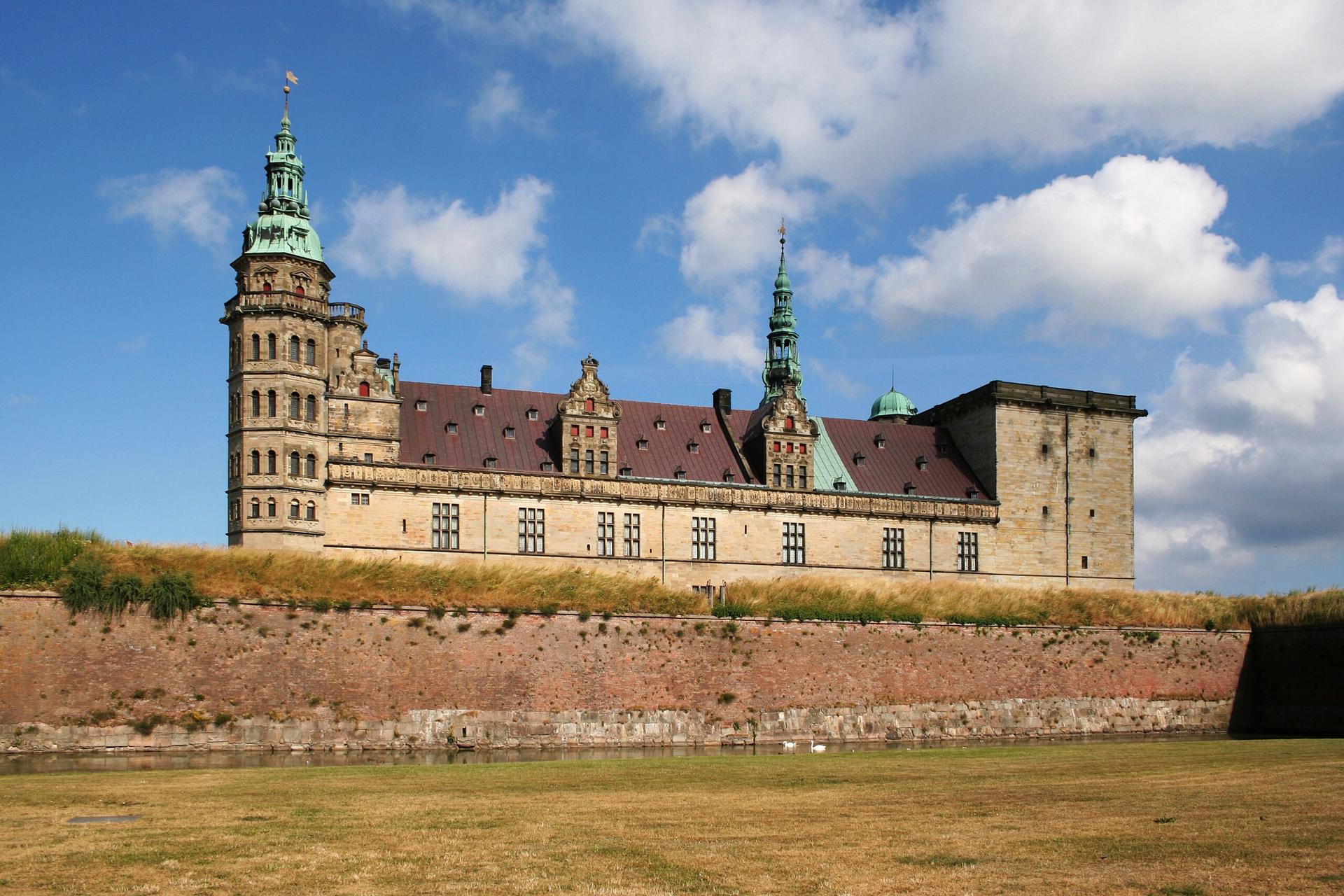
Explore North Zealand, Denmark's enchanting region of castles, beaches, and royal estates, perfect for history buffs, nature enthusiasts, and seaside lovers.
Tell me more about North Zealand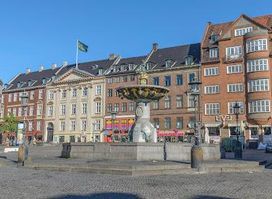
Cobbled, compact and quietly dramatic, Nytorv blends royal-era markets, grim judicial history and Neoclassical authority at the pedestrian heart of old Copenhagen.

Denmark’s first public art museum, a colour‑rich neoclassical gem on Slotsholmen where Bertel Thorvaldsen’s sculptures, collections and tomb share a single evocative space.