Befrielsessten i Høgsholt: A Tribute to Denmark's Liberation
Commemorate Denmark's WWII liberation at the Befrielsessten in Høgsholt, a serene monument honoring national resilience.
The Befrielsessten in Høgsholt is a commemorative stone erected in 1946 to honor Denmark's liberation from German occupation during World War II. Located at the junction of Julius Jepsensvej and Høgsholtvej in Vejle, this monument stands as a solemn reminder of the nation's resilience and the pivotal events leading to its freedom.
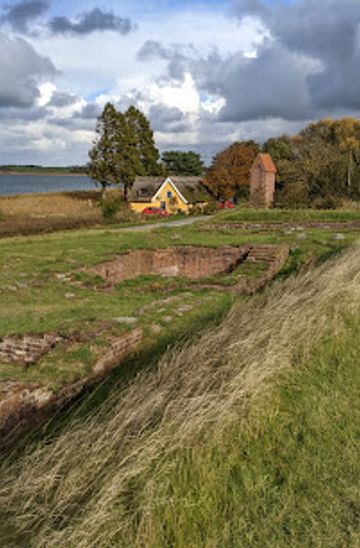
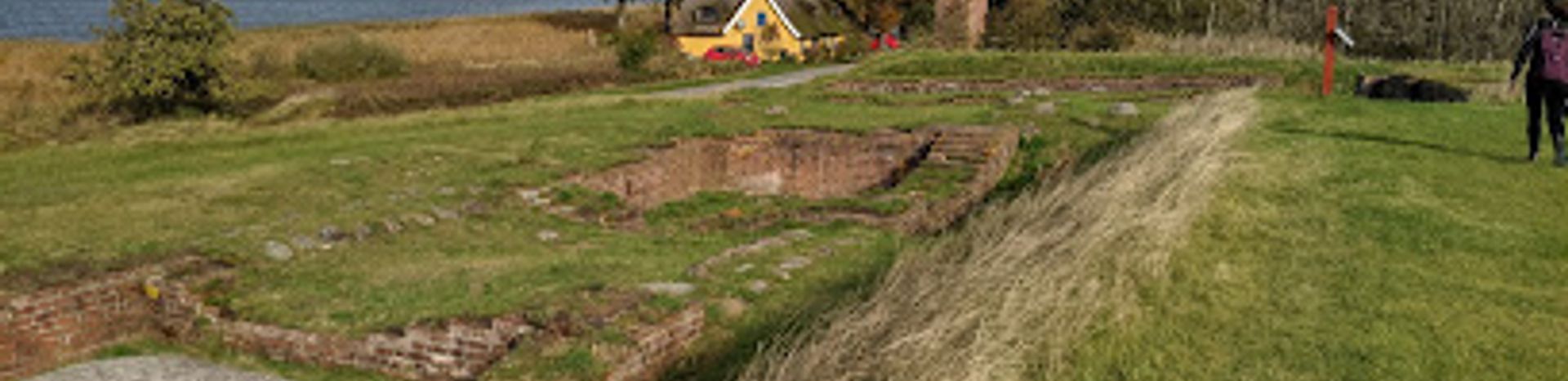
A brief summary to Dronningholm Castle Ruin
- Auderødvej, Frederiksværk, 3300, DK
- Click to display
- Click to display
- Monday 12 am-12 am
- Tuesday 12 am-12 am
- Wednesday 12 am-12 am
- Thursday 12 am-12 am
- Friday 12 am-12 am
- Saturday 12 am-12 am
- Sunday 12 am-12 am
Local tips
- Visit during early morning or late afternoon for a quieter experience and optimal lighting for photography.
- Take time to read the informative plaques to gain a deeper understanding of the monument's historical significance.
- Combine your visit with nearby historical sites like the Jelling Monuments for a comprehensive historical tour.

Do you manage this location?
Take control to get all the benefits, like improved information, better appearance, and stronger visibility across AI-powered discovery. Learn more
Activate your presence
Getting There
-
Public Transport
From Vejle Station, board bus number 5 towards Høgsholt. After approximately 15 minutes, alight at the Høgsholt stop. The Befrielsessten is a short walk from the bus stop, situated at the junction of Julius Jepsensvej and Høgsholtvej. A single bus ticket costs around 24 DKK.
-
Driving
From central Vejle, drive towards the Høgsholt area, following signs for Høgsholtvej. The Befrielsessten is located at the intersection of Julius Jepsensvej and Høgsholtvej. Parking is available nearby, and there are no tolls on this route.
Discover more about Dronningholm Castle Ruin
Explore the best of what Dronningholm Castle Ruin has to offer
-

Best experiences near Dronningholm Castle Ruin
-

Best hotels near Dronningholm Castle Ruin
-

Best attractions near Dronningholm Castle Ruin
-

Best shops near Dronningholm Castle Ruin
-

Best restaurants near Dronningholm Castle Ruin
-

Best bars near Dronningholm Castle Ruin
-

Best nightclubs near Dronningholm Castle Ruin









More about Hillerod
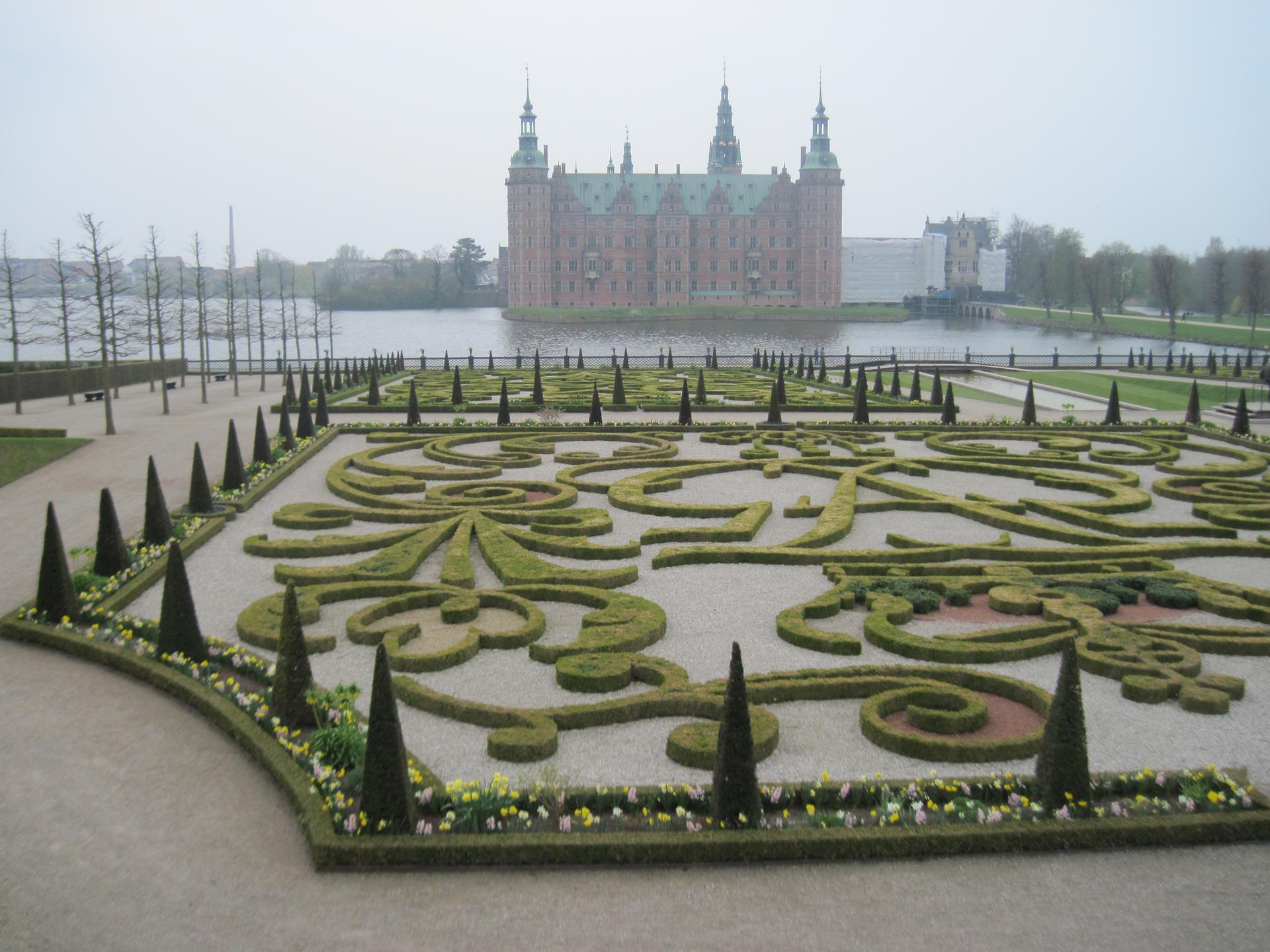
Explore Hillerød: Discover Frederiksborg Castle, vibrant town life, and scenic nature trails in Denmark's charming North Zealand region.
Tell me more about Hillerod