Frederiksholms Kanal
Historic waterway where Danish grandeur meets serene Nordic charm, lined with palaces and museums.
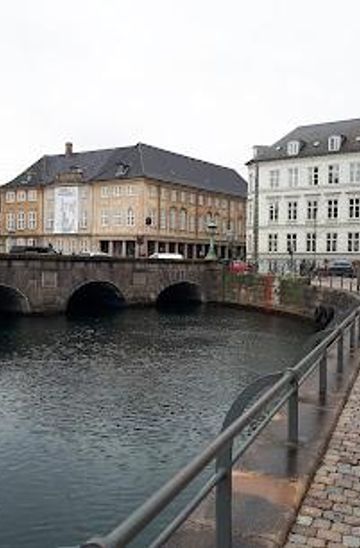
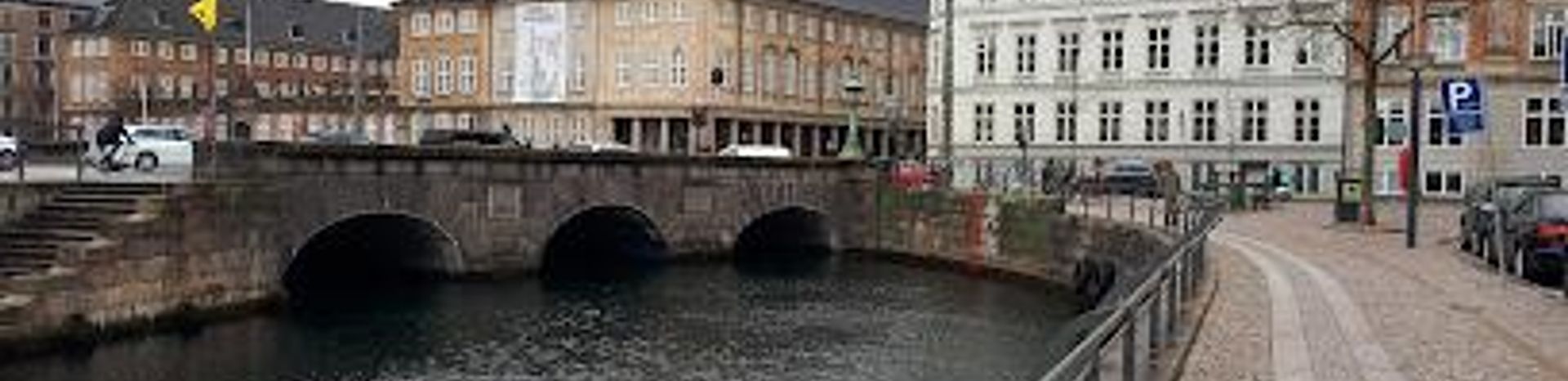
Frederiksholms Kanal is a historic waterway winding through Copenhagen's heart, lined with stately 17th-century architecture and cultural landmarks. This serene canal, created during King Christian IV's reign, flows past Christiansborg Palace, the National Museum, and Thorvaldsens Museum. Picturesque bridges offer enchanting views, while benches and green spaces invite lingering. Free to visit at all hours, the canal is equally captivating at sunrise, during midday strolls, or at golden sunset—a quintessential Copenhagen experience blending regal grandeur with relaxed Nordic charm.
A brief summary to Frederiksholms Kanal
- Copenhagen, Indre By, DK
- Duration: 0.75 to 3 hours
- Free
-
 Outdoor
- Mobile reception: 5 out of 5

Know before you go
Hi, I'm Eve. Here are a few practical things to know before exploring Frederiksholms Kanal.
- Visit at sunrise or dusk for the most compelling photography. The soft light transforms the historic facades and their reflections in the water into luminous compositions.
- Combine your canal walk with nearby museums. The National Museum, Thorvaldsens Museum, and Royal Arsenal Museum are all within steps, making cultural exploration seamless.
- Take a guided boat tour for a different perspective. Multiple operators offer 60–90 minute cruises with commentary in Danish, English, and German, departing from Holmens Church or Nyhavn.
- Bring a picnic and claim one of the benches or steps along the water. Locals frequent these spots during lunch, and the views make for a memorable meal.
- Explore the bridges in detail. The Marble Bridge and Storm Bridge offer distinct architectural character and framed views that reward close inspection.
Do you manage this location?
Take control to get all the benefits, like improved information, better appearance, and stronger visibility across AI-powered discovery. Learn more
Activate your presenceGetting There
-
Walking from City Hall Square
From Copenhagen's City Hall Square in the heart of Indre By, Frederiksholms Kanal is accessible via a 10–20 minute walk on flat, fully accessible terrain. Follow visible palace spires and museum domes for orientation. The route passes key landmarks and public spaces, with frequent benches along the banks. No special equipment or fitness level required.
-
Public Transport to Nearby Station
Take the Metro or S-train to Nørreport Station or Kongens Nytorv Station (both approximately 5–10 minutes travel from central Copenhagen). From either station, the canal is a 5–10 minute walk. The area is flat and fully accessible. A single journey ticket costs approximately 24–36 DKK depending on zones.
-
Canal Boat Tour from Holmens Church or Nyhavn
Guided boat tours depart regularly from Holmens Church or Nyhavn at Heibergsgade. Tours last 60–90 minutes and include commentary in Danish, English, and German. Operators include Netto-Boats and other local providers. Prices range from approximately 105–150 DKK per person. Winter tours use heated glass-roofed boats (October–March). No advance booking required for most departures, though reservations are recommended during peak season.
-
Guided Kayak Tour
For a more immersive water-based experience, guided kayak tours of Copenhagen Harbor and the canal system depart from central locations. Tours typically last 2 hours and cost approximately 500–700 DKK per person. These tours offer a unique perspective and are suitable for participants with basic swimming ability. Operators provide all necessary equipment and safety briefings.
For the on-the-go comforts that matter to you
-
 Seating Areas
-
 Picnic Areas
-
 Information Boards
-
 Drink Options
-
 Food Options
Discover more about Frederiksholms Kanal
A Waterway Born from Royal Ambition
Frederiksholms Kanal emerged in the early 17th century as part of King Christian IV's visionary expansion of Copenhagen. This elegant waterway was engineered not merely as a scenic feature but as a strategic element of the capital's development, weaving through the historic island of Slotsholmen. The canal's creation reflected the ambitions of a monarch determined to transform Copenhagen into a grand European capital, and today it stands as a living testament to that era of Danish power and cultural flourishing.The canal's historical significance deepens when you consider its role in the city's defense and commerce. The Storm Bridge, with its distinctive three arches, marks the spot where Swedish troops once mounted an unsuccessful siege during the 17th-century Northern Wars. This bridge and others spanning the waterway are more than functional crossings—they are architectural statements that frame the canal's most photogenic vistas.Palaces, Museums, and Institutional Grandeur
The banks of Frederiksholms Kanal showcase some of Copenhagen's most imposing and culturally significant buildings. Christiansborg Palace dominates the landscape, its grand silhouette rising above the water as the seat of the Danish Parliament, the Supreme Court, and the royal reception rooms. This architectural masterpiece represents centuries of Danish governance and remains one of Europe's most important political buildings.Equally impressive are the cultural institutions that line the canal. The National Museum of Denmark occupies the Prince's Mansion, once the official residence of the Crown Prince, while the Thorvaldsens Museum celebrates the legacy of Denmark's most celebrated sculptor. The Royal Arsenal Museum and the Danish Film School further underscore the canal's role as a cultural corridor. Walking along the promenade, you encounter layer upon layer of Danish heritage, each building telling stories of artistic achievement, political power, and national identity.The Rhythm of Daily Life Along the Water
Beyond its historical and architectural significance, Frederiksholms Kanal pulses with the everyday life of Copenhagen. Locals frequent the benches and steps along the banks during lunch breaks, watching classic canal boats glide past while enjoying picnics with views of historic facades reflected in the water. The canal's tranquil ambiance provides a counterpoint to the bustle of the surrounding city center, creating pockets of calm where both residents and visitors can pause and absorb the atmosphere.The waterway is animated by pleasure boats and cruisers that regularly navigate its length, offering visitors an alternative perspective on the landmarks. These vessels—ranging from traditional low-slung river boats to solar-powered craft and romantic gondolas—add movement and life to the scene. The sight of boats passing beneath the bridges, their passengers gazing upward at the surrounding architecture, has become an iconic image of Copenhagen.Bridges, Views, and Photographic Magic
The bridges crossing Frederiksholms Kanal are far more than utilitarian structures; they are vantage points that transform the canal into a photographer's paradise. The Marble Bridge, in particular, offers stunning views that shift dramatically depending on the time of day and season. Sunrise bathes the facades in soft golden light, while sunset creates a luminous glow that reflects off the water's surface. The bridges themselves, with their elegant arches and historic stonework, frame compositions that have captivated visitors for centuries.Photographers and casual observers alike discover that nearly every angle along the canal yields a compelling view. The interplay of water, architecture, and light creates an ever-changing canvas throughout the day. The canal's gentle curves ensure that no two vantage points offer identical perspectives, rewarding those who take time to explore different sections and return at different hours.Access and Atmosphere for Every Season
Frederiksholms Kanal remains open and accessible at all hours, free of charge, making it one of Copenhagen's most democratic attractions. The flat terrain and frequent benches ensure accessibility for visitors of all mobility levels. In warmer months, the canal becomes a hub of activity, with boat tours departing regularly and outdoor seating areas filled with people enjoying the waterfront. During autumn and winter, heated glass-roofed boats continue to operate, allowing year-round exploration of the canal's charms.The surrounding area seamlessly integrates museums, historic sites, and public spaces, inviting visitors to combine a canal stroll with cultural visits. The proximity of Hojbro Square, Holmens Kirke church, and Børsen (the former Copenhagen Stock Exchange) means that a walk along Frederiksholms Kanal naturally connects to broader explorations of Copenhagen's historic center. This interconnectedness makes the canal not an isolated attraction but a vital artery in the city's cultural and historical landscape.Explore the best of what Frederiksholms Kanal has to offer















More about North Zealand
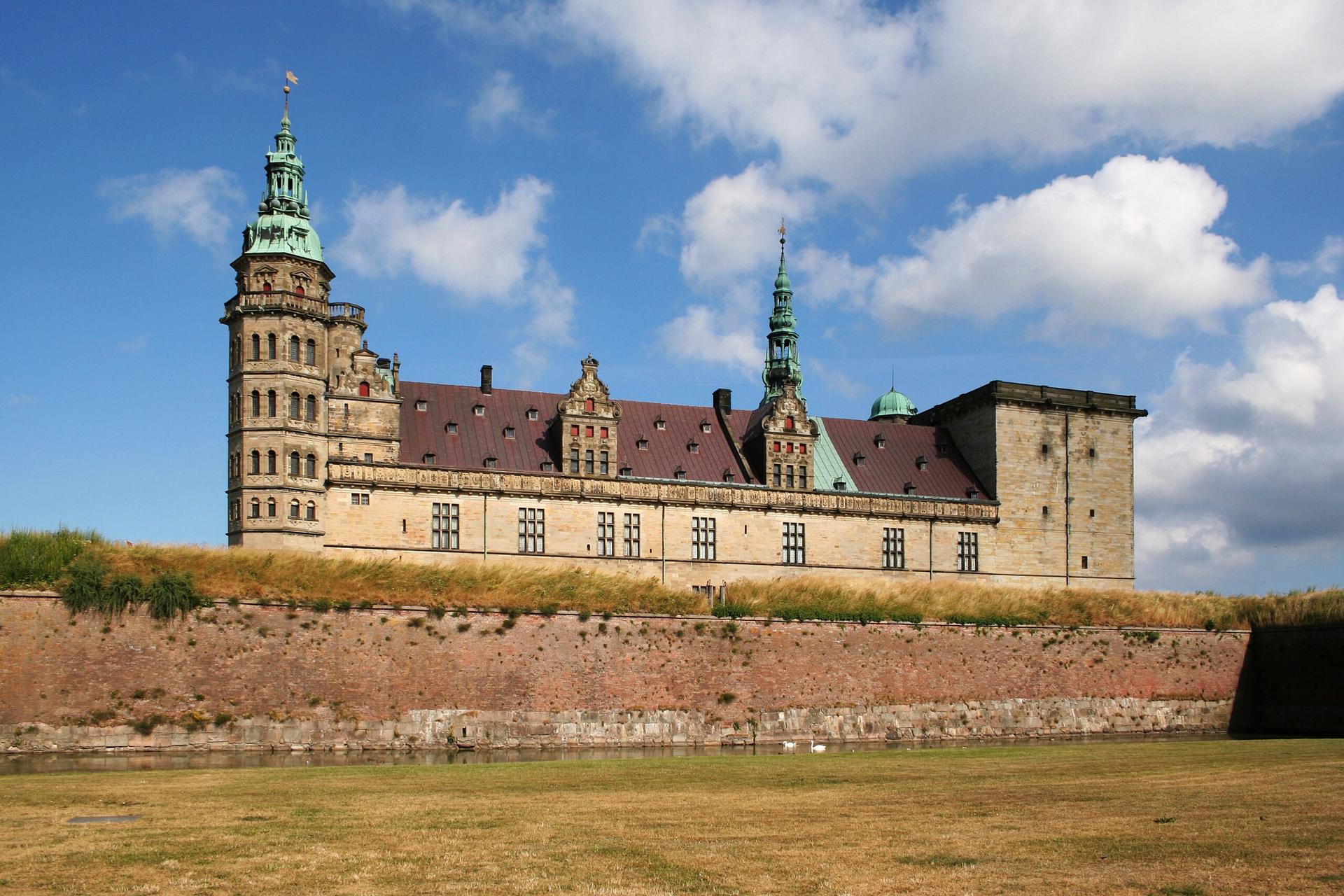
Explore North Zealand, Denmark's enchanting region of castles, beaches, and royal estates, perfect for history buffs, nature enthusiasts, and seaside lovers.
Tell me more about North Zealand