

Saint Olai Church, Copenhagen Region Travel Guide
Historic red-brick cathedral with a serene white interior, maritime touches and a charming “baby tree”, telling Helsingør’s story in brick, wood and light.
Saint Olai Church, Helsingør’s red-brick cathedral, rises above the medieval streets just a short stroll from Kronborg Castle. Dating back to around 1200, this Lutheran cathedral combines Gothic brickwork with a serene, whitewashed interior, intricate Renaissance altarpiece and pulpit, model ship, carved organ, old tombstones and a touching “baby tree” celebrating newborns. It remains a working parish church with regular services and concerts, offering a calm, atmospheric pause amid Elsinore’s historic harbour life.
A brief summary to Saint Olai Church
- Sct Anna Gade 12, Helsingør, 3000, DK
- Click to display
- Click to display
- Duration: 0.5 to 1.5 hours
- Free
-
 Indoor
- Mobile reception: 5 out of 5
- Tuesday 10 am-2 pm
- Wednesday 10 am-2 pm
- Thursday 10 am-2 pm
- Friday 10 am-2 pm
- Saturday 10 am-2 pm
- Sunday 9:30 am-12 pm

Know before you go
Hi, I'm Eve. Here are a few practical things to know before exploring Saint Olai Church.
- Entry is free, but consider bringing a small amount of cash or a payment card if you wish to light a candle or make a donation to support the cathedral.
- Check the posted schedule at the entrance for organ recitals and concerts; the building’s acoustics are excellent and performances add an extra dimension to your visit.
- Dress respectfully and keep voices low, especially during services, as this is an active place of worship as well as a historical monument.
- Take time to walk around the side chapels and along the walls to spot old tombstones, memorials and the Oxe family’s Trinity Chapel details.
- If you’re visiting with children, look for the baby tree inside and use it as a gentle way to talk about traditions, community and new beginnings.
Do you manage this location?
Take control to get all the benefits, like improved information, better appearance, and stronger visibility across AI-powered discovery. Learn more about listing your business on Evendo
Activate your presenceOther nearby places you may find interesting
The closest places of the same kind, if this one is not quite what you had in mind.

Explore Saint Olai Church on the Map
A handpicked selection of must-see spots near Saint Olai Church, mapped for you.
Unlock the Best of Saint Olai Church
Buy tickets
-
No tickets available
Book tours with entry


Getting There
-
Train and short walk from Copenhagen
From central Copenhagen, take a regional train toward Helsingør; services typically run several times per hour and the journey usually takes 40–45 minutes. A standard adult single ticket generally costs around 80–120 DKK depending on ticket type and time of day. From Helsingør Station it is an easy 10–15 minute walk through the old town on mostly level, paved streets suitable for wheeled luggage and strollers. Trains run all year, though late-night frequencies are reduced.
-
Local bus within Helsingør
If you prefer not to walk from Helsingør Station, use a local city bus heading toward the historic centre; travel time is typically 5–10 minutes depending on the route and traffic. A single adult ticket on local buses usually costs about 20–35 DKK and can often be bought from ticket machines or via regional transport apps. Buses generally have low-floor access, but seating can be limited at busy times and service may be less frequent in evenings and on weekends.
-
Car or taxi from the North Zealand region
Arriving by car from elsewhere in North Zealand, travel times to central Helsingør are commonly 20–40 minutes from nearby towns such as Hillerød or Humlebæk, depending on traffic. Street parking and public car parks are available around the old town, typically paid during daytime hours, with hourly rates often in the range of 10–25 DKK; some areas have time limits. From a central parking area, expect a 5–15 minute walk across cobbled streets, which can be uneven for those with limited mobility.
For the on-the-go comforts that matter to you
-
 Restrooms
-
 Seating Areas
-
 Information Boards
-
 Trash Bins
Discover more about Saint Olai Church
A brick landmark at the heart of Helsingør
Saint Olai Church, also known as Helsingør Cathedral, anchors the old town with its tall brick tower and stepped gables rising above the tiled roofs. Its origins go back to a Romanesque village church from around 1200, but the present Gothic structure was largely completed in 1559, when Helsingør was thriving on Sound Dues from ships passing through the Øresund. In 1961 it became the cathedral of the newly created Diocese of Helsingør, confirming the church’s long-standing role as the city’s principal place of worship.From outside, the building is a textbook example of North European brick Gothic: robust red walls, buttresses, and a square tower whose bells have long marked time for sailors and townsfolk. Narrow streets frame views of the tower as you approach, giving a sense of how closely church and town have grown together over the centuries.Layers of history in stone, wood and paint
Step inside and you move through more than 800 years of ecclesiastical history. Remnants of the earliest Romanesque church survive in parts of the north wall, while later Gothic extensions widened the nave, replaced the chancel and added side chapels. The Trinity Chapel, built in the 15th century as a burial chapel for the influential Oxe family, preserves carved stonework and memorials that speak of Helsingør’s merchant elite.The Renaissance altarpiece and pulpit dominate the interior with finely carved figures and ornamental detail. Crafted in the early 1600s by master cabinetmakers connected to nearby Kronborg, they showcase a blend of theological storytelling and rich craftsmanship. Elsewhere in the church, restored medieval fresco fragments, gravestones set into the floor and epitaphs on the walls trace how generations have used this space for baptism, marriage, worship and remembrance.A calm, white interior with maritime touches
In contrast to the dark red exterior, the interior today is strikingly white, with limewashed vaults and tall, narrow windows that filter in a soft, diffused light. The ribbed Gothic arches draw your eyes upward, creating a sense of verticality and calm. Simple wooden pews, candle stands and discreet modern lighting allow the historic details to stand out without distraction.Hanging from the ceiling is a model ship, a traditional feature in many Danish coastal churches and a reminder of Helsingør’s maritime fortunes. It symbolises prayers for seafarers and gratitude for safe returns, tying the life of the harbour directly to the life of the cathedral. The organ loft, with its decorative woodwork and pipes, adds another visual focal point and underpins the church’s role as a venue for sacred music.Living traditions and the "baby tree"
Saint Olai is not only a historic monument; it is very much a living parish church. Regular Lutheran services, concerts and seasonal ceremonies keep the building in active use throughout the year. One of the most distinctive contemporary features is the so‑called “baby tree”: a display adorned with red leaves bearing the first names of babies born in the parish during the current year. It offers a tender, visual symbol of continuity, linking the cathedral’s long past with the newest members of the community.Scattered around the interior, you may notice recently uncovered tombstones brought to light during a major restoration around the turn of the 21st century. These stones, together with family chapels and memorial plaques, underline how closely local history is woven into the church’s fabric.Quiet reflection in the shadow of Kronborg
Although it stands only a short walk from Kronborg Castle and the busy harbourfront, Saint Olai retains a markedly contemplative atmosphere. Outside, the small churchyard and surrounding cobbled lanes create pockets of calm within the city. Inside, the combination of cool white walls, candles and the faint smell of old brick invites visitors to sit, listen to the echoes under the vaults and take a moment of reflection.Whether you come to admire Gothic brickwork, trace Helsingør’s rise as a trading town, enjoy the acoustics during a concert or simply pause on a day trip to Kronborg, the cathedral offers an intimate, human-scale counterpoint to the fortress on the headland. It encapsulates the town’s spiritual and civic story in one carefully preserved, quietly resonant space.












Your all‑in‑one travel companion app
Explore expert travel guides, compare and book tours, experiences, hotels, and more—all from the palm of your hand. Download now for seamless trip planning wherever your wanderlust takes you.


Explore More of Copenhagen Region
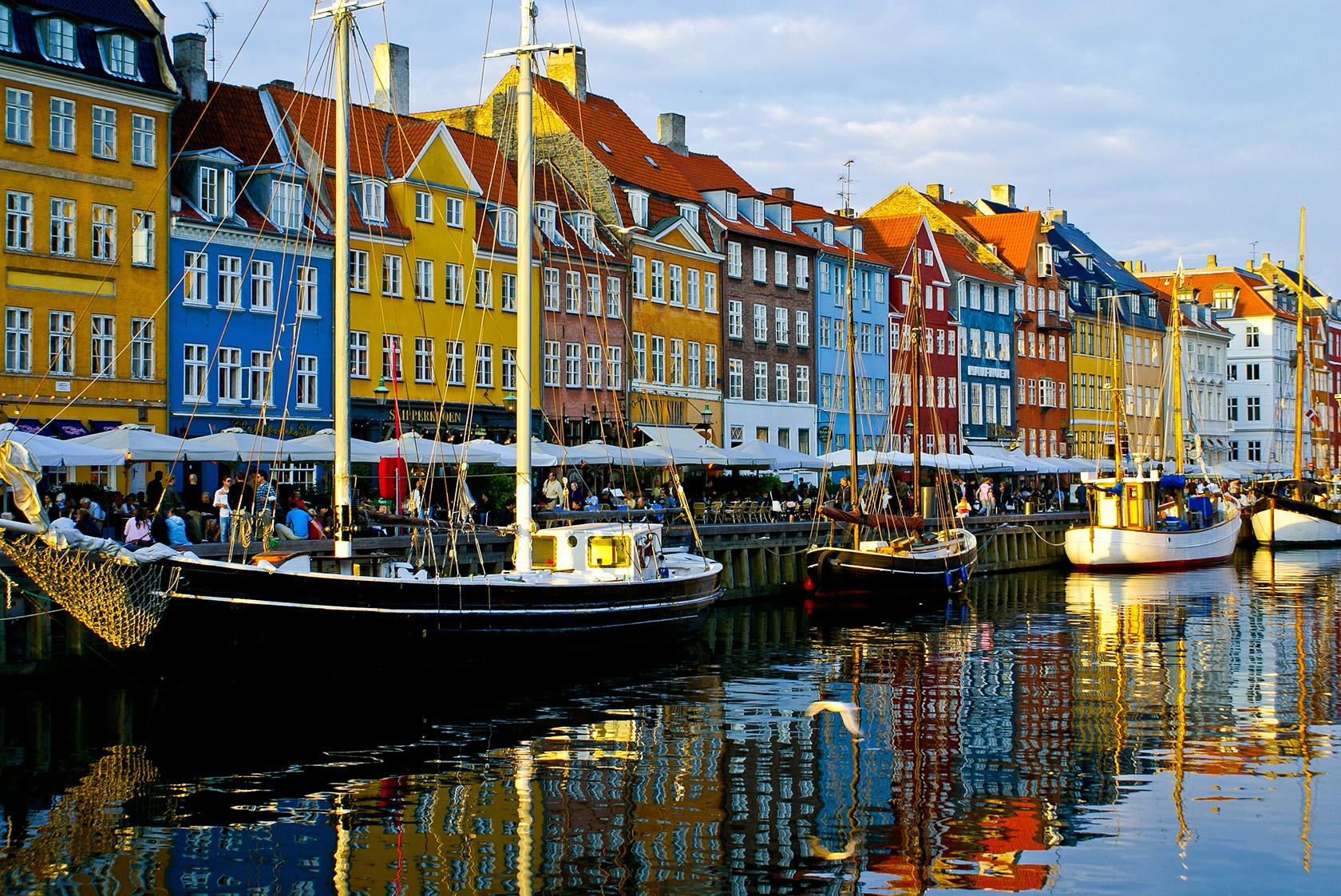
Looking beyond Saint Olai Church? Discover Copenhagen Region for broader travel guides, local hot-spots, and regional highlights.
Explore Copenhagen Region