

Designmuseum Danmark, Køge Travel Guide
Free Guide: An 18th‑century former hospital transformed into Denmark’s leading design museum, celebrating iconic chairs, everyday objects and the story of Danish Modern.


A brief summary of Designmuseum Danmark
An 18th‑century former hospital transformed into Denmark’s leading design museum, celebrating iconic chairs, everyday objects and the story of Danish Modern.
Designmuseum Danmark is Copenhagen’s temple to Danish and international design, housed in the elegant 18th‑century former Frederiks Hospital on Bredgade. Inside, light-filled galleries trace the story of Danish Modern, iconic chairs, lamps and everyday objects, alongside compelling exhibitions on global craft, contemporary design and sustainability. A leafy inner garden, café and design shop round out a visit that is as inspiring as it is relaxing.
On-site amenities
 Restrooms
 Drink options
 Drinking water
 Food options
 Seating areas
 Sheltered areas
 Trash bins
 Information boards
 Visitor centre
Opening hours
- MonClosed
- Tue10 am–6 pm
- Wed10 am–6 pm
- Thu10 am–8 pm
- Fri10 am–6 pm
- Sat10 am–6 pm
- Sun10 am–6 pm
Opening hours as listed on the venue’s Google Business Profile. Hours can change for services and special events, so check with the venue before you go.
- Address
- Bredgade 68, 1260 København
- Phone
- Website
Getting there
Metro from central Copenhagen
City bus within Copenhagen
Bicycle in the inner city
Walking from nearby attractions
Discover more about Designmuseum Danmark
Design in a Historic Hospital
Designmuseum Danmark occupies the former Royal Frederik’s Hospital, a four‑winged rococo complex completed in the 1750s and later transformed into a museum in the 1920s. Walking through its colonnaded courtyards and long corridors, you sense the building’s layered history, from Enlightenment‑era healthcare to today’s celebration of form and function. The proportions are classical and calm: high ceilings, tall windows and restrained ornamentation that quietly frames the objects on display.The conversion into a museum was guided by leading Danish architects such as Kaare Klint and Ivar Bentsen, who treated the building itself as a design project. Custom display cases, benches and lighting were created to complement the historic architecture while showcasing the collections. Many of these solutions, including early use of PH lamps, now feel like exhibits in their own right, turning the entire interior into a lesson in Danish design thinking.
From Danish Modern to Global Icons
The museum’s core story is the rise of Danish Modern, the movement that took simple materials and honest craftsmanship onto the world stage in the 20th century. Permanent galleries spotlight furniture by names like Arne Jacobsen, Hans J. Wegner and Kaare Klint, often arranged so you can compare subtle variations in line, curve and joinery. A famous highlight is the dense forest of chairs, where classic seating designs are displayed almost sculpturally, inviting you to see them as both tools and artworks.Beyond furniture, the collection spans porcelain, silver, glass, textiles and graphic design. You might move from delicate Asian ceramics to clean Scandinavian tableware, then on to sleek radios or posters that defined mid‑century visual culture. Throughout, the displays underline how good design shapes everyday life, from the cup in your hand to the typography on a street sign.
Changing Exhibitions and Contemporary Themes
Alongside its permanent displays, Designmuseum Danmark hosts rotating exhibitions that explore current topics in design and craft. These might focus on sustainable materials, experimental fashion, digital innovation or the work of a single influential designer. The curators often mix prototypes, process sketches and finished products, giving insight into how ideas move from concept to object.These temporary shows are where you feel the museum looking forward as much as back. Themes such as circular design, responsible consumption and new technologies are presented through beautifully staged rooms that remain accessible even if you are not a design specialist. Labels and installations tend to emphasise stories and context, helping you understand why an object matters and what it says about the world it comes from.
A Garden Courtyard and Places to Pause
At the heart of the complex lies the museum garden, a sheltered green courtyard enclosed by pale facades. It is a surprisingly tranquil oasis given the central city location, with trees, flowerbeds and seating arranged in a careful but informal pattern. In good weather, this becomes an outdoor living room where visitors linger with coffee, sketchbooks or simply a moment of quiet.The café, naturally furnished with Danish design, opens onto the garden and serves light meals, cakes and drinks, while the museum shop just off the main circulation route offers books, objects and gifts that echo themes from the galleries. Even if you only browse, the shop extends the experience of the museum, showing how design concepts translate into objects you could bring home.
Exploring at Your Own Pace
The museum is compact enough to explore comfortably in a couple of hours yet rich enough to reward a longer stay. Some visitors drift quickly through the highlights, while others linger over individual chairs, textiles or porcelain pieces, tracing details and reading every caption. Seating is thoughtfully placed throughout so you can pause, reflect or sketch.Because of its clear layouts and lifts, most key spaces are accessible, and the atmosphere is generally relaxed rather than formal. Whether you arrive as a dedicated design enthusiast or simply curious about why Danish objects look the way they do, Designmuseum Danmark offers a coherent, beautifully staged journey through the country’s design DNA and its dialogue with the wider world.
Evendo Review Centre
 Google
Guest reviews
Best time to go
Quietest: Jan, Feb & Mar · before 7am or from 8pm
Busy times are Evendo estimates for a typical year, to help you plan. Actual crowds vary with events, school holidays and the weather.
Explore Designmuseum Danmark on the map
A handpicked selection of must-see spots near Designmuseum Danmark, mapped for you.
Get your free copy of our complete guide to Designmuseum Danmark, delivered straight to you.
Everything on this page, from opening hours and how to get there to Eve’s tips and the best time to go, in one PDF you can read offline, print or share.
Already have an account? Sign in
Your Designmuseum Danmark guide is ready.
We'll send it to · Not you? Sign out

Getting your guide ready…
We are putting together a fresh copy of the Designmuseum Danmark guide. This can take up to a minute.
This can take a few moments. If your browser asks, choose Allow so the download can start. You'll find the guide in your Downloads folder.
Nothing happened? Download it again
Sorry, the guide is taking longer than usual. Please try again in a minute, or get it by email instead.
Unlock the best of Designmuseum Danmark
Skip-the-line tickets, guided tours with entry, and walking tours of the area, booked in a few clicks.


Other nearby places you may find interesting
The closest places of the same kind, if this one is not quite what you had in mind.
-
-
-
-
-


Swipe for more places
More to explore near Designmuseum Danmark

 Best experiences near Designmuseum Danmark
 Best hotels near Designmuseum Danmark
 Best landmarks near Designmuseum Danmark
 Best attractions near Designmuseum Danmark
 Best shops near Designmuseum Danmark
 Best restaurants near Designmuseum Danmark
 Best bars near Designmuseum Danmark
Do you manage this location?
Take control to get all the benefits, like improved information, better appearance, and stronger visibility across AI-powered discovery.
Explore more
Explore more of Køge
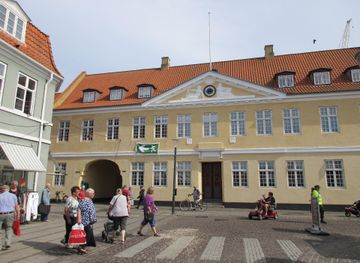
Explore Køge, Denmark's coastal gem, with its medieval charm, beautiful marina, and close proximity to the stunning Stevns Klint UNESCO World Heritage site.
Explore Køge
Explore more of Denmark
Discover Denmark: A perfect blend of history, modern design, and the cozy concept of hygge. Explore vibrant cities, serene landscapes, and world-class cuisine.
Explore Denmark
