Background

Medicinsk Museion

Historic surgical academy turned cutting‑edge medical museum, where preserved bodies, instruments and contemporary science exhibitions reveal how we understand health and disease.

4.4

Anatomy, science and stories under a baroque roof

Step through the doors of Medicinsk Museion and you enter the former Royal Academy of Surgery, a late‑18th‑century building where generations of medical students once learned their craft. High ceilings, creaking staircases and tall sash windows set a scholarly tone, while display cases and specimen jars signal that this is still very much a working house of knowledge. The museum is part of the University of Copenhagen, and that academic lineage runs through everything from the curatorial approach to the use of the historic auditorium. The core mission here is deceptively simple: to explore how humans have tried to understand, measure and treat the body. Rather than presenting medicine as a dry sequence of breakthroughs, the museum weaves instruments, archives, photographs and artworks into narratives about touch, pain, fear, hope and control. As you move from room to room, you sense how closely medical history is tied to social change, technology and everyday life.

The collected human body in jars and glass

One of the most striking experiences is the permanent exhibition that delves into the museum’s historical body collections. Shelves of glass containers hold preserved organs, bones and tissues, collected from the late 1700s onwards. Far from being a cabinet of curiosities, the display asks what it means to turn parts of people into scientific specimens, and how these collections shaped medical knowledge. Here you encounter skeletal deformities, foetal specimens and delicate histological slides, each labelled with precise, almost clinical language. Text panels and carefully staged lighting encourage quiet reflection on consent, dignity and the human stories behind each jar. The result is both visually compelling and ethically challenging, inviting you to question where the boundaries lie between research, care and objectification.

From epidemics to X‑rays and psychiatric wards

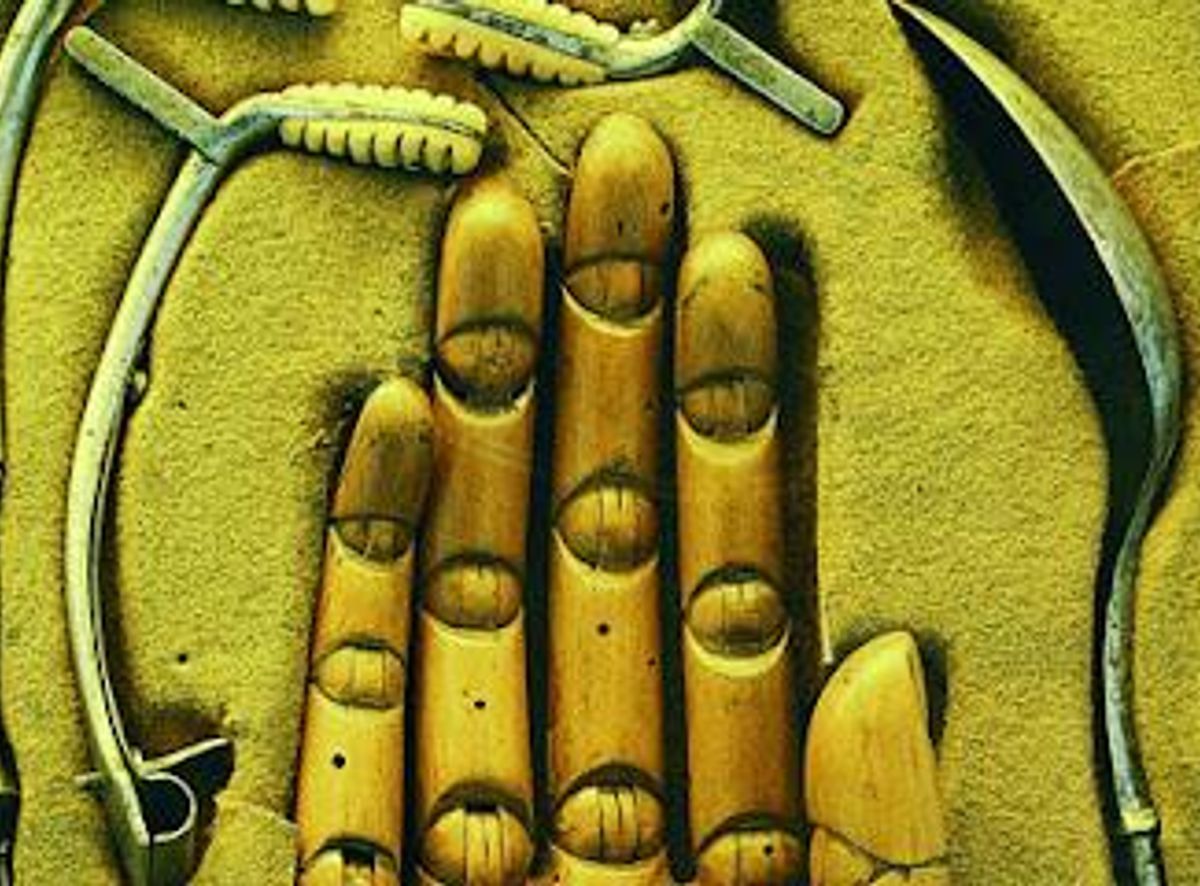
Elsewhere, galleries trace the development of hospitals, pharmacies, surgery and mental health care. Early surgical instruments, heavy anaesthesia machines and gleaming X‑ray tubes sit alongside posters warning of epidemics and photographs from crowded wards. These objects show how medicine moved from home visits and barber‑surgeons to specialised institutions equipped with laboratories and imaging devices. Displays on psychiatry and public health open windows onto past attempts to manage minds and bodies on a societal scale. You might linger over instruments used for early electrotherapy, models of diseased organs or vaccination equipment from various eras. Together they reveal how ideas of normality, risk and hygiene have shifted with new technologies and political priorities, and how patients’ lives have been shaped in the process.

Contemporary science: guts, data and the measurable self

Medicinsk Museion is not just about the past. Recent and rotating exhibitions explore topics such as the relationship between brain and gut, or the rise of the quantified self through fitness trackers, home tests and digital health apps. Here, interactive elements and art–science collaborations highlight how microbiomes, hormones and data flows are redefining what we think a body is. In these rooms you might see wearable sensors next to vintage blood‑pressure cuffs, or artist‑produced installations that translate heartbeats and bacterial cultures into sound or colour. The museum uses such juxtapositions to prompt questions: When does monitoring become surveillance? How do algorithms influence diagnosis? And what happens when medical devices migrate from hospitals into bedrooms and pockets?

The historic auditorium and the lived visitor experience

At the heart of the building lies the original anatomical auditorium from 1787, a steeply tiered space where students once observed dissections and lectures. Today it hosts introductions, talks and performances, but the physical layout—with benches rising around a central demonstration table—still conveys the intensity of those early lessons. Sitting here, you can almost sense the mix of curiosity and unease that must have filled the room. A visit typically unfolds at an unhurried pace. The museum is compact enough to explore in a couple of hours, yet dense with detail for those who like to read labels closely or follow a particular theme such as surgery, women in medicine or the history of diagnostics. Quiet corners, atmospheric lighting and the tangible presence of real medical artefacts create a reflective mood, making this a place where you not only learn about bodies but also become subtly more aware of your own.

Copenhagen context and practical visiting impressions

Located on Bredgade in the refined Frederiksstaden district, the museum sits among embassies, design galleries and historic churches. Its central position makes it easy to pair with nearby sights, yet once inside you feel pleasantly removed from the city’s bustle. Opening hours concentrate on daytime, with the museum closed on Mondays and operating slightly shorter hours at weekends, so timing your visit matters. Entry is ticketed, with discounts for students and young visitors, and occasional guided introductions are included on certain days. Cloak areas and basic facilities make it comfortable to linger, while the relatively modest size of the building ensures that the experience feels personal rather than overwhelming. For anyone curious about how medicine shapes everyday life—from childbirth and pandemics to step counts and sleep apps—Medicinsk Museion offers a compact but remarkably rich window into the medical past, present and emerging future.

Local tips

  • Arrive near opening time on weekdays for the calmest experience in the smaller galleries and to enjoy the historic auditorium before it gets busy.
  • Plan at least two hours if you like reading labels and exploring themes such as surgery, psychiatry or microbiomes in depth.
  • Some displays include preserved human specimens and graphic medical imagery; prepare sensitive children or skip those rooms if needed.
  • Check current exhibitions in advance—special shows on topics like the measurable body or gut–brain links can shape how you structure your visit.
  • Combine the museum with a stroll through Frederiksstaden’s nearby churches and palaces to appreciate the area’s 18th‑century character.
widget icon

Buy tickets

    No tickets available

Book tours with entry

    No tours available

Book tours without entry

    No tours available

A brief summary to Medicinsk Museion

  • Tuesday 10 am-4 pm
  • Wednesday 10 am-4 pm
  • Thursday 10 am-4 pm
  • Friday 10 am-4 pm
  • Saturday 12 pm-4 pm
  • Sunday 12 pm-4 pm

Getting There

  • Metro from central Copenhagen

    From Nørreport or Kongens Nytorv stations, take the M1 or M2 metro and walk from Kongens Nytorv to Bredgade, which typically makes the total journey 10–20 minutes door to door. Standard single metro tickets within the central zones cost around 20–30 DKK, and trains run every few minutes throughout the day. This option is step‑free on the metro, but some sidewalks and cobblestones near the museum can be uneven for wheelchairs or prams.

  • City bus within Copenhagen

    Several inner‑city buses run along or near Bredgade from hubs like Nørreport and the central station, with typical travel times of 15–25 minutes depending on traffic. A single bus ticket within the city centre is usually 20–30 DKK, and services are frequent during museum opening hours. Buses are low‑floor and accessible, though they can be crowded at peak commute times.

  • Bicycle from the inner city

    Using Copenhagen’s extensive cycle lanes, the ride from the City Hall area or Nørreport to Medicinsk Museion generally takes 10–15 minutes at an easy pace. You can use personal bikes or shared city bikes, which typically cost around 15–25 DKK for a short trip, depending on the operator and duration. Bike stands are available in the surrounding streets, but you may need a short walk on cobblestones from where you park.

  • Taxi within central Copenhagen

    A taxi ride from Copenhagen Central Station or similar central locations to Bredgade usually takes 10–20 minutes, depending on traffic. Fares commonly fall in the 120–200 DKK range, with surcharges in the evening or on weekends. This is the most convenient option for travellers with limited mobility, though drop‑off is on the street and short outdoor walks are still required.

Popular Experiences near Medicinsk Museion

Popular Hotels near Medicinsk Museion

Select Currency