Det Ny Teater, Køge Travel Guide
Free Guide: Historic 1908 Belle Époque playhouse on Gammel Kongevej, famed for lavish musical productions, ornate interiors and a lively passageway linking Vesterbro and Frederiksberg.


A brief summary of Det Ny Teater
Historic 1908 Belle Époque playhouse on Gammel Kongevej, famed for lavish musical productions, ornate interiors and a lively passageway linking Vesterbro and Frederiksberg.
Det Ny Teater on Gammel Kongevej is one of Copenhagen’s grand historic playhouses, a 1908 theatre that bridges Vesterbro and Frederiksberg with an elegant internal passage and more than a thousand plush red seats. Behind its French-inspired façade, this privately run music theatre stages large-scale international musicals and lavish productions under glittering chandeliers, with richly decorated foyers, ornate balconies and an intimate smaller stage for more experimental performances. It is as much about the atmospheric building as the show on the night.
On-site amenities
 Restrooms
 Drink options
 Food options
 Seating areas
 Trash bins
 Information boards
- Address
- Gl. Kongevej 29, 1610 København
- Phone
- Website
Getting there
Metro
Bus
Bicycle
Taxi / Rideshare
Discover more about Det Ny Teater
A grand Belle Époque stage in modern Copenhagen
Det Ny Teater opened in 1908 as one of Denmark’s largest theatres, purpose-built for spectacle at the edge of the old city centre. The building stretches between Gammel Kongevej and Vesterbrogade, creating a covered passage lined with shops and entrances that hints at Parisian and Viennese inspiration. Behind the façade, the main auditorium seats around a thousand spectators, with an additional smaller stage tucked below street level.The theatre’s architecture mixes French Baroque flourishes with solid Copenhagen brick. From Gammel Kongevej, you see heavy ornamentation, sculptures and a crest crowning the roofline; from the Vesterbro side the decoration shifts to figures of the muses, signalling that you are entering a house dedicated to the arts. A careful restoration in the early 1990s brought back the original opulence while updating lighting, stage mechanics and audience facilities.
From drama house to musical powerhouse
When it first opened, Det Ny Teater hosted large spoken dramas and lavish productions that challenged the dominance of the Royal Danish Theatre. Over the decades its repertoire shifted with new directors, moving between classical plays, contemporary pieces and more experimental work. Financial ups and downs, and changing cultural policies, eventually led to a closure period around 1990, when the building was worn and the future uncertain.A major renovation and a new artistic direction transformed the venue into a privately run music theatre that specialises in big international titles. Since reopening in 1994, the stage has hosted blockbuster musicals, often with ambitious staging, full orchestras and large ensembles. Productions such as The Phantom of the Opera, The Sound of Music, Chess and Anastasia have underlined the building’s role as a home for grand-scale musical storytelling in Denmark.
Inside the richly decorated foyers and auditorium
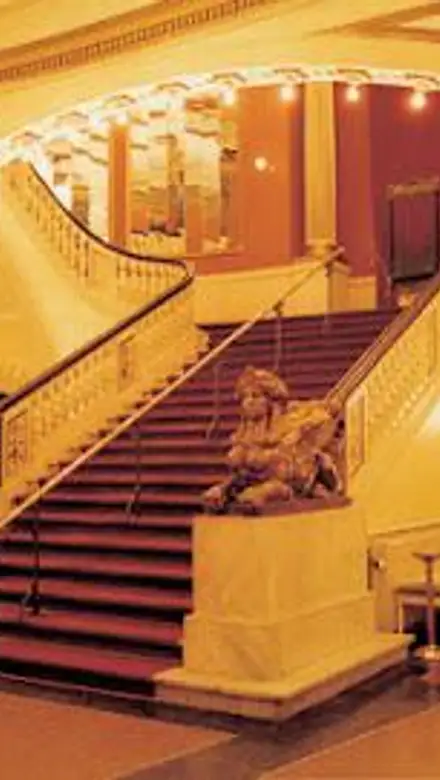
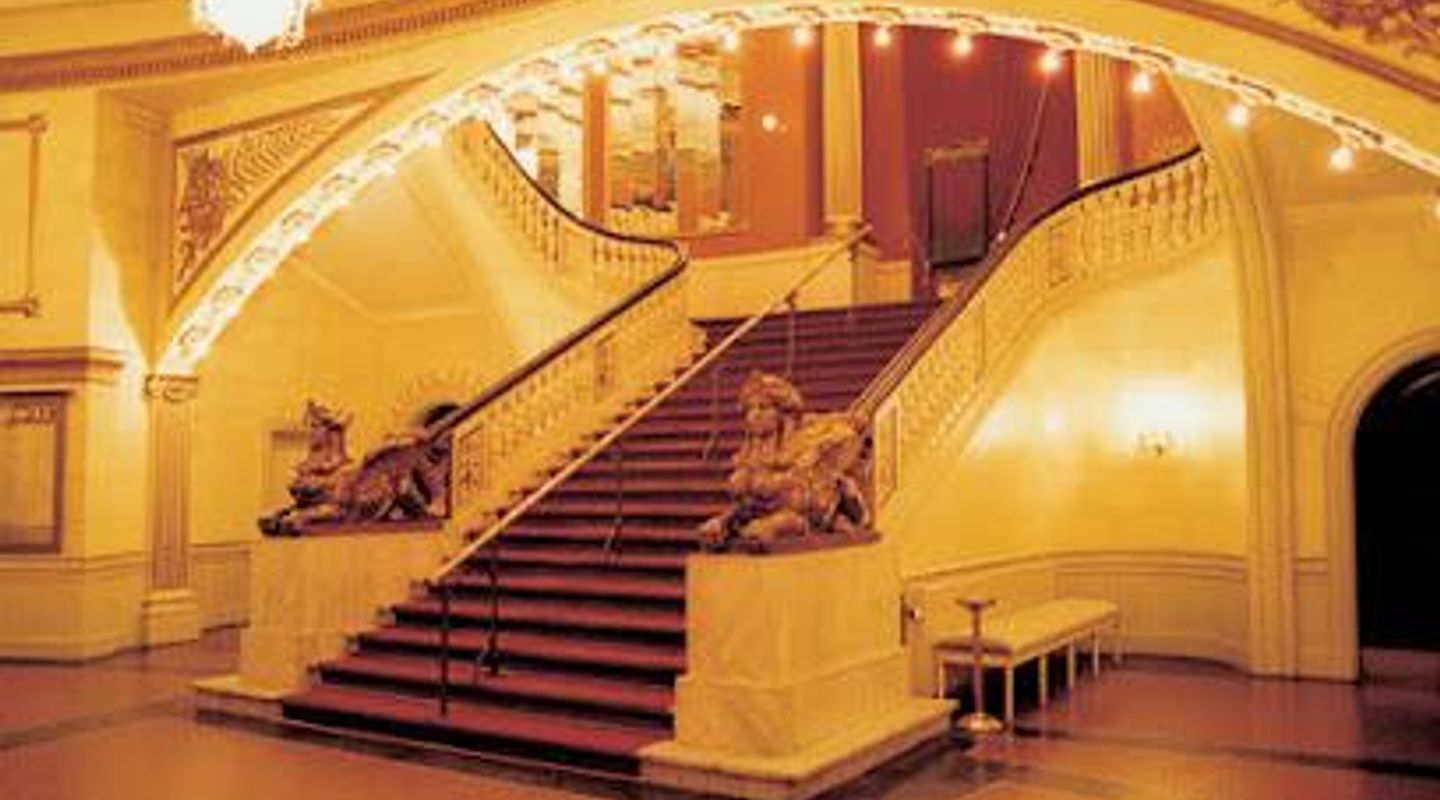
Stepping inside, you are met by marble or marble-like finishes, sweeping staircases and chandeliers that cast warm light across painted ceilings. Deep red carpets, gilt details and framed theatre posters evoke more than a century of performances. The foyers feel compact but layered, with small bars and corners where theatre-goers gather during intervals to discuss the first act over a drink.The main auditorium is steep and intimate despite its size. Multiple balconies curve around the proscenium arch, creating an almost opera-house feel, and the seats are upholstered in traditional red fabric. Sightlines are generally good, but the seating reflects early 20th‑century proportions, so legroom can feel tight. When the orchestra strikes up and the curtain rises, though, attention shifts to the stage, where modern sound and light equipment contrast with the historic shell.
Stages within the theatre: from main house to hidden spaces
Below the main auditorium lies a smaller performance space often used for more intimate productions, special events and monologue-based pieces. Here audiences sit close to the actors, sometimes along a T-shaped stage, with minimal sets and imaginative lighting. The change in scale lets the theatre host both grand spectacles upstairs and quieter, experimental work downstairs, all under the same ornate roof.Behind the scenes, the building houses rehearsal rooms, wardrobe spaces and workshops spread across several levels. The original design included offices and apartments as part of a larger building complex, reflecting the ambition to create not only a theatre but an entire urban passage. This layered structure explains the maze-like staircases and corridors you glimpse when staff open side doors.
A living cultural anchor between Vesterbro and Frederiksberg
Det Ny Teater sits at a symbolic junction between lively Vesterbro and elegant Frederiksberg, acting as a cultural anchor on Gammel Kongevej. On show nights, the pavements outside fill with people in everything from casual clothes to evening wear, spilling out from nearby cafés and bars. The illuminated façade and marquee lights signal that something is about to happen, drawing both locals and visitors.Today the theatre combines heritage with contemporary entertainment: a privately driven stage producing musicals on an international level, housed in one of Europe’s more elaborate early 20th‑century theatre buildings. Whether you are there to see a classic musical, a new production or simply to soak up the atmosphere, the experience is shaped as much by the building’s history and ornamentation as by the performance itself.
Evendo Review Centre
 Google
Guest reviews
Best time to go
Quietest: Jun, Jul & Aug · before 9am
Busy times are Evendo estimates for a typical year, to help you plan. Actual crowds vary with events, school holidays and the weather.
Explore Det Ny Teater on the map
A handpicked selection of must-see spots near Det Ny Teater, mapped for you.
Get your free copy of our complete guide to Det Ny Teater, delivered straight to you.
Everything on this page, from opening hours and how to get there to Eve’s tips and the best time to go, in one PDF you can read offline, print or share.
Already have an account? Sign in
Your Det Ny Teater guide is ready.
We'll send it to · Not you? Sign out

Getting your guide ready…
We are putting together a fresh copy of the Det Ny Teater guide. This can take up to a minute.
This can take a few moments. If your browser asks, choose Allow so the download can start. You'll find the guide in your Downloads folder.
Nothing happened? Download it again
Sorry, the guide is taking longer than usual. Please try again in a minute, or get it by email instead.
Unlock the best of Det Ny Teater
Skip-the-line tickets, guided tours with entry, and walking tours of the area, booked in a few clicks.


Other nearby places you may find interesting
The closest places of the same kind, if this one is not quite what you had in mind.
-
-
-
-
-


Swipe for more places
More to explore near Det Ny Teater

 Best experiences near Det Ny Teater
 Best hotels near Det Ny Teater
 Best landmarks near Det Ny Teater
 Best attractions near Det Ny Teater
 Best shops near Det Ny Teater
 Best restaurants near Det Ny Teater
 Best bars near Det Ny Teater
Do you manage this location?
Take control to get all the benefits, like improved information, better appearance, and stronger visibility across AI-powered discovery.
Explore more
Explore more of Køge
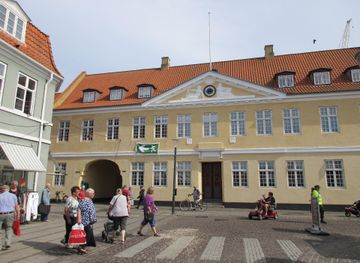
Explore Køge, Denmark's coastal gem, with its medieval charm, beautiful marina, and close proximity to the stunning Stevns Klint UNESCO World Heritage site.
Explore Køge
Explore more of Denmark
Discover Denmark: A perfect blend of history, modern design, and the cozy concept of hygge. Explore vibrant cities, serene landscapes, and world-class cuisine.
Explore Denmark