Planetarium (Tycho Brahe Planetarium), Copenhagen
Immerse yourself in razor‑sharp journeys through the cosmos beneath Europe’s largest tilted dome at Copenhagen’s lakeside Planetarium, a family‑friendly hub of space science.
Rising beside the waters of Skt Jørgens Sø, Copenhagen’s Planetarium (Tycho Brahe Planetarium) is Denmark’s leading centre for astronomy and space science. Inside its striking cylindrical dome you step into Europe’s largest tilted fulldome theatre, with razor‑sharp 8K projections and powerful surround sound. Exhibitions explore Big Bang, black holes, life in space and real space technology, making this an engaging, family‑friendly indoor attraction in the heart of the city.
A brief summary to Planetarium
- Gl. Kongevej 10, Indre By, Indre By, 1610, DK
- Click to display
- Click to display
- Duration: 1.5 to 3 hours
- Mid ranged
-
 Indoor
- Mobile reception: 5 out of 5
- Monday 12 pm-6:30 pm
- Tuesday 9:30 am-8 pm
- Wednesday 9:30 am-8 pm
- Thursday 9:30 am-8:30 pm
- Friday 9:30 am-9:30 pm
- Saturday 9:30 am-8:30 pm
- Sunday 9:30 am-7 pm

Know before you go
Hi, I'm Eve. Here are a few practical things to know before exploring Planetarium.
- Aim to arrive 20–30 minutes before your chosen dome show; the introductory night‑sky segment and best central seats are easiest to enjoy if you are seated well before the lights dim.
- Non‑Danish speakers should request English headsets at the entrance; there is usually a small additional fee or deposit, and supplies can be limited at very busy times.
- Plan roughly 1.5–2 hours for one film plus exhibitions, and consider an earlier time slot on weekends and school holidays when family activities and shows are more frequent.
- Combine your visit with a walk around Skt Jørgens Sø before or after; evening visits can be especially atmospheric when you step from the dark dome out to reflections on the lake.
- If you have a Copenhagen sightseeing card, check whether Planetarium admission and one dome film are included to avoid paying twice at the ticket desk.
Do you manage this location?
Take control to get all the benefits, like improved information, better appearance, and stronger visibility across AI-powered discovery. Learn more
Activate your presenceOther nearby places you may find interesting
Getting There
-
Train and walk from Copenhagen Central Station
From Copenhagen Central Station, the Planetarium is about 1 km away, making it an easy onward walk of roughly 10–15 minutes on mostly flat, paved pavements suitable for strollers and wheelchairs. Regional and S‑train services from across Zealand and the airport feed into the station, and standard single tickets within the central zones usually cost around 24–36 DKK depending on distance. This option is reliable in all seasons and avoids any concerns over parking near the lakes.
-
City bus to Gammel Kongevej area
Several city bus lines serve the stretch of Gammel Kongevej and the streets around Skt Jørgens Sø, with stops a short 3–8 minute walk from the Planetarium. Typical journey times from inner‑city hubs such as Nørreport or Kongens Nytorv range from 10 to 20 minutes, depending on traffic and the specific route. A standard 2‑zone bus ticket normally costs about 24–30 DKK, and buses run frequently during the day and early evening, though late‑night services can be less frequent.
-
Metro and walk via Forum or City Hall area
You can also use the Copenhagen Metro, combining a short ride with a pleasant walk by the lakes. Journeys between central interchanges, such as Kongens Nytorv or Nørreport, and nearby metro stations typically take 5–10 minutes, followed by a 10–15 minute walk to the Planetarium. A metro ticket within the central zones costs roughly 24–30 DKK. This option is fully step‑free at most stations, making it a good choice for visitors with luggage or mobility concerns.
-
Taxi from central Copenhagen or the airport
Taxis are widely available throughout central Copenhagen and at the airport. From locations in the historic centre, travel times to the Planetarium are usually 5–15 minutes depending on traffic, with fares often in the range of 80–150 DKK. From the airport, expect around 20–30 minutes in normal conditions and a fare closer to 300–400 DKK. Taxis provide doorstep drop‑off, useful in bad weather or for those with limited mobility, but costs can add up at busy times and during evening surcharges.
For the on-the-go comforts that matter to you
-
 Restrooms
-
 Drink Options
-
 Food Options
-
 Seating Areas
-
 Trash Bins
-
 Information Boards
-
 Visitor Center
Discover more about Planetarium
A modern gateway to the Danish night sky
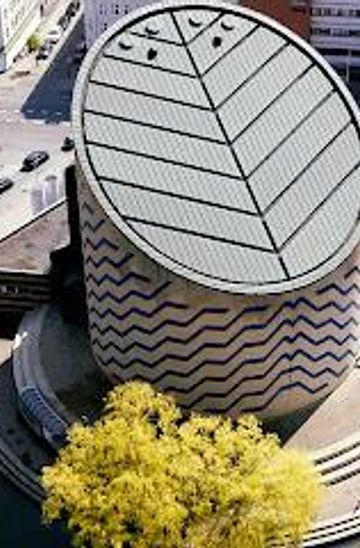
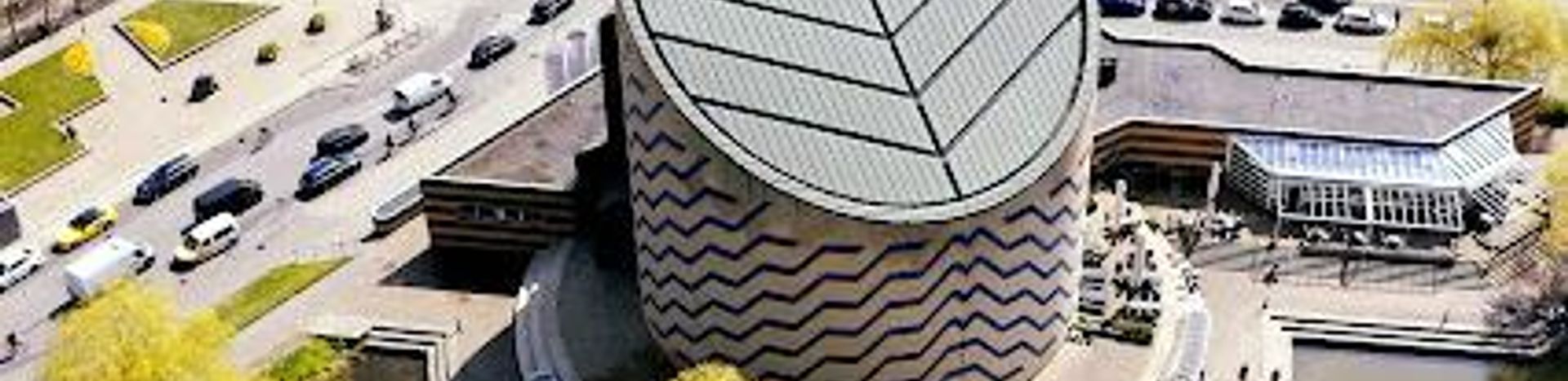
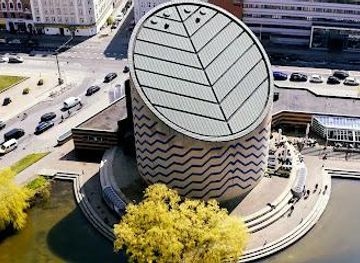
Copenhagen’s Planetarium, named for Renaissance astronomer Tycho Brahe, occupies a bold modern building at the edge of Skt Jørgens Sø. Its cylindrical brick form and copper‑clad dome stand out against the lakeside skyline, announcing its purpose long before you step inside. Since opening in 1989, the Planetarium has served as Denmark’s most advanced hub for sharing astronomy and natural science with the public, constantly updating its technology and exhibitions.The heart of the complex is the great dome theatre, built as a tilted fulldome to immerse audiences completely in projected star fields, planets and galaxies. A major renovation completed during the early 2020s replaced the entire projection system with cutting‑edge 8K laser projectors and upgraded sound, turning the theatre into one of Europe’s most technically sophisticated planetarium domes.Immersive journeys under Europe’s largest tilted dome
Every dome programme begins with a tour of the current night sky as it would appear over Denmark, guiding you through constellations, visible planets and seasonal highlights. After this live‑style introduction, the show transitions into a full film presentation that might follow the evolution of the universe, the birth of stars or the icy worlds of the outer Solar System.Films are screened on the enormous curved surface that wraps around your field of vision, creating the sensation of floating through nebulae or diving toward planetary surfaces. Many programmes are produced in 3D or IMAX‑style formats, and while narration is usually in Danish, English audio is available via headsets, making the experience accessible to international visitors.Exhibitions that connect space science to everyday life
Beyond the dome, exhibition galleries explore themes such as Big Bang, time and space, human adaptation to life beyond Earth and the technologies that make space travel possible. Interactive stations let you test your reactions and coordination as if training like an astronaut, compare your weight on different planets or visualise the scale of the Solar System.A highlight is an authentic lunar sample on loan from NASA, one of the largest moon rocks displayed outside the United States. Interpretive displays explain how instruments in orbit and on planetary surfaces collect data that feeds into our understanding of climate, geology and the origins of life, linking distant phenomena to issues felt on Earth.Family focus and hands‑on curiosity
The Planetarium is designed with families firmly in mind. Many shows are suitable for children, with programmes featuring animated journeys through the cosmos, volcanoes, dinosaurs or natural phenomena that appeal to younger audiences. During school holidays and weekends, additional talks, pop‑up science shows and short guided introductions often animate the exhibition spaces.Hands‑on elements encourage children to touch, play and ask questions rather than simply read display boards. Short film lengths and clear visual storytelling help maintain attention, while the mix of cinema, exhibits and café breaks makes it easy to structure a half‑day visit without overwhelming younger visitors.Lakeside setting in the centre of Copenhagen
Located on Gammel Kongevej at the southern tip of Skt Jørgens Sø, the Planetarium sits within easy reach of central Copenhagen’s main districts. Large windows and the approach paths frame views across the lake toward the city, especially atmospheric on clear evenings when the dome’s interior star fields contrast with real twilight outside.Compact in footprint but vertically dramatic, the building offers a clear, simple layout: ticketing and foyer at ground level, exhibitions arranged around the core, and the dome theatre as the spatial and symbolic centre. The setting makes it an appealing indoor stop on days of rain, cold or wind, offering an all‑weather alternative to the city’s outdoor sights.Practical visit details and timing
Typical visits last around one and a half to two hours, allowing time for one dome screening and a circuit of the exhibitions, with longer stays possible if you linger or schedule multiple films. Tickets are sold as combined admission for exhibitions plus a dome film, and there are reduced prices for children and students, as well as inclusion in some city sightseeing passes.Facilities include restrooms, a café‑restaurant and a small shop with science‑themed books, toys and souvenirs. Step‑free access and lifts make the building workable for visitors with limited mobility, and the central location means it fits easily into a wider day exploring Copenhagen’s museums, parks and historic streets.Explore the best of what Planetarium has to offer













More about North Zealand
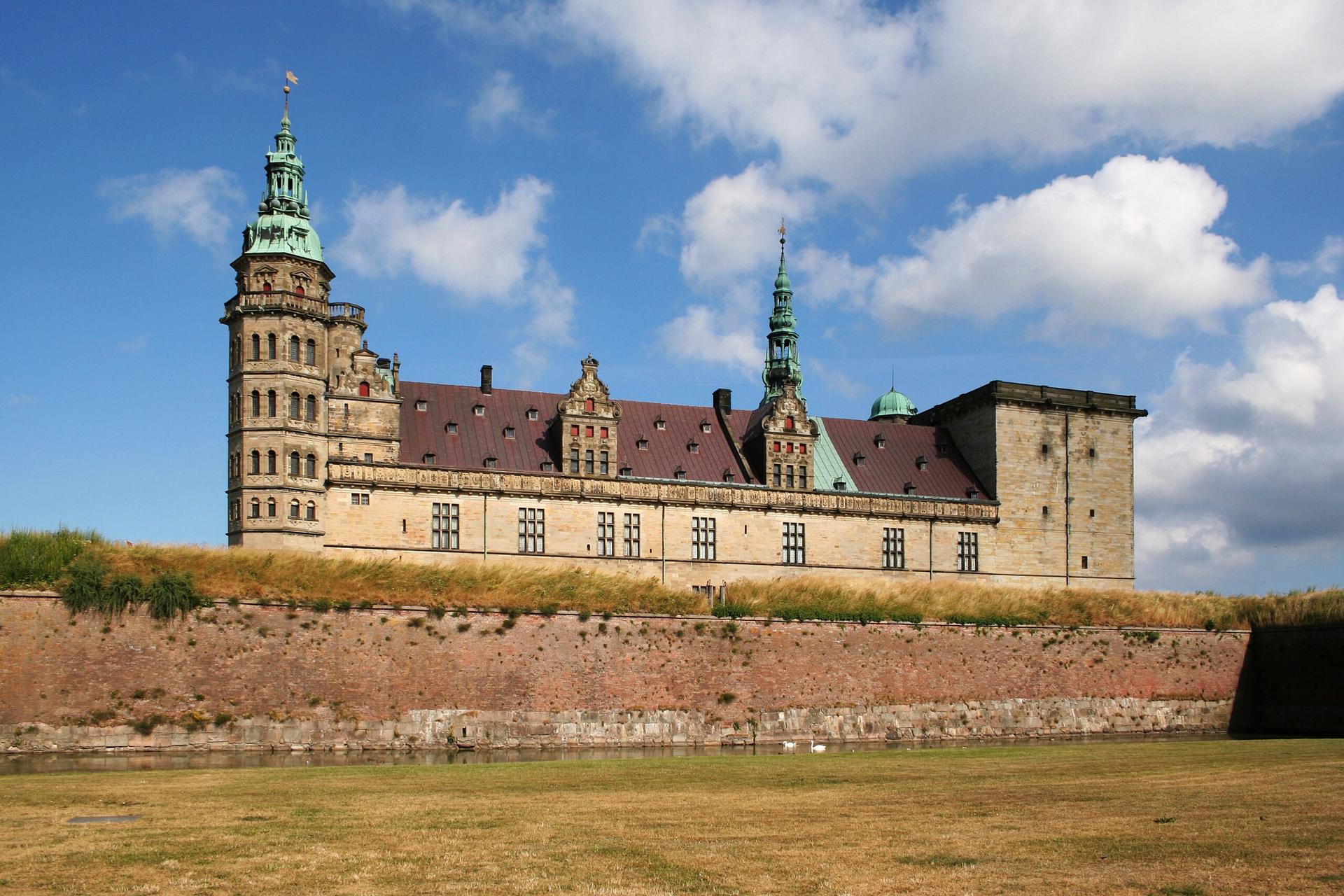
Explore North Zealand, Denmark's enchanting region of castles, beaches, and royal estates, perfect for history buffs, nature enthusiasts, and seaside lovers.
Tell me more about North Zealand
Stændertorvet is Roskilde’s historic central square, bustling with markets, events, and iconic views of the UNESCO-listed cathedral at the city’s vibrant core.
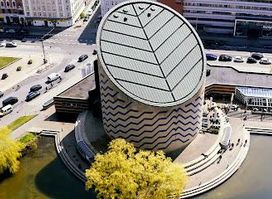
Copenhagen’s copper-domed Planetarium launches you into immersive 8K space films, interactive cosmic exhibits and centuries of Danish stargazing beside the city’s lakes.