

Inderhavnsbroen, Køge Travel Guide
Free Guide: Sleek, car-free and nicknamed the “Kissing Bridge”, Inderhavnsbroen links Nyhavn and Christianshavn with sweeping harbor views and a front-row feel for Copenhagen’s waterfront.


A brief summary of Inderhavnsbroen
Sleek, car-free and nicknamed the “Kissing Bridge”, Inderhavnsbroen links Nyhavn and Christianshavn with sweeping harbor views and a front-row feel for Copenhagen’s waterfront.
Inderhavnsbroen, Copenhagen’s sleek Inner Harbour Bridge, links colorful Nyhavn with Christianshavn and Holmen in one graceful sweep over the water. Opened in 2016 as a car-free crossing for pedestrians and cyclists, this 180m “Kissing Bridge” offers some of the city’s best harbor views, with dedicated viewing bays to pause, watch canal traffic slip below, and frame classic shots of the historic waterfront in every direction.
On-site amenities
 Seating areas
 Trash bins
 Information boards
 Food options
 Drink options
 Drinking water
 Sheltered areas
Opening hours
- Every day2 pm–9 am
Opening hours as listed on the venue’s Google Business Profile. Hours can change for services and special events, so check with the venue before you go.
- Address
- Inderhavnsbroen, 1401 København
Getting there
Metro
City bus
Bicycle
Harbor ferry
Discover more about Inderhavnsbroen
A modern link in Copenhagen’s historic harbor
Inderhavnsbroen is a striking pedestrian and cycle bridge spanning the Inner Harbour, stitching together the postcard charm of Nyhavn with the canals and quays of Christianshavn and Holmen. Completed in 2016, it forms a vital missing link in the Harbour Circle, a continuous waterside route that lets you loop the city’s central waterfront on foot or by bike. Car-free by design, it embodies Copenhagen’s commitment to human-scale urban life, where cyclists and walkers rule the front row along the water.From the deck, you sense how the bridge sits at the very heart of the city: turn one way for the gabled facades of Nyhavn and the distant domes and spires of the old town; turn the other for converted warehouses, the opera house area, and the more experimental edge of Christianshavn.
The story behind the “Kissing Bridge” nickname
Locals know Inderhavnsbroen as the “Kissing Bridge”, a name inspired by its unusual opening mechanism. Instead of tilting or lifting, the two halves of the bridge slide back horizontally to let tall vessels pass, then glide together again until they meet with a slow, almost theatrical touch. The motion is reminiscent of two lips closing for a kiss, a playful detail in what might otherwise be a purely functional structure.If you happen to be here when warning sounds ring out and the barriers descend, it is worth staying put. Watching the deck pull apart, the harbor widen beneath your feet, and then slowly close again gives a glimpse of the choreography required to keep a busy working harbor and an active public space in harmony.
Architecture, design and clever viewpoints
The bridge stretches roughly 180 meters with a slightly angled course across the water, its pale surfaces and simple railings keeping the focus on the surroundings. The deck is divided into wide cycle lanes and generous pedestrian space, so you feel the stream of bikes sliding past while walkers drift toward the railings to look out over the harbor. Small stepped bays and platforms invite you to pull aside, lean on the edge, and let the cityscape unfold.From these vantage points you can pick out the masts of historic wooden ships in Nyhavn, the crisp geometry of the opera house across the water, and the layered rooflines that trace Copenhagen’s evolution from mercantile port to modern capital. At sunrise and sunset, the reflections of brick, copper, and glass in the water turn the span into an open-air viewing balcony.
Experiencing the bridge on foot or by bicycle
Crossing Inderhavnsbroen is less about getting somewhere fast and more about savoring the space between two very different neighborhoods. On foot, you can wander at an unhurried pace, stopping midway to watch harbor buses, kayaks, and canal tour boats threading between the piers. The bridge surface is smooth and level, accessible to wheelchairs, strollers, and mobility aids, making it an easy way for many travelers to enjoy wide-open water views without leaving the city center.Cycling over it plugs you straight into Copenhagen’s famed bike culture. Commuters, families with cargo bikes, and casual riders all share the route, so it is worth keeping to the marked lanes and pausing only in the designated bays if you want photos. Even a brief crossing delivers a sense of how closely everyday life here is intertwined with the harbor.
A perfect pause between Nyhavn and Christianshavn
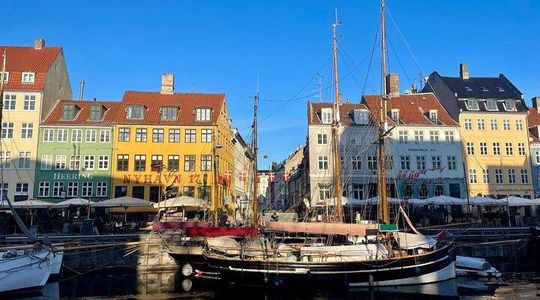
What makes Inderhavnsbroen special is not just the structure itself but what it connects. On one side lies Nyhavn with its 17th-century canal, colorful townhouses and busy quayside; on the other, the quieter canals and cobbled streets of Christianshavn and the cultural cluster around Holmen. The bridge becomes a natural pause between the two moods – a spot to reset, orient yourself, and let the sea breeze replace the buzz of cafes or the intimacy of narrow streets.Whether you linger for a handful of photos or sit for a while watching the play of light on the water, the bridge offers a compact yet rich slice of contemporary Copenhagen: design-conscious, harbor-focused, and deeply walkable.
Evendo Review Centre
 Google
Guest reviews
Best time to go
Quietest: Jan, Feb & Mar · before 6am
Busy times are Evendo estimates for a typical year, to help you plan. Actual crowds vary with events, school holidays and the weather.
Explore Inderhavnsbroen on the map
A handpicked selection of must-see spots near Inderhavnsbroen, mapped for you.
Get your free copy of our complete guide to Inderhavnsbroen, delivered straight to you.
Everything on this page, from opening hours and how to get there to Eve’s tips and the best time to go, in one PDF you can read offline, print or share.
Already have an account? Sign in
Your Inderhavnsbroen guide is ready.
We'll send it to · Not you? Sign out

Getting your guide ready…
We are putting together a fresh copy of the Inderhavnsbroen guide. This can take up to a minute.
This can take a few moments. If your browser asks, choose Allow so the download can start. You'll find the guide in your Downloads folder.
Nothing happened? Download it again
Sorry, the guide is taking longer than usual. Please try again in a minute, or get it by email instead.
Unlock the best of Inderhavnsbroen
Skip-the-line tickets, guided tours with entry, and walking tours of the area, booked in a few clicks.
 Tour with entry
Hippies & Christianshavn Tip-Based Walking Tour
from $5.29 Tour with entry
Copenhagen & Christiania: Cycling Tour in French
from $52.33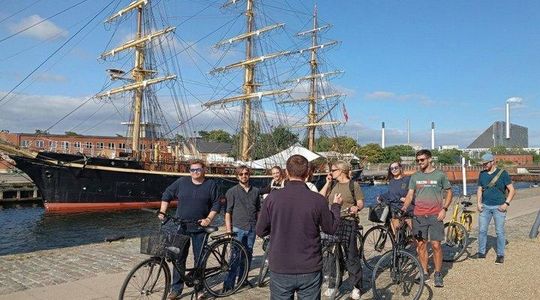 Tour with entry
3 Hour Copenhagen Architecture Masterclass Bike Tour
from $63.41 Tour with entry
Copenhagen Private Full Day Tour with Lunch Option
from $356.71



Other nearby places you may find interesting
The closest places of the same kind, if this one is not quite what you had in mind.
-
-
-
-
-


Swipe for more places
More to explore near Inderhavnsbroen

 Best experiences near Inderhavnsbroen
 Best hotels near Inderhavnsbroen
 Best landmarks near Inderhavnsbroen
 Best attractions near Inderhavnsbroen
 Best shops near Inderhavnsbroen
 Best restaurants near Inderhavnsbroen
 Best bars near Inderhavnsbroen
Do you manage this location?
Take control to get all the benefits, like improved information, better appearance, and stronger visibility across AI-powered discovery.
Explore more
Explore more of Køge
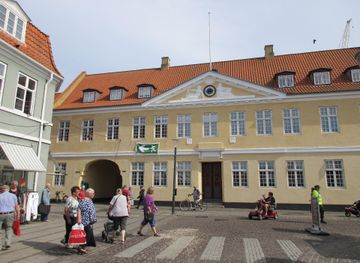
Explore Køge, Denmark's coastal gem, with its medieval charm, beautiful marina, and close proximity to the stunning Stevns Klint UNESCO World Heritage site.
Explore Køge
Explore more of Denmark
Discover Denmark: A perfect blend of history, modern design, and the cozy concept of hygge. Explore vibrant cities, serene landscapes, and world-class cuisine.
Explore Denmark
