North Atlantic House (Nordatlantens Brygge)
A 1767 waterfront warehouse transformed into Copenhagen’s vibrant gateway to the art, stories and flavors of Greenland, Iceland and the Faroe Islands.
A historic warehouse at the edge of the North Atlantic
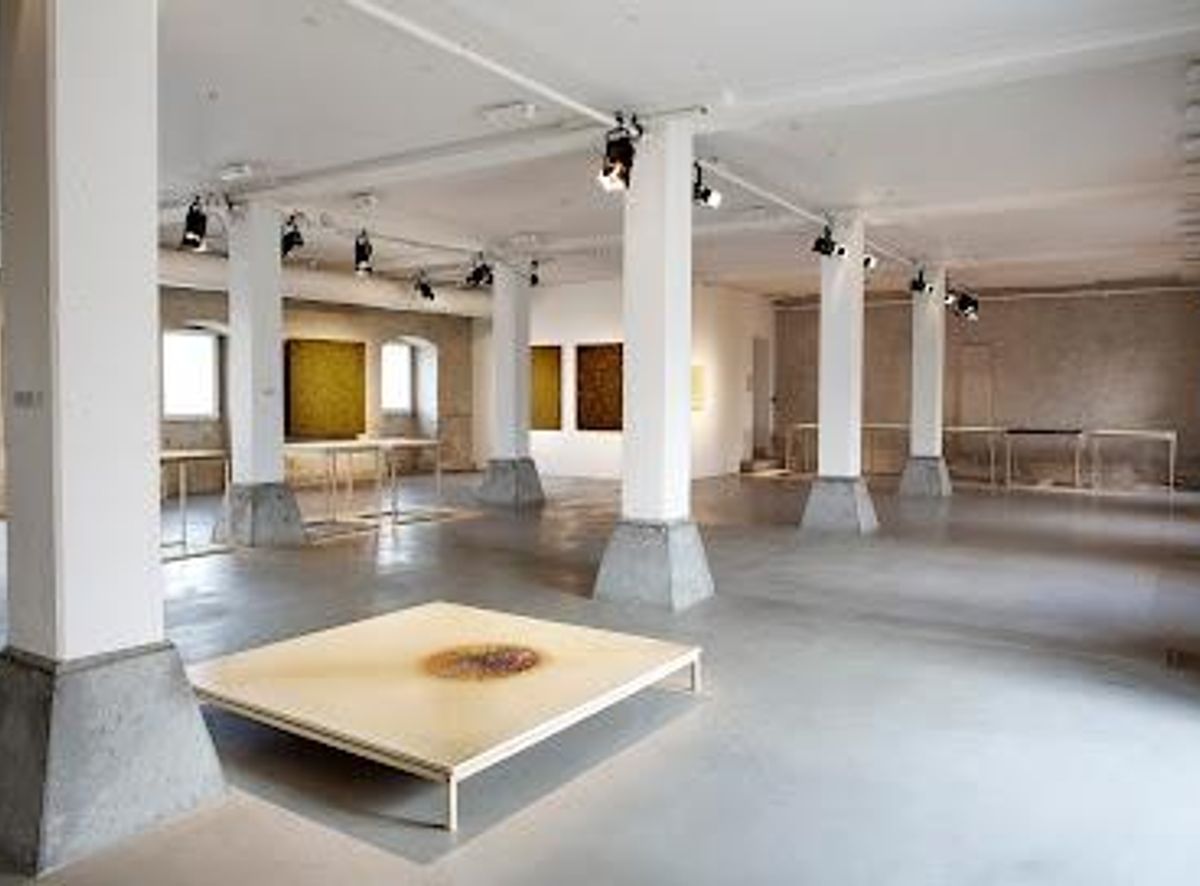
North Atlantic House occupies a long, brick warehouse built in 1767 on the old Greenlandic Trading Square in Christianshavn. For around two centuries this was one of Denmark’s key maritime hubs for trade with Greenland, Iceland, the Faroe Islands and northern Norway, storing dried fish, whale oil, salted herring and skins bound for European markets. The building still bears the marks of that era, with heavy timber beams, thick walls and tall loft spaces designed for cargo rather than culture. Today, the former warehouse stands directly on the harborfront, its weathered façade facing the canal where trading vessels once docked. Inside, the renovation has kept the building’s industrial character: exposed brick, wood rafters and long sightlines remind you that this sophisticated arts center grew out of hard seafaring labor and ocean-bound commerce.Meeting place for four North Atlantic cultures
The core idea of North Atlantic House is to showcase and strengthen cultural ties among Denmark, Iceland, Greenland and the Faroe Islands. These three North Atlantic societies, shaped by dramatic coastlines, fishing traditions and sparse populations, are given an urban stage in the heart of Copenhagen. Exhibitions often highlight themes such as Arctic nature, climate, indigenous perspectives and island identity, bringing distant landscapes into an intimate gallery setting. Alongside the exhibitions, the building also hosts the Icelandic Embassy and the permanent representations of Greenland and the Faroe Islands. Their presence turns the house into a working diplomatic and cultural hub where official meetings, public events and everyday office life blend with visitors exploring the art spaces.Art, performance and conversation under old beams
Inside you find two main exhibition halls supplemented by smaller project spaces. Shows range from contemporary visual art and photography to design, crafts and multimedia installations. The program often features artists from the North Atlantic region whose work explores modern life in Arctic environments, shifts in traditional livelihoods or experimental takes on ancient myths. Beyond static displays, the center runs a full calendar of performances, dance, music, film screenings and lectures. Intimate concerts, author talks and panel debates use the warehouse atmosphere to powerful effect, with sound resonating off timber and brick while harbor light filters through tall windows. Seasonal festivals and themed evenings provide chances to delve deeper into specific islands or cultural topics.Harbor views, Nordic flavors and relaxed corners
A key part of the experience is simply dwelling in the building for a while. The on-site brasserie leans into North Atlantic ingredients, often featuring seafood and lamb that echo the cuisines of Greenland, Iceland and the Faroe Islands, interpreted through contemporary Nordic cooking. Eating by the big windows or outside on warmer days, you can watch boats glide through the canal as gulls and harbor sounds form a constant backdrop. Smaller nooks, seating areas and a shop-like zone with design objects or books create quiet corners to pause between exhibitions. Even when no major event is underway, the house feels active yet unhurried, with people drifting between galleries, café tables and meeting rooms under the same historic roof.Christianshavn character all around
The setting in Christianshavn adds another layer. Around North Atlantic House, old brick lanes, canals with moored houseboats and converted industrial buildings trace several centuries of harbor life. The nearby Greenlandic Trading Square and waterfront make it easy to imagine the age of cargo ships and long sea voyages that once defined this spot. At the same time, the neighborhood today is known for both experimental urban communities and polished waterfront developments. North Atlantic House sits at that crossroads: a preserved maritime structure repurposed for modern cultural exchange. For many visitors, its appeal lies as much in this blend of history, architecture and atmosphere as in any single exhibition hanging on the walls.Planning your time inside the warehouse
A typical visit to North Atlantic House comfortably fits into one to two hours, depending on how deeply you engage with the exhibitions and whether you stay for a meal or an evening event. The galleries are compact enough not to overwhelm, yet varied enough to reward slow looking and reflection. With flexible spaces, changing shows and frequent live programs, the house invites repeat visits, each revealing a different facet of the North Atlantic story told from Copenhagen’s harbor edge.Local tips
- Check the current exhibition and events program in advance; shows and performances change regularly and can significantly shape your visit.
- Allow time for the brasserie or café area to sample North Atlantic–inspired dishes while enjoying harbor views through the large warehouse windows.
- Explore all levels of the building—some smaller exhibitions and atmospheric vantage points are tucked away on upper floors and along side corridors.
A brief summary to North Atlantic House
- Strandgade 91, Copenhagen, København K, 1401, DK
- +4532833700
- Visit website
- Monday 10 am-5 pm
- Tuesday 10 am-5 pm
- Wednesday 10 am-5 pm
- Thursday 10 am-5 pm
- Friday 10 am-5 pm
- Saturday 12 pm-5 pm
- Sunday 12 pm-5 pm
Getting There
-
Metro from central Copenhagen
From central Copenhagen, take the M1 or M2 metro line to Christianshavn Station, a ride of about 3–5 minutes from Kongens Nytorv. Trains usually run every few minutes and standard single tickets within the city zones typically cost around 20–30 DKK. From Christianshavn Station, expect an additional 10–15 minutes of level walking through the neighborhood’s canalside streets to reach North Atlantic House. The metro and walk are generally suitable for most visitors, though cobblestones near the harbor can be uneven.
-
Harbor bus by water
Copenhagen’s harbor buses offer a scenic way to approach North Atlantic House from other waterfront areas such as Nyhavn or Islands Brygge. The boat ride usually takes 10–20 minutes depending on the route, with standard public transport tickets and city travel cards valid onboard at roughly 20–30 DKK per trip. Services run at regular intervals during the day but may be less frequent in the evening or in poor weather. Landings involve short walks along the quay, which are generally flat but can be breezy and exposed.
-
Cycling through Christianshavn
Cycling is a popular way to reach North Atlantic House from most central districts. From areas such as Indre By or Vesterbro, the ride often takes 10–20 minutes along marked bike lanes and over low bridges with broad canal views. Visitors without bikes can use city bike-share schemes, with typical rental prices starting from about 10–20 DKK for short rides. Cycle routes are mostly flat, but be prepared for busy traffic at peak commute times and take care on cobbled sections near the historic harborfront.