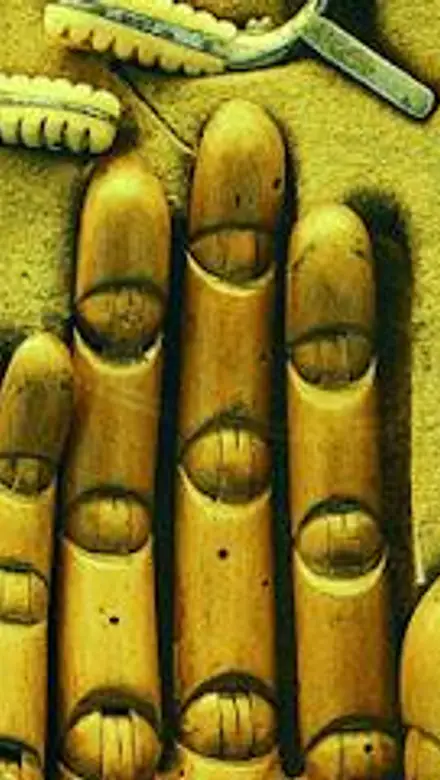
Medicinsk Museion, Køge Travel Guide
Free Guide: A historic surgical academy turned medical museum, where preserved bodies, instruments and art reveal how ideas about health and illness have changed over centuries.


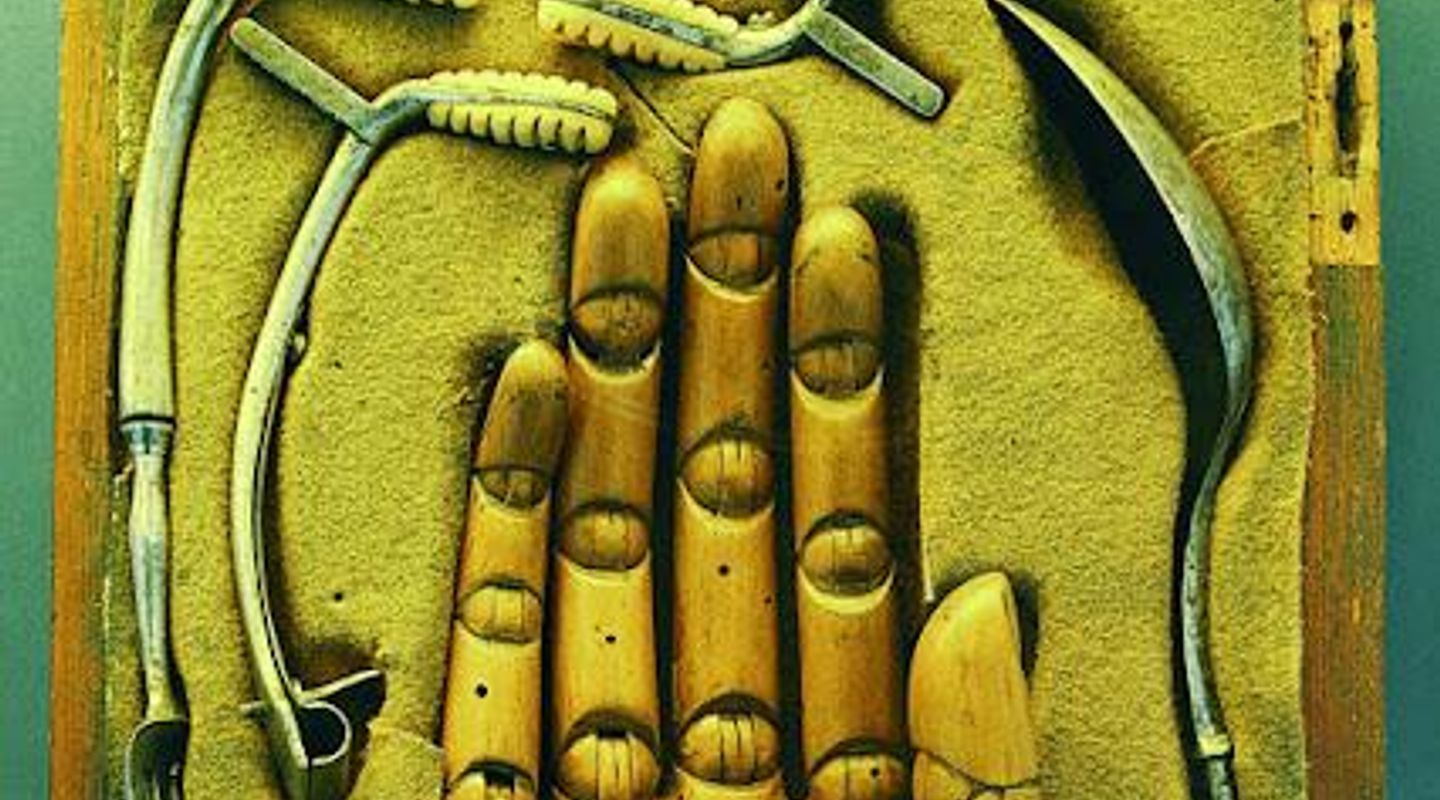
A brief summary of Medicinsk Museion
A historic surgical academy turned medical museum, where preserved bodies, instruments and art reveal how ideas about health and illness have changed over centuries.
Housed in the former Royal Surgical Academy from 1787, Medicinsk Museion in central Copenhagen is an evocative museum where medicine, culture and architecture meet. Behind the neoclassical façade on Bredgade, you explore one of the world’s largest medical collections: historic instruments, anatomical preparations, X‑ray machines, pharmacy interiors and contemporary artworks. Atmospheric period rooms, the preserved anatomical auditorium and research-based exhibitions trace how ideas about body, health and disease have evolved.
On-site amenities
 Restrooms
 Seating areas
 Information boards
 Visitor centre
 Trash bins
Opening hours
- MonClosed
- Tue10 am–4 pm
- Wed10 am–4 pm
- Thu10 am–4 pm
- Fri10 am–4 pm
- Sat12 pm–4 pm
- Sun12 pm–4 pm
Opening hours as listed on the venue’s Google Business Profile. Hours can change for services and special events, so check with the venue before you go.
- Address
- Bredgade 62, 1260 København
- Phone
- Website
Getting there
Metro
Bus
Bicycle
Taxi / Rideshare
Discover more about Medicinsk Museion
From Royal Surgical Academy to medical museum
Medicinsk Museion occupies a dignified late‑18th‑century building in Frederiksstaden, originally constructed for the Royal Surgical Academy. Inside, high ceilings, worn stone steps and heavy wooden doors still hint at the generations of students who once learned anatomy and surgery here. The museum has been part of the University of Copenhagen for over a century, combining active research with public exhibitions.The listed building itself is a highlight. Decorative stucco, tall sash windows and narrow staircases reflect its Enlightenment origins, while subtle modern interventions—lighting, vitrines, signage—allow the historic structure to function as a contemporary exhibition space without losing its character.
A vast collection of objects, bodies and ideas
The museum cares for one of the world’s most extensive medical collections, started by Copenhagen doctors in the early 1900s and continuously expanded. Shelves of glass jars with preserved organs, early X‑ray tubes, stethoscopes, dental drills, surgical kits and hospital equipment chart a story of relentless experimentation and changing standards.Rather than simply lining up instruments chronologically, exhibitions explore themes such as epidemics, psychiatry, imaging, hospital life and everyday health technologies. You might encounter an iron lung beside a smartphone health app, or a 19th‑century amputation saw displayed next to modern prosthetics, inviting you to consider both progress and ethical dilemmas.
The dramatic anatomical auditorium
At the heart of the building lies the original anatomical auditorium, designed as a steep, semi‑circular theatre inspired by European dissection halls. Wooden benches rise above a central demonstration table where bodies were once dissected in front of students, lit by tall windows and focused architectural lines.Prominent scientists and physicians have lectured in this space, giving it an almost ceremonial aura. Today, the auditorium is carefully preserved, used for talks and introductions, and accessible as an exhibition in its own right. Standing here, you sense how anatomy was both scientific practice and public spectacle.
Exploring bodies, health and disease through time
Medicinsk Museion’s displays follow the changing ways societies have understood bodies and illness. Before antibiotics and anaesthesia, surgery was brutal and risky; cases document pain management with alcohol and restraint, and early attempts at antisepsis. Pharmacy interiors show rows of ceramic jars, brass scales and handwritten labels, evoking a slower, more tactile approach to treatment.Other rooms deal with infectious disease control, vaccination campaigns, mental health care and reproductive medicine. Wall texts and carefully chosen objects highlight how medical advances are entangled with politics, social norms and everyday life, encouraging reflection rather than simple celebration of progress.
Art, contemporary science and sensory experiences
The museum is also a place where art meets biomedical research. Temporary exhibitions and installations translate topics like genetics, microbiomes or chronic illness into visual and sensory form. Unusual materials, soundscapes and interactive elements draw attention to experiences of living with disease, not just the technologies designed to treat it.Smaller rooms and cabinets invite slow looking: the sheen of polished brass, the cloudy translucence of old glass, the faint smell of wood and paper. Labels often include conceptual questions, nudging you to think about what we choose to preserve, what we throw away and how collections shape medical memory.
Planning your visit inside a historic building
The museum spans several floors connected by staircases, some without handrails, and there is no elevator or wheelchair lift due to the building’s protected status. Exhibitions are relatively compact, making it easy to explore at your own pace, and free short introductions in both Danish and English are frequently offered.A small shop near the entrance sells books, posters and postcards related to medicine, anatomy and design. Photography without flash is permitted, and staff are trained to support guests with hidden disabilities, including through the Sunflower program and an autism‑friendly visiting guide. Allow unhurried time: the density of objects and ideas rewards a thoughtful, lingering visit.
Evendo Review Centre
 Google
Guest reviews
Best time to go
Quietest: Jan, Feb & Nov · before 8am or from 6pm
Busy times are Evendo estimates for a typical year, to help you plan. Actual crowds vary with events, school holidays and the weather.
Explore Medicinsk Museion on the map
A handpicked selection of must-see spots near Medicinsk Museion, mapped for you.
Get your free copy of our complete guide to Medicinsk Museion, delivered straight to you.
Everything on this page, from opening hours and how to get there to Eve’s tips and the best time to go, in one PDF you can read offline, print or share.
Already have an account? Sign in
Your Medicinsk Museion guide is ready.
We'll send it to · Not you? Sign out

Getting your guide ready…
We are putting together a fresh copy of the Medicinsk Museion guide. This can take up to a minute.
This can take a few moments. If your browser asks, choose Allow so the download can start. You'll find the guide in your Downloads folder.
Nothing happened? Download it again
Sorry, the guide is taking longer than usual. Please try again in a minute, or get it by email instead.
Unlock the best of Medicinsk Museion
Skip-the-line tickets, guided tours with entry, and walking tours of the area, booked in a few clicks.

Other nearby places you may find interesting
The closest places of the same kind, if this one is not quite what you had in mind.
-
-
-
-
-


Swipe for more places
More to explore near Medicinsk Museion

 Best experiences near Medicinsk Museion
 Best hotels near Medicinsk Museion
 Best landmarks near Medicinsk Museion
 Best attractions near Medicinsk Museion
 Best shops near Medicinsk Museion
 Best restaurants near Medicinsk Museion
 Best bars near Medicinsk Museion
Do you manage this location?
Take control to get all the benefits, like improved information, better appearance, and stronger visibility across AI-powered discovery.
Explore more
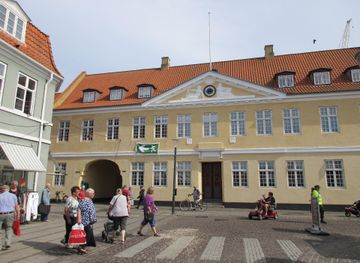
Explore more of Køge
Explore Køge, Denmark's coastal gem, with its medieval charm, beautiful marina, and close proximity to the stunning Stevns Klint UNESCO World Heritage site.
Explore Køge
Explore more of Denmark
Discover Denmark: A perfect blend of history, modern design, and the cozy concept of hygge. Explore vibrant cities, serene landscapes, and world-class cuisine.
Explore Denmark