From Eve
Know before you go
Hi, I'm Eve. Here are a few practical things to know before exploring Designmuseum Danmark.
Local know-how to help you travel smarter and make the most of every moment.


Copenhagen’s temple of design, where rococo halls, iconic Danish chairs and a tranquil garden reveal how beautifully made objects shape everyday life.
Designmuseum Danmark is Copenhagen’s leading showcase for Danish and international design, housed in the former Royal Frederik’s Hospital, a refined 18th-century rococo complex on Bredgade. Inside, iconic chairs, sleek lamps, ceramics, textiles and everyday objects trace how form, function and craftsmanship shaped modern life. Quiet courtyards, a leafy museum garden, café and design shop round out an experience that feels both scholarly and deeply Scandinavian.
Opening times, essentials, and a few local tips gathered into one calmer, easier-to-scan planning section.
Hi, I'm Eve. Here are a few practical things to know before exploring Designmuseum Danmark.
Local know-how to help you travel smarter and make the most of every moment.
Metro and short walk from central Copenhagen
From central Copenhagen, take the M3 or M4 metro line to Marmorkirken Station; trains run every few minutes and the ride from Copenhagen Central Station area takes about 5–10 minutes, with a standard single zone ticket costing around 20–25 DKK. From Marmorkirken it is an easy 5–10 minute level walk through Frederiksstaden’s broad streets. This option is suitable year-round and offers step-free access at the metro, though some nearby pavements are cobbled.
City bus through the inner districts
Several city buses run along or close to Bredgade from Nørreport and other central hubs, with journey times typically 10–20 minutes depending on traffic. A single ticket is in the same range as the metro, roughly 20–25 DKK, and buses usually have low-floor access, making them convenient for travellers with limited mobility. Services are frequent during the day but may be reduced in the late evening and on holidays.
Cycling in Copenhagen’s bike lanes
If you rent a bicycle in the city centre, expect a 10–20 minute ride to the museum along Copenhagen’s extensive network of segregated bike lanes. Rental bikes generally cost from about 100–150 DKK for a day, with helmets often available at a small extra charge. This option is most comfortable from spring to early autumn; in winter, be prepared for wind, rain or snow and potentially slippery surfaces.
Walking from central waterfront areas
From popular areas such as Nyhavn or Kongens Nytorv, the museum can be reached on foot in roughly 10–20 minutes along wide sidewalks through the Frederiksstaden quarter. The route is generally flat but may include stretches of cobblestones and busy crossings, so it is best for travellers comfortable with moderate walking. This is a free option and particularly pleasant in mild or clear weather when you can combine the stroll with other nearby sights.
 Restrooms
 Drink Options
 Drinking Water
 Food Options
 Lockers
 Seating Areas
 Sheltered Areas
 Picnic Areas
 Trash Bins
 Information Boards
 Visitor Center
Catch the right light and the right mood, whether you want a bright city moment or a more cinematic evening visit.


Use Tower Bridge as your starting point for nearby food, family ideas, nightlife, and more local discoveries.
A quick look at seasonal patterns and peak visiting hours.

Explore expert travel guides, compare and book tours, experiences, hotels, and more—all from the palm of your hand. Download now for seamless trip planning wherever your wanderlust takes you.
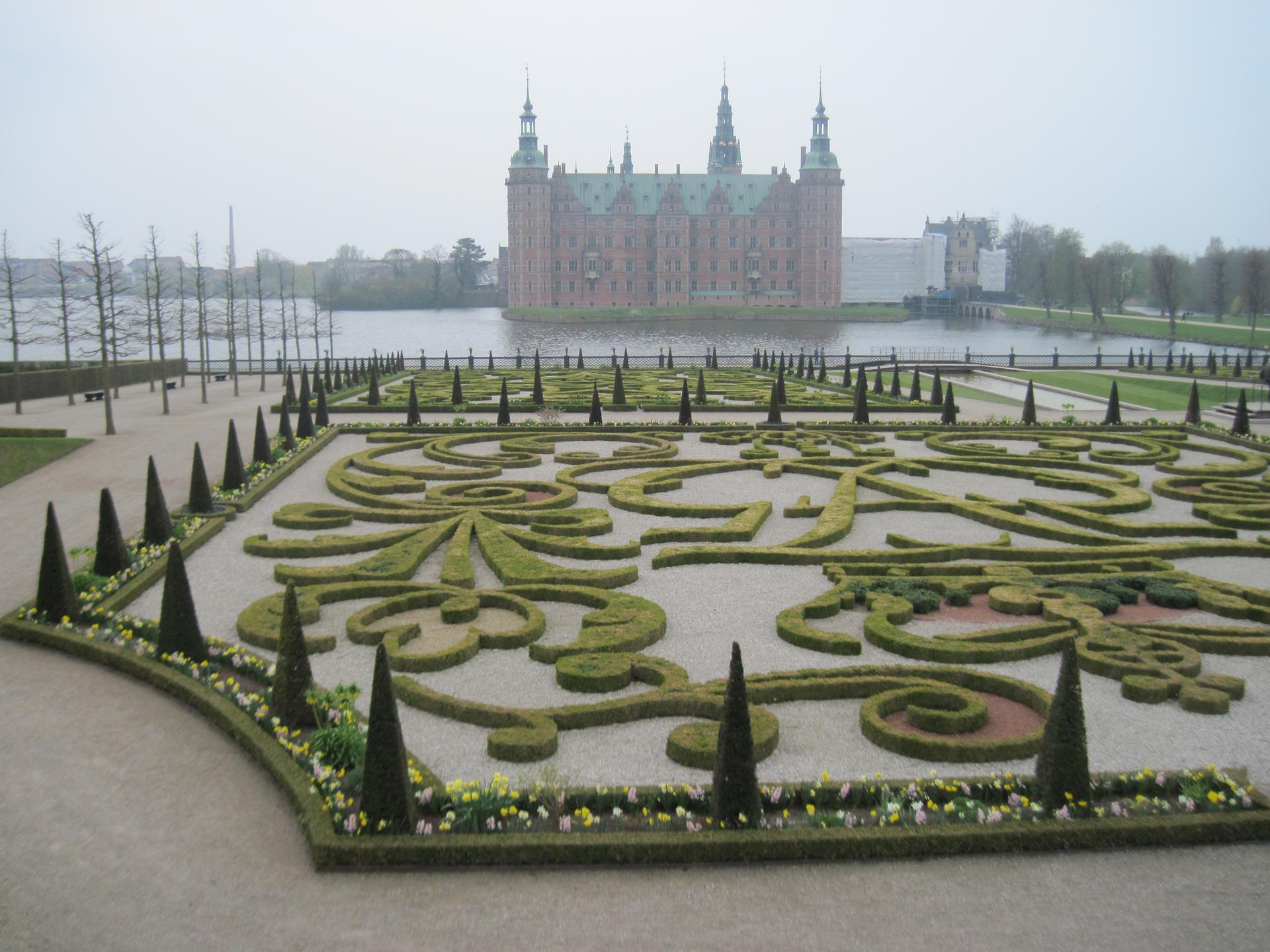
Explore Hillerød: Discover Frederiksborg Castle, vibrant town life, and scenic nature trails in Denmark's charming North Zealand region.
Tell me more about Hillerod