

Musicon-bydelen, Køge Travel Guide
Free Guide: A former concrete factory turned creative district, where bold architecture, skateparks, music venues and container shops fuse into Roskilde’s most vibrant urban laboratory.


A brief summary of Musicon-bydelen
A former concrete factory turned creative district, where bold architecture, skateparks, music venues and container shops fuse into Roskilde’s most vibrant urban laboratory.
Musicon is Roskilde’s creative urban district, built on the grounds of a former concrete factory between the historic city centre and the Roskilde Festival grounds. Here industrial halls, shipping containers and bold new architecture blend into a colourful mix of housing, studios, skateparks and cultural venues, including the iconic Ragnarock rock museum, dance theatre Aaben Dans and buzzing container streets with microbreweries, workshops and quirky shops.
On-site amenities
 Restrooms
 Drink options
 Drinking water
 Food options
 Seating areas
 Sheltered areas
 Picnic areas
 Trash bins
 Information boards
 Visitor centre
Opening hours
- Every dayOpen 24 hours
Opening hours as listed on the venue’s Google Business Profile. Hours can change for services and special events, so check with the venue before you go.
- Address
- 4000 Roskilde
Getting there
Train + Walk
City Bus
Bicycle
Discover more about Musicon-bydelen
From Concrete Factory to Cultural Playground
Musicon occupies a former concrete factory site just south of Roskilde’s historic centre, transformed over the last two decades into a 250,000 m² creative district. Remnants of silos, raw concrete surfaces and industrial halls still shape the skeleton of the area, but they now coexist with striking new buildings, recycled materials and experimental public spaces. The name Musicon hints at its role as a bridge between the city and the nearby Roskilde Festival grounds, linking everyday life with Denmark’s most famous music event.Instead of demolishing everything, planners chose to keep much of the rugged industrial character. Old structures are adapted for studios, rehearsal rooms and workshops, while new constructions slot in between them. The result is a patchwork that feels deliberately unfinished, constantly evolving and open to new ideas.
Architecture with Rhythm and Colour
Architecturally, Musicon is a showcase of contemporary Danish urban design with a playful twist. The golden, angular volume of the Ragnarock Museum of pop, rock and youth culture stands out as a dramatic landmark, its exterior echoing sound waves and stage lights. Nearby, the Roskilde Festival Folk High School and dance theatre Aaben Dans add bold geometries, bright colours and large windows that reveal creative activity inside.At ground level, streets like Rabalderstræde weave through the district as shared, multi-use spaces rather than traditional roads. Sculptural white-concrete forms double as benches, climbing structures and skating obstacles, softening the boundary between traffic-calming design and public art. After dark, subtle lighting and illuminated facades highlight textures and volumes, giving the neighborhood an almost stage-like quality.
Rabalderparken and the Art of Urban Water
One of Musicon’s most distinctive features is Rabalderparken, a large urban skatepark and public space created in old gravel indentations. Here, bowls, ramps and runways for skaters, BMX riders and scooter users are more than just sports facilities: they also serve as an open stormwater system. Rainwater from across the district is guided along sloping surfaces and under sculptural "fabric" elements on Rabalderstræde before cascading down water stairs into basins at the park.By turning a technical drainage solution into a visible, playful landscape, Musicon makes climate adaptation part of the everyday experience. On dry days the bowls are full of wheels and laughter; after heavy rain, water features become part of the scenery, reminding visitors how the city manages its environment.
Creative Community and Everyday Life
Beyond its eye-catching architecture, Musicon is a living neighborhood with more than 70 organisations, companies and cultural institutions. Former factory halls host metal art workshops, rehearsal spaces and galleries, while container strips house independent shops, coffee roasteries, microbreweries and small eateries. The mix of youth housing, family apartments and studios keeps the area active from morning till late evening.Community initiatives are central to the district’s identity. Collaborative projects, urban gardening, shared meals and open workshops regularly spill out into courtyards and plazas. An annual Rabalder district festival brings together music, street sports, performances and markets, showcasing how residents, artists and entrepreneurs continue to shape the area.
Exploring the District on Foot or Wheels
Musicon is designed to be explored slowly. Broad sidewalks, skate-friendly surfaces and intimate plazas encourage wandering between cultural venues, murals and small-scale details. Street art appears on walls and under car parks, bronze sculptural works hide in courtyards, and improvised seating invites spontaneous breaks.Families find play areas, parkour zones and open spaces where children can move freely, while adults can sample local beer, browse design objects or simply observe the creative hustle. The district’s compact scale makes it easy to combine a visit here with Roskilde’s cathedral or fjord-side paths, yet Musicon’s distinct character feels like a self-contained world of its own.
Future-Facing Urban Experiment
Musicon remains a work in progress, with new buildings, cultural initiatives and housing projects gradually filling the former industrial terrain. Its blend of recycled materials, visible climate solutions and community-driven projects has earned recognition as a forward-looking model of urban regeneration.For visitors, that ongoing evolution is part of the appeal. Returning after a few years often means discovering new facades, fresh murals, expanded skate facilities or a different lineup of small businesses in the containers. Musicon is less a finished attraction and more an open-ended experiment in how a city can turn an industrial leftover into a vibrant cultural engine.
Evendo Review Centre
 Google
Guest reviews
Best time to go
Quietest: Jan, Feb & Mar · before 7am
Busy times are Evendo estimates for a typical year, to help you plan. Actual crowds vary with events, school holidays and the weather.
Explore Musicon-bydelen on the map
A handpicked selection of must-see spots near Musicon-bydelen, mapped for you.
Get your free copy of our complete guide to Musicon-bydelen, delivered straight to you.
Everything on this page, from opening hours and how to get there to Eve’s tips and the best time to go, in one PDF you can read offline, print or share.
Already have an account? Sign in
Your Musicon-bydelen guide is ready.
We'll send it to · Not you? Sign out

Getting your guide ready…
We are putting together a fresh copy of the Musicon-bydelen guide. This can take up to a minute.
This can take a few moments. If your browser asks, choose Allow so the download can start. You'll find the guide in your Downloads folder.
Nothing happened? Download it again
Sorry, the guide is taking longer than usual. Please try again in a minute, or get it by email instead.
Other nearby places you may find interesting
The closest places of the same kind, if this one is not quite what you had in mind.
-
-
-
-
-


Swipe for more places
More to explore near Musicon-bydelen

 Best experiences near Musicon-bydelen
 Best hotels near Musicon-bydelen
 Best landmarks near Musicon-bydelen
 Best attractions near Musicon-bydelen
 Best shops near Musicon-bydelen
 Best restaurants near Musicon-bydelen
 Best bars near Musicon-bydelen
Do you manage this location?
Take control to get all the benefits, like improved information, better appearance, and stronger visibility across AI-powered discovery.
Explore more
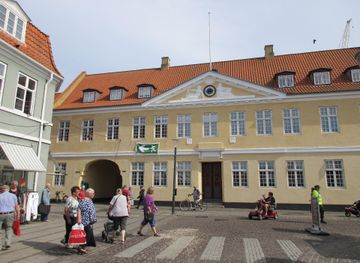
Explore more of Køge
Explore Køge, Denmark's coastal gem, with its medieval charm, beautiful marina, and close proximity to the stunning Stevns Klint UNESCO World Heritage site.
Explore Køge
Explore more of Denmark
Discover Denmark: A perfect blend of history, modern design, and the cozy concept of hygge. Explore vibrant cities, serene landscapes, and world-class cuisine.
Explore Denmark
