
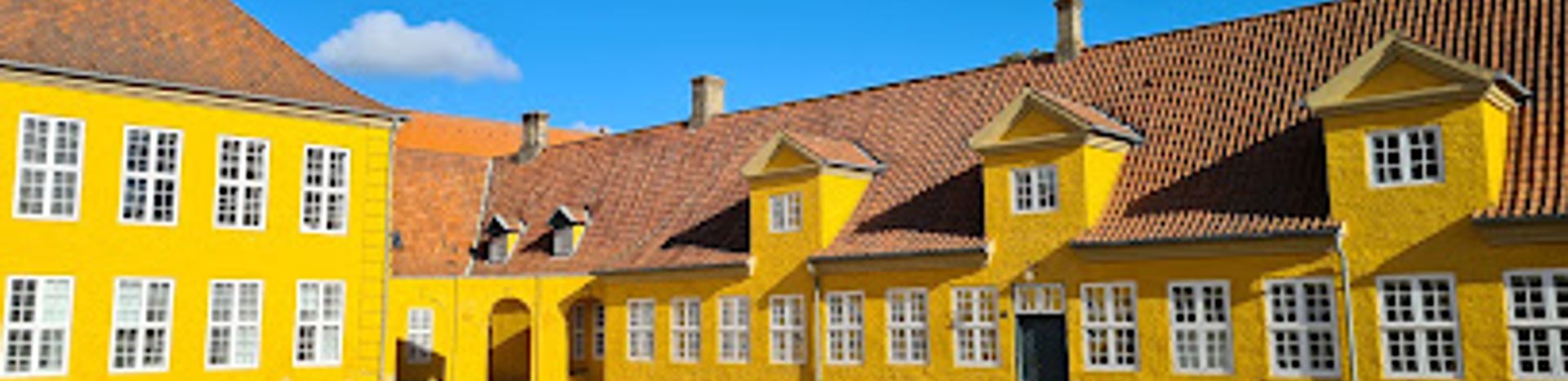
Museum of Contemporary Art Roskilde (Museet for Samtidskunst)
Denmark’s nomadic museum for performance, sound and time-based art, transforming Roskilde’s spaces into ever-changing stages for contemporary creativity.
The Museum of Contemporary Art in Roskilde is Denmark’s only nomadic art museum, dedicated exclusively to contemporary art from the 1960s to today. Instead of a fixed building, it unfolds across the city and online, activating sites from former hospitals and urban spaces to digital platforms. With a strong focus on performance, sound, video and experimental, time-based practices, it invites you to experience art as events, situations and encounters rather than static objects on walls.
A brief summary to Museum of Contemporary Art
- Bagtæppet 10 (kontor, Roskilde, 4000, DK
- +4546316570
- Visit website
- Duration: 1.5 to 3 hours
- Free
-
 Mixed
Mixed
- Mobile reception: 5 out of 5
Local tips
- Check the museum’s current program before you go; as a nomadic museum, exhibitions and events may take place at different venues around Roskilde.
- Allow flexibility in your schedule to catch time-specific performances, talks or guided formats, which are often central to the experience.
- Many projects involve sound or video; consider bringing headphones and a fully charged phone in case parts of the program are accessed digitally.
- If you have access needs, look up the specific venue’s accessibility details, as historic or temporary sites may differ in layout and facilities.
- Combine a visit with other Roskilde highlights such as the cathedral or the Viking Ship Museum for a full day of contrasting cultural experiences.

For the on-the-go comforts that matter to you
- Restrooms
- Drink Options
- Food Options
- Seating Areas
- Sheltered Areas
- Trash Bins
- Information Boards
- Visitor Center
Getting There
-
Train and local access
From Copenhagen Central Station, regional trains to Roskilde run several times per hour, with a typical journey time of about 25–30 minutes. A standard adult single ticket generally costs around 80–100 DKK, depending on ticket type and discount. Once in Roskilde, most museum projects are reachable from the station by a 10–25 minute walk or a short local bus ride, depending on the current venue. Surfaces in the town centre are mostly paved and suitable for wheelchairs and strollers, though some historic buildings may have internal limitations.
-
Car from Copenhagen region
Driving from central Copenhagen to Roskilde typically takes 30–40 minutes in normal traffic via the main motorway corridor. There is no entrance fee for the museum’s program, but you should factor in parking costs in Roskilde, usually around 10–25 DKK per hour in central zones, with some free time-limited areas further out. Temporary venues such as former hospital buildings or cultural campuses may have their own parking rules, and spaces can become busy during larger events or festivals.
-
Regional bus within Zealand
If you are staying elsewhere on Zealand, regional buses connect surrounding towns to Roskilde in roughly 30–60 minutes, depending on distance and route. A typical adult single fare is often in the range of 40–80 DKK. Buses usually stop near Roskilde’s centre, from where you can walk or take a local bus to the current exhibition site. Services are less frequent in the evenings and on weekends, so check return times carefully, especially if you plan to attend a late performance or event.
Museum of Contemporary Art location weather suitability
-
 Any Weather
-
 Rain / Wet Weather
-
 Cold Weather
-
 Mild Temperatures
-
 Hot Weather
Discover more about Museum of Contemporary Art
A museum that moves instead of standing still
The Museum of Contemporary Art in Roskilde breaks with almost everything you expect from a traditional museum. Established in 1991 as Denmark’s first museum devoted entirely to contemporary art, it has gradually shifted from a classical exhibition venue into an itinerant, shapeshifting institution. Today it is the country’s only art museum without a permanent building, working nomadically across Roskilde and occasionally beyond. Instead of asking you to come to a single address, the museum seeks out meaningful places and contexts: former hospital buildings, streets, cultural venues, digital platforms, even workplaces or private interiors. Each project is tailored to its environment, so the “museum” may look like a performance in a courtyard one month and a sound installation in a historic hall the next.Art without walls: performance, sound and time
From the beginning, the museum has focused on art forms that challenge the idea of the artwork as a static object. Its collection and program revolve around performance, sound art, video, social practices and other time-based media that unfold over minutes, hours or days rather than hanging quietly on a wall. This emphasis on ephemerality has shaped the museum’s identity. Instead of trying to squeeze these works into a conventional white cube, the institution has adapted itself to the art. Exhibitions might involve live actions, participatory situations, temporary interventions in public space or immersive sound pieces that can only be fully understood by being present in that specific moment.Roskilde as exhibition space and collaborator
Roskilde itself functions as an extended gallery. The museum researches the city to find places where artistic ideas and local stories intersect: a former psychiatric hospital becomes a frame for long-term projects about care and memory; urban spaces host performances that briefly transform everyday routines; interiors and courtyards provide intimate settings for sound works or installations. Some projects last only a short while, while others unfold over weeks, seasons or several years. This slow, site-specific approach allows artists to respond to the history, architecture and social fabric of each location. It also means that residents can encounter contemporary art where they live, work and gather, sometimes unexpectedly.Collecting the uncollectable
Behind these changing formats lies a serious commitment to research and conservation. The museum holds a growing collection of Danish and international works, with a focus on the last few decades of experimental practice. Many are performances, sound pieces or hybrid formats that resist simple documentation. Conserving such works requires not only recordings and objects, but also protocols, scores and contextual material. The museum works to safeguard this fragile heritage so that future audiences and researchers can understand how contemporary art has expanded beyond traditional media. It contributes to national collections while testing new ways of “keeping” art that may exist only in time.Visiting a museum in motion
Experiencing the Museum of Contemporary Art means accepting that the institution is always mid-transformation. Exhibitions and events tend to cluster in specific venues for a period—such as buildings at the former Sankt Hans psychiatric hospital—before shifting focus elsewhere. Many activities are free, and some are explicitly designed to be accessible to audiences who may not usually visit art institutions. Expect flexible formats rather than permanent galleries: guided walks, performances at set times, sound pieces you listen to in situ, and digital projects you explore on your own device. The common thread is an invitation to experience contemporary art as something alive, time-based and closely tied to the places and people of Roskilde.Iconic landmarks you can’t miss

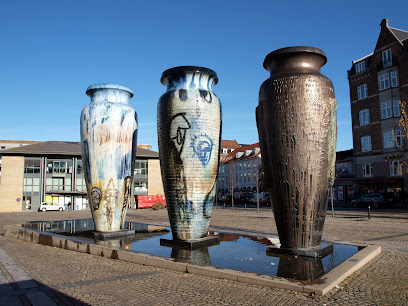
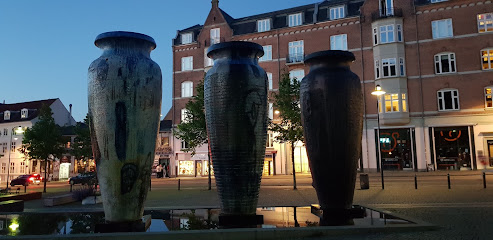
Roskildekrukkerne
1.5 km
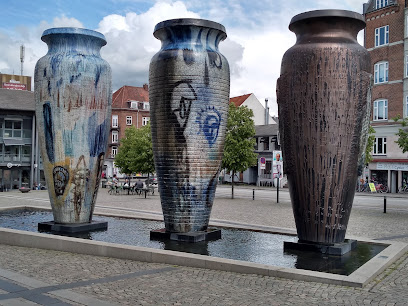
Three colossal ceramic jars rising from a mirrored basin transform Roskilde’s station square into an open-air monument to a thousand years of city history.
Skänk Beer & Wine bar
1.5 km
Experience Aarhus’ celestial heritage at the Ole Rømer Observatory, where history, culture, and astronomy converge for hands-on stargazing and exploration.
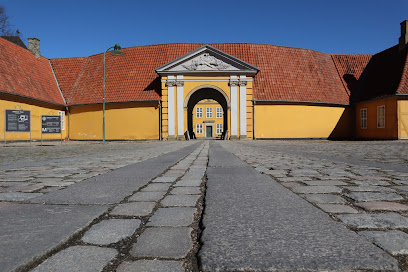
Det Kongelige Palæ i Roskilde
1.7 km
Baroque palace where Danish royalty met democracy, now a vibrant hub for art and culture.
Sct Hans Have
3.3 km
Explore Aarhus’ signature waterfront, where innovative architecture, lively promenades, and maritime history create Denmark’s most vibrant urban shoreline.
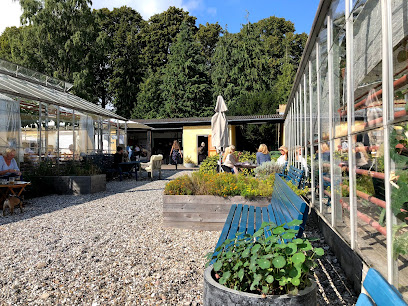
Masterhøj udsigtspost
4.8 km
Bronze Age mound commanding 360-degree views of Roskilde, fjord, and medieval heritage.
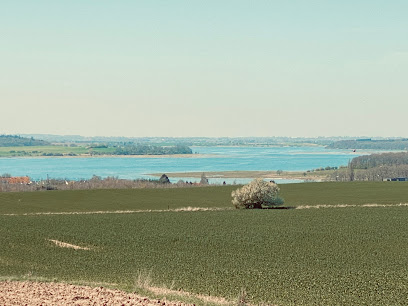
Køge Nord
15.3 km
A soaring timber‑lined footbridge and high‑speed rail hub turning everyday commuting into a slice of contemporary Danish architecture and panoramic landscape.
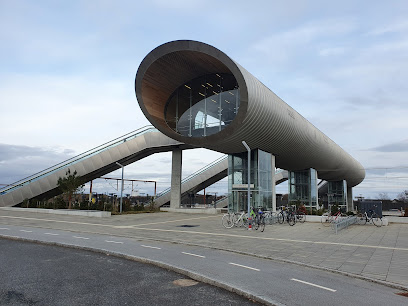
Køge Å
17.3 km
Explore Skagen’s maritime history with hands-on exhibits and live marine engines at Maskinrummet, an atmospheric museum in the heart of the harbour.
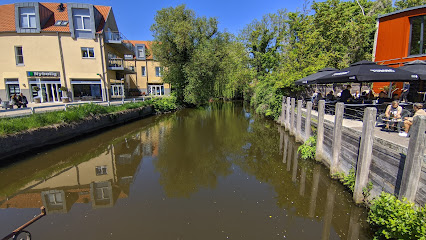
Køge Ås
18.3 km
Striking lighthouse at Denmark’s northern edge, offering panoramic views, interactive birdwatching, café, exhibitions, and a window into Skagen’s wild coastal nature.
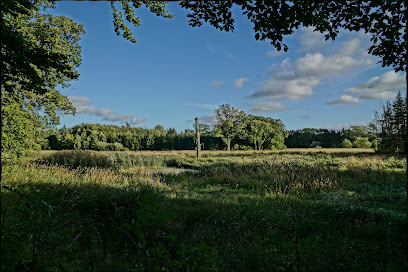
Ølstykke bypark - Bebyggelsen Søhøj Park ligger nord for byparken, fjern ALT med Søhøj også naturlegeplasen
18.6 km
Discover Ølstykke Bypark, a green haven offering tranquility and recreation in the heart of Ølstykke, perfect for families, nature lovers, and community events.
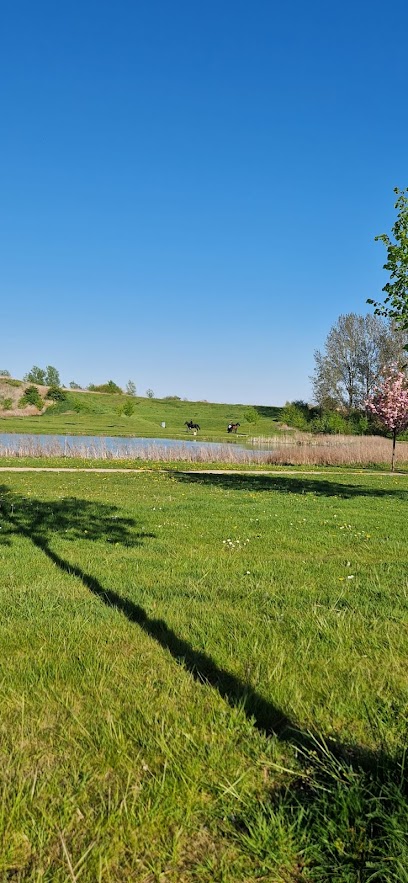
Bronzestien - Køge Ås
19.4 km
Stroll through ancient landscapes along Køge Ås, where prehistoric burial mounds and glacial history meet serene Danish woodlands near Køge.
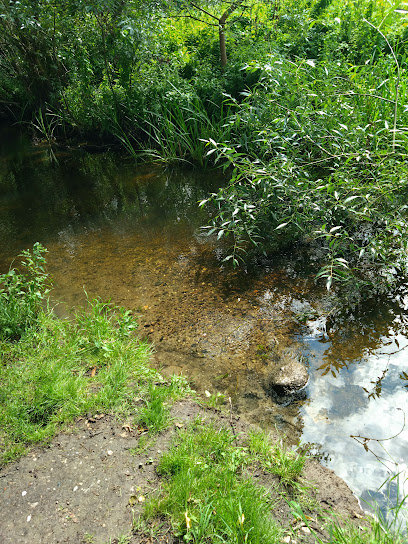
Gammel Køgegård
19.5 km
Discover the enchanting world of teddy bears at Skagen Bamsemuseum, a must-visit attraction in Denmark's northernmost town.
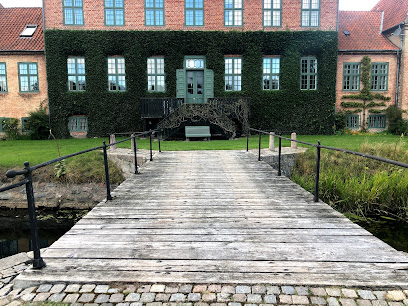
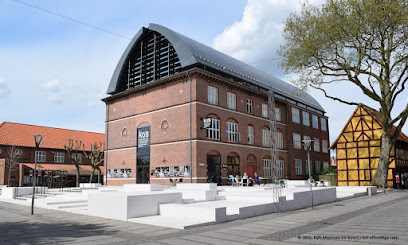
KØS Museum of Art in Public Spaces
19.8 km
A must-visit in Skagen, Denmark, the Bamsemuseum enchants visitors with a vast collection of teddy bears and playful exhibits, celebrating nostalgia and Danish culture.
Mindesten for Træskoslaget
19.8 km
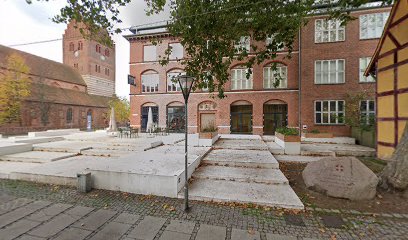
A modest memorial stone in central Køge marking the 1807 “Clogs Battle,” where local militia faced British troops during the turbulent Gunboat War.
Visit
19.8 km
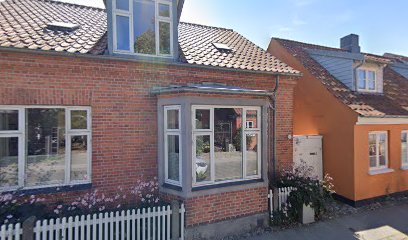
Historic lighthouse and bird observatory at Denmark’s northern tip, with panoramic sea views, interactive nature exhibits, and a vibrant café in wild coastal surroundings.
Køge Church
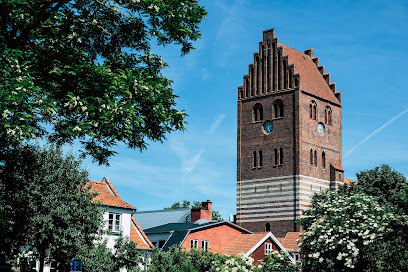
19.9 km
Medieval tower, Denmark's first lighthouse, baroque treasures in a historic port town.
Unmissable attractions to see

Rytmisk Musikforening Steps Ahead
0.1 km
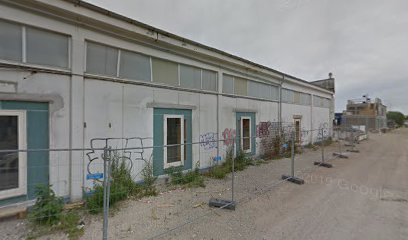
Volunteer-run jazz and world-music association energising Roskilde’s Musicon district with intimate concerts, creative collaborations and open jam sessions.
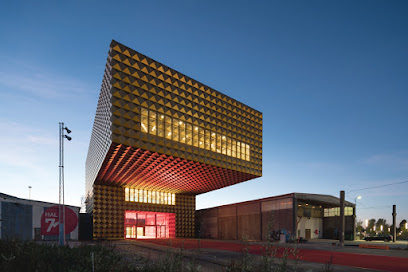
RAGNAROCK- Museet for pop, rock og ungdomskultur
0.1 km
A dazzling gold rock museum in Roskilde’s Musicon district where immersive sound, bold architecture and youth culture history collide in a full‑volume experience.
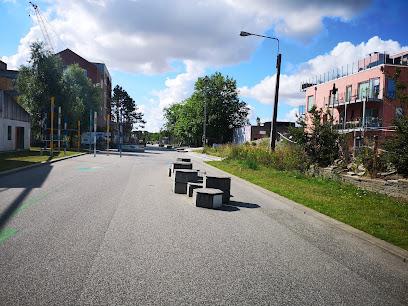
Musicon-bydelen
0.2 km
A former concrete factory reborn as Roskilde’s bold creative district, where architecture, skateparks, art and music fuse into a constantly evolving urban playground.
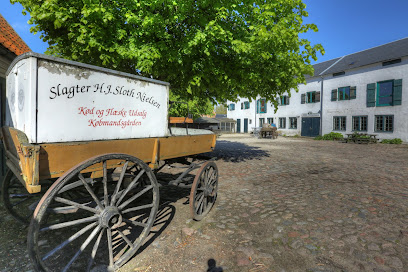
Håndværksmuseet
1.4 km
An intimate upstairs museum in historic Roskilde, where traditional woodcraft tools and workshops trace the journey from forest timber to finely made everyday objects.
Roskilde Jars
1.5 km
Monumental ceramic sculptures greeting you at Roskilde’s station square, the Roskilde Jars fuse ancient jar symbolism with bold contemporary public art.
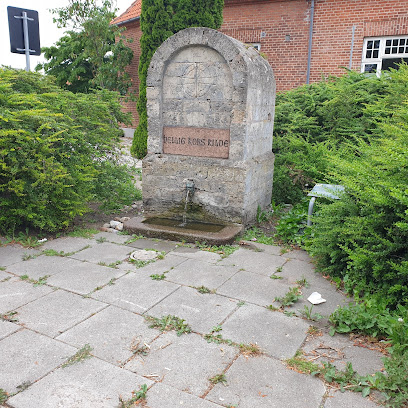
Helligkors Kilde
1.5 km
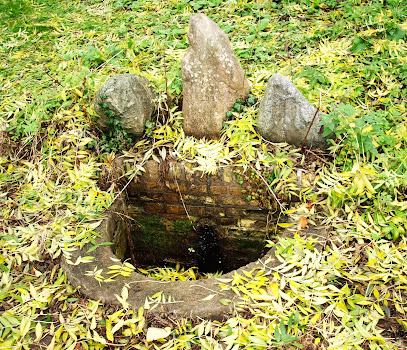
Once a famed holy spring and royal water source, Hellig Kors Kilde is now a quiet stone-framed reminder of Roskilde’s deep bond with its life-giving springs.
Ledreborg Allé (Ringstedvej), 4000 Roskilde, Dania
1.5 km
A long, tree-lined Baroque avenue stretching through rural Zealand, guiding travellers in stately symmetry towards the distant silhouette of Ledreborg Palace.

Hestebrønden
1.5 km
A bronze horse fountain anchoring busy Hestetorvet square, Hestebrønden blends everyday city life with a quiet nod to Roskilde’s horse market past.
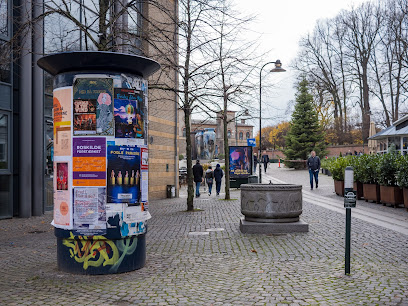
Skt. Laurentius
1.5 km
Step beneath Roskilde’s central square and up its historic tower for a compact journey through 900 years of church ruins, civic life and city views in one spot.
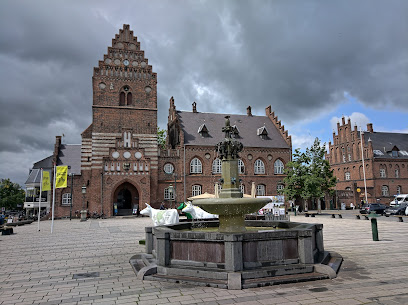
Stændertorvet
1.5 km
Historic heart of Roskilde where cathedral views, markets and daily city life meet on a broad, atmospheric square framed by shops, cafés and civic buildings.
Byens Hus
1.6 km
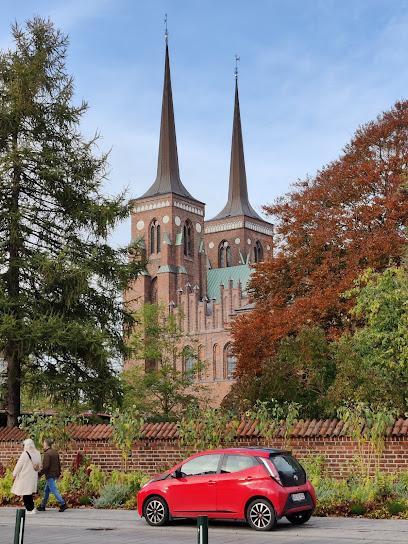
Community-powered civic townhouse in Roskilde’s old city hall, where history, democracy and everyday cultural life share the same welcoming rooms.
Roskilde Museum
1.7 km
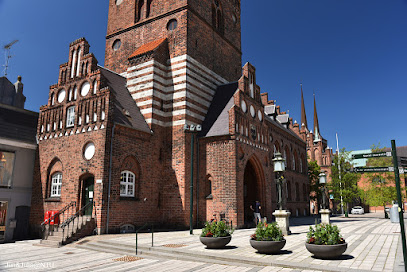
Denmark's premier city museum revealing a thousand years of history in two heritage buildings.
Domkirkemuseet
1.7 km
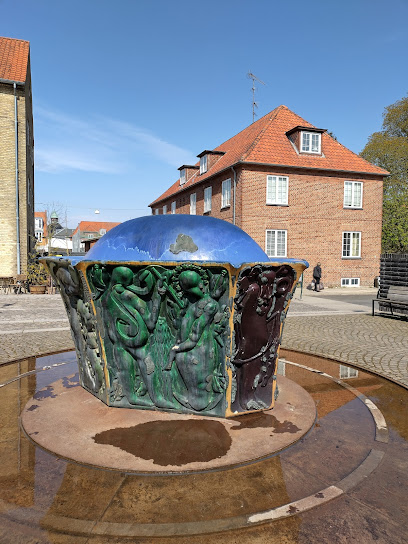
Intimate museum spaces inside Roskilde’s UNESCO-listed cathedral, revealing the hidden stories behind royal tombs, brick Gothic architecture and a millennium of Danish faith.
Roskilde Cathedral
1.7 km
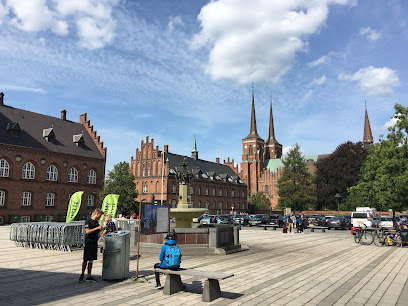
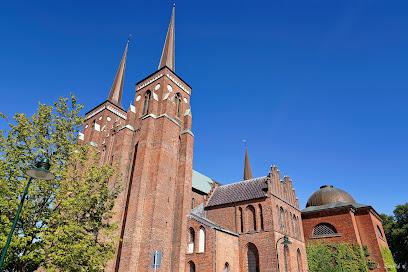
UNESCO-listed brick Gothic cathedral and royal mausoleum where a thousand years of Danish history, architecture and monarchy meet under soaring red-brick vaults.
Rektorkilden
1.7 km
Explore experimentation and innovation at Roskilde’s Museum of Contemporary Art, where cutting-edge exhibitions and performances illuminate the evolving world of modern art.
Essential places to dine

Leo’s Wok Café
0.2 km
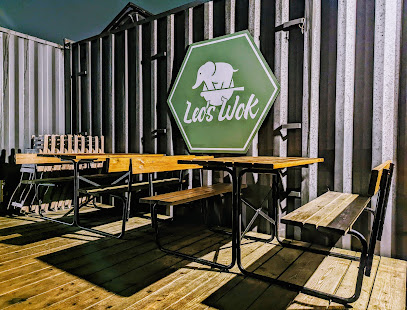
Cozy Thai eatery in Roskilde’s Musicon district, serving fresh wok-fired curries, noodles and stir-fries inspired by northern Thai home cooking.
Primo Piano
1.1 km
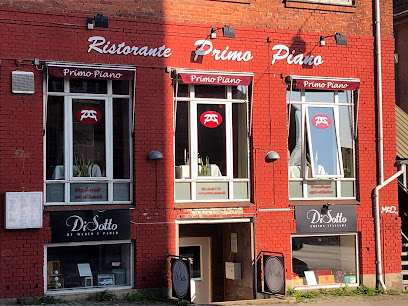
Cosy neighbourhood Italian in Roskilde serving classic pizzas and hearty pastas in a warm, unpretentious setting just a short walk from the historic centre.
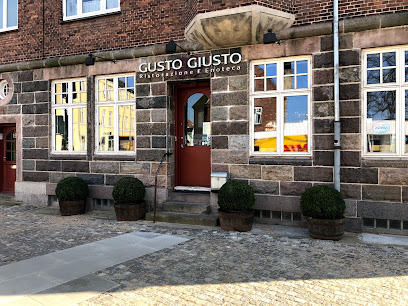
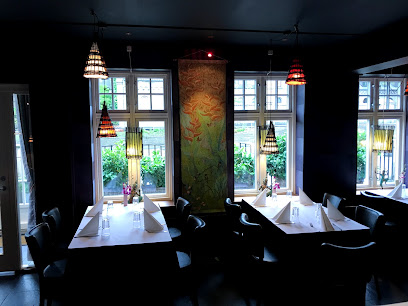
Gusto Giusto
1.1 km
Organic-minded Italian fine dining in a tiny Roskilde townhouse, where a Danish–Italian couple serves northern Italian cuisine, careful wine pairings and slow, candlelit evenings.
Østens Perle
1.1 km
Casual Thai restaurant in Roskilde serving generous, cooked‑to‑order curries, stir‑fries and noodles in a warm, relaxed setting with both dine‑in and takeaway.
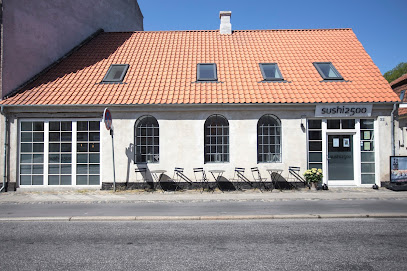
Sushi2500 Roskilde
1.2 km
Central Roskilde’s contemporary sushi spot, serving classic rolls, playful signatures and vegan options in a relaxed, takeaway‑friendly setting.
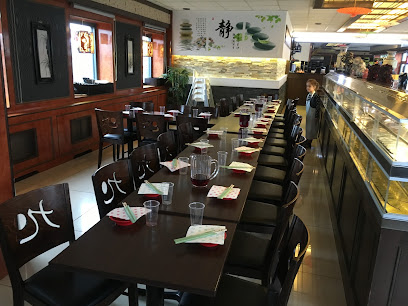
King Running Sushi & Wok
1.2 km
Rotating sushi and wok dishes in a spacious, interactive dining experience in central Roskilde.
SOHO Roskilde food·lounge·music
1.3 km
Lively Roskilde hotspot where seasonal comfort food, cocktails and late-night DJ sets come together in one central restaurant, lounge and club space.
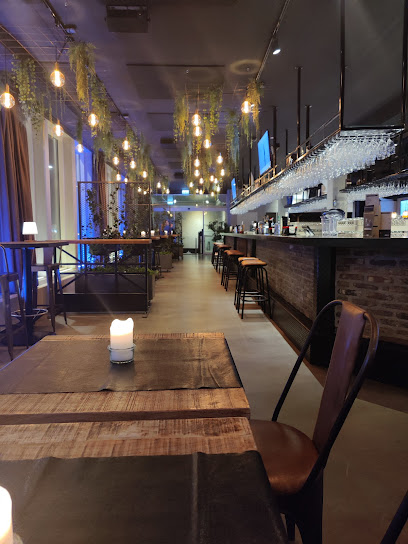
Nua Mama's Secret
1.4 km
Cozy Thai dinners with generous curries, sizzling stir-fries and vegan-friendly options in the historic streets of central Roskilde.
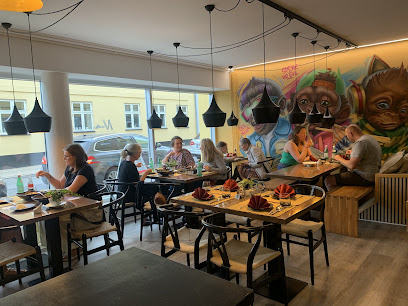
Bella-Capri Restaurant-Pizzaria
1.4 km
Unpretentious Italian comfort food in the heart of Roskilde, serving generous pizzas and hearty mains in a relaxed, family-friendly neighbourhood setting.
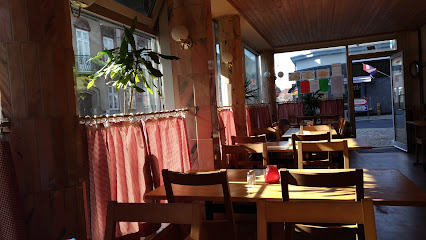
Noahs Roskilde
1.4 km
Tech-forward multi-brand dining hub by Roskilde Station, serving app-ordered comfort dishes and takeaway from several virtual restaurant concepts under one roof.

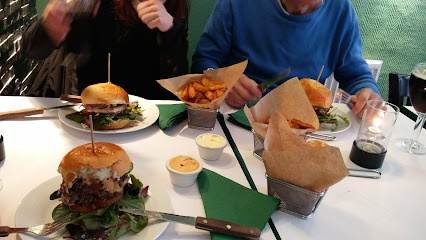
Burgerkilden
1.4 km
Compact neighbourhood burger bar in central Roskilde, serving house‑made gourmet burgers, fresh buns and fries with a relaxed, local feel and vegan options.
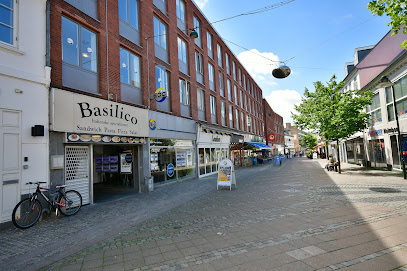
Basilico
1.5 km
Casual Italian comfort and generous pizzas in the heart of Roskilde’s old town, ideal for a relaxed, family‑friendly break between cathedral and shopping.
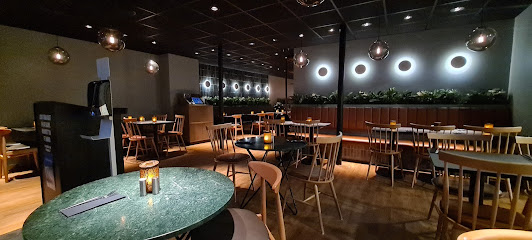
Café A Roskilde
1.5 km
Casual all‑day café on Roskilde’s main square, serving familiar brunch plates, burgers and drinks with outdoor seating and easygoing atmosphere in the historic center.
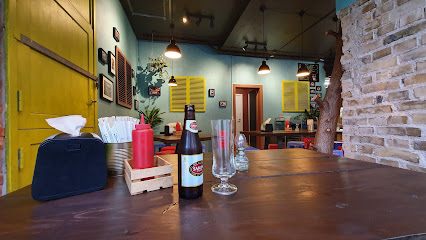
An No
1.5 km
Authentic Vietnamese street food in Roskilde, serving fresh homemade dishes from scratch with genuine Saigon spirit.
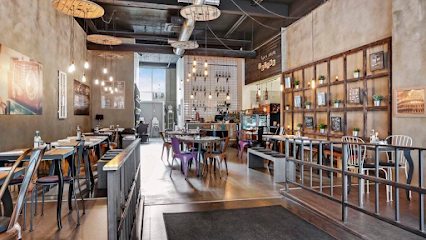
Restaurant That's Amore
1.5 km
Cozy, candlelit Italian restaurant in central Roskilde, serving wood-fired pizzas, hearty pasta and Italian wines in a warm, romantic yet relaxed setting.
Markets, malls and hidden boutiques

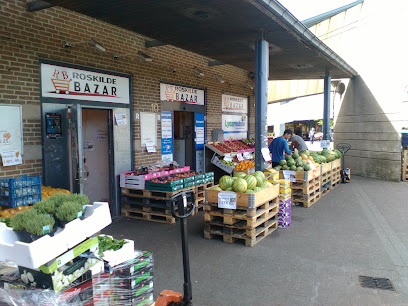
Ros Bazar
1.2 km
Bustling local bazaar-style supermarket by Roskilde Station, packed with fresh produce, spices and everyday groceries for a taste of everyday Danish city life.
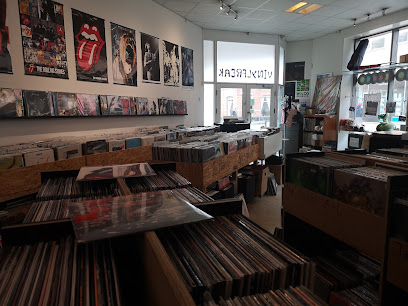
Vinylfreak
1.5 km
Characterful Roskilde record shop where packed crates, local music stories and thousands of new and used titles turn casual browsing into a slow, satisfying dig.
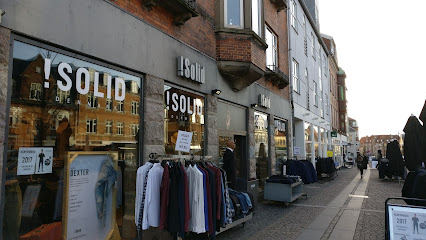
Perssons Roskilde
1.5 km
Contemporary fashion in the heart of Roskilde's historic shopping district.
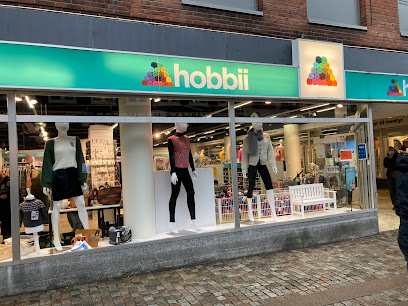
Hobbii
1.5 km
Denmark's premier yarn destination where creativity meets expert guidance and community.
Boutique Dedenroth v / Helle Dedenroth
1.5 km
Owner-run women’s fashion boutique on Roskilde’s central square, offering curated, timeless clothing and a relaxed, personal shopping experience.
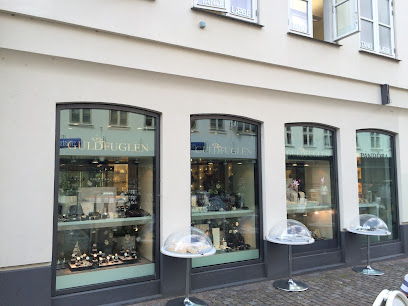
Guldfuglen A/S
1.5 km
Traditional Roskilde jeweller on lively Skomagergade, offering classic jewellery, watches and personal service in a calm, central setting.
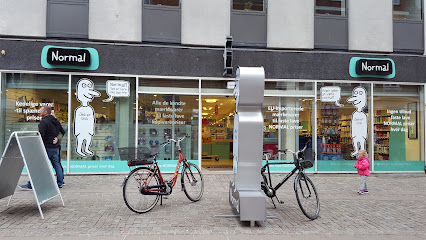
Normal
1.5 km
Brand-name products at unbeatable prices in central Roskilde's premier discount store.
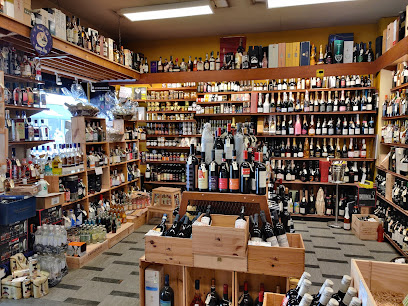
Den franske vinhandel
1.5 km
Historic Roskilde wine merchant with a cavernous cellar, freshly roasted coffee and gourmet treats, turning a simple shopping stop into a richly flavoured experience.
Bog & Idé
1.5 km
Central Roskilde’s cozy book and gift shop, where classic Danish bookselling meets games, stationery and everyday essentials on historic Stændertorvet.
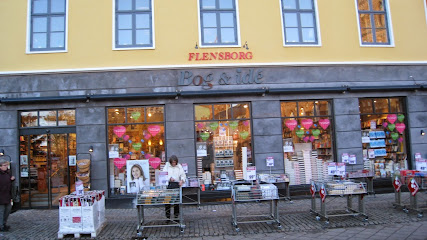
Inspiration Roskilde
1.5 km
Scandinavian home inspiration in the heart of historic Roskilde's shopping district.
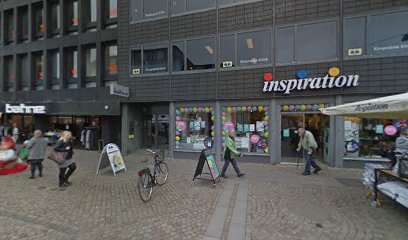
Imerco
1.5 km
Bright, well-stocked Danish homeware and kitchen store on Roskilde’s main pedestrian street, perfect for practical buys and design-led souvenirs in one easy stop.
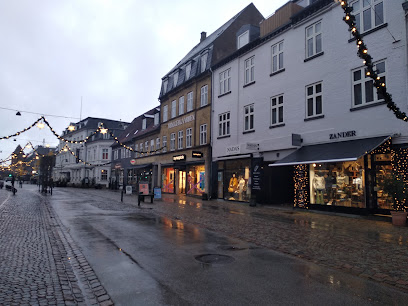
Friluftsland
1.5 km
Specialist outdoor shop in central Roskilde, equipping you with quality clothing, footwear and gear for Scandinavian weather, local escapes and longer adventures.
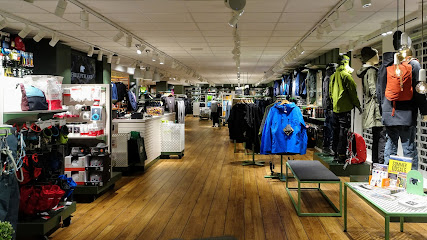
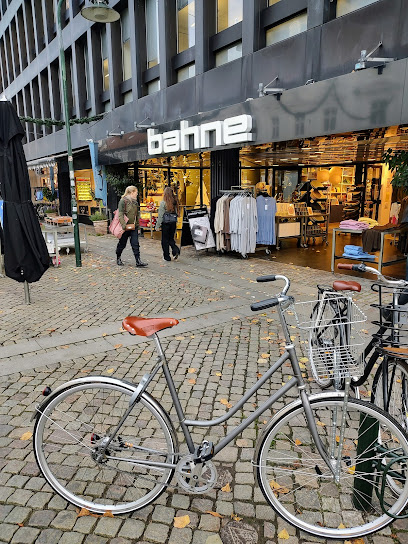
Bahne
1.5 km
Scandi-chic fashion, interiors and gifts gathered under one roof on Roskilde’s main shopping street, blending everyday practicality with laid-back Danish style.
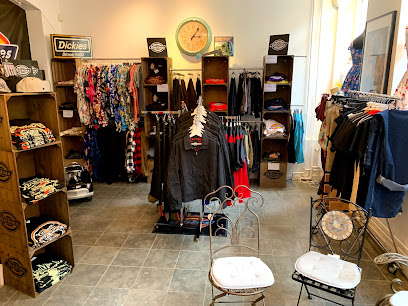
Lili-Marleen
1.5 km
A colourful Roskilde boutique where rockabilly swing dresses, gala gowns and vintage-inspired accessories outfit every generation for life’s most festive moments.
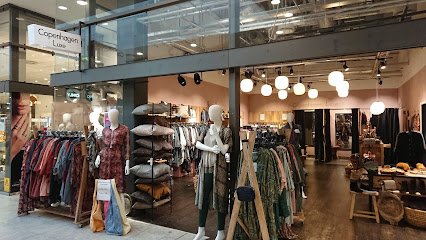
Copenhagen Luxe Roskilde
1.5 km
Curated Scandinavian fashion in natural materials on Roskilde's pedestrian shopping street.
Essential bars & hidden hideouts

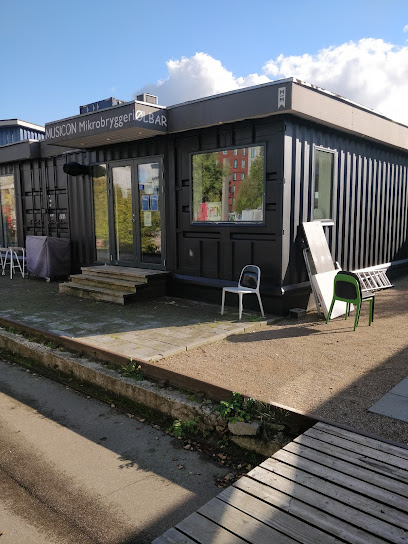
Musicon Mikrobryggeri
0.2 km
Local craft beer, stainless-steel tanks and live music energy in the heart of Roskilde’s creative Musicon district.
Vinbaren Muicon
0.2 km
An intimate wine bar in Roskilde’s Musicon district, pairing cozy Nordic warmth with a curated wine list and relaxed, conversation-friendly vibes.
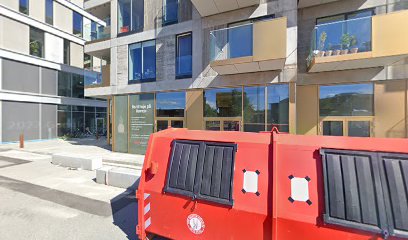
Charlie Chaplin
1.0 km
An unfussy neighbourhood bar in Roskilde, Charlie Chaplin pours cold beers and warm conversation in a relaxed local bodega setting far from the city’s tourist crowds.
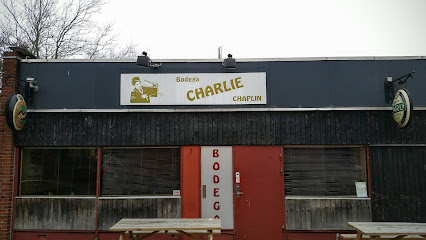
Roskilde Bodega
1.2 km
Classic Danish corner bar on Holbækvej with pool, darts, slot machines and a lively local crowd, offering an unpolished, authentic bodega atmosphere from day to late night.
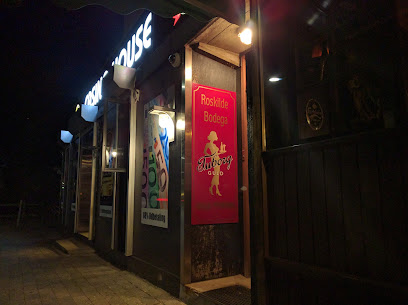
28 Live
1.3 km
A lively “youth club for adults” in central Roskilde, blending bar, games, live shows, sport and nightclub energy under one sociable roof.
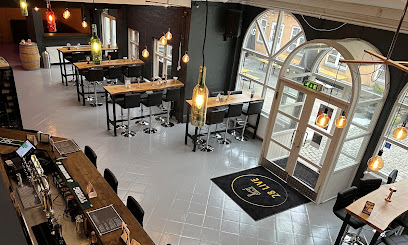
Gustav Wieds - Byens Ølbar
1.3 km
Craft-focused neighbourhood beer bar in central Roskilde, combining eight rotating taps, a cosy wooden interior, jukebox tunes and billiards in a relaxed local atmosphere.
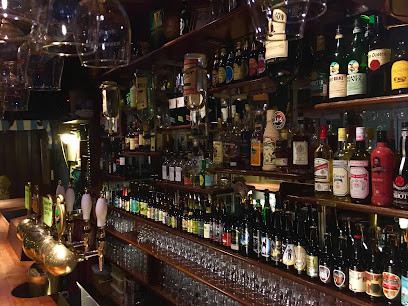
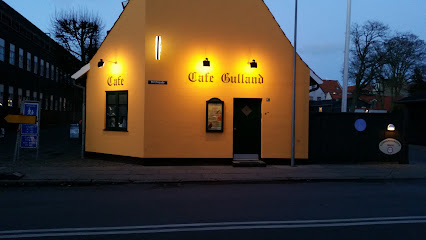
Gullanden
1.4 km
An unpretentious Roskilde pub with darts, DJ nights, cold beer and a loyal local crowd, where evenings stretch easily into the early hours.
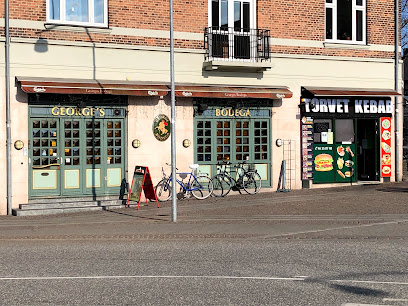
Georges Bodega
1.4 km
Old-school Danish bodega at Roskilde’s Hestetorvet, pouring cold beer from morning to late night with indoor smoking, local regulars and station-square views.
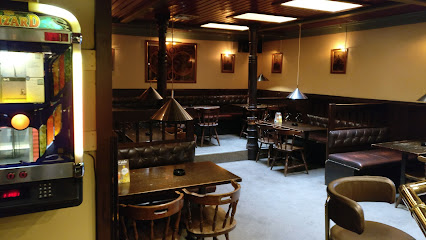
Ruder Konge Bodega
1.5 km
A timeworn Danish bodega in central Roskilde, offering cheap beer, pool tables and unpretentious pub life just off the city’s main pedestrian street.
PROP Vin og Tapasbar
1.5 km
Intimate Roskilde wine bar pairing curated bottles with Mediterranean-inspired tapas in a candlelit room and sheltered courtyard, strictly for a relaxed 25+ crowd.
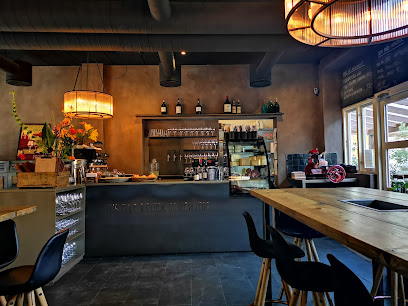
Copé Lounge
1.5 km
Urban lounge bar by Roskilde’s main square, blending backyard summer vibes, easygoing cocktails and cosy Danish hygge late into the night.
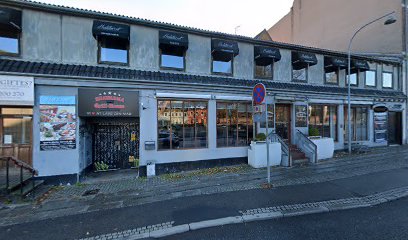
Klosterkælderen
1.5 km
Roskilde's premier craft beer cellar with 200+ beers and authentic Danish pub charm.
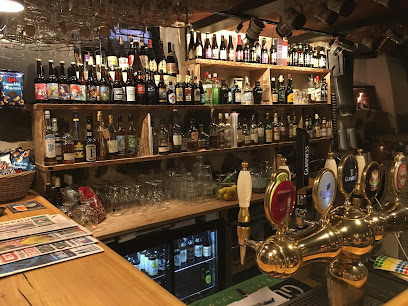
PAUSE
1.5 km
Intimate wine and beer bar in Roskilde's historic center, celebrating Nordic hospitality and craft beverages.
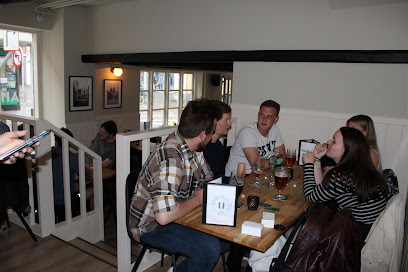
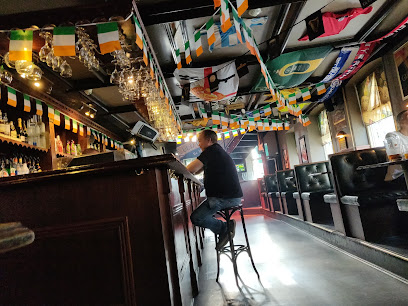
Mulligans Irish Pub
1.5 km
Authentic Irish pub in two storeys with live music, craft beers, and vibrant social atmosphere in central Roskilde.
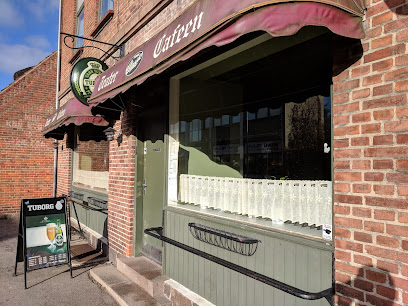
Teatercaféen
2.2 km
Unpretentious local beer hall in Roskilde where everyday life, cheap drinks and warm conversation matter more than design or trends.
Nightclubs & after hour spots

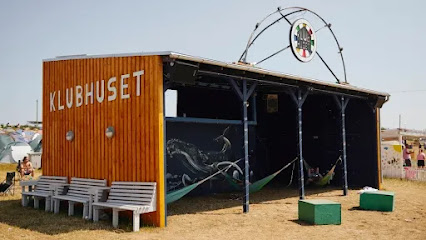
Klubhuset
1.3 km
Low-key local clubhouse turned disco-style nightspot, where a simple bar, small dance floor and regulars’ vibe create relaxed, unpretentious nights in Roskilde.
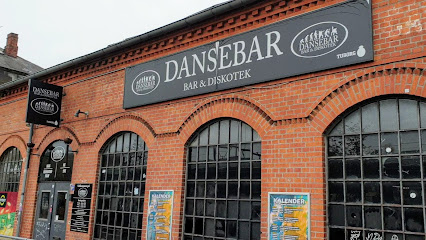
Dansebar Roskilde
1.3 km
Roskilde's premier multi-floor nightclub with dual dance spaces, three bars, and DJ-driven energy until dawn.
Garbos Roskilde
1.3 km
Cozy neighborhood nightclub in central Roskilde, blending casual bar vibes with a compact dance floor and late-night weekend energy on Hersegade.
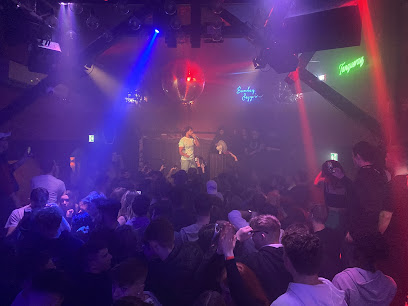
Tropicana DC
1.3 km
Compact Latin-flavoured nightclub on Roskilde’s industrial edge, delivering loud beats, simple drinks and a late-night dancefloor focused purely on partying.
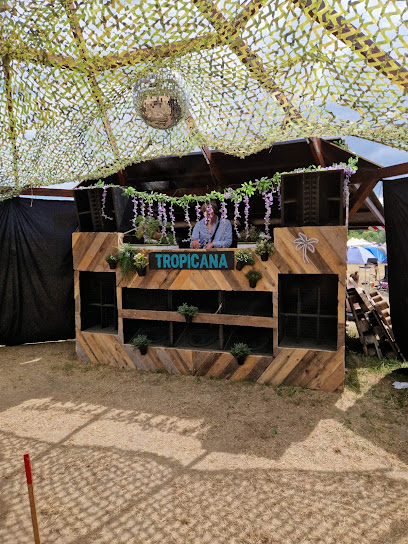
Danseriet
1.5 km
Frivilligdrevet danseklub i Roskilde med stort dansegulv, livebands og hyggelig stemning for danseglade gæster på tværs af aldre og niveauer.
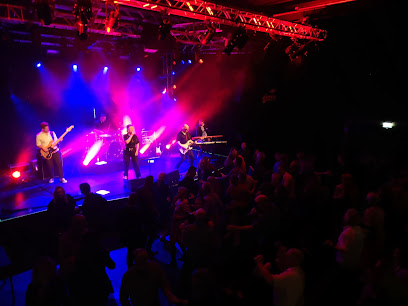
Den Dansende Viking
17.0 km
High-energy suburban nightclub in Egedal Centret, serving packed dance floors, late-night DJ sets and budget-friendly drinks for party-focused weekends.
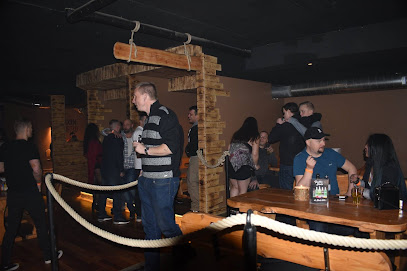
The Flame
20.4 km
Compact, high-energy nightclub by Køge’s harbor, serving up youthful beats, live acts and weekend dance-floor vibes in an intimate, no-frills setting.
LUSIO
20.4 km
Compact harbor-side nightclub in Køge with late Friday hours, a tight dance floor, and an intimate, no‑frills setting for Danish weekend nights out.
Bloom Nightclub
20.4 km
Late-night harborfront beats and a compact dance floor bring big-night energy to small-city Køge every Friday and Saturday.
Club El Diablo
28.6 km
Adults-only entertainment venue offering a discreet, welcoming atmosphere for private social experiences.
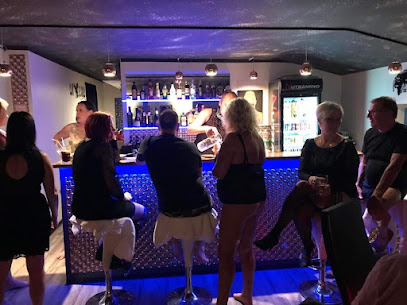
Haven - Events
28.8 km
Discover the electrifying nightlife at Haven, Frederiksberg's top night club, where music, dance, and fun come together for an unforgettable experience.
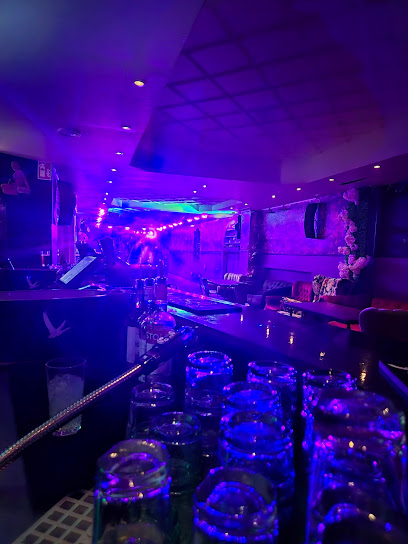
Falafelberg
28.9 km
Discover the pulsating nightlife of Frederiksberg at Falafelberg, a night club offering delicious falafel and electrifying music for an unforgettable experience.
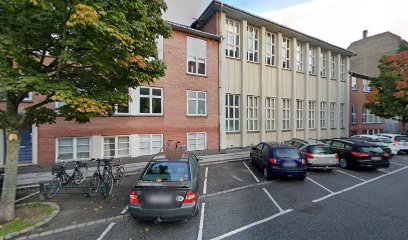
Afrobeat Palace Nightclub
29.5 km
Discover the energetic Afrobeat Palace Nightclub in Copenhagen, where music, dance, and multicultural vibes unite for an unforgettable nightlife experience.
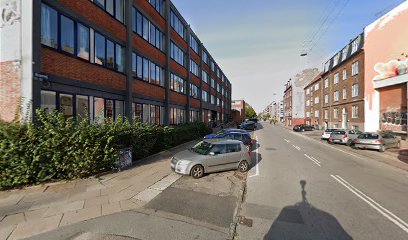
The Union
30.2 km
Discover the vibrant nightlife at The Union, Copenhagen's premier night club offering electrifying music and an unforgettable experience.
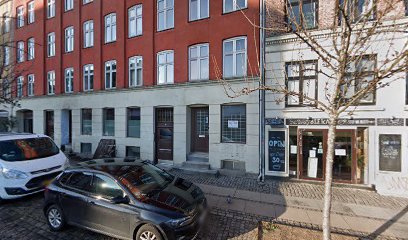
KB3
30.2 km
Discover the pulse of Copenhagen's nightlife at KB3, a lively night club in Vesterbro offering unforgettable music and vibrant experiences.
For the vibe & atmosphere seeker
- Scenic
- Unique
- Casual
- Boutique
- Quirky
For the design and aesthetic lover
- Modern Designs
- Minimalist Designs
For the architecture buff
- Art & Design
- Heritage Neighborhoods
- Landmarks
For the view chaser and sunset hunter
- Iconic Views
- Panoramas
For the social media creator & influencer
- Instagrammable
- Photo Spots
- Reel-Friendly
- Architectural Shots
For the eco-conscious traveler
- Low Impact
- Public-Transport Accessible
- Locally Managed
For the kind of experience you’re after
- Cultural Heritage
- Photowalk
- Adventure Photo Shoot
- Day Trip
- Festival / Event Nearby
For how adventurous you want the journey to be
- Easy Access
Location Audience
- Family Friendly
- LGBT Friendly
- Senior Friendly
- Child Friendly
- Teen Friendly
- Wheelchair Access
- Solo Friendly
- Couple Friendly
- Solo Female Friendly
- Business Friendly


