

Ofelia Plads, Køge Travel Guide
Free Guide: A vast, minimalist harbourfront square where Copenhagen’s modern culture, open water and everyday city life flow together in one flexible outdoor stage.


A brief summary of Ofelia Plads
A vast, minimalist harbourfront square where Copenhagen’s modern culture, open water and everyday city life flow together in one flexible outdoor stage.
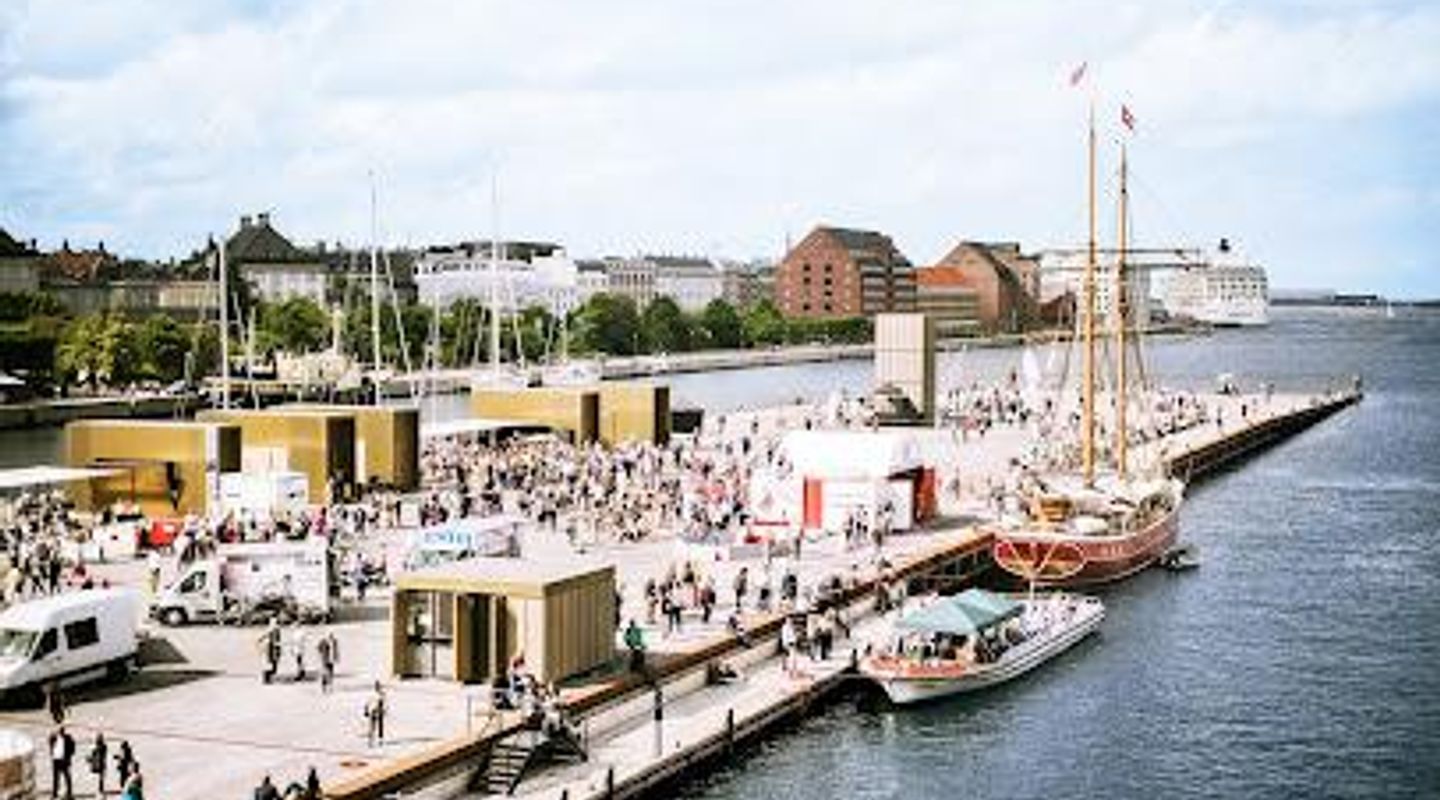
Ofelia Plads is a wide, modern waterfront square on Kvæsthusbroen in central Copenhagen, stretching out into the harbor between Nyhavn and Amalienborg. Built on a former industrial pier and completed in 2016, it’s now a cultural stage for open-air theatre, concerts, art installations and sports screenings, framed by the Royal Danish Playhouse, harbor views and minimalist “kissing stairs” that cascade towards the water, inviting you to linger in almost any season.
On-site amenities
 Restrooms
 Drink options
 Drinking water
 Food options
 Seating areas
 Sheltered areas
 Trash bins
 Information boards
Opening hours
- Every day6 am–10:30 pm
Opening hours as listed on the venue’s Google Business Profile. Hours can change for services and special events, so check with the venue before you go.
- Address
- Kvæsthusbroen, 1250 København
- Phone
- Website
Getting there
Metro from central Copenhagen
City bus to the waterfront
Bicycle from inner-city neighbourhoods
Harbour bus connection
Discover more about Ofelia Plads
Harbourfront square where the city meets the water
Ofelia Plads unfolds as a broad, flat pier that seems to glide out into Copenhagen’s inner harbour, with uninterrupted views across to the Opera House and the low silhouettes of passing ferries. Once an industrial quay, Kvæsthusbroen has been reshaped into a 13,000‑square‑metre public square, all clean lines, pale stone and open sky. The sense of space is striking in such a central location: there are few barriers or structures, just the long edge of the water and the city’s landmarks gathered around it.This openness is deliberate. The square is designed as a flexible urban living room rather than a fixed monument, a place that can hold a quiet weekday stroll just as easily as a large-scale celebration. Standing here, you can orient yourself easily: the Royal Danish Playhouse anchors one side, Amalienborg and the marble dome of Frederik’s Church sit just inland, and the masts and facades of Nyhavn are only a short walk away.
From temporary beach to permanent cultural stage
The story of Ofelia Plads begins in 2010, when the pier was temporarily transformed into “Ofelia Beach”, an experiment to see whether a bare piece of harbour infrastructure could become a cultural magnet. For three years, the space hosted free open-air ballet, football on big screens and summer concerts. The experiment worked so well that a permanent redesign followed, culminating in the completed square in 2016.Today, the pier functions as a versatile outdoor stage throughout the year. Giant screens return for international football tournaments, jazz bands and classical ensembles play against the backdrop of the harbour, and contemporary art installations occasionally reshape the space with light, sound or playful structures. Seasonal highlights can include midsummer bonfires for Sankt Hans on 23 June, when flames reflect in the water and the square fills with music and the scent of smoke.
Everyday life on the kissing stairs
Outside of headline events, Ofelia Plads feels like a generous extension of the city’s sidewalks. The most distinctive feature is the broad cascade of steps often nicknamed the “kissing stairs”, which run along the water’s edge. Here people sprawl with books, share takeaway coffees or simply watch the continuous choreography of harbour buses, kayaks and tour boats sliding by.On calm days the square becomes an outdoor office for laptop workers and a playground for children on scooters. Cyclists roll quietly through, and you might notice locals using the long, smooth surfaces for informal workouts or dance practice. Food and drink kiosks in golden pavilions appear in the warmer months, serving simple meals, ice cream and cold drinks that you can carry back to the steps or low platforms scattered across the pier.
Architecture, light and ever-changing views
Ofelia Plads is also a showcase for Copenhagen’s recent waterfront architecture. The Royal Danish Playhouse, with its dark brick, glass and copper detailing, rises directly from the pier, and after sunset its warm interior light spills out over the square. Across the water, the Opera House frames the horizon, while taller buildings of the modern city peek in from a distance, giving photographers strong lines and layered perspectives.The square is particularly atmospheric in the golden hours. On clear evenings the setting sun washes the stone surfaces with soft color, and reflections ripple across the harbour. In winter, low Nordic light and cooler tones give the space a different drama, with mist, snow or frost subtly altering its character. Because the design is so minimal, even small shifts in weather or light feel amplified.
Canal tours, harbor life and seasonal contrasts
Ofelia Plads is also a practical gateway to the water. Canal cruise operators use the pier as a departure point for sightseeing trips around the harbour and inner canals, so boats regularly pull in and out, adding gentle bustle. Harbour buses shuttle to other neighbourhoods, underlining how integrated this space is with the city’s everyday mobility.Summer brings the liveliest atmosphere, with outdoor bars, events and long, bright evenings that encourage lingering. On warm days the temptation to dip into the harbour is strong, though dedicated swimming zones are located elsewhere along the waterfront and should be used instead. In colder months the programming shifts towards fewer, more dramatic events, and in between you may find the square almost meditative, with only the slap of water against the pier and the distant hum of the city as soundtrack.
How to experience Ofelia Plads at your own pace
Ofelia Plads invites different kinds of visits. You can easily spend half an hour here, pausing with a coffee between nearby museums and palaces, or settle in for several hours during a major event. It works equally well as a solo refuge for quiet harbour contemplation and as a meeting point before exploring Nyhavn or joining a canal cruise.Whatever the length of your stay, it is worth taking a slow walk from one end of the pier to the other, noticing how the views shift and how the open design subtly nudges you toward the water. With its blend of contemporary urban planning, cultural programming and simple pleasure in being by the sea, Ofelia Plads has become one of the clearest expressions of Copenhagen’s relationship with its harbour.
Evendo Review Centre
 Google
Guest reviews
Best time to go
Quietest: Jan, Feb & Mar · before 6am
Busy times are Evendo estimates for a typical year, to help you plan. Actual crowds vary with events, school holidays and the weather.
Explore Ofelia Plads on the map
A handpicked selection of must-see spots near Ofelia Plads, mapped for you.
Get your free copy of our complete guide to Ofelia Plads, delivered straight to you.
Everything on this page, from opening hours and how to get there to Eve’s tips and the best time to go, in one PDF you can read offline, print or share.
Already have an account? Sign in
Your Ofelia Plads guide is ready.
We'll send it to · Not you? Sign out

Getting your guide ready…
We are putting together a fresh copy of the Ofelia Plads guide. This can take up to a minute.
This can take a few moments. If your browser asks, choose Allow so the download can start. You'll find the guide in your Downloads folder.
Nothing happened? Download it again
Sorry, the guide is taking longer than usual. Please try again in a minute, or get it by email instead.
Unlock the best of Ofelia Plads
Skip-the-line tickets, guided tours with entry, and walking tours of the area, booked in a few clicks.


Other nearby places you may find interesting
The closest places of the same kind, if this one is not quite what you had in mind.
-
Køge Miniby Step into Køge’s past at 1:10 scale, where hand-built model houses, harbour scenes and church spires recreate the market town of 1865 in a tranquil seaside garden.
-
Køge Museum Time‑travel through Køge’s past inside a 17th‑century merchant’s house where Viking treasures, buried secrets and a tranquil courtyard meet in one intimate museum.
-
Ølsemagle Revle A shifting sandbar of shallow lagoons, rich birdlife and wide sandy beaches, where Køge’s urban edge gives way to one of Zealand’s most evocative coastal nature reserves.
-
Solgårdsparken Romantic coastal park between Køge Bay and Tryggevælde River, where historic garden design, tranquil nature, play areas and reflective audio stories meet in one green retreat.
-
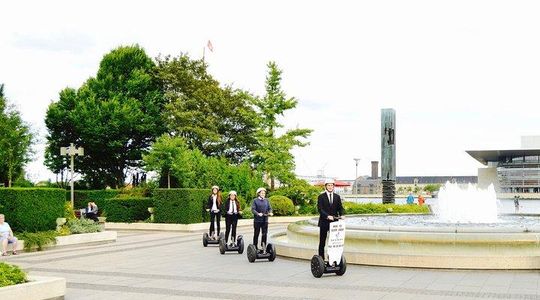
Vandkunsten - Stationspladsen A sculptural fountain anchoring Køge’s station square, where moving water, stone and light turn a busy transport hub into an inviting urban meeting place.
Swipe for more places
More to explore near Ofelia Plads

 Best experiences near Ofelia Plads
 Best hotels near Ofelia Plads
 Best landmarks near Ofelia Plads
 Best attractions near Ofelia Plads
 Best shops near Ofelia Plads
 Best restaurants near Ofelia Plads
 Best bars near Ofelia Plads
Do you manage this location?
Take control to get all the benefits, like improved information, better appearance, and stronger visibility across AI-powered discovery.
Explore more
Explore more of Køge
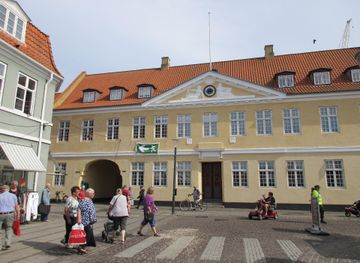
Explore Køge, Denmark's coastal gem, with its medieval charm, beautiful marina, and close proximity to the stunning Stevns Klint UNESCO World Heritage site.
Explore Køge
Explore more of Denmark
Discover Denmark: A perfect blend of history, modern design, and the cozy concept of hygge. Explore vibrant cities, serene landscapes, and world-class cuisine.
Explore Denmark
