

Øksnehallen, Køge Travel Guide
Free Guide: A vast former cattle hall turned industrial-chic event space, Øksnehallen anchors Copenhagen’s Meatpacking District with light-filled volume and ever-changing exhibitions.


A brief summary of Øksnehallen
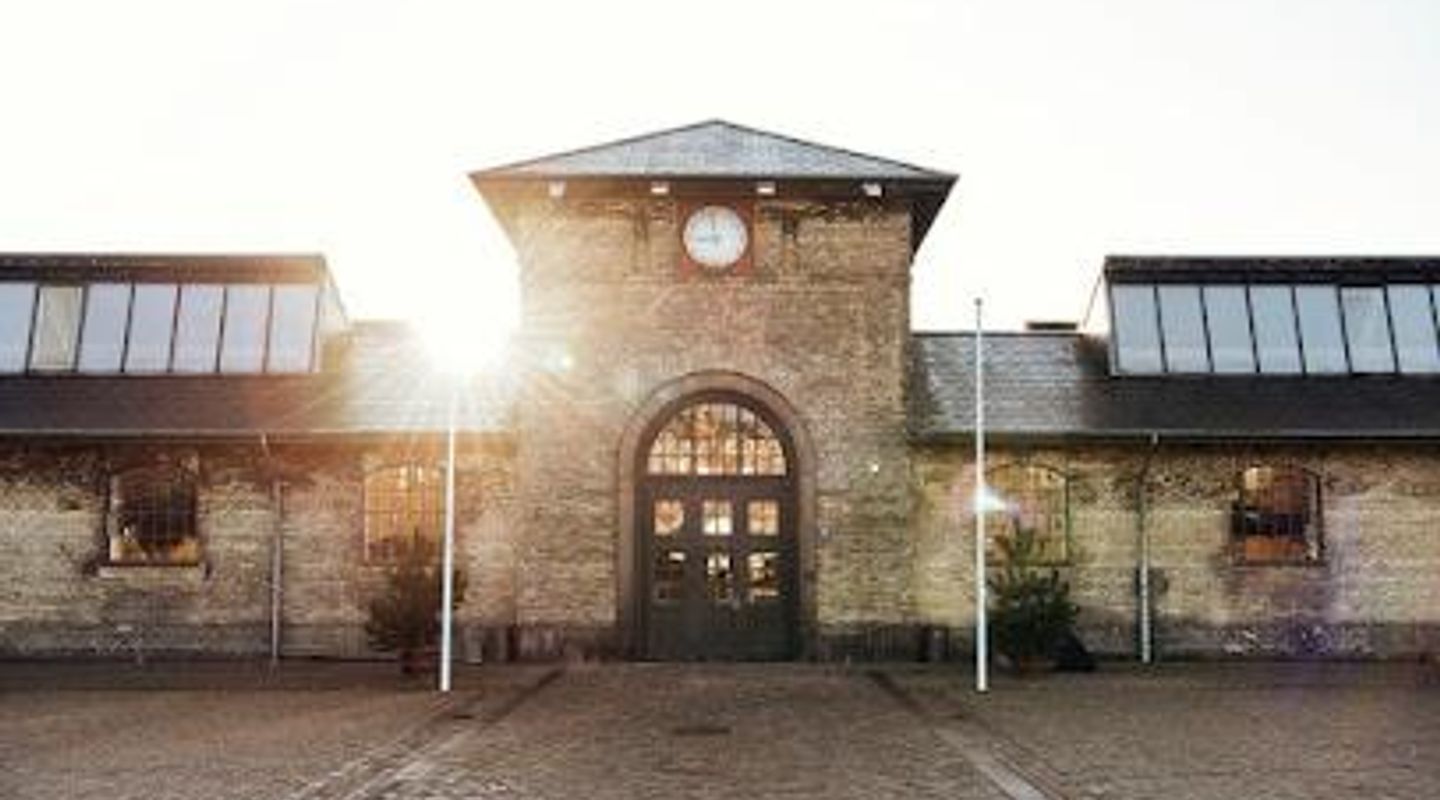
A vast former cattle hall turned industrial-chic event space, Øksnehallen anchors Copenhagen’s Meatpacking District with light-filled volume and ever-changing exhibitions.
Set on Halmtorvet in Copenhagen’s vibrant Vesterbro district, Øksnehallen is a vast, atmospheric event hall that blends industrial heritage with contemporary culture. Built in the early 1900s as a cattle market serving the Meatpacking District, the 5,000+ m² space now hosts art exhibitions, design fairs, food festivals, gaming events, conferences and markets beneath lofty steel beams and generous skylights. Its raw brick walls, cast-iron columns and flexible open floor make it one of the city’s most distinctive urban venues.
On-site amenities
 Restrooms
 Drink options
 Food options
 Seating areas
 Trash bins
 Information boards
Opening hours
- Mon9 am–4 pm
- Tue9 am–4 pm
- Wed9 am–4 pm
- Thu9 am–4 pm
- FriClosed
- SatClosed
- SunClosed
Opening hours as listed on the venue’s Google Business Profile. Hours can change for services and special events, so check with the venue before you go.
- Address
- Halmtorvet 11, 1700 København
- Phone
- Website
Getting there
Train and short walk from Copenhagen Central Station
City bus to Vesterbro area and walk
Bicycle from central Copenhagen
Taxi or rideshare within the city
Discover more about Øksnehallen
From Cattle Hall to Cultural Powerhouse
Øksnehallen began life in the early 20th century as part of Copenhagen’s Meatpacking District, purpose-built to stable slaughter cattle arriving into the city. Designed by architect Ludvig Fenger and completed in 1901, the building was one component in a broader complex of market halls that kept the capital fed and fueled during the industrial age. Its long, rectangular footprint and rhythm of cast-iron columns were engineered for function: animals needed space, air and robust flooring.As the meat industry modernised and moved away from central Copenhagen, the old market halls gradually lost their original role. Rather than demolish them, the city chose to preserve this slice of working-class heritage. In the mid-1990s, as Copenhagen celebrated its turn as European Capital of Culture, Øksnehallen was converted into a contemporary exhibition venue. Much of the original shell remained, but the interior was adapted with lighting, infrastructure and acoustics suited to large events.
Industrial Architecture with Light and Volume
Stepping inside Øksnehallen, you are immediately struck by its impressive volume. The hall stretches over some 5,000 square metres in a single, column-lined space, with high ceilings and generous skylights flooding the interior with natural light. Rows of slender iron supports divide the floor into bays, creating a pleasing sense of rhythm without interrupting sightlines.The architecture retains a distinctly industrial character: exposed brick, metal trusses and unclad beams give the hall a raw, almost warehouse-like feel. This stripped-back backdrop is precisely what makes the venue so versatile. Clean floors, neutral walls and the absence of built-in seating allow organisers to sculpt the space into anything from a labyrinth of small stands to a vast open arena for performances, catwalks or banquets.
Events that Span Art, Commerce and Community
Today Øksnehallen is one of Copenhagen’s flagship indoor venues, hosting a broad spectrum of events across the year. Photography and design exhibitions have filled the hall with towering prints and installations, while technology and gaming conventions transform it into a buzzing playground of screens and stages. Fairs dedicated to food, beer, baby gear, crafts or fashion regularly take over the space, each using the neutral surroundings as a canvas for their own identity.The scale of the hall makes it suitable for conferences and congresses, with capacity for several thousand attendees in plenary setups, plus exhibition zones and catering areas. At other times, the atmosphere is more informal: flea markets, speciality tastings or niche hobby fairs invite slow browsing and people-watching beneath the high roof. While the specific programme changes frequently, the constant is the building itself, which quietly frames each new event.
At the Heart of Halmtorvet and the Meatpacking District
Øksnehallen stands directly on Halmtorvet, the elongated square that forms a gateway between Copenhagen Central Station and the Meatpacking District. Outside the hall, an oval water feature, open paved areas and pockets of greenery create breathing room amid the dense urban fabric. Cafés and restaurants line the edges of the square, spilling tables outdoors in warmer months, and giving visitors an easy place to linger before or after an event.Immediately behind Øksnehallen, the streets of the historic Meatpacking District unfold. Low industrial blocks in pale and dark brick are now home to bars, eateries, galleries and creative businesses, but their façades still bear traces of their working past. This setting adds an extra layer of interest: even when the hall itself is closed, the surrounding neighbourhood offers plenty to explore, from casual dining to late-night venues.
Visitor Experience Inside a Working Event Venue
Because Øksnehallen functions primarily as a hireable venue rather than a stand-alone attraction, the experience depends strongly on the event taking place. On busy fair days, you might queue briefly at the entrance before stepping into a lively world of stalls, stages and temporary signage, all laid out across the open floor. Lighting, sound and décor are tailored to the theme, so a design fair feels very different from a beer festival or a gaming tournament.Facilities typically include cloakrooms during larger events, basic seating zones, restrooms and access to food and drink either inside the hall or just outside on Halmtorvet. The flat floors and wide doors support step-free circulation for most visitors, and organisers often add wayfinding signs and information desks. Between events, the building can appear quiet from the outside, but its red-brick shell remains an evocative reminder of Copenhagen’s industrial heritage in the heart of Vesterbro.
Evendo Review Centre
 Google
Guest reviews
Best time to go
Quietest: Jan, Feb & Mar · before 8am or from 11pm
Busy times are Evendo estimates for a typical year, to help you plan. Actual crowds vary with events, school holidays and the weather.
Explore Øksnehallen on the map
A handpicked selection of must-see spots near Øksnehallen, mapped for you.
Get your free copy of our complete guide to Øksnehallen, delivered straight to you.
Everything on this page, from opening hours and how to get there to Eve’s tips and the best time to go, in one PDF you can read offline, print or share.
Already have an account? Sign in
Your Øksnehallen guide is ready.
We'll send it to · Not you? Sign out

Getting your guide ready…
We are putting together a fresh copy of the Øksnehallen guide. This can take up to a minute.
This can take a few moments. If your browser asks, choose Allow so the download can start. You'll find the guide in your Downloads folder.
Nothing happened? Download it again
Sorry, the guide is taking longer than usual. Please try again in a minute, or get it by email instead.
Unlock the best of Øksnehallen
Skip-the-line tickets, guided tours with entry, and walking tours of the area, booked in a few clicks.

Other nearby places you may find interesting
The closest places of the same kind, if this one is not quite what you had in mind.
-
-
-
-
-


Swipe for more places
More to explore near Øksnehallen

 Best experiences near Øksnehallen
 Best hotels near Øksnehallen
 Best landmarks near Øksnehallen
 Best attractions near Øksnehallen
 Best shops near Øksnehallen
 Best restaurants near Øksnehallen
 Best bars near Øksnehallen
Do you manage this location?
Take control to get all the benefits, like improved information, better appearance, and stronger visibility across AI-powered discovery.
Explore more
Explore more of Køge
Explore Køge, Denmark's coastal gem, with its medieval charm, beautiful marina, and close proximity to the stunning Stevns Klint UNESCO World Heritage site.
Explore Køge
Explore more of Denmark
Discover Denmark: A perfect blend of history, modern design, and the cozy concept of hygge. Explore vibrant cities, serene landscapes, and world-class cuisine.
Explore Denmark
