

Istedgade
Gritty, creative and endlessly watchable, Istedgade is Vesterbro’s main strip and Copenhagen’s classic showcase of everyday city life with an edge.
Istedgade is Vesterbro’s main artery and one of Copenhagen’s most characterful streets, stretching about a kilometre from Central Station to Enghave Plads. Once synonymous with the city’s red-light district, it has evolved into a lively mix of independent boutiques, vintage shops, relaxed cafés, craft beer bars, and late-night venues. You come here for edgy urban energy, people-watching and a slice of everyday Copenhagen that still feels delightfully untidy around the edges.
A brief summary to Istedgade
- Copenhagen, Vesterbro/Kongens Enghave, DK
- Duration: 1 to 4 hours
- Free
-
 Outdoor
- Mobile reception: 5 out of 5

Know before you go
Hi, I'm Eve. Here are a few practical things to know before exploring Istedgade.
- Start near Central Station and walk the full length to Enghave Plads to feel the shift from red‑light remnants to relaxed neighbourhood cafés and shops.
- Plan at least one daytime and one evening visit; the street’s café culture, shops and late‑night bars each shine at different hours.
- If you prefer to avoid adult venues, stay further west of the station end where the focus is more on food, boutiques and casual bars.
- Combine Istedgade with a detour to the nearby Meatpacking District for more dining and nightlife in converted industrial buildings.
Do you manage this location?
Take control to get all the benefits, like improved information, better appearance, and stronger visibility across AI-powered discovery. Learn more
Activate your presenceOther nearby places you may find interesting

Getting There
-
Train and walking from Copenhagen Central Station
From anywhere in the Copenhagen region, take an S‑train or regional train to Copenhagen Central Station, a major hub with frequent services. The eastern end of Istedgade begins just outside the station area and is reached on foot in about 5–10 minutes along flat, paved streets suitable for luggage and wheelchairs. A single adult ticket within the city zones typically costs around 20–30 DKK depending on distance.
-
City bus to Vesterbro side streets
Several city bus routes serve stops on and around Vesterbrogade and Sønder Boulevard, parallel to Istedgade. Travel times from central locations are usually 10–20 minutes, with buses running every few minutes during the day and less frequently late at night. Standard city bus tickets within the inner zones cost roughly 20–30 DKK and can be bought via ticket machines or travel apps. Most buses have low floors, making boarding easier for wheelchairs and strollers.
-
Metro and transfer from Cityringen line
If you are staying near one of the M3 Cityringen metro stations, ride the metro to København H, which is integrated with Copenhagen Central Station. The journey within the central area is usually under 10 minutes, with trains every few minutes from early morning until late at night. A single metro ticket in the relevant zones costs about 20–30 DKK. From København H it is a short, level walk to reach the start of Istedgade.
-
Cycling within the inner city
For travellers already in central Copenhagen, cycling to Istedgade is a practical and very local way to arrive. The ride from City Hall Square or similar central points typically takes 5–10 minutes along dedicated bike lanes, and there are bike racks scattered along the street. You can use public bike‑share schemes or rent from local shops, with typical prices starting around 100–150 DKK per day. Surfaces are generally flat, but be prepared for busy traffic at peak hours.
For the on-the-go comforts that matter to you
-
 Restrooms
-
 Drink Options
-
 Drinking Water
-
 Food Options
-
 Seating Areas
-
 Sheltered Areas
-
 Trash Bins
-
 Information Boards
-
 Visitor Center
Discover more about Istedgade
A street that tells Copenhagen’s changing story
Istedgade runs west from Copenhagen Central Station into the heart of Vesterbro, and walking its length is like tracing the neighbourhood’s evolution in fast‑forward. Named after a 19th‑century battle, the street grew up alongside the railway and nearby industry, housing workers in dense blocks that still frame the pavements today. Over time it became known for cheap lodgings, dive bars and an underbelly that the rest of the city preferred not to see.During the Second World War the area was also a hotbed of resistance activity, and the phrase "Istedgade overgiver sig aldrig" – Istedgade will never surrender – became a local motto. That blend of working‑class grit and stubborn independence still shapes the street’s personality, even as the façades have been freshened and new businesses moved in.From red‑light reputation to creative playground
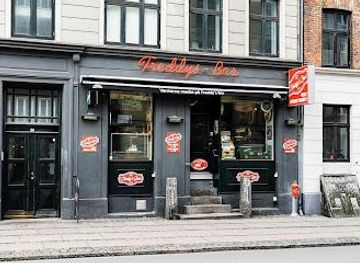
For decades Istedgade was shorthand for Copenhagen’s red‑light district. Near the station you can still spot neon signs, sex shops and a few strip bars, a reminder of that era. Further along, though, the vibe softens into something much more varied. Trendy cocktail spots share the pavement with old‑school brown bars, and design‑forward restaurants sit beside inexpensive kebab joints and late‑night pizza slices.As Vesterbro reinvented itself, Istedgade attracted designers, chefs and artists who were drawn to cheaper rents and the area’s rough charm. Today you’ll find concept fashion stores, vinyl shops, galleries and record bars, small venues hosting DJs or live music, and specialty coffee bars that spill onto the pavement when the sun comes out. The mix feels organic rather than polished, with a pleasing sense that anything might appear behind the next doorway.Everyday life on Copenhagen’s most diverse strip
Spend some time simply wandering and the street reveals its daily rhythms. In the morning, locals queue for flaky pastries and strong coffee while parents wheel prams between supermarkets and corner shops. By afternoon, café terraces fill with laptops and conversation, second‑hand stores are picked over for vintage treasures, and cyclists weave through the narrow corridor of parked bikes.Evenings bring a different energy as bar lights glow, music drifts from basement venues and the sidewalks become an informal promenade. You might pass groups heading for the nearby Meatpacking District, friends sharing street food on a stoop, or neighbours chatting outside their stairwell doors. Istedgade offers less of a single must‑see sight and more of a constantly shifting street scene that rewards slow strolling and people‑watching.Architecture, side streets and small discoveries
Much of Istedgade is lined with late‑19th‑ and early‑20th‑century apartment blocks, their coloured plaster, bay windows and decorative cornices giving the street a cohesive frame. Ground‑floor units have long housed shops and bars, so façades are punctuated by colourful signage, chalkboards and display windows that change with the seasons. Look up to spot wrought‑iron balconies and rooftop details that many visitors miss.Slip into the side streets and you quickly find calmer residential pockets, pocket parks and small courtyards. Enghave Plads at the western end opens onto green space and playgrounds, while the Meatpacking District lies a short walk away with its white‑tiled former warehouses converted into restaurants and galleries. Returning to Istedgade, you re‑enter the hum of traffic, conversations in multiple languages and the smell of coffee, spices or grilled meat depending on which block you hit.How to enjoy Istedgade like a local
There is no single right way to experience Istedgade, but many visitors start near Central Station and simply follow the street west, pausing wherever looks inviting. A classic day might involve brunch at a cosy café, browsing fashion and design shops, then an afternoon drink on a sunny pavement table before continuing towards Enghave Plads for a breather in the nearby green spaces.The street feels different in every season: soft light and crisp air in winter, buzzing pavement life in summer and long dusky evenings in between. Take your time, stay curious, and allow yourself to duck into a random courtyard, record shop or bar that catches your eye. The real charm of Istedgade lies in its small, unplanned encounters and the sense that you are walking through a lived‑in, evolving piece of Copenhagen rather than a curated stage set.Explore the best of what Istedgade has to offer













More about North Zealand
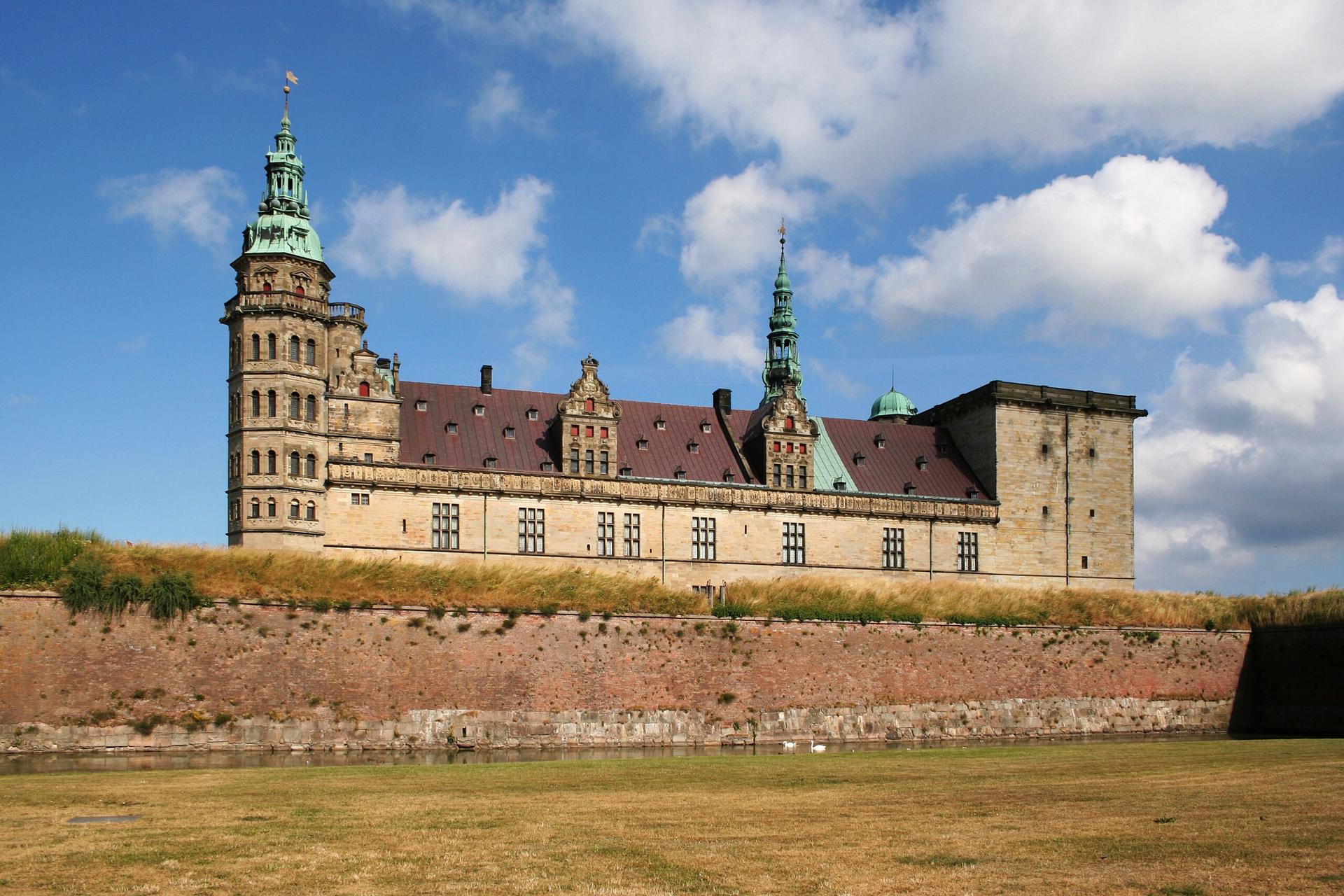
Explore North Zealand, Denmark's enchanting region of castles, beaches, and royal estates, perfect for history buffs, nature enthusiasts, and seaside lovers.
Tell me more about North Zealand
Stændertorvet is Roskilde’s historic central square, bustling with markets, events, and iconic views of the UNESCO-listed cathedral at the city’s vibrant core.

Colourful staffed playground and historic park oasis hidden behind a former shooting wall in Vesterbro, ideal for families needing a central Copenhagen breather.
