

Viking Ship Museum, Køge Travel Guide
Free Guide: Experience 1,000-year-old Viking ships and sail the fjord in reconstructed vessels at the world's only museum where you can board authentic Norse maritime history.


A brief summary of Viking Ship Museum
Experience 1,000-year-old Viking ships and sail the fjord in reconstructed vessels at the world's only museum where you can board authentic Norse maritime history.
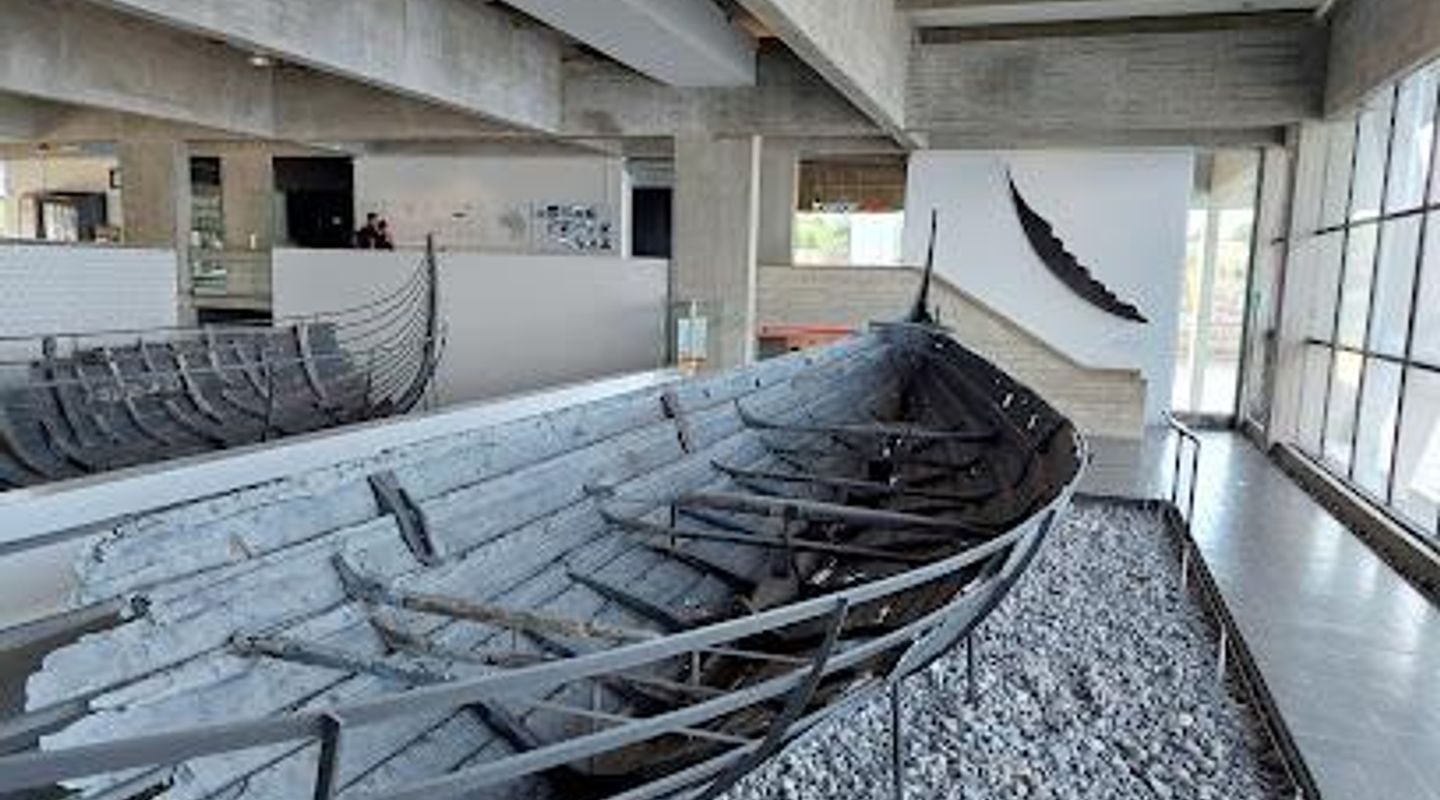
Explore five original Viking ships from the 11th century at this world-unique museum in Roskilde, Denmark. Set dramatically against Roskilde Fjord, the museum combines authentic 1,000-year-old vessels with live boatbuilding demonstrations, interactive workshops, and seasonal sailing trips in reconstructed Viking ships. The striking brutalist Viking Ship Hall showcases the Skuldelev Ships with panoramic fjord views, while the outdoor Museum Island features working craftsmen using traditional Viking-era techniques. A fascinating blend of archaeology, maritime history, and hands-on Viking experiences.
On-site amenities
 Restrooms
 Drink options
 Food options
 Seating areas
 Information boards
 Visitor centre
Opening hours
- Every day10 am–4 pm
Opening hours as listed on the venue’s Google Business Profile. Hours can change for services and special events, so check with the venue before you go.
- Address
- Vindeboder 12, 4000 Roskilde
- Phone
- Website
Getting there
Train from Copenhagen
Car from Copenhagen
Car from other Danish cities
Bus from Roskilde Station
Discover more about Viking Ship Museum
The Five Skuldelev Ships: Windows into the Viking Age
At the heart of the Viking Ship Museum stand five original Viking vessels, each over 1,000 years old, excavated from Roskilde Fjord approximately 20 kilometres north of the city. These ships—known as the Skuldelev Ships—were deliberately sunk in the 11th century to form a defensive blockade, and their remarkable preservation offers an unparalleled window into Viking maritime life. The vessels represent different ship types: warships, merchant vessels, and fishing boats, each telling its own story of Norse seafaring, trade, and daily life.The ships are housed within the Viking Ship Hall, a striking example of Danish late modernist architecture completed in 1969. Designed by architect Erik Christian Sørensen, the building functions as a giant display case with raw concrete walls, exposed structural elements, and soaring panoramic windows that frame the Roskilde Fjord as a living backdrop. The split-level design allows visitors to view the ships from multiple angles, appreciating both their overall form and intricate details. Vertical concrete fins filter natural daylight, creating dramatic contrasts between shadow and light that enhance the vessels' presence. The architectural significance of the hall itself earned it preservation status in 1997, reflecting its importance in Danish design history.
Living Traditions: The Boatyard and Craftspeople
Surrounding the Ship Hall, Museum Island brings Viking maritime culture to life through authentic reconstruction and demonstration. At the heart lies the working boatyard, where museum craftsmen reconstruct full-scale Viking ships and traditional wooden boats using the same materials and techniques employed over a thousand years ago. The scent of pine tar, the sound of axes striking oak, and the sight of skilled workers shaping timber create an immersive atmosphere that transports visitors back in time. These boatbuilders are not merely recreating history—they are keeping alive the maritime trades that defined the Viking Age.Throughout the museum grounds, specialists demonstrate traditional crafts at Tunet, the Viking meeting place. Visitors can observe metalworking, woodcarving, rope-making, and other essential maritime trades. One of the museum's most celebrated achievements is the Sea Stallion from Glendalough, a reconstructed Viking ship that sailed to Dublin and back in 2007–2008, proving that modern craftspeople could replicate the remarkable seafaring capabilities of their Viking ancestors. This vessel remains a centerpiece of the museum's exhibits and a testament to Viking engineering prowess.
Seasonal Sailing and Interactive Experiences
From May through September, the museum offers daily sailing trips on Roskilde Fjord aboard reconstructed Viking ships and traditional Nordic boats. These 50-minute excursions allow visitors to experience the sensation of Viking seafaring firsthand, with instructors teaching the principles of rowing and sailing as practised in the Viking Age. The trips depart from the museum's harbour, where visitors can board vessels laden with replicas of trade goods and weapons, allowing imagination to drift back to an era when Denmark's fate was forged at sea.During summer months, the museum hosts daily hands-on activities on Museum Island, including coin minting, jewellery making, and shield painting, with opportunities to dress in Viking attire. An interactive children's area called The Hamlet, located within the Ship Hall, invites younger visitors to build miniature Viking ships and test them in water pools. These experiences transform the museum from a passive viewing space into an active, participatory environment where history becomes tangible.
Architecture and Design: A Modernist Masterpiece
The Viking Ship Hall itself deserves careful attention. Built in 1969, the structure represents a bold architectural statement—a brutalist concrete vessel designed to cradle the ancient ships within. The building's raw, honest materiality mirrors the unadorned strength of the Viking vessels it houses. Its distinctive design, with exposed concrete ribs and vast glazed surfaces, creates an interplay between interior and exterior, allowing the fjord landscape to become part of the museum experience. Though preservation status was lifted in 2018 to permit future development, the hall remains an important example of late modernist Danish design and continues to frame the Skuldelev Ships with dramatic visual impact.
Exhibitions and Educational Programming
Beyond the five original ships, the museum features rotating exhibitions that explore Viking voyages, trade networks, warfare, and daily life. Special exhibitions such as "In the Wake of the Vikings" provide deeper context for understanding how these vessels enabled Norse expansion across Europe and beyond. Guided tours in English are available, offering expert interpretation of the ships and their historical significance. The museum also features an audio guide system that allows visitors to explore at their own pace while learning dramatic stories connected to the vessels and the people who sailed them.The museum's café, Café Knarr, overlooks the Museum Harbour and serves food inspired by Viking culinary traditions, allowing visitors to extend their experience and reflect on what they have learned while gazing across the water where these ancient ships once sailed.
Evendo Review Centre
 Google
Guest reviews
Best time to go
Quietest: Jan, Feb & Nov · before 9am or from 5pm
Busy times are Evendo estimates for a typical year, to help you plan. Actual crowds vary with events, school holidays and the weather.
Explore Viking Ship Museum on the map
A handpicked selection of must-see spots near Viking Ship Museum, mapped for you.
Get your free copy of our complete guide to Viking Ship Museum, delivered straight to you.
Everything on this page, from opening hours and how to get there to Eve’s tips and the best time to go, in one PDF you can read offline, print or share.
Already have an account? Sign in
Your Viking Ship Museum guide is ready.
We'll send it to · Not you? Sign out

Getting your guide ready…
We are putting together a fresh copy of the Viking Ship Museum guide. This can take up to a minute.
This can take a few moments. If your browser asks, choose Allow so the download can start. You'll find the guide in your Downloads folder.
Nothing happened? Download it again
Sorry, the guide is taking longer than usual. Please try again in a minute, or get it by email instead.
Unlock the best of Viking Ship Museum
Skip-the-line tickets, guided tours with entry, and walking tours of the area, booked in a few clicks.




Other nearby places you may find interesting
The closest places of the same kind, if this one is not quite what you had in mind.
-
Køge Miniby Step into Køge’s past at 1:10 scale, where hand-built model houses, harbour scenes and church spires recreate the market town of 1865 in a tranquil seaside garden.
-
Køge Museum Time‑travel through Køge’s past inside a 17th‑century merchant’s house where Viking treasures, buried secrets and a tranquil courtyard meet in one intimate museum.
-
Ølsemagle Revle A shifting sandbar of shallow lagoons, rich birdlife and wide sandy beaches, where Køge’s urban edge gives way to one of Zealand’s most evocative coastal nature reserves.
-
Solgårdsparken Romantic coastal park between Køge Bay and Tryggevælde River, where historic garden design, tranquil nature, play areas and reflective audio stories meet in one green retreat.
-
Vandkunsten - Stationspladsen A sculptural fountain anchoring Køge’s station square, where moving water, stone and light turn a busy transport hub into an inviting urban meeting place.
Swipe for more places
More to explore near Viking Ship Museum

 Best experiences near Viking Ship Museum
 Best hotels near Viking Ship Museum
 Best landmarks near Viking Ship Museum
 Best attractions near Viking Ship Museum
 Best shops near Viking Ship Museum
 Best restaurants near Viking Ship Museum
 Best bars near Viking Ship Museum
Do you manage this location?
Take control to get all the benefits, like improved information, better appearance, and stronger visibility across AI-powered discovery.
Explore more
Explore more of Køge
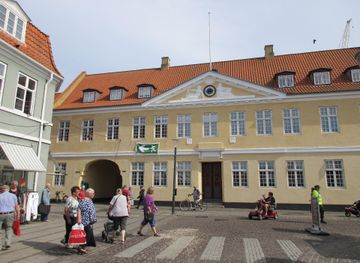
Explore Køge, Denmark's coastal gem, with its medieval charm, beautiful marina, and close proximity to the stunning Stevns Klint UNESCO World Heritage site.
Explore Køge
Explore more of Denmark
Discover Denmark: A perfect blend of history, modern design, and the cozy concept of hygge. Explore vibrant cities, serene landscapes, and world-class cuisine.
Explore Denmark
